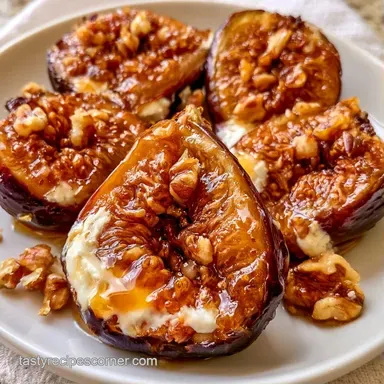
Baked Figs Stuffed with Goat Cheese and Honey
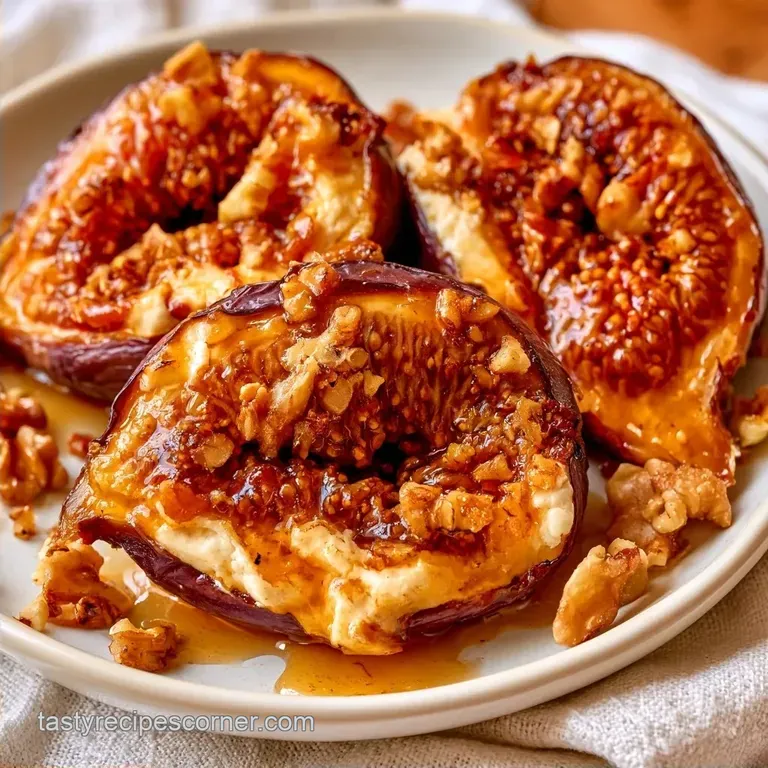
- Time: 15 mins prep + 10 mins in oven
- Taste Profile: Warm, jammy fruit with a tangy, creamy center
- Perfect for: Elegant cocktails, holiday appetizers, or date night
Figs Stuffed With Goat Cheese
The aroma of warm honey and toasted nuts wafting from the oven is enough to whet anyone's appetite. During my first attempt, I mistakenly treated the figs like hearty vegetables and overcooked them.
They melted into a sugary, purple pool on the baking sheet, and I spent twenty minutes scraping the residue off the parchment. That failure highlighted exactly how fragile these fruits are.
Now, I approach them with more care. The secret is a brief burst of high heat that softens the core without turning the fruit into jam. This produces a lovely contrast: an intact exterior with a warm, gooey center.
This recipe is ideal for those who want an impressive result without spending all day in the kitchen. With just a few minutes of prep and a short bake, you'll create a dish with a professional bistro aesthetic, achieved simply through a few strategic cuts with a paring knife.
What Makes the Flavor Pop
- The Tangy Balance: The sharp bite of goat cheese cuts right through the honey like sweetness of the fig. This keeps the dish from tasting like a candy bar.
- High Heat Burst: Baking at 400°F ensures the cheese melts quickly before the fig walls lose their structure.
Quick Recipe Specs
| Goal | What to change | ||||
|---|---|---|---|---|---|
| More Crunch | Double the walnuts | ||||
| Sweeter Profile | Extra honey drizzle | ||||
| Savory Twist | Add a pinch of smoked paprika | Fresh Figs | Dried Figs | Why It Matters | |
| :--- | :--- | :--- | |||
| Jammy and juicy | Chewier and denser | Fresh gives a better texture contrast | |||
| Shorter bake time | Needs more moisture | Dried figs may require a splash of water |
Ingredient Role Breakdown
The fruit is the star here, providing a natural, honeyed base. Goat cheese brings that essential acidity. If you use a very mild cheese, the dish can feel flat, which is why the sea salt is so important - it wakes up all the other flavors.
The honey acts as a glaze, creating a glossy skin that looks elegant on a platter. Walnuts add a woody, bitter note that balances the sugar, while the balsamic glaze provides a dark, vinegary punch. Finally, the fresh thyme adds a piney, herbal aroma that prevents the whole thing from tasting too much like a dessert.
The Necessary Gear
While high end equipment isn't necessary, a few specific tools can simplify the process. A sharp paring knife is essential for achieving precise cross cuts. I suggest using a small piping bag for filling the centers, though a small spoon works just as well.
A parchment lined baking sheet is a must, as the honey and fig juices can stick to the bare metal.
Ingredients & Substitutes
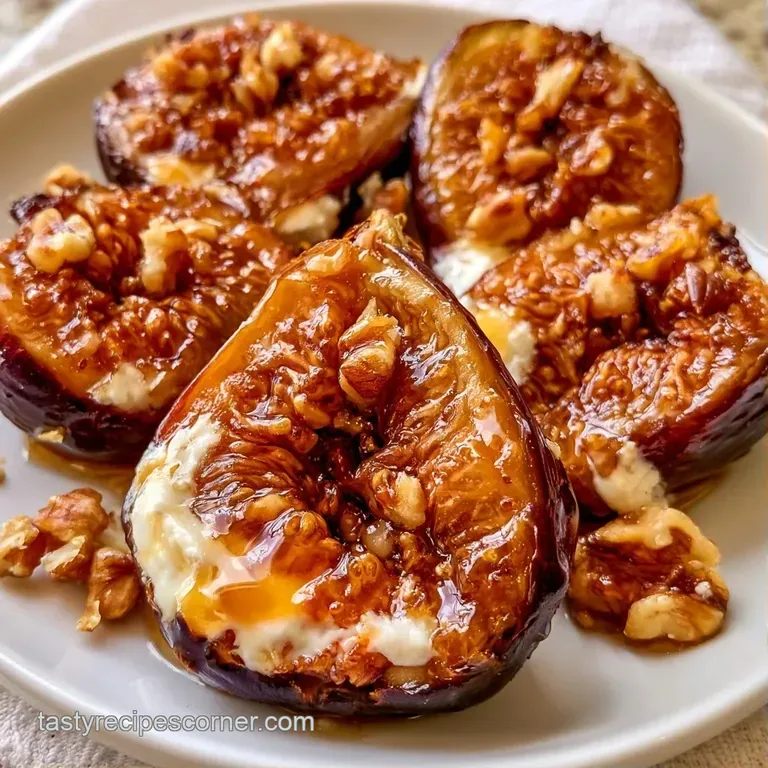
- 30 fresh figs Why this? Provides the jammy, fresh base
- 8 oz goat cheese Why this? Adds a tangy, creamy contrast
- 2 tbsp honey Why this? Glazes the skin and adds sweetness
- 1 tbsp heavy cream Why this? Makes the cheese easier to pipe
- 1/2 tsp flaky sea salt Why this? Cuts the sugar and enhances tang
- 1/4 cup toasted walnuts, chopped Why this? Adds essential crunch and earthiness
- 1 tbsp balsamic glaze Why this? Adds a rich, acidic finish
- Fresh thyme leaves Why this? Freshness and a savory herbal note
| Original Ingredient | Substitute | Why It Works |
|---|---|---|
| Goat Cheese | Feta (softened) | Similar saltiness, though grainier texture |
| Honey | Maple Syrup | Same viscosity, adds a woody flavor |
| Walnuts | Pecans | Similar crunch and rich, nutty taste |
| Heavy Cream | Greek Yogurt | Thins the cheese, but adds more tang |
Bringing It Together
- Set your oven to 400°F (200°C) and prepare a baking sheet with parchment paper.
- Using a paring knife, cut a cross shaped slit into the top of each fig, slicing about halfway through the center. Note: Be careful not to cut all the way through, or the figs will split.
- Lightly squeeze the sides of each fig to open the center pocket.
- In a small bowl, whisk together the softened goat cheese, sea salt, and heavy cream until the texture is smooth.
- Spoon or pipe roughly 1 teaspoon of the cheese mixture into the middle of each fig.
- Drizzle honey over the top of the figs.
- Roast for 8-10 minutes until the fruit smells aromatic and the cheese is soft and slightly golden.
- Finish with chopped toasted walnuts, a touch of balsamic glaze, and fresh thyme leaves.
Chef's Note: For a more intense flavor, stir a tiny pinch of cinnamon into the cheese mixture. This creates a lovely bridge between the honey and earthy walnuts.
Troubleshooting Guide
Fixing Fig Collapse
If your figs are turning into mush, they were likely too ripe to begin. The fix is to reduce your oven temperature to 375°F and pull them out at the 7 minute mark. You want the cheese to melt, but you don't want the fruit walls to buckle.
Dealing with Leaking Cheese
When the filling overflows, it usually means the pocket was too small or you overfilled it. Use a small spoon to push the cheese down firmly into the center. If some leaks out during baking, don't worry - it just creates a crispy cheese edge that tastes great.
Fixing Bland Filling
If the center tastes flat, you're missing salt. Goat cheese varies in saltiness by brand. If the filling lacks punch, add a tiny bit more flaky sea salt or a drop of lemon juice to the cheese before stuffing.
Serving Suggestions
Serve these warm, immediately after they leave the oven. I prefer plating them on a dark stone tray or a pale porcelain dish to really highlight the vivid purple and gold tones.
For a more substantial meal, these go great with a side of savory greens. If you are hosting several people, I've found that adding a side of sautéed mushrooms brings a lovely earthy balance to the spread. The salty flavor of the mushrooms perfectly offsets the honey in the figs.
To ensure an elegant presentation, add three specific color accents: the deep brown balsamic glaze, the bright green fresh thyme, and the pale cream cheese. Wait two minutes after the figs come out of the oven before adding these, otherwise the glaze may simply slide off.
Storage and Reheating
Keep leftover portions in an airtight container in the refrigerator for a maximum of 3 days. Freezing is not advised, as the fresh fruit tends to release excess moisture during thawing, resulting in a soggy texture.
To reheat, avoid using the microwave, as it can make the fruit rubbery. Instead, warm them in the oven at 350°F for about 5 minutes. This restores the heat to the cheese without overcooking the fruit.
If you have extra walnut halves, toast them in a dry skillet for 2 minutes to regain their crunch before adding them back to the warmed figs.
Dietary Adaptations
For those avoiding dairy, you can swap the goat cheese for a cashew based alternative. If you need something completely dairy-free, a vegan cheese sauce thickened with a bit of cornstarch can work as a filling, though the flavor will be less tangy.
If you want a saltier version, try Figs Stuffed With Goat Cheese and Bacon. Wrap each fig in a thin strip of bacon before baking. You'll need to increase the bake time to about 12-15 minutes to ensure the bacon renders and gets crispy.
For a different texture, try Dried Figs Stuffed With Goat Cheese. Since dried figs are denser, soak them in warm water for 10 minutes first to soften them up. You can skip the oven and serve these raw for a quicker, chewier snack.
Another popular twist is using prosciutto. Instead of bacon, wrap the figs in a thin slice of prosciutto. This version, often called Figs with Goat Cheese and Prosciutto, is more traditional and tastes a bit more like a high end charcuterie board.
Nut Free Version
Simply omit the walnuts. To keep the crunch, you can use toasted pumpkin seeds or sunflower seeds. They provide a similar earthy note without the allergen risk.
Using Different Honeys
While clover honey is standard, using a darker buckwheat honey adds a more intense, molasses like flavor that pairs well with the balsamic glaze.
Common Kitchen Myths
One big misconception is that figs are only for desserts. In reality, their natural sweetness makes them a powerhouse in savory dishes. Pairing them with salt, fat, and acid - like goat cheese and balsamic - proves they belong in the appetizer category.
Some people think you need to peel the skin off the fig before stuffing. Don't do this. The skin provides the structural support that keeps the fig from collapsing in the oven, and it adds a nice texture to the final bite.
Regarding nutrition, if you're tracking your intake, you can find detailed data on the basic ingredients through USDA FoodData Central. It's a good way to see how the honey and cheese affect the overall calorie count of the dish.
Recipe FAQs
Does goat cheese pair well with figs?
Yes, they are a classic pairing. The tangy, creamy profile of goat cheese balances the deep sweetness and honey like notes of the fruit perfectly.
What cheese is best with figs?
Goat cheese is the top choice. Its distinct acidity cuts through the sugar of the figs, though other soft cheeses work if you prefer a milder flavor.
Is it true that you only eat the inside of a fig?
False. You eat the entire fruit, including the skin, which provides a nice structural contrast to the soft interior.
Why does my mouth hurt after eating figs?
This is usually due to ficin. This enzyme breaks down proteins in the mouth and tongue, which can cause a tingling or burning sensation in some people.
How do you prepare fresh figs to eat?
Rinse them gently and pat dry. For this recipe, slice a cross shaped opening into the top and press the sides to create a pocket for the filling.
How can I make these more savory?
Increase the balsamic glaze and thyme. If you enjoyed balancing these bold flavors here, see how the same principle of savory sweet contrast works in our pepperoni rolls.
Figs Stuffed With Goat Cheese