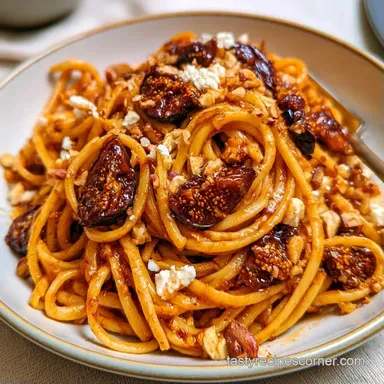
Fresh Fig Pasta with Goat Cheese and Hazelnuts
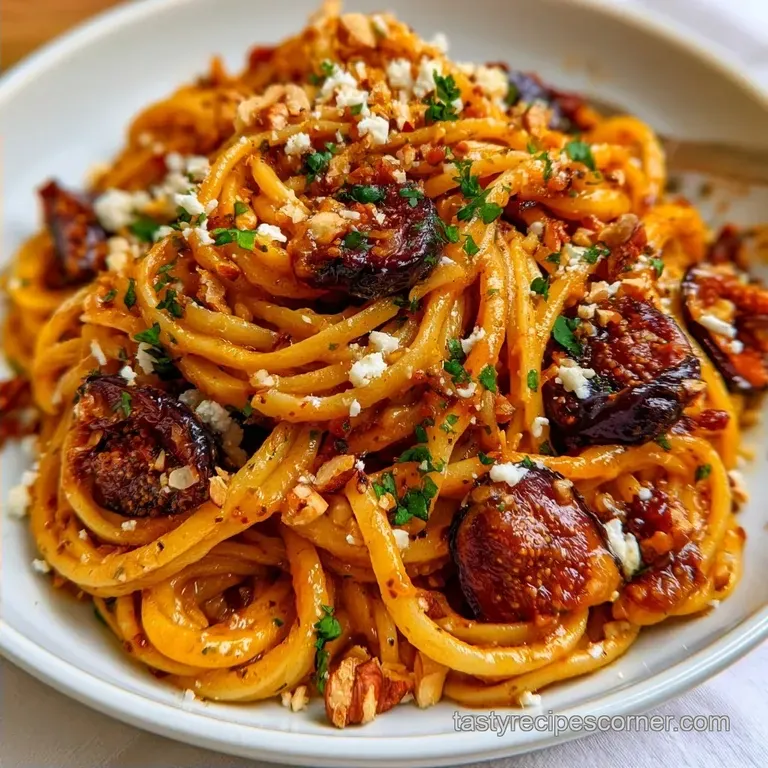
- Timing: 10 minutes active work and 15 minutes cooking
- Sensation: Nutty, buttery, and tangy with a glossy glaze
- Ideal for: A comforting, soul-warming dinner for a hungry family
Fresh Fig Pasta
Ever wonder why figs, which taste like honey and sunshine, almost never show up in dinner recipes? Most people stick to salads or dessert, but there's something about the way a ripe fig reacts to butter and garlic that makes it feel right at home on a plate of noodles.
I used to think fruit in pasta was a bit too daring for my Tennessee kitchen, but once I stopped treating the figs like a topping and started treating them like a vegetable, everything changed.
I once tried to just toss raw fig slices into a pan of butter, and they turned into a sugary mush that tasted like breakfast. It was a disaster. The key is the sear. When you get those edges mahogany brown, the flavor shifts from "sweet snack" to "hearty comfort dinner," and that's where this recipe really hits its stride.
This Fresh Fig Pasta isn't about fancy presentation or tiny portions. It's a stick to your ribs meal that balances the richness of butter and goat cheese with a bright hit of lemon. If you've never tried a savory fig dish, this is the way to do it without it feeling like you're eating dessert for dinner.
Quick Recipe Details
When I first started making this, I tried to do a slow simmered version, but I found that the fast, over high heat method preserves the fruit's shape much better. Here is how the two approaches stack up.
| Method | Time | Texture | Best For |
|---|---|---|---|
| Fast Sauté | 25 mins | Chunks of fruit | Fresh, bright flavor |
| Slow Simmer | 60 mins | Jammy/Pureed | Deep, concentrated taste |
The fast method is what I recommend for this Fresh Fig Pasta because it keeps the meal feeling light yet satisfying.
- For a tangier bite
- double the lemon juice.
- For a crunchier topping
- roast hazelnuts for 2 mins longer.
- For a richer sauce
- add an extra tablespoon of butter.
Why This Works
The reason this comes together so well is all about balance. If you just had figs and butter, it would be too heavy. But when you add the goat cheese and lemon, it cuts right through that richness.
- Browning the Fruit: Searing the figs cut side down first turns the natural sugars into savory compounds. This prevents the Fresh Fig Pasta from tasting like a dessert.
- The Pasta Water Trick: Using the starchy water creates a bond between the fat and the noodles. Serious Eats' testing shows that reserving this water is the only way to get a sauce that actually clings to the noodle.
- Acidic Balance: The lemon juice acts as a reset for your palate, making each bite of the Fresh Fig Pasta taste as fresh as the first.
If you enjoy this kind of fruit forward savory meal, you might like my savory squash pasta sauce for a similar vibe.
Ingredient Deep Dive
I keep things simple here. We're using ingredients that you can find at any local grocery store, but the quality of the figs makes a big difference. If they're too hard, they won't caramelize right.
| Ingredient | Role | If You Don't Have It |
|---|---|---|
| Fresh Figs | Main flavor and texture | Dried figs (soaked in water) |
| Goat Cheese | Tangy creaminess | Feta or cream cheese |
| Butter | Fat base for searing | Olive oil or ghee |
| Hazelnuts | Nutty crunch | Toasted walnuts or almonds |
The hazelnuts are a great addition because they mirror the earthiness of the figs. Don't skip the toasting step, or they'll taste flat.
Essential Kitchen Tools
No special equipment is required, though a wide skillet is essential. If your pan is too small, the figs will crowd and steam instead of searing, which results in the mushy texture I mentioned earlier.
I use a large pot for the pasta and a heavy bottomed stainless steel or cast iron skillet for the sauce. If you have a stand mixer like a KitchenAid, feel free to use it to roughly chop the hazelnuts if you're short on time, but a knife and board work just as well.
Ingredients & Substitutes
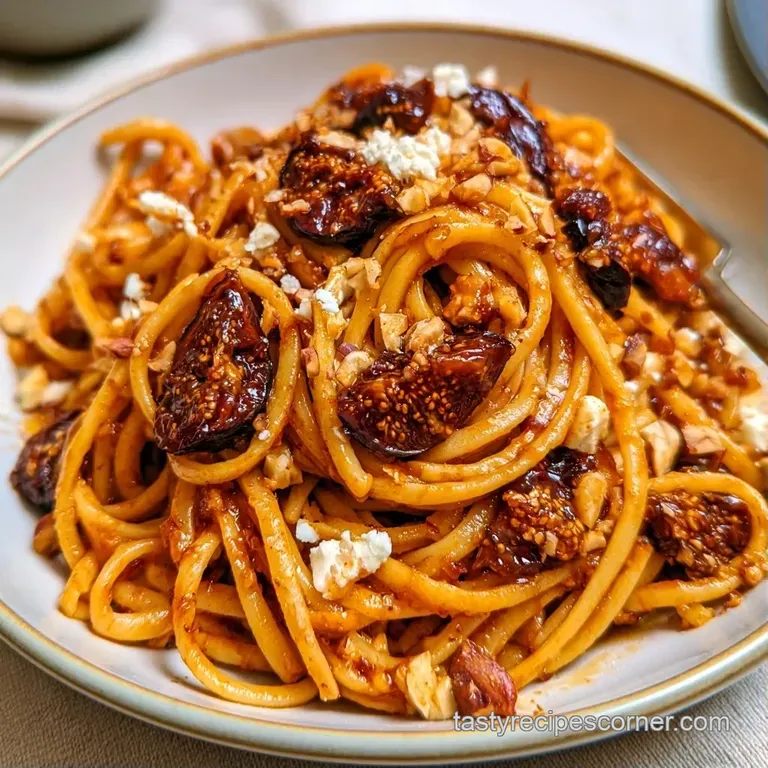
Here is everything you need for the Fresh Fig Pasta. I've listed some swaps if you're working with what's in the pantry.
- 12 oz (340g) spaghetti or linguine Why this? Long noodles hold the glaze well
- Substitute: Fettuccine or Pappardelle
- 1 tbsp (15ml) olive oil
- 1 tbsp (15g) kosher salt
- 8 fresh figs, quartered lengthwise Why this? Provides the core savory sweet base
- Substitute: Dried figs (rehydrated in warm water)
- 4 tbsp (55g) unsalted butter Why this? Creates a rich, nutty sear
- Substitute: Vegan butter or oil
- 3 cloves (15g) garlic, minced
- 2 sprigs (4g) fresh sage, finely chopped Why this? Earthy flavor that pairs with figs
- Substitute: Dried sage (use half the amount)
- 1 tbsp (15ml) lemon juice
- 1/2 tsp (3g) cracked black pepper
- 4 oz (115g) soft goat cheese, crumbled Why this? Adds tang and creamy texture
- Substitute: Feta (more salty, less creamy)
- 1/4 cup (30g) hazelnuts, toasted and roughly chopped
- 2 tbsp (30ml) extra virgin olive oil
- Fresh parsley for garnish
The Cooking Process
Let's dive in. The key is to synchronize the timing so your pasta finishes just as the sauce becomes glossy.
1. The Pasta Foundation
Get a big pot of water boiling vigorously. Stir in the salt and pasta, cooking until al dente. Typically, this means pulling them off the heat 1-2 minutes before the package instructions suggest. Save 1 cup (240ml) of the starchy pasta water before draining.
2. Caramelizing the Figs
Melt the butter in a wide skillet over medium heat until it starts foaming. Place the quartered figs cut-side down. Sauté for 3-4 minutes without stirring until the edges are mahogany colored and fragrant.
3. Aromatics Step
Stir in the minced garlic and sage. Cook for 60 seconds until the garlic is translucent and smells nutty.
4. Creating the Glaze
Reduce the heat to medium low. Pour in the lemon juice and 1/2 cup (120ml) of the reserved pasta water. Gently stir to deglaze the pan, scraping up all the browned bits from the bottom. Let the liquid simmer for 2 minutes until it reduces into a glossy glaze.
5. Combining the Pasta
Transfer the cooked pasta straight into the skillet. Using tongs, toss gently to ensure the noodles are evenly coated in the fig glaze.
6. The Creamy Finish
Mix in the crumbled goat cheese. Continue tossing over low heat until the cheese partially melts into a creamy sauce. If the mixture seems dry, add another splash of the reserved pasta water.
7. Final Plating
Serve the Fresh Fig Pasta topped with toasted hazelnuts, a drizzle of extra virgin olive oil, and fresh parsley.
Chef's Note: If the sauce separates or appears oily, whisk in a tablespoon of pasta water using your tongs. The starch helps emulsify the oil and water back together.
Why You'll Love This Recipe
This Fresh Fig Pasta works because it doesn't try to be something it's not. It's a rustic dish that relies on a few high-quality ingredients. The contrast between the warm, seared figs and the cold, tangy goat cheese is what makes it feel special.
It's also a budget smart meal. Figs can be pricey, but because we're pairing them with a simple pasta base and pantry staples like garlic and butter, you get a high end result without spending a fortune. Plus, using the pasta water to stretch the sauce means you don't need expensive creams or thickeners.
For another creamy pasta idea that hits those same comfort notes, try my Marry Me Tortellini.
Common Mistakes & Troubleshooting
The most common issue I see is people stirring the figs too much. If you move them around every few seconds, they won't get that deep brown sear and will instead leak all their juices, making the sauce watery.
Another problem is overcooking the pasta. Since the noodles spend a few minutes in the skillet with the sauce, they'll continue to cook. If you boil them to softness in the pot, they'll be mushy by the time they hit the plate.
Fixing Mushy Figs
If your figs are dissolving into the sauce, you likely had the heat too high or stirred too often. For the next batch, let them sit undisturbed for the first 3 minutes. If it's already happened, just keep going, but add the goat cheese at the very end to give the dish some structure.
When Sauce is Too Dry
If the Fresh Fig Pasta looks tight or the noodles are sticking together, you didn't save enough pasta water. Add a tablespoon of hot water or a tiny bit of butter and toss again over low heat until it loosens up.
| Problem | Root Cause | Solution |
|---|---|---|
| Figs are mushy | Too much stirring | Leave figs undisturbed for 3-4 mins |
| Sauce is watery | Didn't reduce glaze enough | Simmer for 2 extra mins before adding pasta |
| Pasta is clumping | Not enough pasta water | Stir in reserved water 1 tbsp at a time |
| Garlic tastes burnt | Heat was too high | Lower heat to medium low before adding garlic |
Storage and Waste
Any remaining Fresh Fig Pasta stays fresh in a closed container in the refrigerator for up to 3 days. Note that the figs will continue to soften and the goat cheese will blend more deeply into the sauce over time.
For reheating, I suggest using a skillet with a knob of butter or a splash of water. I'd steer clear of the microwave, as it can render the pasta rubbery and the figs overly soft.
To minimize waste, hold onto the pasta water and fig stems. While often discarded, the stems can be added to a stock pot for a hint of earthy sweetness. If you have extra goat cheese, wrap it in small portions using parchment paper and freeze for up to 2 months.
Flavor Variations
If fresh figs aren't in season, don't worry; this Fresh Fig Pasta is easy to customize.
The Winter Twist
Substitute dried figs when fresh fruit is unavailable. Begin by soaking them in warm water for 20 minutes, then pat them dry. Because their flavor is more concentrated and jammy, you might want to include an extra squeeze of lemon to keep the dish balanced.
The Vegan Alternative
Use a premium vegan butter instead of dairy butter and a cashew based vegan chèvre in place of goat cheese. This version of the Fresh Fig Pasta is still delicious, even if the sauce ends up slightly less creamy.
The Savory Protein Boost
For a more filling meal, brown some crumbled sausage or crispy pancetta in the pan before stirring in the garlic. The salty notes of the meat complement the honeyed tones of the figs beautifully.
The Leafy Green Addition
Fold in a handful of baby arugula or fresh spinach at the very end. The remaining heat from the Fresh Fig Pasta will lightly wilt the leaves, bringing a pop of color and freshness to the plate.
Serving Suggestions
While this Fresh Fig Pasta is satisfying enough to stand alone, a side of crusty bread is highly recommended. You'll want something to soak up every last bit of the lemon butter glaze at the bottom of the bowl.
For a full dinner, pair this with a simple arugula salad tossed in a light balsamic vinaigrette. The peppery notes of the greens balance the richness of the goat cheese and butter. A crisp white wine, such as Sauvignon Blanc, works well here because its acidity complements the lemon in the sauce.
When preparing this for a crowd, plate the noodles first and then nestle the seared figs on top so they don't get crushed. Finish with a liberal sprinkle of toasted hazelnuts and fresh parsley for a final pop of color.
This Fresh Fig Pasta is as much about the presentation as it is about the flavor, and the mahogany figs look stunning against the pale gold pasta.
Recipe FAQs
Can figs be used in pasta?
Yes, they create a wonderful sweet savory balance when paired with goat cheese. Sautéing them in butter helps develop a rich glaze that coats the noodles.
How do I prepare fresh figs for this recipe?
Quarter the figs lengthwise and place them cut-side down in a skillet. Sauté for 3-4 minutes without stirring to achieve a mahogany colored sear.
Is it true that figs spike your blood sugar instantly?
Surprisingly, no. Their fiber content helps slow down the absorption of sugar compared to refined sweets.
Should I soak fresh figs before eating them?
That's a myth. Fresh figs only need a gentle rinse under cool water to remove any dust or debris.
How to keep the fig sauce from becoming too watery?
Avoid stirring the figs while they sauté in the butter. Constant movement prevents the edges from caramelizing and causes them to leak excess juices.
What other pasta shapes work best with this glaze?
Linguine or spaghetti are ideal, but you can use a hearty noodle like the one in our cheesy baked tortellini. If you enjoyed balancing sweet and savory flavors here, apply the same logic to any pasta with a creamy cheese base.
Fresh Fig Pasta