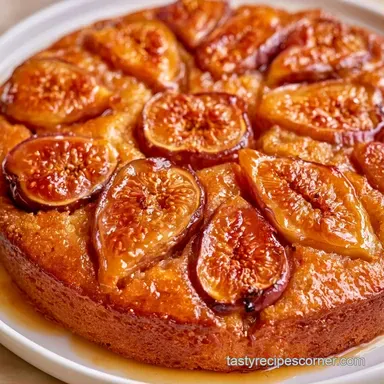
Caramelized Fresh Fig Upside Down Cake
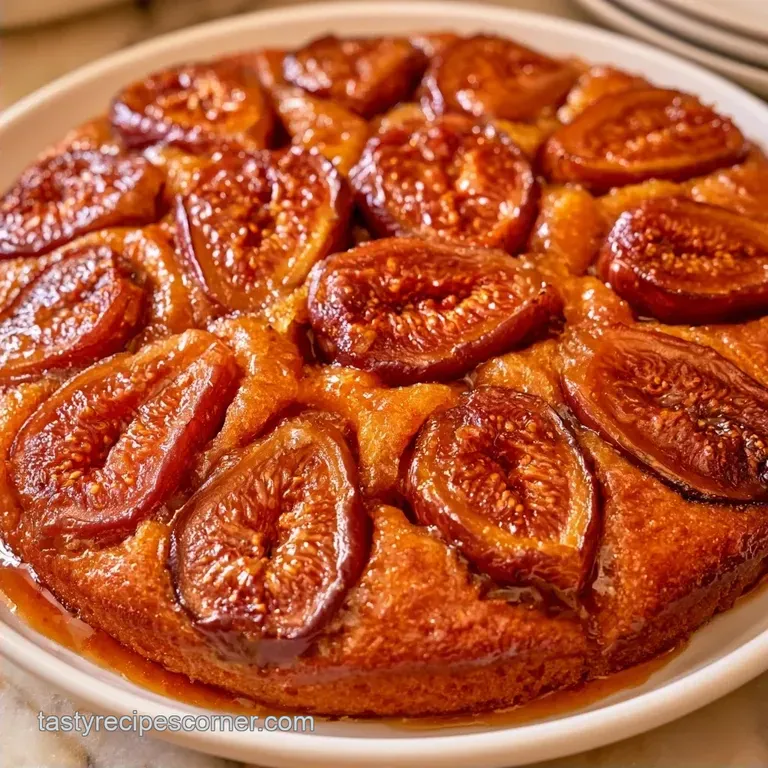
- Time:15 minutes active + 50 minutes bake
- Flavor/Texture Hook: A rich mahogany caramel paired with a soft, buttery crumb
- Perfect for: Autumn dinner parties or a cozy Sunday brunch
Fig Upside Down Cake
The smell of brown sugar hitting a hot cast iron pan is something you can't ignore. It's that deep, toasted scent that fills the whole house, signaling that something rich is happening. For me, the first few times I tried this, the cake was a disaster.
I used a thin cake pan, and the sugar just slid off the figs, leaving me with a sticky, pale mess that looked nothing like the bistro cakes I'd seen in magazines.
The shift happened when I stopped treating the fruit as a topping and started treating it as the foundation. Once I realized the cast iron skillet holds a steady, heavy heat, the caramel finally behaved.
I remember the first time I flipped it and the cake actually stayed together, with those purple centered figs glistening in a thick, golden syrup. It's a feeling of pure victory.
This recipe isn't about fancy techniques. It's about the patience of the bake and the timing of the flip. You're going to get a cake that is moist and dense in the best way, with fruit that's practically jammy.
Trust me on the lemon juice; it sounds small, but it's what makes the whole thing taste bright instead of just sugary.
Why Most Recipes Get This Wrong
Most people just throw sugar and butter in the pan and hope for the best. But there's a reason some cakes end up with a grainy crust while others have a mirror like glaze.
- The Acid Balance: Adding lemon juice to the figs stops the brown sugar from tasting one dimensional. It breaks up the heaviness and helps the fruit juices blend into the syrup.
- The Buttermilk Effect: Using buttermilk instead of regular milk creates a velvety texture in the crumb. The acid in the buttermilk reacts with the baking powder to give the cake a better lift and a tighter grain.
| Method | Time | Texture | Best For |
|---|---|---|---|
| Stovetop Caramel | 10 mins extra | Glassy, deep brown | Bold, burnt sugar flavor |
| Oven Caramel | Included | Jammy, soft | Integrated fruit flavor |
Tools You'll Need
While you don't need professional gear, a few key items make the process much smoother. I prefer using a 9 inch cast iron skillet for its superior heat retention and the rustic look it gives the cake.
To prepare the batter, a stand mixer like a KitchenAid is perfect for beating the butter and sugar until pale, though a handheld version does the trick too. You will also need a strong spatula for the "big flip" and a wire rack to cool the cake once it leaves the pan.
If a cast iron skillet isn't available, a heavy bottomed cake pan works, but you may miss out on some of that rich edge caramelization.
The Ingredient Breakdown
The magic here is in the interaction between the earthy figs and the buttery sponge. We aren't using a cake mix here; we're building layers of flavor from scratch.
| Ingredient | What It Does | Best Swap |
|---|---|---|
| Fresh Figs | Provides jammy texture and earthy sweetness | Dried figs (soaked in water) |
| Buttermilk | Adds tenderness and a slight tang | Greek yogurt thinned with milk |
| Brown Sugar | Creates the deep, mahogany caramel base | Maple syrup (reduces thickness) |
| Unsalted Butter | Provides structure and a rich, buttery taste | Coconut oil (adds slight nuttiness) |
Recipe Specs
Before you start, make sure your eggs and butter are at room temperature. Cold eggs can curdle the batter, which leads to a dense, uneven cake.
- Prep time: 15 minutes
- Cook time: 50 minutes
- Total time: 65 minutes
- Yield: 8 servings
- Oven Temp: 350°F (180°C)
Step-by-step Baking Process
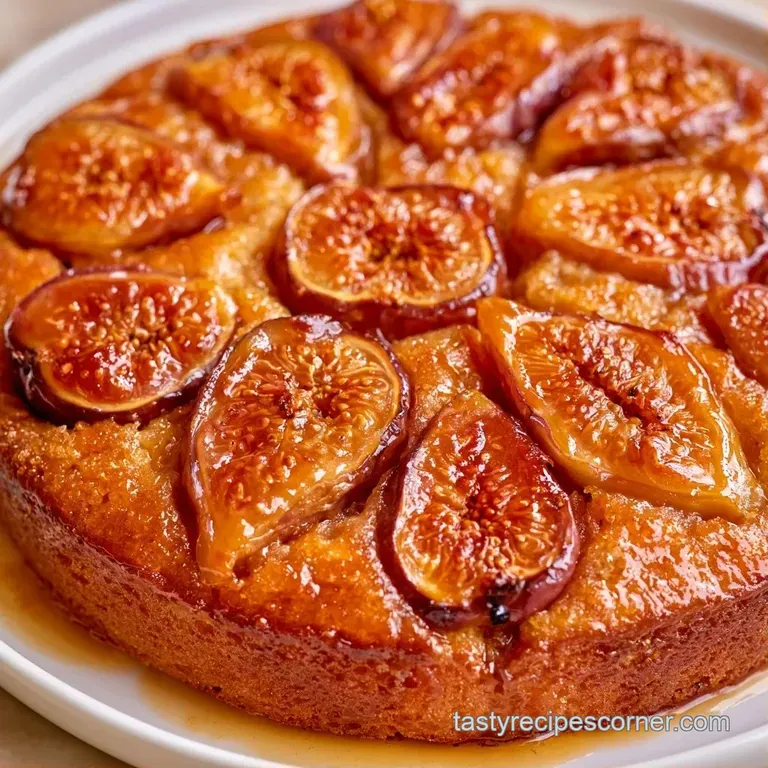
Right then, let's dive in. Keep a close watch on the oven and avoid opening the door too soon, as this could cause the center to collapse.
Phase 1: Preparing the Caramelized Base
- Pour the melted butter and brown sugar into your 9 inch cast iron skillet. Stir to combine. Note: Ensure the sugar is spread evenly across the bottom.
- Arrange the halved figs cut side down in a tight concentric circle within the sugar mixture. Note: Pack them closely so they stay in place while baking.
- Drizzle the lemon juice over the figs. Note: This balances the sweetness and prevents the caramel from becoming too cloying.
Phase 2: Mixing the Batter
- Whisk the flour, baking powder, and salt together in a medium bowl.
- Cream the softened butter and granulated sugar in a large bowl for roughly 3 minutes until the mixture is light and airy.
- Incorporate the eggs individually, mixing well after each addition, then stir in the vanilla extract.
- Alternately fold the dry ingredients and the buttermilk into the butter mixture. Mix until just combined. Note: Avoid overmixing to prevent the cake from becoming tough.
- Spread the batter evenly over the figs and bake for 50 minutes until the perimeter is nicely browned and a toothpick comes out clean.
Handling Baking Issues
The most stressful part of this recipe is the flip. If you wait too long, the caramel cools and acts like glue, trapping your figs in the pan. If you flip too early, the cake might be too fragile.
When the cake is out of the oven, let it sit for about 5 to 10 minutes. This lets the structure set but keeps the caramel liquid. If you find the cake is resisting the flip, put the skillet back on the stove over low heat for 60 seconds. This re melts the sugar and lets the cake slide right out.
Another common issue is a "gummy" center. This usually happens if the buttermilk was too cold or if the oven temperature was slightly off. Ensure your oven is truly at 350°F.
| Problem | Root Cause | Solution |
|---|---|---|
| Figs stick to pan | Caramel cooled too much | Heat skillet on low for 1 minute |
| Gummy center | Underbaked or cold ingredients | Bake 5 mins more; use room temp eggs |
| Caramel is watery | Figs were too juicy | Reduce lemon juice slightly next time |
Adjusting Your Batch Size
If you're feeding a crowd or just want a small treat, you can scale this. For a smaller 6 inch pan, halve the ingredients. Reduce the bake time by about 20%, but still use the toothpick test to be sure. If you're halving the eggs, crack one into a bowl, beat it, and use half of that liquid.
For a larger batch, I don't recommend doubling the recipe in one pan; it'll be too deep and the center won't cook. Instead, make two separate cakes. If you do increase the size, lower the oven temp by 25°F and extend the bake time to ensure the middle sets without burning the edges.
Bunking Baking Beliefs
You might hear that you need to "cream" butter and sugar for 10 minutes to get a light cake. In reality, 3 minutes is plenty. Going too long can actually incorporate too much air, which causes the cake to rise and then collapse suddenly.
Some also claim that using a cake mix is just as good for upside down cakes. Honestly, don't even bother. A mix lacks the structure needed to support the weight of the jammy figs, often resulting in a cake that's too airy and falls apart during the flip.
Keeping Cake Fresh
The fruit base ensures this cake remains moister than a typical sponge. Keep any remaining pieces in a sealed tub in the refrigerator for a maximum of 4 days. I've found that a chilled slice of Fig Upside Down Cake tastes wonderful with a bit of salted butter.
For freezing, cover each slice with plastic film before wrapping them in foil. They'll last roughly 2 months. To warm one up, microwave it for 20 seconds. Because it contains fresh fruit, avoid leaving the cake on the counter for more than a day if the weather is humid. For another fruit filled dessert, you might enjoy my Peach Cobbler recipe, which is stored in a similar way.
Swap and Twist Ideas
If you don't have fresh figs, you can use dried ones. Soak them in warm water for 20 minutes and pat them dry before placing them in the pan. The flavor is more concentrated and honey like.
For a nuttier version, fold 1/2 cup of toasted almond slivers into the batter. The almond flavor pairs beautifully with the earthy figs. If you're looking for a different fruit altogether, a Upside Down Peach Cake uses a very similar technique but offers a brighter, summer profile.
For those avoiding gluten or animal products, a Fig Upside Down Cake Vegan version can be made using flax eggs and a 1:1 gluten-free flour blend. Just be aware that the crumb will be denser and may require an extra 5-10 minutes of bake time to set.
Plating Your Dessert
Adjust your presentation style to fit the occasion. Because the cake is already visually stunning, minimal effort is required.
Simple: A single, thick slice on a plain white plate. The deep mahogany of the figs against the golden cake is a look in itself.
Polished: A slice finished with a dollop of mascarpone and a pinch of flaky sea salt. The salt balances the richness of the caramel and makes the fruit shine.
Restaurant: Arrange a slice on a slate board, drizzle a bit of honey around the bottom, and add one mint leaf for a splash of color.
| Level | Addition | Vibe |
|---|---|---|
| Simple | None | Rustic home style |
| Polished | Mascarpone + Sea Salt | Modern bistro |
| Restaurant | Honey drizzle + Mint | Fine dining |
Recipe FAQs
How do you make fig upside down cake?
Stir melted butter and brown sugar in a 9 inch skillet, arrange halved figs cut-side down, drizzle with lemon juice, then bake the buttermilk batter on top for 50 minutes.
Tip: Arrange the figs in a tight concentric circle to ensure a professional look after flipping.
Why soak figs in baking soda?
That's a myth. This recipe uses fresh figs and lemon juice to balance the sweetness without needing any alkaline soak.
Tip: Simply remove the stems and halve the fruit lengthwise for the best results.
What are common upside down cake mistakes?
Waiting too long to flip the cake can cause the fruit to stick to the pan.
Tip: Invert the cake onto a platter shortly after removing it from the oven while the sugar is still molten.
How to replump dried whole figs?
Submerge dried figs in warm water or juice for several hours until they soften.
Tip: If you enjoy working with fruit based textures here, see how we balance similar flavors in our peach cake.
Can I use a different pan for this cake?
A cast iron skillet is preferred for heat distribution, but a heavy cake pan works too.
Tip: Ensure the pan is exactly 9 inches to keep the baking time at 50 minutes.
Fig Upside Down Cake