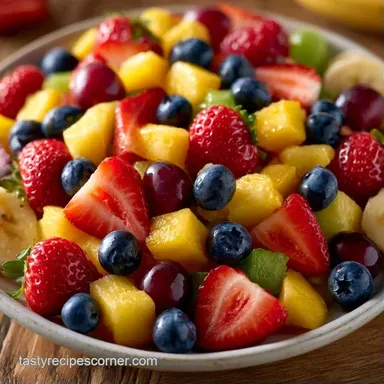
Toddler Fruit Salad in 10 Minutes
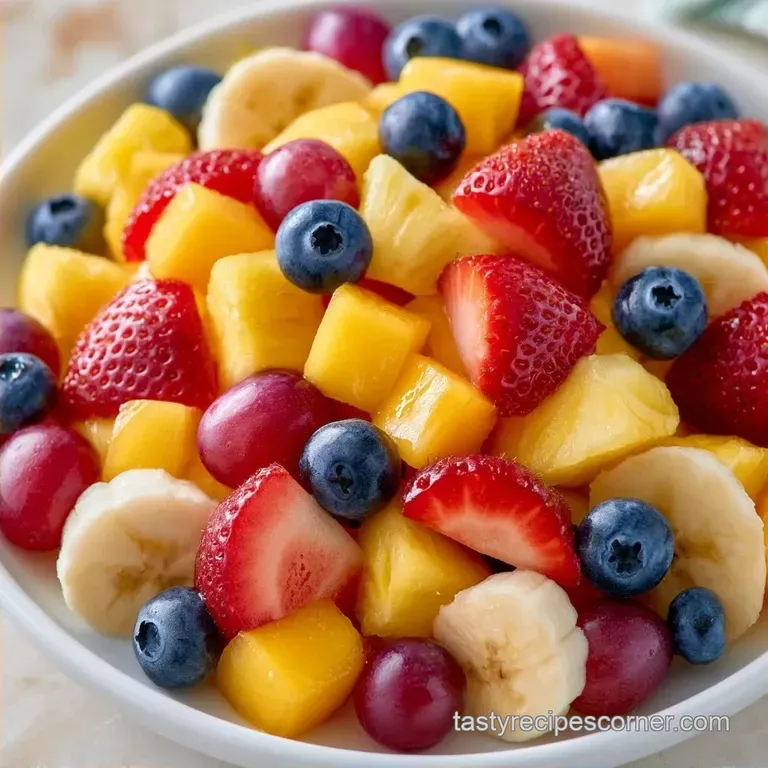
- Time: 10 min active
- Flavor/Texture Hook: Sweet, juicy, and Bite-Sized
- Perfect for: Weekday mornings, snack platters, or toddler meal prep
Toddler Fruit Salad
Ever wonder why a toddler will eat a strawberry one day but treat it like a piece of plastic the next? I've spent many mornings staring at a plate of sliced fruit, wondering why the banana is a hit but the mango is a "no go" today. It usually comes down to the cut and the contrast.
If the pieces are too big or the texture is too slimy, it's heading straight for the floor.
That's where this Toddler Fruit Salad comes in. I stopped trying to serve just one fruit and started mixing colors and textures in a way that keeps them curious. By adding a tiny bit of citrus and maple, the fruit stays bright and tastes consistent.
You can expect a vibrant, rainbow colored bowl that actually stays fresh for a few hours. It's a quick way to get several servings of vitamins into their system before the morning chaos really kicks in.
Why This Mix Works
- Citrus Balance: The lime and orange juice act as a natural preservative. This keeps the bananas and apples from turning brown too quickly.
- Bite Sized Uniformity: Cutting everything to pea sized pieces makes it easier for little mouths to manage. It removes the struggle of chewing large chunks.
- Natural Glaze: A tiny bit of maple syrup binds the juices. This creates a glossy coat that makes the fruit look more appealing to picky eaters.
| Approach | Prep Time | Texture | Best For |
|---|---|---|---|
| Fresh Cut | 10 mins | Crisp and juicy | Daily breakfast or snacks |
| Pre Cut Mix | 2 mins | Softer, more syrup | Emergency morning rush |
| Frozen Thaw | 15 mins | Mushy and sweet | Purees or smoothies |
The Fruit Specs
What Each Ingredient Does
| Ingredient | What It Does | Best Swap |
|---|---|---|
| Lime Juice | Stops oxidation (browning) | Lemon juice |
| Maple Syrup | Adds a hint of sweetness | Honey (1+ year olds only) |
| Mango | Provides a creamy, rich texture | Papaya or peach |
| Banana | Adds bulk and softness | Pear or avocado |
The Selection
- 1 cup (150g) fresh strawberries, hulled and quartered Why this? Tartness balances the sweeter mango.
- 1 cup (150g) fresh blueberries, halved lengthwise Why this? Halving them prevents choking hazards.
- 1 cup (160g) ripe mango, peeled and diced into 1/4 inch cubes Why this? Adds a buttery consistency.
- 1 cup (140g) fresh pineapple, finely diced Why this? High acidity keeps the mix bright.
- 1 large (120g) banana, sliced into thin coins Why this? Familiar flavor for most kids.
- 1 cup (150g) green grapes, quartered lengthwise Why this? Provides a satisfying "pop" and crunch.
- 2 tbsp (30ml) fresh orange juice Why this? Acts as the liquid base for the glaze.
- 1 tsp (5ml) fresh lime juice Why this? Essential for preventing the banana from browning.
- 1 tsp (5ml) maple syrup Why this? Adds a subtle, natural sweetness.
Tools For The Job
You don't need a professional kitchen to make this, but two things make it way easier. First, a sharp paring knife is non negotiable. You need clean cuts for the grapes and blueberries to ensure they aren't slippery.
Second, use a non reactive bowl. Glass or stainless steel works best. Plastic bowls can sometimes hold smells or stains from the citrus, and they don't keep the fruit as cold.
Putting It Together
1. The Safety Prep
Carefully slice all fruits. Quarter the grapes and halve the blueberries lengthwise to eliminate choking hazards. Dice the mango and pineapple into consistent, pea sized pieces to ensure they are easy for a toddler to manage. This step is the most time consuming, but it's where the safety happens.
2. The Color Assembly
Place the prepared fruits into your bowl. Gently fold the fruit from the bottom up. Be careful with the bananas and strawberries, as they bruise easily if you stir too aggressively. You want a mix of colors, not a mushy mash.
3. The Freshness Glaze
Whisk the orange juice, lime juice, and maple syrup in a small ramekin. Drizzle the mixture over the fruit and toss gently until everything is glistening. The fruit should look wet and shiny, not swimming in liquid.
Chef's Note: If your mango is extra ripe, skip the maple syrup entirely. The natural sugars in the mango are usually enough to satisfy a toddler's sweet tooth.
Fixing Common Issues
Why Your Fruit Gets Mushy
This usually happens if you over mix the salad or use overripe bananas. The softer fruits break down and release their water, which turns the whole bowl into a soup. To avoid this, fold the bananas in last.
The Browning Effect
Even with lime juice, some fruits brown faster than others. This is a natural process called oxidation. According to USDA FoodData, the ascorbic acid in citrus helps slow this down, but it won't stop it forever. If you're prepping for a party, add the glaze right before serving.
The "Too Tart" Reaction
Some toddlers are sensitive to the tang of pineapple or lime. If your child makes a "sour face," you can balance the flavor by adding a few more banana coins or a tiny pinch of cinnamon.
| Problem | Root Cause | Solution |
|---|---|---|
| Fruit is too watery | Over mixing or overripe fruit | Fold gently and use firm fruit |
| Banana turned brown | Not enough citrus juice | Increase lime juice by 1/2 tsp |
| Grapes are too slippery | Large cuts | Cut grapes into quarters lengthwise |
Swaps And Variations
If you don't have mango or pineapple on hand, don't worry. This Toddler Fruit Salad is flexible. You can swap the mango for diced peaches or the pineapple for diced pears. Just keep the balance of one "creamy" fruit and one "tart" fruit.
For a different twist, try adding a dollop of Greek yogurt on the side. This adds protein and makes the meal more filling. If you're looking for more ideas for the week, this pairs well with an Easy toddler lunch box setup.
2 Dietary Swaps
- Nut Free/dairy-free: This recipe is already both, making it great for daycare.
- Lower Sugar: Replace the maple syrup with a splash of extra orange juice.
2 Flavor Boosts
- Minty Fresh: Add a tiny bit of finely minced fresh mint for a gourmet touch.
- Creamy Twist: Toss in a few cubes of mild avocado for healthy fats.
Scaling The Batch
Making a Small Portion
If you're just making this for one child, halve the ingredients. Use a small 1 liter bowl to keep the fruit from spreading too much. Reduce the lime juice to 1/2 tsp and the maple syrup to 1/4 tsp.
Scaling for a Party
When doubling or tripling for a birthday party, don't multiply the lime juice and maple syrup linearly. Increase the glaze by 1.5x instead of 2x. Too much citrus can make the fruit taste "cooked" or overly sour. Work in batches so you don't crush the fruit at the bottom of a giant bowl.
Fruit Myths
Myth: Frozen fruit is less nutritious. The truth is that frozen fruit is often picked at peak ripeness and flash frozen, which locks in nutrients. However, for a Toddler Fruit Salad, frozen fruit often becomes too mushy once thawed. Stick to fresh for the texture.
Myth: You should peel blueberries. Blueberries have a skin that is perfectly safe and full of antioxidants. There is no need to peel them, just halve them for safety.
Storage And Waste
Store the salad in an airtight glass container in the fridge for up to 2 days. Note that bananas will still soften over time, so you might want to add fresh banana coins right before serving.
If you have leftover fruit that's getting too soft for a salad, don't toss it. Toss those berries and mangoes into a blender for a quick smoothie. For the pineapple and mango peels, you can use them to make a simple fruit infused water or put them in your compost bin. If you're packing this for a trip, consider a Fruit and Cheese Bento Box to keep the portions separate and fresh.
Serving Your Salad
Visual Psychology
Kids eat with their eyes first. Arrange the fruit in a rainbow pattern in a clear bowl. Use the red strawberries, orange mango, yellow pineapple, and green grapes to create a visual lure.
Texture Graded Sizing
Ensure everything is a similar size. When a toddler finds one piece that's much larger than the rest, they often stop eating the whole dish. Keeping everything around 1/4 inch ensures a consistent mouthfeel.
2 Creative Serving Ideas
- Fruit Kebabs: Slide the pieces onto blunt straws or toddler safe picks.
- Scoopable Bowls: Serve the salad inside a hollowed out pineapple half for a fun look.
Recipe FAQs
How to make a kids fruit salad?
Slice fruits into toddler safe sizes, specifically quartering grapes and halving blueberries lengthwise. Fold the fruit gently in a bowl and toss with a whisked mixture of orange juice, lime juice, and maple syrup.
What fruit is good for 2 year olds?
Soft, bite sized fruits like mango, banana, and strawberries. These are easy to chew, provided high risk items like grapes are quartered lengthwise and blueberries are halved to prevent choking.
Is it true that slicing grapes in half is safe for toddlers?
No, this is a common misconception. Grapes must be quartered lengthwise to fully eliminate the choking hazard for young children.
How to store the fruit salad to keep it fresh?
Place the mixture in an airtight glass container and refrigerate for up to 2 days. For the best texture, add fresh banana coins immediately before serving.
What fruits should not be mixed in a fruit salad?
Avoid mixing very soft fruits with high acid juices if you aren't serving it immediately. While lime and orange juice preserve color, adding bananas too early can cause them to become overly mushy.
What is the easiest lunch box recipe for kids?
A fresh fruit salad paired with a protein. This serves as a great side for a daycare bento to create a balanced, time saving meal.
Can I make this without maple syrup?
Yes, the salad is still sweet enough. The natural sugars in the ripe mango and banana provide plenty of flavor for toddlers without the need for added syrup.
Toddler Fruit Salad