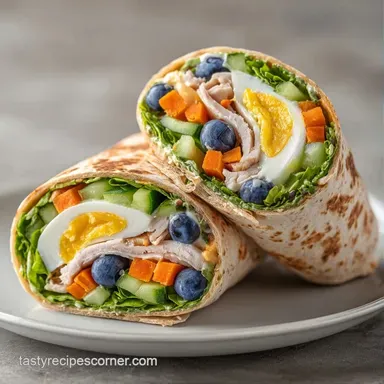
Easy Toddler Lunch Box: Nutritious and Simple
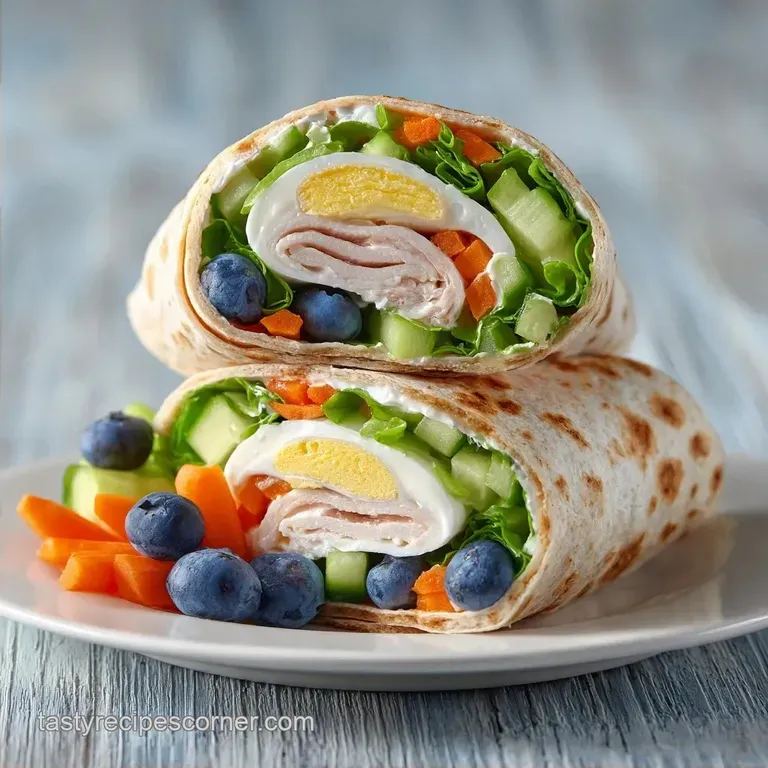
- Time:15 minutes active + 0 minutes cooking
- Flavor/Texture Hook: Crunchy cucumbers paired with velvety hummus
- Perfect for: Picky eaters, daycare days, and busy mornings
- The Easy Toddler Lunch Box Guide
- The Reality of Toddler Lunches
- Quick Lunch Box Details
- The Logic Behind the Layout
- Ingredients and Smart Swaps
- Gear for Easy Packing
- Putting the Box Together
- Fixing Common Lunch Issues
- Troubleshooting Common Issues
- Tweaks for Picky Eaters
- Storage and Freshness Tips
- Great Side Pairing Ideas
- Recipe FAQs
- 📝 Recipe Card
The sight of a toddler staring at a lunch box and deciding that absolutely nothing in it is edible is a specific kind of heartbreak. I remember the "Beige Era" with my own kid, where if it wasn't a cracker or a piece of plain toast, it was considered a personal insult.
I spent way too many mornings meticulously arranging organic berries and steamed greens only to have the whole thing come back untouched, or worse, smeared across the table.
But then I stopped treating the lunch box like a gourmet platter and started treating it like a puzzle. I realized that the secret isn't the food itself, but how it's presented. When you move from "this is a healthy meal" to "this is a collection of finger foods," the resistance vanishes.
This Easy Toddler Lunch Box is designed to be a win for both of you. It balances proteins and fats to keep them full until dinner, but keeps the flavors simple and the textures distinct. No surprises, no mushy overlaps, just a reliable set of snacks that actually get eaten.
The Easy Toddler Lunch Box Guide
The biggest hurdle isn't the cooking, it's the psychology. Toddlers crave autonomy and predictability. If a blueberry touches a cracker and makes it soggy, the entire meal is ruined in their eyes. That is why we use a bento style approach.
By keeping ingredients separate, you're giving them a sense of control over what they eat and in what order.
I've found that "challenge foods" work best when they're surrounded by "safe foods." A safe food is something they've eaten a hundred times and love, like the whole grain crackers. A challenge food is something new, like quinoa or steamed carrots.
When the safe food is the anchor, they're more likely to venture out and taste the new stuff.
Right then, let's get into the specifics. This isn't about fancy plating, it's about efficiency. You want a meal that you can throw together in 15 minutes without feeling like you've just finished a marathon.
We're focusing on a mix of textures crunchy, soft, and creamy to keep their sensory interests engaged.
The Reality of Toddler Lunches
Most advice tells you to "just keep offering" the food. While true, that doesn't help you at 7:00 AM when you're running late. The real secret is the "pinky nail rule." Everything in the box should be roughly the size of a toddler's pinky nail. If it's too big, it's overwhelming.
If it's too small, it's a choking hazard. Finding that middle ground is where the magic happens.
Another thing nobody mentions is the "food fatigue" that hits around Wednesday. If they have the same turkey and cucumber every day, they'll start rejecting it. The key is to swap one "safe" item for another similar one. Swap crackers for pretzels or blueberries for raspberries.
It's a small change for us, but for a toddler, it's a whole new experience.
Honestly, don't even bother with low-fat versions of these ingredients. Toddlers need the healthy fats for brain development. Full fat hummus and whole eggs are far better than the "diet" versions. Plus, the flavor is better, which means less chance of it ending up on the floor.
Quick Lunch Box Details
Before we dive into the prep, here is the breakdown of what we're doing. This is a cold prep meal, meaning no microwave is needed at daycare or school.
Precision Checkpoints:
- Turkey Weight: Exactly 2 oz (approx. 56g) to avoid overfilling.
- Prep Time:15 minutes total.
- Cut Size: All pieces should be roughly 1 cm in diameter.
| Method | Time | Texture | Best For |
|---|---|---|---|
| Stovetop | 15 mins | Fluffy & distinct | Fresh batch |
| Oven (Baked) | 40 mins | Denser/Chewier | Large meal prep |
The Logic Behind the Layout
I'm not a scientist, but I've noticed a pattern in what actually works for kids. It's all about the sensory experience.
- The Familiarity Bridge: Placing a loved food in the center makes the box feel "safe," lowering the barrier to trying new things.
- Moisture Barriers: Using separate compartments prevents the "soggy cracker syndrome," which is the number one reason kids reject lunch.
- Texture Variety: Mixing the snap of a cucumber with the creaminess of hummus keeps them from getting bored.
- Steamed Softness: Steaming carrots instead of serving them raw removes the "hard" snap that can be scary or dangerous for 2 year olds.
Ingredients and Smart Swaps
Here is exactly what you need for one serving. I've kept this budget friendly by using staples that you can buy in bulk.
- 2 oz deli turkey breast Why this? Lean protein that's easy to chew
- 1 hard boiled egg, peeled and halved Why this? Choline for brain growth
- 2 tbsp hummus Why this? Healthy fats and a great dip
- 1/2 cup seedless cucumber, diced into half moons Why this? High water content for hydration
- 1/4 cup blueberries Why this? Antioxidants and a pop of sweetness
- 4 baby carrots, steamed and sliced into coins Why this? Vitamin A, softened for safety
- 6 whole grain crackers Why this? Complex carbs for steady energy
- 2 tbsp cooked quinoa Why this? Complete protein and a new texture
Substitution Guide
| Original Ingredient | Substitute | Why It Works |
|---|---|---|
| Deli Turkey | Roast Chicken | Similar lean protein. Note: Slightly firmer texture |
| Hummus | Mashed Avocado | Same creamy consistency. Note: May brown if not lemon juiced |
| Quinoa | Brown Rice | Similar grain profile. Note: Slightly more chewy |
| Blueberries | Raspberries | Same sweetness/size. Note: More fragile, may crush |
Gear for Easy Packing
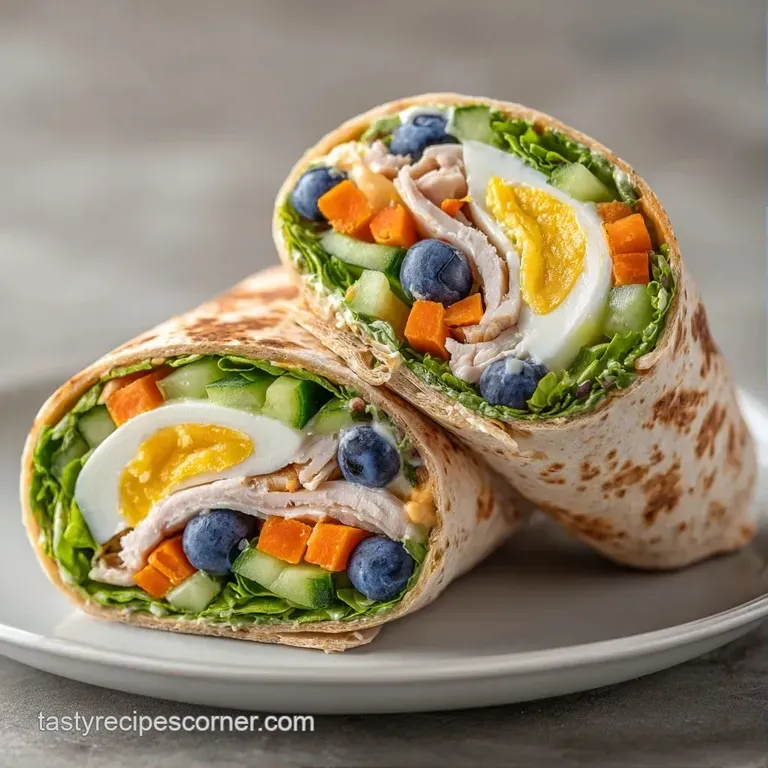
You don't need a fancy setup, but a few tools make the 15 minute window possible. I use a standard bento box with leak proof seals. If you don't have one, small silicone cupcake liners in a plastic container work just as well.
A sharp paring knife is essential for those tiny "pinky nail" cuts. I also recommend a small steamer basket for the carrots. If you're really pressed for time, a microwave safe bowl with a splash of water and a cover works for steaming in about 2 minutes.
Chef's Note: If you struggle with peeling hard boiled eggs, try peeling them under a stream of cool water. The water helps the shell slide right off without gouging the egg white.
Putting the Box Together
Follow these steps to get the box packed without the chaos.
- Slice the deli turkey into small squares. Note: Avoid long strips which can be harder to chew
- Dice the cucumber into half moon shapes. Cut until they are about 1 cm thick.
- Steam the baby carrots for 3-5 minutes until they are tender when pierced with a fork, then slice into coins.
- Halve the hard boiled egg.
- Place the whole grain crackers in the center compartment. Note: This is the "safe food" anchor
- Arrange the turkey, egg, cucumber, and carrots in the surrounding sections.
- Add the blueberries and quinoa into the remaining gaps.
- Spoon the hummus into the smallest compartment. Ensure it is smoothed down to prevent leaks.
Fixing Common Lunch Issues
Even with a plan, things happen. Maybe the blueberries leak or the quinoa looks "weird" to your child.
Troubleshooting Common Issues
| Issue | Solution |
|---|---|
| Why Your Crackers Get Soggy | This usually happens when the box is shaken or the hummus compartment isn't sealed. If you don't have a bento box, put the crackers in a separate small baggie. |
| Why The Fruit Browns | Apples or pears will brown quickly. Blueberries are safer, but if you use other fruits, a quick dip in lemon water keeps them bright. |
| Why The Quinoa Is Rejected | Quinoa can be "grainy" for some. Try mixing it directly into the hummus to hide the texture. Troubleshooting Guide |
Common Mistakes Checklist
- ✓ Slicing carrots too thick (ensure they are soft coins)
- ✓ Overcrowding the box (leaves no room for fingers to grab)
- ✓ Forgetting to peel the egg fully
- ✓ Using high sodium deli meats (look for low sodium options)
Tweaks for Picky Eaters
If your toddler is in a "no green things" phase, don't fight it. Just adapt. For the cucumber, you can peel the skin off to make it a uniform light color. For those with Indian palates, you can swap the hummus for a mild coconut chutney or add a pinch of turmeric to the quinoa for a familiar golden color.
If you have a child who hates "mixed" textures, keep the quinoa in its own tiny section. If they love dipping, double the hummus. For a different protein option, you could use a Chicken Salad recipe but make sure it's chopped very finely.
For nut free schools, this recipe is already safe, but always check the label on your crackers. If you want to make your own dip from scratch to control the ingredients, my hummus recipe is a great way to keep it clean and budget friendly.
Decision Shortcut
- If they hate "mushy" → Swap quinoa for extra crackers.
- If they love "dipping" → Add extra cucumber and carrot coins.
- If they are "ultra picky" → Replace the "challenge" food (quinoa) with a second "safe" food (cheese cubes).
Storage and Freshness Tips
You can prep most of this the night before to save your sanity in the morning. Store the sliced cucumbers and carrots in airtight containers with a damp paper towel to keep them crisp. The hard boiled eggs stay fresh in their shells for up to a week in the fridge, so peel them the morning of for the best texture.
Storage Guidelines:
- Fridge: The assembled box lasts 2 days.
- Freezer: Do not freeze the fresh produce. You can freeze cooked quinoa in portions for up to 3 months.
- Reheating: This is designed as a cold meal. If you must warm the quinoa, do it for 10 seconds in the microwave.
Zero Waste Tips: Don't throw away the cucumber ends or carrot tops. I throw my cucumber scraps into a freezer bag for homemade vegetable stock. If you have leftover deli turkey, chop it up into a quick morning omelet for yourself.
Great Side Pairing Ideas
While this box is a complete meal, sometimes you need a little extra to fill the gaps. A small side of Greek yogurt with a drizzle of honey is a great way to add calcium. If you're looking for something more substantial for a weekend treat, these pairings work well.
For those who want a different style of lunch, you could try adding some fruit based energy bites or a small piece of mild cheddar cheese. If you're feeling adventurous, a few slices of avocado (with lime juice to stop browning) add a wonderful buttery texture that toddlers usually love.
Just keep the portions small to avoid overwhelming them.
Recipe FAQs
How to assemble this toddler bento box?
Slice turkey, cucumbers, and steamed carrots into bite sized pieces approximately the size of a pinky nail. Place the most familiar item in the center compartment, surround it with challenge foods, and spoon the hummus into the smallest compartment.
Is this a safe no-heat lunch option?
Yes, this is designed as a cold meal. All ingredients, including the hard boiled egg and steamed carrots, are safe and palatable without reheating.
Is it true that toddlers cannot handle quinoa in their lunch?
No, this is a common misconception. Quinoa is a nutritious addition, though some toddlers find the texture grainy; mixing it directly into the hummus helps hide the texture.
How to prevent crackers from getting soggy?
Use a sealed bento compartment to isolate the hummus from the crackers. If your container isn't leak proof, place the crackers in a separate small baggie.
Is this lunch combination suitable for a two-year old?
Yes, it is ideal for a two-year old. The uniform, small slices ensure the food is easy to chew and reduces choking risks.
How to keep the sliced vegetables fresh?
Store sliced cucumbers and carrots in airtight containers with a damp paper towel. If you enjoyed mastering the sensory dip approach here, see how we use a similar creamy base in our cookie dough dip.
Can I prepare this lunch box the night before?
Yes, most components can be prepped in advance. The assembled box stays fresh in the fridge for two days, but you should peel the hard boiled egg the morning of for the best texture.
Easy Toddler Lunch Box