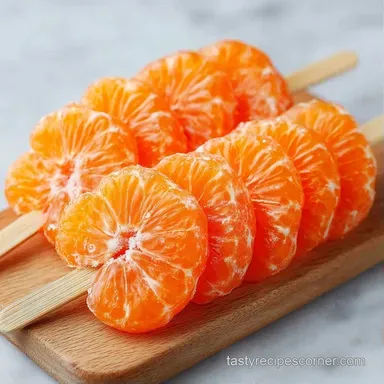
Mandarin Fruit Skewers: Crystal-Clear and Crispy
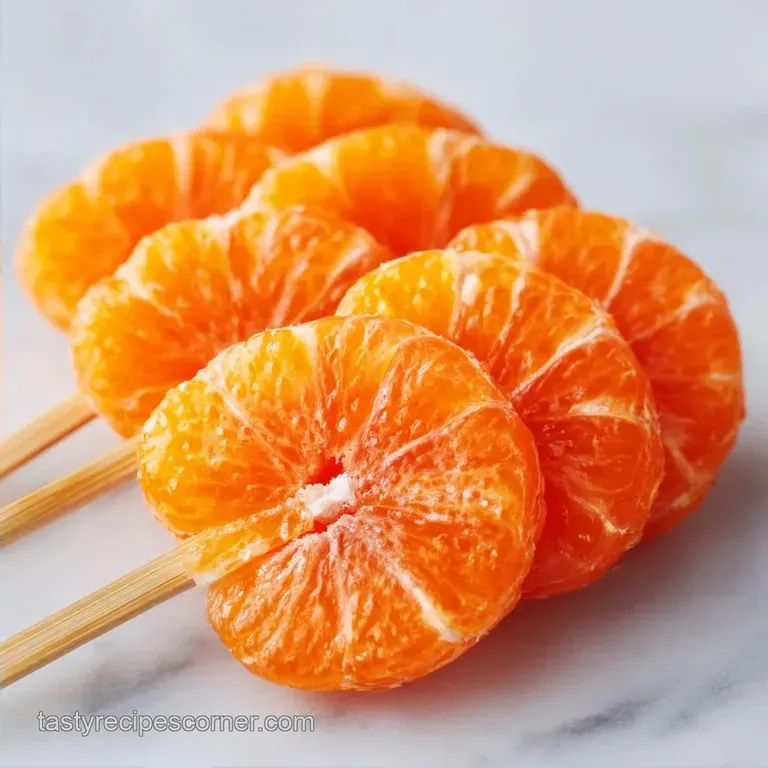
- Time: 10 min active + 10 min cook
- Flavor/Texture Hook: Glassy, shatter crisp shell with a burst of citrus
- Perfect for: Elegant party platters or a visually stunning dessert
That distinct crack is the sound of success. I remember the first time I tried these at a small get together; I was so focused on the look that I forgot the most basic rule of candy: moisture is the enemy.
My first batch looked great, but within ten minutes, the syrup turned into a sticky, weeping mess that clung to everything. It was a disaster, but it taught me that the secret isn't in the sugar, it's in the prep.
The star here is the seedless mandarin. I chose it specifically because it has a natural sweetness that doesn't fight the sugar coating, and the segments are the ideal size for a handheld treat. If you use a standard navel orange, the slices are too bulky and release too much juice, which ruins the shell. These Mandarin Fruit Skewers rely on that specific balance of acidity and size to get that high end look.
You can expect a dessert that looks like jewelry on a plate. We're aiming for a thin, transparent layer of sugar that doesn't overpower the fruit. It's all about that a ha moment when your guests realize the "glass" is actually edible. Let's get into how to get that shatter crisp finish every single time.
Secret Logic of the Crunch
Hard Crack Stage: Heating sugar to 300°F (149°C) removes almost all water, ensuring the syrup sets into a brittle solid rather than a chewy taffy.
Surface Tension: Patting the fruit bone dry prevents steam from forming under the sugar, which is what usually causes the coating to slide off.
Crystallization Block: The cream of tartar interferes with sugar crystals bonding, keeping the syrup clear and velvety instead of grainy.
Thermal Shock: Dipping cold fruit into hot syrup causes the sugar to set almost instantly, creating a thinner, more elegant shell.
| Method | Time | Texture | Best For |
|---|---|---|---|
| Stovetop | 10 mins | Brittle/Glassy | Precision and speed |
| Oven | 45 mins | Chewy/Glazed | Bulk batches/Soft bite |
Component Analysis
| Ingredient | Science Role | Pro Secret |
|---|---|---|
| Cane Sugar | Structure | Use organic for a cleaner, less "burnt" taste |
| Filtered Water | Solvent | Prevents mineral impurities from clouding the syrup |
| Cream of Tartar | Stabilizer | Just a pinch stops the syrup from recrystallizing |
The Building Blocks
For these treats, you only need a few items, but the quality of the mandarin is everything. I suggest using a small knife to clean the segments, as any leftover white pith can hold moisture and create air bubbles in your coating.
- 1 lb seedless mandarin oranges, peeled and segmented Why this? Small size and balanced sweetness (Substitute: Clementines)
- 1 cup organic granulated cane sugar Why this? Pure sucrose for a clear shell (Substitute: White table sugar)
- 1/2 cup filtered water Why this? Clean base for the syrup (Substitute: Distilled water)
- 1 pinch cream of tartar Why this? Prevents grainy texture (Substitute: 1/4 tsp lemon juice)
If you're looking for more ways to use these citrus gems, my Mandarin Orange Fruit Salad is a great way to use the remaining segments without the candy coating.
Essential Tools
You don't need a professional kitchen, but a candy thermometer is non negotiable. Guessing the temperature of sugar is a gamble you'll likely lose. Use a heavy bottomed saucepan to ensure the heat distributes evenly, which prevents hot spots that burn the sugar.
You'll also need bamboo skewers and a large sheet of parchment paper. Avoid wax paper, as the 300°F syrup will melt right through it. A small plate of paper towels is also essential for the drying phase.
Steps for Mandarin Fruit Skewers
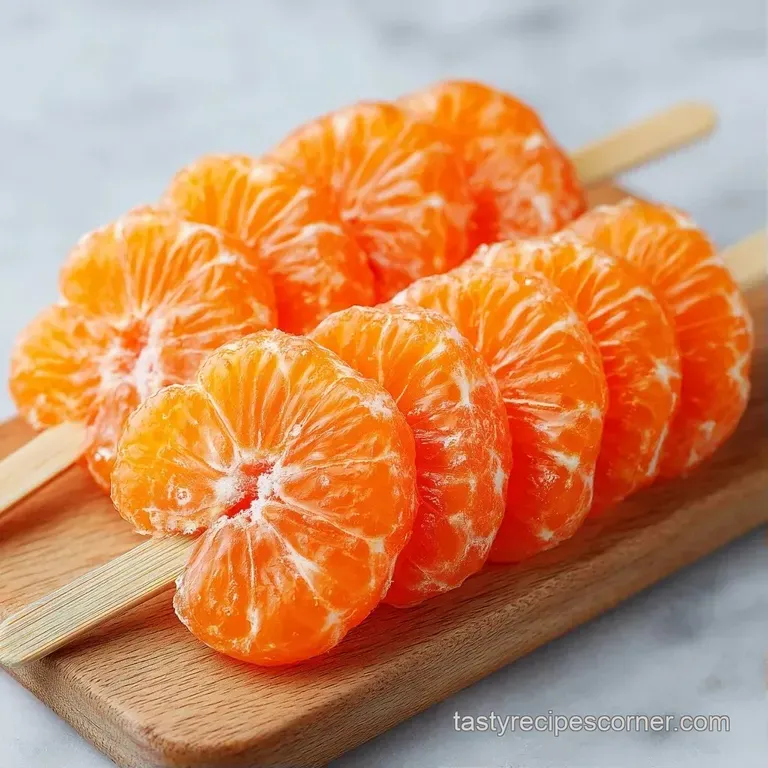
- Peel the mandarins and separate the segments. Note: Be gentle to keep the shape intact.
- Remove any thick white pith using a small knife until the segments are smooth.
- Pat each segment thoroughly with paper towels until the surface is bone dry.
- Skewer 3-4 segments per stick, ensuring they are snug.
- Combine the sugar and water in a heavy bottomed saucepan.
- Turn the heat to medium high and stir once. Note: Do not stir again once it boils.
- Heat the syrup until it reaches 300°F (149°C).
- Quickly tilt the pan to gather the syrup.
- Dip a skewer in a swift circular motion until a thin, even layer forms.
- Immediately place it on the parchment paper until the sugar hardens.
Chef's Tip: To get a truly professional look, dip the skewer and then give it one quick, sharp flick of the wrist to remove any excess drips. This prevents those unsightly "sugar puddles" at the bottom.
Troubleshooting Guide
| Issue | Solution |
|---|---|
| Sugar cloudy | This usually happens when the syrup is stirred too much during the boiling process. Stirring introduces air and encourages crystals to form on the side of the pot, which then fall back into the syrup. |
| Why is the coating sticky | Your syrup likely didn't hit the hard crack stage. If the temperature is even 5-10 degrees too low, the sugar remains in the "soft crack" phase, which attracts moisture from the air and becomes tacky. |
| Why did the sugar slide off | This is almost always due to moisture on the fruit. If the mandarins aren't bone dry, the heat of the syrup creates a layer of steam between the fruit and the sugar, pushing the coating away. |
Common Mistakes Checklist
- ✓ Did I remove all the white pith?
- ✓ Are the segments completely dry to the touch?
- ✓ Did I avoid stirring the syrup after it started boiling?
- ✓ Did the thermometer hit exactly 300°F?
- ✓ Is the parchment paper free of grease?
Adjusting the Batch Size
If you're making these for a small group, you can easily cut the recipe in half. Just use 1/2 cup sugar and 1/4 cup water. Be careful, though, as smaller amounts of syrup heat up much faster, so stay glued to that thermometer.
For a larger party, I recommend working in batches of 2x or 3x. If you try to make a massive pot of syrup, it takes too long to reach temperature and can become unstable. If you double the recipe, only increase the cream of tartar to two pinches, as too much can affect the flavor.
If you find yourself with extra fruit and want something more substantial, try these Honey Glazed Mandarin Oranges for a different take on the citrus profile.
Dispelling Sugar Myths
You might hear that you should add corn syrup to prevent crystallization. While it works, it changes the flavor and can make the shell slightly more pliable. A pinch of cream of tartar is a cleaner way to achieve the same result.
Some people believe that searing the fruit first helps the sugar stick. In reality, heating the fruit releases more juice, which is exactly what we want to avoid. Keep the fruit cold and dry.
Storage Guidelines
Store these in an airtight container in the fridge for up to 2 days. However, be warned that the humidity in the fridge can eventually soften the shell. To keep them crisp, put a piece of parchment paper between layers.
These cannot be frozen. The freezing process breaks down the cell walls of the fruit, and once thawed, they will release so much water that the sugar shell will dissolve instantly.
To reduce waste, don't toss the mandarin peels. You can zest them for baking or simmer the peels with water and cinnamon to create a natural stovetop potpourri that smells incredible.
Serving Suggestions
To really wow your guests, focus on the color balance. Since the mandarins are a bright, vivid orange, use a dark platter, like slate or dark wood, to make the colors pop.
- - Mint Leaves
- Add a sprig of fresh green mint between skewers for a fresh contrast.
- - Pomegranate Seeds
- Scatter a few ruby red seeds around the base for a jewel toned look.
- - Powdered Sugar
- A light dusting of snow white sugar right before serving adds a dreamy, elegant finish.
If you want something a bit more playful, try adding marshmallows to the skewers between the mandarin segments for some Easy mandarin fruit skewers with marshmallows. For a more mature vibe, a tiny pinch of flaky sea salt on top of the wet syrup adds a sophisticated contrast.
These simple fruit skewers for adults are always a hit at cocktail parties. For the kids, keep it classic and maybe add a strawberry or grape to create mini fruit skewers recipe styles that they'll love. Trust me, these healthy fruit snack recipes are the best way to get everyone excited about eating more citrus.
Recipe FAQs
Is it okay to make fruit skewers the night before?
No, make them the day of your event. The sugar shell absorbs humidity from the air, which causes it to soften or dissolve if left overnight.
What can I do with excess mandarin peels?
Zest them for baking or simmer the peels with water. This creates a natural stovetop potpourri that fragrances your home.
Do you need to soak skewers for fruit kebabs?
No, soaking is not required. Because these are not exposed to high oven or grill heat, the wooden skewers will not burn.
Why is my sugar coating sticky?
The syrup likely didn't reach 300°F. If the temperature is even 5-10 degrees too low, the sugar remains in the soft crack phase and attracts moisture.
Why did the sugar slide off the fruit?
There was likely moisture on the mandarin segments. You must pat each segment thoroughly with paper towels until bone dry to ensure the syrup adheres.
Can I freeze these fruit skewers?
No, freezing destroys the texture. The freezing process breaks down the fruit's cell walls, releasing water that dissolves the sugar shell upon thawing.
Why is my sugar syrup cloudy?
You likely stirred the syrup after it began to boil. Stirring introduces air and encourages crystals to form on the pot sides, which then fall back into the mixture.
Mandarin Fruit Skewers