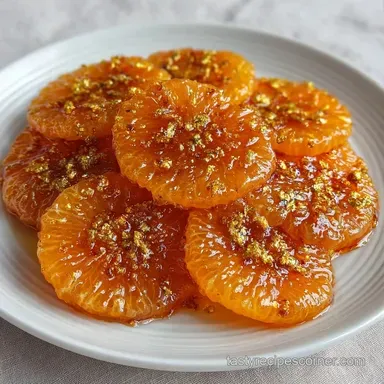
Honey Glazed Mandarin Oranges: Velvety and Tangy
- Time: 10 min active + 15 min cooking
- Flavor/Texture Hook: Tangy citrus with a sticky, velvety glaze
- Perfect for: Elegant brunch side or a light winter dessert
The first time I tried this, I had a bag of mandarins that were just starting to lose their luster and a jar of local honey. I remember the exact moment the butter started foaming in the skillet and I stirred in the honey, watching it turn into this thick, bubbling gold.
I wasn't looking for a complex project, just something that tasted like a cozy afternoon.
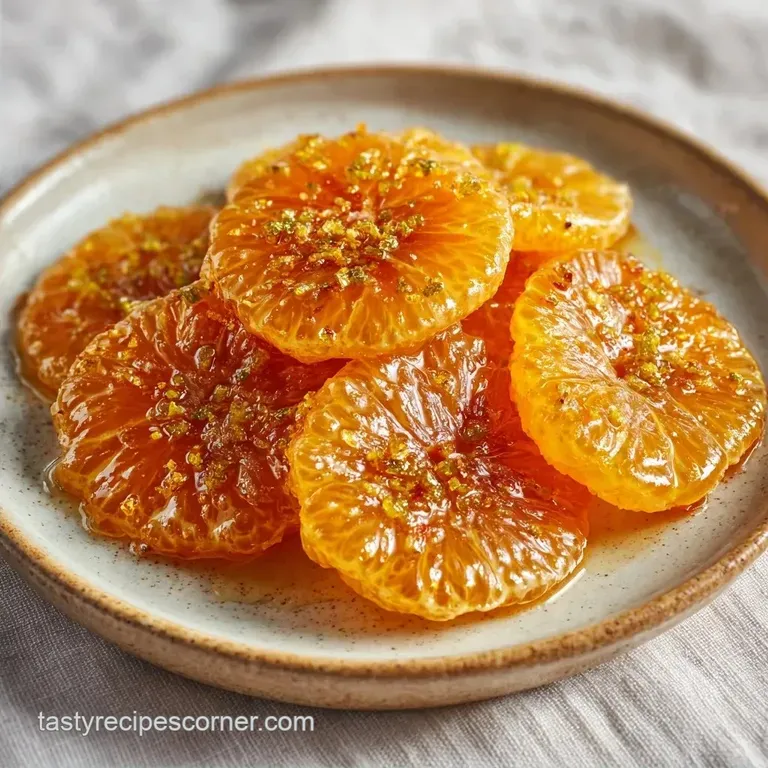
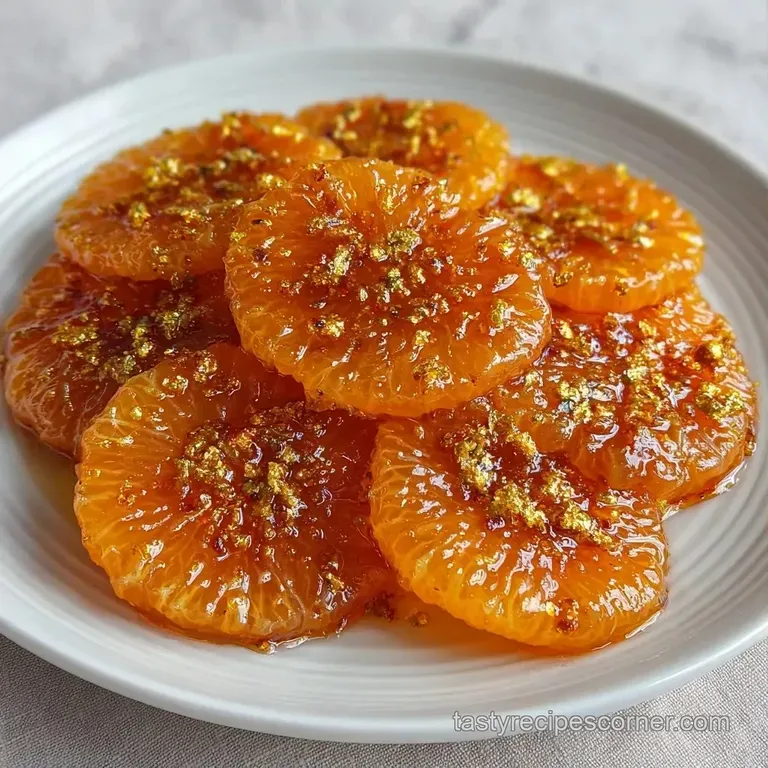
When those orange slices finally hit the pan, the sound was a sharp, satisfying hiss. As they seared, the edges didn't just brown, they turned this deep, rich mahogany color that looked like something from a high end bistro.
The smell filled the entire kitchen, a mix of toasted butter and bright citrus that actually woke up everyone in the house.
You can expect a dish that balances the natural acidity of the fruit with a concentrated, honey sweet finish. These Honey Glazed Mandarin Oranges aren't mushy or boiled, but rather seared for a concentrated flavor. It's a simple process, but the results feel polished and intentional, making it a go to when I want to impress without spending hours at the stove.
The Secret To This Texture
The magic here isn't in a complicated technique, but in how we handle the sugar and the moisture. Since mandarins have a high water content, the goal is to evaporate that liquid quickly so the honey can actually cling to the fruit.
- Sugar Concentration
- The honey and butter simmer first, creating a concentrated syrup that coats the fruit instantly.
- Surface Searing
- High heat creates a crust on the edges of the slices, preventing them from collapsing into a jam.
- Acid Balance
- The fresh mandarin juice cuts through the heavy sweetness of the honey, keeping the flavor bright.
- Fat Integration
- Butter prevents the honey from crystallizing or burning too quickly during the sear.
| Method | Time | Texture | Best For |
|---|---|---|---|
| Fresh Searing | 25 mins | Velvety & Firm | Elegant Plating |
| Poaching | 45 mins | Soft & Syrupy | Canned style treats |
| Roasted | 20 mins | Concentrated | Large Batches |
Right then, let's look at what each part of the recipe is actually doing for the final result. I've found that using fresh zest makes a massive difference in the aroma.
Component Analysis
| Ingredient | Science Role | Pro Secret |
|---|---|---|
| Honey | Glaze Base | Use a wildflower honey for deeper floral notes |
| Unsalted Butter | Emulsifier | Brown it slightly for a nutty undertone |
| Mandarin Zest | Aroma Boost | Zest the fruit before peeling for maximum oil |
| Sea Salt | Flavor Contrast | Use a pinch of flaky salt at the end |
Essential Shopping List
You don't need much here, but the quality of the honey really steers the ship. I prefer a clear, mild honey so the citrus flavor stays front and center.
- 1 lb fresh mandarin oranges, peeled and sliced into 1/4 inch rounds Why this? Uniform thickness ensures even searing
- 1 tbsp fresh mandarin zest Why this? Contains essential oils for a bright scent
- 1/3 cup honey Why this? Provides the sticky, velvety texture
- 2 tbsp unsalted butter Why this? Adds richness and prevents sticking
- 1 tbsp fresh mandarin juice Why this? Balances the sweetness with acidity
- 1/8 tsp fine sea salt Why this? Sharpens the citrus and honey flavors
Ingredient Swaps
| Original Ingredient | Substitute | Why It Works |
|---|---|---|
| Honey (1/3 cup) | Maple Syrup (1/3 cup) | Similar viscosity. Note: Adds a woody, autumnal flavor |
| Unsalted Butter | Coconut Oil (2 tbsp) | Same fat content. Note: Adds a slight tropical note, makes it vegan friendly |
| Mandarin Oranges | Clementines (1 lb) | Almost identical flavor profile. Note: Usually a bit smaller, so slice carefully |
Required Kitchen Gear
Keep it simple. You don't need a fancy setup, but the pan choice is everything. I always reach for a wide non stick skillet because it allows the oranges to lay flat without crowding. If you crowd the pan, they'll steam instead of sear, and you'll lose that mahogany crust.
A sharp chef's knife is non negotiable. You want those 1/4 inch rounds to be consistent. If some are paper thin and others are chunks, the thin ones will burn before the thick ones even get warm.
A simple paper towel is also essential for patting the fruit dry, which is the one step most people skip but the most important for a good sear.
The step by step Process
Let's crack on. The key here is the "hands off" approach during the searing phase. Trust the heat and don't poke the fruit.
- Slice peeled mandarins into uniform 1/4 inch rounds. Pat them dry with a paper towel to remove excess moisture. Note: Wet fruit will steam, not sear
- Melt unsalted butter in a large non stick skillet over medium heat until foaming.
- Stir in honey, mandarin juice, and salt. Simmer for 2-3 minutes until the mixture bubbles and thickens into a syrup.
- Increase heat to medium high. Carefully lay mandarin slices into the glaze in a single layer.
- Sear for 2-3 minutes per side without moving them until edges turn deep golden mahogany.
- Gently toss the fruit to coat in the remaining velvety glaze before serving.
Chef's Tip: To get a professional finish, freeze your butter for 10 minutes before melting it. This helps the emulsion with the honey stay stable longer in the pan. Also, try adding a tiny pinch of cinnamon to the honey if you're serving this in the winter.
Common Problem Fixes
The biggest hurdle with candied fruit is the balance between "cooked" and "mushy". If you notice your oranges are losing their shape, you're likely using too low of a heat or too much liquid. According to the guidelines on Serious Eats, controlling sugar temperature is the key to avoiding crystallization and ensuring a smooth glaze.
The Glaze is Too Runny
If the sauce isn't clinging to the fruit, you probably didn't simmer the honey and butter long enough before adding the oranges. The syrup needs to reach a state where the bubbles are larger and slower.
The Honey is Burning
If you smell something acrid or see black specks, your heat is too high. Honey has a lower burn point than granulated sugar, so keep an eye on the bubble size.
Fruit is Too Soft
This usually happens if the oranges are sliced too thin or if they are moved too much in the pan. Let them sit and develop that crust.
| Problem | Root Cause | Solution |
|---|---|---|
| Soggy Oranges | Too much moisture | Pat slices drier with paper towels |
| Bitter Taste | Honey scorched | Lower heat and add a splash of juice |
| Glaze Separating | Heat too high | Stir constantly during the simmer phase |
Checklist for Success:
- ✓ Slices are exactly 1/4 inch thick
- ✓ Paper towels used to dry every slice
- ✓ Butter is foaming before honey enters
- ✓ Fruit left untouched for 3 minutes per side
Fun Flavor Tweaks
If you're feeling adventurous, this recipe is a great base for other flavors. For a zesty "adult" version, stir in a teaspoon of Grand Marnier or Cointreau right at the end. The alcohol burns off, but the orange liqueur depth remains.
If you're planning a holiday spread, these pair beautifully with a slice of Christmas Cranberry Bread. The tartness of the berries balances the honey sweetness. You could also swap the honey for agave if you want a more neutral sweetness that lets the mandarin shine even more.
Decision Shortcut
- Want it tarter? Add 1 tsp of lemon juice to the simmer.
- Want it crunchier? Sprinkle a bit of granulated sugar on top before searing.
- Want it creamier? Serve over a bed of Greek yogurt or mascarpone.
Storage and Freshness
These are best served warm, but they do keep. Store them in an airtight glass container in the fridge for up to 3 days. The glaze will thicken as it cools, turning into a denser candy coating.
To reheat, I avoid the microwave because it can make the fruit rubbery. Instead, pop them back into a skillet over medium low heat for 2 minutes. Add a tiny knob of butter to loosen the glaze back into a velvety consistency.
For zero waste, don't toss those peels! I usually zest the skin and then simmer the peels with a bit of sugar and water to make a simple citrus syrup for cocktails or soda. You can also dry the peels in a low oven (200°F/90°C) for 2 hours to make homemade candied peel for baking.
Best Serving Suggestions
Plating is where you can really make this look like it came from a restaurant. Depending on the occasion, you can change the vibe completely. For a brunch vibe, serve these alongside some toasted Sourdough English Muffins with a smear of salted butter.
Plating Levels
| Level | Presentation | Key Tweak |
|---|---|---|
| Simple | Warm bowl | Drizzle of extra honey |
| Polished | White platter | Fresh mint leaves & powdered sugar |
| Restaurant | Stacked rings | Dollop of honey mascarpone & zest curls |
Precision Checkpoints to remember: 1. Slices must be exactly 1/4 inch. 2. Simmer honey/butter for 2-3 minutes. 3. Sear fruit for 2-3 minutes per side.
Recipe FAQs
Can you eat mandarins if you have diabetes?
Yes, but monitor portions. Mandarins contain natural sugars, so it is best to consume them in moderation as part of a balanced diet.
How do you make glazed oranges?
Slice peeled mandarins into 1/4 inch rounds and pat dry. Melt butter, simmer with honey, juice, and salt, then sear slices for 2-3 minutes per side. If you loved the sweet tart balance here, see how we use a similar acid technique in our cranberry sauce.
Is mandarin good for hypertension?
Yes, they are beneficial. The potassium and vitamin C found in citrus fruits help support overall heart health and manage blood pressure.
How do I get the oranges to sear without sticking?
Use a non-stick skillet and avoid moving the fruit. Let the slices sear undisturbed for 2-3 minutes per side until the edges turn a deep mahogany.
Can these be stored in the refrigerator?
Yes, for up to 3 days. Keep them in an airtight glass container, but keep in mind that the glaze will thicken into a denser candy coating as it cools.
How do I reheat glazed oranges without them becoming rubbery?
Warm them in a skillet over medium low heat for 10 minutes. Adding a small knob of butter helps loosen the glaze back into a velvety consistency.
Is it true that honey glaze must be boiled for an hour to thicken?
No, this is a common misconception. Simmering the honey, mandarin juice, and butter for just 2-3 minutes is enough to create a bubbling, thick glaze.
Honey Glazed Mandarin Oranges