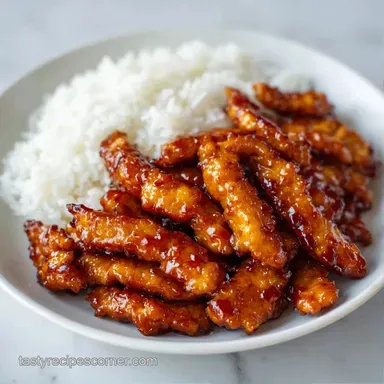
Bento Box: Ultimate and Customizable
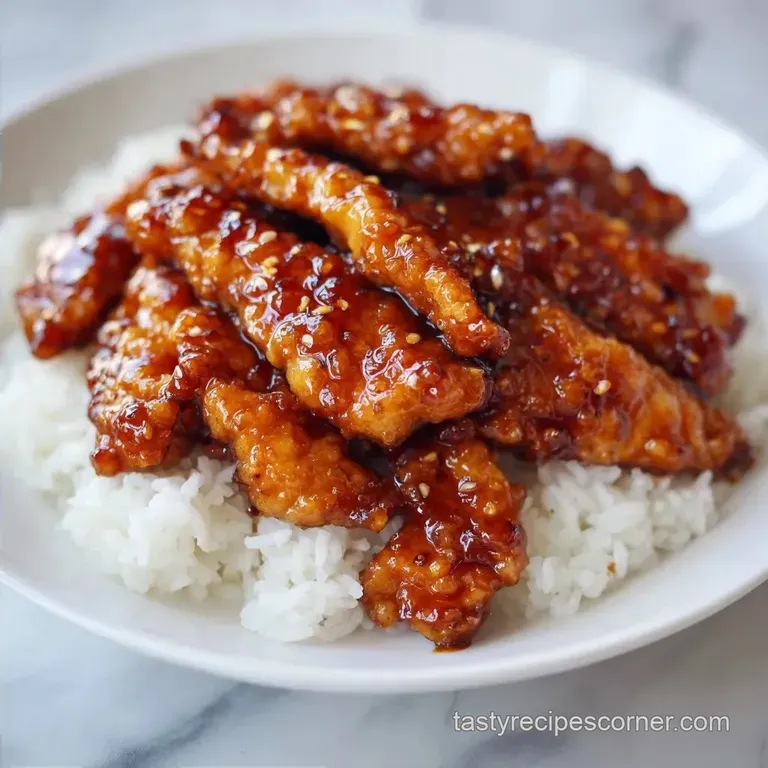
- Time:15 minutes active + 20 minutes cooking
- Flavor/Texture Hook: Glossy, mahogany glazed chicken with crisp, blanched snap peas
- Perfect for: Corporate wellness, meal prep, or a healthy school lunch
The scent of toasted sesame oil hitting warm rice is where it all starts. For me, it's a memory of a small Japanese deli where the owner packed boxes with a precision that looked like art. He didn't just put food in a container; he balanced colors, textures, and nutrients so nothing got soggy or bland.
That's the real heart of the Bento Box tradition. It started as a way to carry food during travel, but it evolved into a language of care. When you see a neatly arranged box, you're seeing a commitment to balance. It's not about being fancy; it's about making sure your energy stays stable throughout the day.
We're going to make a version that fits into a packed schedule. You'll get that same balance of protein, complex carbs, and fresh crunch without spending three hours in the kitchen. Trust me, once you get the "Tetris" part of the packing down, you'll never go back to a soggy sandwich.
The Secret to a Better Bento Box
The reason some lunches taste like cardboard by 12 PM is a lack of moisture control. When you mix wet items with dry items, the dry ones soak up the juice, leaving you with a mushy mess. We avoid this by using "barrier" ingredients.
Starch Stabilization: Seasoning the rice while warm creates a light oil coating. This prevents the grains from clumping into a solid brick and stops them from absorbing sauce from the chicken.
Thermal Layering: Placing the hot glazed chicken in its own compartment allows it to cool without steaming the fresh vegetables. This keeps the snap peas from losing their vivid green color.
Texture Contrast: Mixing soft rice, chewy chicken, and snap crisp carrots engages different senses. This makes a cold lunch feel more satisfying than a uniform texture.
Glucose Balance: Combining honey glazed protein with fiber rich broccoli and blueberries prevents the mid afternoon sugar crash. It's a steady release of energy rather than a spike.
| Approach | Prep Time | Texture | Best For |
|---|---|---|---|
| Fresh Glazed | 35 minutes | Glossy & Crisp | high-quality nutrition |
| Shortcut/Store | 10 minutes | Soft & Processed | Extreme time crunches |
| Meal Prep | 60 minutes | Consistent | Full week planning |
The choice between a fresh build and a shortcut usually comes down to how much you value the "snap" of your vegetables. While pre cut carrots are fine, slicing them yourself allows for a thinner julienne that picks up the sesame seeds better.
Logic Behind the Layout
Understanding what each ingredient does helps you swap things out without ruining the meal. A Bento Box is essentially a nutritional puzzle where every piece serves a specific purpose.
| Ingredient | Science Role | Pro Secret |
|---|---|---|
| Short grain Rice | Structural Base | Rinse until water runs clear to remove excess surface starch |
| Honey | Viscosity Agent | Add at the end to prevent burning while searing chicken |
| Soy Sauce | Umami Source | Use a low sodium version if you're adding extra sea salt to rice |
| Sesame Oil | Aroma Barrier | Fold into warm rice to lock in moisture |
When you're building your own, remember that the rice acts as the anchor. It takes up the most space and provides the bulk of your energy. If you use quinoa, you get more protein but a looser texture, which means you need to pack it even more firmly to keep the other ingredients from shifting.
Gathering Your Essentials
Here is everything you need for two boxes. I've included some swaps because I know not everyone has a pantry full of Japanese staples.
- 2 cups (370g) cooked short grain white rice or quinoa Why this? Sticky texture holds the box together
- 1 tsp (5ml) toasted sesame oil Why this? Adds a nutty, toasted aroma
- ½ tsp (3g) sea salt Why this? Basic flavor enhancer
- 12 oz (340g) chicken breast, thinly sliced into strips Why this? Lean protein that cooks fast
- 2 tbsp (30ml) soy sauce Why this? Provides salt and deep color
- 1 tbsp (15ml) honey Why this? Creates the glossy glaze
- 1 tsp (5ml) grated ginger Why this? Adds a zesty, fresh bite
- 1 tbsp (15ml) neutral oil (canola or grapeseed) Why this? High smoke point for searing
- 1 cup (150g) snap peas, blanched Why this? Bright color and crunch
- 1 medium (120g) carrot, julienned Why this? Natural sweetness
- ½ cup (75g) steamed broccoli florets Why this? Adds bulk and fiber
- 1 tbsp (15ml) toasted sesame seeds Why this? Visual finish and nuttiness
- 1 cup (150g) fresh blueberries Why this? Antioxidants and tartness
- 1 cup (140g) sliced strawberries Why this? Fresh sweetness
- ½ cup (75g) cubed mild cheddar or gouda cheese Why this? Creamy fat for satiety
| Original Ingredient | Substitute | Why It Works |
|---|---|---|
| Short grain Rice | Quinoa | Higher protein. Note: Less sticky, may shift more in the box |
| Honey | Maple Syrup | Similar viscosity. Note: Adds a woody, autumnal sweetness |
| Chicken Breast | Firm Tofu | High protein. Note: Press tofu first to ensure it sears and doesn't steam |
| Soy Sauce | Tamari | gluten-free. Note: Slightly richer, saltier taste |
If you're looking for more variety, you can check out some Daycare Bento Lunch ideas for smaller portions. The key is always keeping the wet and dry components separate.
Bringing It Together
Right then, let's get to the cooking. The flow here is important: we handle the base first, then the protein, and finish with the assembly.
- Rinse the cooked rice or quinoa. While still warm, fold in the toasted sesame oil and sea salt. Note: This creates a fragrant, non stick base.
- In a small bowl, whisk together soy sauce, honey, and grated ginger. Note: Mixing now prevents the honey from burning while you're searing the meat.
- Heat neutral oil in a skillet over medium high heat. Add chicken strips and cook until the edges are mahogany colored and charred, approximately 3-4 minutes per side.
- Pour the sauce into the skillet and toss the chicken. Cook for 2 minutes until the sauce reduces to a glossy, thick glaze that clings to the meat.
- Assemble the Bento Box: pack the seasoned rice firmly into the largest compartment. Note: Press it down with a spoon so it doesn't move.
- Layer the glazed chicken in the medium compartment. Note: Place the thickest pieces first.
- Tightly arrange the julienned carrots and blanched snap peas in the remaining sections. Note: Pack them vertically to prevent movement during transport.
- Nestle the fresh blueberries, sliced strawberries, and cheese cubes into the smallest remaining gaps.
- Sprinkle toasted sesame seeds over the meal for the finishing touch.
Chef's Tip: To get those vegetables truly vibrant, plunge your blanched snap peas into an ice bath for 30 seconds immediately after boiling. This stops the cooking process and locks in the neon green color.
Common Mistakes & Troubleshooting
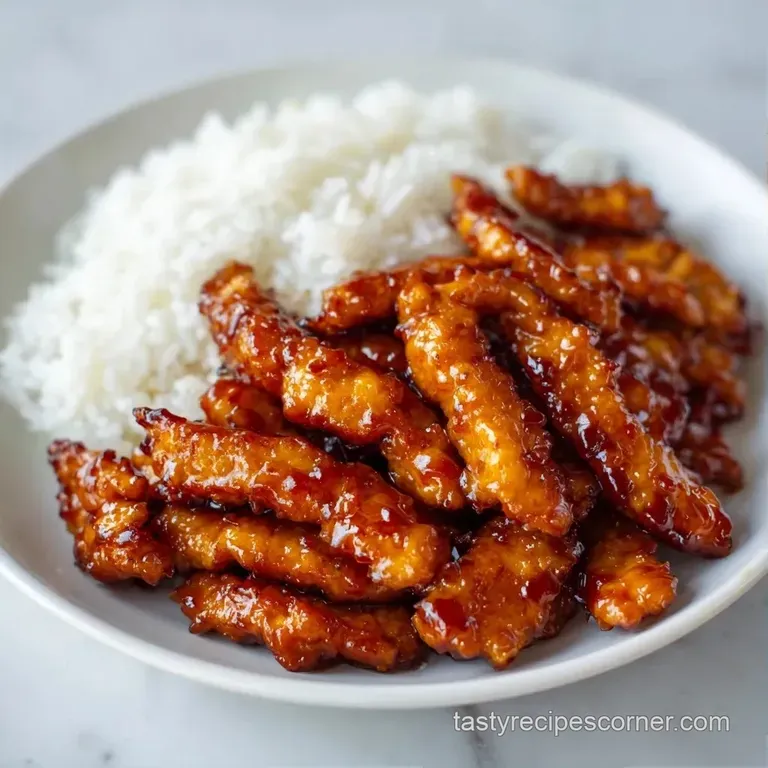
Most people struggle with the "leakage" factor. If your rice turns brown from the chicken sauce, you've likely packed it too loosely or added the sauce while it was too watery.
| Issue | Solution |
|---|---|
| Why Your Vegetables Get Soggy | This usually happens because you packed them while they were still steaming. Water vapor gets trapped in the closed box, turning your crisp carrots into limp noodles. |
| How to Stop Sauce Leaking | If your glaze is running, it hasn't reduced enough. The sauce should look like a thick syrup that coats the back of a spoon. |
| The Box Is Too Small | Don't force the food. If you jam everything in, you'll bruise the strawberries and crush the broccoli. If it doesn't fit, move the fruit and cheese to a separate small container. |
Common Mistakes Checklist
- ✓ Did you cool the rice before closing the lid? (Prevents condensation)
- ✓ Is the chicken glaze thick and glossy? (Prevents leaking)
- ✓ Are the vegetables packed vertically? (Prevents shifting)
- ✓ Did you use a neutral oil for searing? (Prevents burnt butter taste)
- ✓ Is there a "barrier" between the fruit and the savory items? (Prevents flavor bleed)
Adjusting Your Portions
When you're making this for a crowd or just for yourself, you can't always just multiply everything by two. Some things don't scale linearly.
Scaling Down (1 Box): If you're only making one, use a smaller skillet. Since there's less moisture in the pan, the glaze will reduce much faster. Cut your cooking time for the sauce by about 20% to avoid burning the honey. For the egg (if adding one), beat it in a cup and use half.
Scaling Up (4+ Boxes): Don't crowd the pan. If you put too much chicken in one skillet, the meat will steam in its own juices instead of searing. Work in batches to ensure you get that mahogany char. When increasing the soy and honey, only go to 1.5x the amount initially, then taste.
Salt concentrates as it reduces, so too much can make the dish overly salty.
For those looking for even more kid friendly options, these Preschool Bento Box ideas are great for adapting these portions.
| Target Audience | Protein Shift | Carb Adjustment | Veggie Focus |
|---|---|---|---|
| High Protein Adult | Double Chicken | Swap Rice for Quinoa | Double Broccoli |
| Kid Friendly | Cut strips into cubes | Use a mold for rice | Peel carrots fully |
| Low Carb | Remove Rice | Use Cauliflower Rice | Increase Snap Peas |
Clearing Up the Confusion
There are a few things people get wrong about the Bento Box approach. Let's set the record straight.
The "Fancy" Myth: You don't need expensive dividers or a specialized wooden box. A simple BPA free plastic container with compartments works just as well. The magic is in the balance of the food, not the price of the plastic.
The "Cold Food" Myth: Many think bento is just "cold leftovers." While it can be eaten cold, the design is meant to maintain food quality. By layering temperatures, you're preserving the integrity of the ingredients, which is very different from just eating yesterday's dinner.
The "Strict Rules" Myth: Some believe you must follow a rigid ratio of colors. While traditional Japanese bento emphasizes aesthetics, the primary goal is nutrition. If you love blueberries more than strawberries, use more blueberries. It's your lunch.
Storage Guidelines
The lifespan of a Bento Box depends entirely on how you handle the produce.
Fridge Life: Keep your assembled boxes in the fridge for up to 3 days. I recommend keeping the fresh fruit in a small separate container if you're prepping for Friday on Monday, as strawberries can get mushy.
Freezing Tips: You can freeze the glazed chicken and the rice. However, never freeze the snap peas, carrots, or fresh fruit. To reheat, microwave the rice and chicken for 90 seconds, then add the fresh, chilled vegetables and fruit back in. This keeps the crunch.
Zero Waste Hacks: Don't throw away the broccoli stems. Peel the tough outer skin, slice the core into thin matchsticks, and blanch them right along with the snap peas. They have a sweetness that rivals the carrots.
Also, if you have leftover honey soy glaze, it makes a great marinade for salmon or tofu the next day.
Perfect Complements
While the chicken and rice are the stars, adding a few side elements can make the meal feel complete. A small portion of pickled ginger or a few slices of cucumber can add a sharp acidity that cuts through the sweetness of the honey glaze.
According to USDA FoodData, incorporating a variety of colorful vegetables ensures you're getting a broad spectrum of micronutrients. This is why the "rainbow" approach to packing a Bento Box isn't just for looks it's for your health.
If you have a bit of extra time, try adding a hard boiled egg seasoned with a pinch of salt and pepper. It fits perfectly in the small gaps and adds another layer of creaminess. For more on the science of how different textures interact in a cold lunch, Serious Eats has some great deep dives on ingredient stability.
Ultimately, the best Bento Box is the one you actually enjoy eating. Whether you're using it for a corporate wellness goal or just to stop spending ten dollars on mediocre takeout, the process of assembling it is a small act of mindfulness in a busy day.
Just remember: pack it tight, keep it cool, and don't forget the sesame seeds.
Critical Sodium Level
1475 mg 1,475 mg of sodium per serving (64% 64% of daily value)
The American Heart Association recommends a daily sodium limit of no more than 2,300 mg, with an ideal limit of 1,500 mg for most adults to reduce cardiovascular risk.
Tips to Reduce Sodium
-
Swap Soy Sauce-30%
Replace regular soy sauce with low-sodium soy sauce or coconut aminos to significantly decrease the salt content while maintaining the savory umami flavor.
-
Eliminate Sea Salt-25%
Remove the sea salt entirely from the recipe; the soy sauce and cheese already provide ample seasoning for the rice and chicken.
-
Modify Cheese Portion-15%
Use a low-sodium variety of cheddar or gouda, or reduce the amount of cheese used to lower the overall sodium contribution.
-
Enhance with Aromatics
Double the amount of grated ginger or add fresh minced garlic to boost the flavor profile without adding any additional sodium.
Recipe FAQs
How to prepare this bento box quickly?
Whisk the soy, honey, and ginger sauce while searing chicken strips for 3-4 minutes per side. Pack the seasoned rice firmly and arrange the vegetables and fruit in the remaining gaps to finish.
Can I make this bento box without heating the ingredients?
No, the chicken requires cooking. You must sear the chicken breast in neutral oil over medium high heat to ensure food safety and achieve the required mahogany colored char.
How to stop the sauce from leaking into the rice?
Reduce the glaze until it is thick and glossy. A sauce that is too watery will bleed into the rice, so toss the chicken until the liquid clings tightly to the meat like a syrup.
Is it true that all bento ingredients can be frozen for meal prep?
No, this is a common misconception. Only the glazed chicken and rice should be frozen; freezing the snap peas, carrots, or fresh strawberries ruins their structural integrity and texture.
What is the best way to pack this for kids?
Use a compartmentalized box to keep flavors separate. Pack the rice firmly in the largest section and nestle blueberries, strawberries, and cheese cubes into the smallest gaps to prevent movement.
How to prevent the vegetables from getting soggy?
Cool the blanched snap peas and broccoli completely before packing. Packing them while steaming traps water vapor in the closed box, which turns crisp carrots into limp noodles.
Can I substitute the chicken with another protein?
Yes, tofu or shrimp work well with the soy-ginger glaze. If you are prioritizing high protein meal prep, you can apply similar nutrient dense planning to our Apple Crisp for a healthy dessert option.
Customizable Bento Box