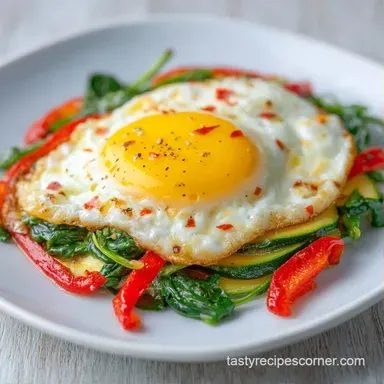
Veggie Scrambled Eggs: Soft and Colorful
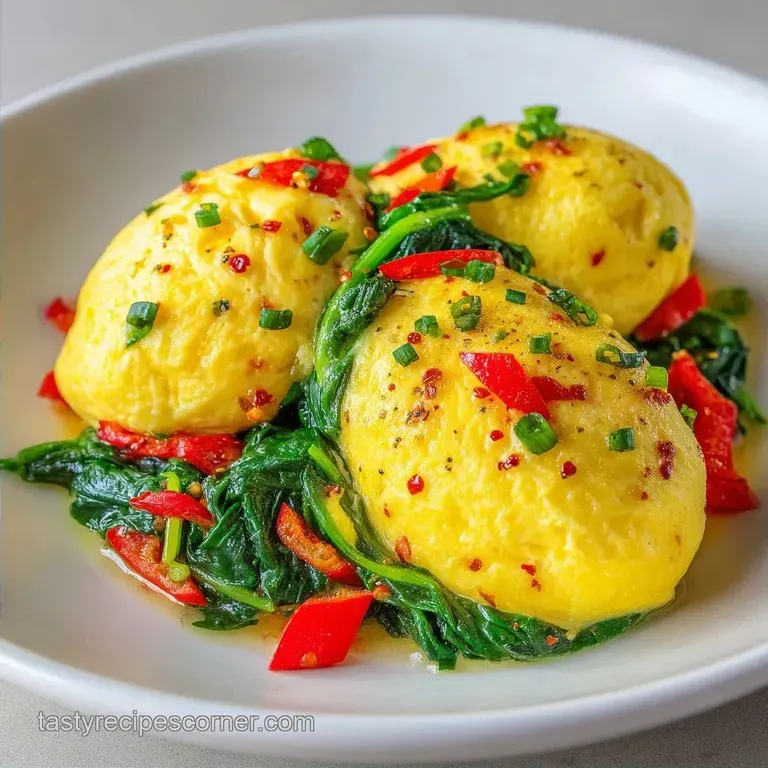
- Time: 5 min active + 10 min cooking
- Flavor/Texture Hook: Soft, silky curds with snappy, colorful vegetables
- Perfect for: Speedy weekday mornings or a bright weekend brunch
- Veggie Scrambled Eggs for Busy Mornings
- Getting the Texture Right
- Choosing the Right Ingredients
- Essential Kitchen Tools
- How to Cook It
- Fixing Common Egg Issues
- Troubleshooting Common Issues
- Fun Flavor Twists
- Adjusting the Portion Size
- Egg Cooking Beliefs
- Saving and Reheating
- Best Side Dishes
- Recipe FAQs
- 📝 Recipe Card
The sound of diced peppers hitting hot olive oil is the best way to wake up. For me, this dish is a throwback to the "everything but the kitchen sink" breakfasts my grandmother made.
In many cultures, like in Mexico with Huevos a la Mexicana, starting the day with a medley of fresh produce and eggs is a tradition that balances energy and nutrition.
I used to just toss everything in a pan at once, but that usually left me with a soggy mess. You can't just hope the vegetables cook through while the eggs are setting. If you do, the eggs overcook before the carrots or peppers even soften.
This Veggie Scrambled Eggs recipe fixes that by splitting the process. We handle the heat sensitive eggs separately from the hardy vegetables. It's a simple shift that makes a massive difference in the final texture.
Veggie Scrambled Eggs for Busy Mornings
Getting this right comes down to temperature control. If the pan is too hot, the eggs rubberize. If it's too cold, they stick and tear.
Milk Addition: Adding a splash of milk thins the egg proteins, which stops them from bonding too tightly. This keeps the curds tender.
The Sauté: Cooking the vegetables first removes their excess moisture. According to Serious Eats, controlling moisture is the only way to avoid "weeping" eggs.
| Method | Prep Time | Texture | Best For |
|---|---|---|---|
| Fast Sauté | 5 mins | Chunky & Bright | Weekdays |
| Classic Slow | 15 mins | Creamy & Unified | Slow Sundays |
Getting the Texture Right
The goal is a soft curd that doesn't feel like a sponge. By pushing the eggs from the edges to the center, you create layers of cooked egg that stay moist.
Heat Management: Switching to medium low before pouring the eggs prevents the bottoms from browning.
Cheese Timing: Adding cheddar at the very end ensures it melts without separating into oil.
| Ingredient | What It Does | Best Swap |
|---|---|---|
| Whole Milk | Tenderizes curds | Heavy cream for richness |
| Olive Oil | Conducts heat | Butter for nuttier flavor |
| Sharp Cheddar | Adds salt/fat | Feta for a tangy kick |
Choosing the Right Ingredients
Keep your dice consistent. If the onion is huge and the zucchini is tiny, the onion will be raw while the zucchini turns to mush.
- 1 tbsp olive oil
- 1/2 cup yellow onion, finely diced
- 1/2 cup red bell pepper, diced
- 1/2 cup zucchini, diced Why this? Adds mild sweetness and great color
- 1 cup fresh baby spinach, roughly chopped
- 8 large eggs Why this? Standard size for consistent cooking times
- 2 tbsp whole milk Why this? Keeps the proteins relaxed
- 1/4 tsp salt
- 1/4 tsp cracked black pepper
- 1/2 cup shredded sharp cheddar cheese
- 1 tbsp fresh parsley, chopped
Essential Kitchen Tools
You don't need a professional setup, but a few things make this much easier.
A 12 inch non stick skillet is non negotiable here. You need enough surface area so the eggs don't pile up too deep, which leads to uneven cooking. Use a silicone spatula because it can scrape the edges without scratching your pan. A medium mixing bowl and a whisk will handle the egg base.
How to Cook It
Right then, let's crack on with the cooking. Follow these steps to keep the colors bright and the eggs soft.
- Whisk together the eggs, milk, salt, and pepper in a bowl until the mixture is a uniform pale yellow.
- Heat the olive oil in a 12 inch non stick skillet over medium heat. Add the diced onion, bell pepper, and zucchini.
- Sauté for 4–5 minutes, stirring occasionally, until the onions are translucent and the peppers have softened.
- Stir in the chopped spinach and cook for 30 seconds until it just wilts.
- Turn the heat down to medium low. Pour the egg mixture over the vegetables and let it sit for 20 seconds until the edges start to set.
- Using your silicone spatula, gently push the eggs from the outer edges toward the center to create large, soft curds.
- When the eggs look mostly set but still slightly glossy, sprinkle the shredded cheddar cheese over the top.
- Fold one last time to incorporate the cheese and remove from heat immediately.
- Garnish with fresh parsley and serve.
Chef's Note: If you have a handful of leftover herbs like chives or basil, chop them in with the parsley. It adds a fresh, garden like hit to the finish.
Fixing Common Egg Issues
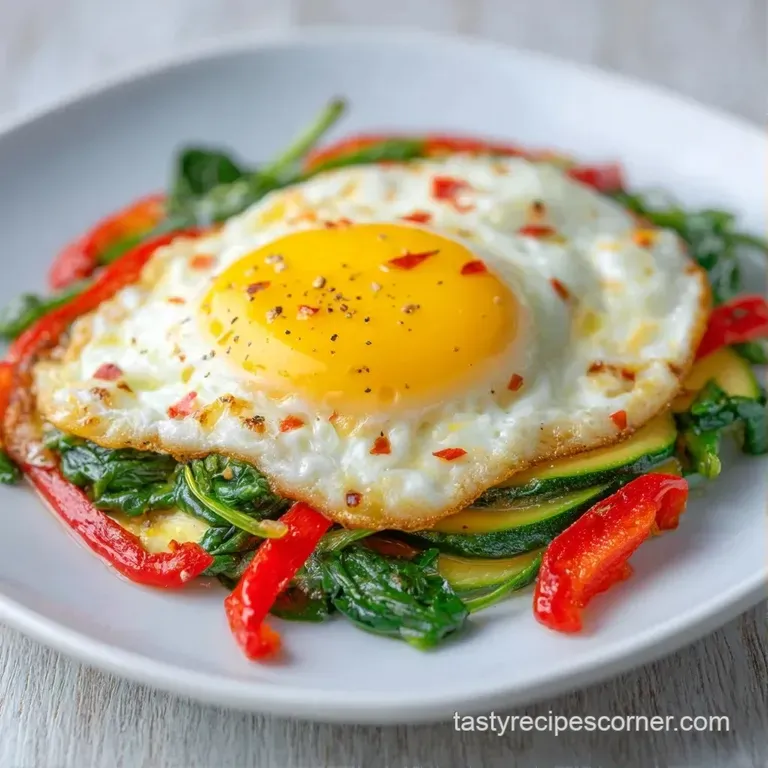
Even the best of us end up with "egg soup" or rubbery chunks occasionally. It's usually a heat issue.
Troubleshooting Common Issues
| Issue | Solution |
|---|---|
| Why Your Eggs Are Watery | This happens when vegetables release moisture after the eggs are added. Sautéing your veg for the full 5 minutes first prevents this. |
| Why Your Eggs Are Rubbery | Overcooking is the culprit. Eggs continue to cook even after they leave the pan. Pull them off the heat while they still look slightly underdone. |
| Why the Cheese Separated | High heat breaks the emulsion in cheese, leaving you with yellow oil. Always add cheese at the very end and remove from the burner immediately. |
Fun Flavor Twists
If you want a "Healthy Veggie Scrambled Eggs" version, skip the cheese and add a teaspoon of nutritional yeast for a nutty, cheesy flavor without the dairy. For those who prefer a "Scrambled Eggs with Veggies and Cheese" twist that's more filling, try adding 1/2 cup of pre cooked diced potatoes to the sauté phase.
If you're going dairy-free, my vegan cheese sauce is a great reference for how to get that salty, savory punch without cow's milk. You can substitute the milk in this recipe with unsweetened soy or almond milk.
For a spicy version, add a pinch of crushed red pepper flakes when sautéing the onions. This infuses the oil and spreads the heat evenly throughout the dish.
Adjusting the Portion Size
Scaling Down (2 Servings): Use 4 eggs and 1 tbsp of milk. Since there's less volume in the pan, reduce the sauté time for the vegetables by about 20% so they don't brown too much. Use a smaller 8 inch skillet if you have one.
Scaling Up (8 Servings): Do not double the salt and pepper; use 1.5x instead to avoid over seasoning. I recommend working in two batches. If you crowd a 12 inch pan with 16 eggs and double the veg, the eggs will steam instead of scramble, and you'll lose those beautiful curds.
If you're making this for a crowd, you can sauté all the vegetables at once, remove them from the pan, and then cook the eggs in two separate rounds, folding the veg back in at the end.
Egg Cooking Beliefs
You might hear people say you should beat eggs for five minutes to get them fluffy. That's a myth. Over beating incorporates too much air, which can cause the eggs to puff up and then collapse into a dense mass. A quick whisk until the streaks disappear is all you need.
Another common one is that you must use butter for the best flavor. While butter is great, olive oil handles the higher heat of the vegetable sauté better without burning, and you can always add a pat of butter at the end for that classic taste.
Saving and Reheating
Store leftovers in an airtight container in the fridge for up to 3 days. Don't freeze these, as the vegetables will become mushy and the eggs will change texture.
To reheat, avoid the microwave if you can. It turns eggs into rubber. Instead, put them in a small pan over low heat with a teaspoon of water or butter. Cover with a lid for 2 minutes. The steam gently warms the eggs without overcooking them.
To reduce waste, use any leftover onion or pepper scraps in a homemade veggie stock. If you have a few spinach leaves left, blend them into your morning smoothie. This recipe is a great way to use up the "sad" vegetables in your crisper drawer before they go bad.
Best Side Dishes
These eggs are rich and savory, so they pair well with something acidic or fresh. I love serving them with a side of sliced avocado and a squeeze of lime. If you want something more substantial, a piece of toasted sourdough with salted butter is the way to go.
If you're looking for a more indulgent brunch, these eggs are a great companion to some crispy home fries. For a different kind of comfort, this breakfast is like the morning version of a cheesy chicken spaghetti — it's all about that satisfying, melted cheese feel.
Decision Shortcut:
- Want more heart? Add diced potatoes to the sauté.
- Want a lighter meal? Swap cheddar for a crumble of feta.
- Want more protein? Add a side of smoked salmon or turkey sausage.
Now you've got a reliable way to make Veggie Scrambled Eggs that actually taste fresh. Just remember: sauté the veg, keep the heat low, and pull the pan off before the eggs look "done." Enjoy your morning!
Recipe FAQs
What veggies are good in scrambled eggs?
Onions, red bell peppers, zucchini, and spinach. These specific vegetables provide a balance of sweetness and earthiness that complements the eggs without overpowering them.
Why are my scrambled eggs turning watery?
Vegetables are releasing moisture after the eggs are added. Sauté the onion, pepper, and zucchini for the full 5 minutes first to ensure moisture evaporates before pouring in the egg mixture.
How do I keep my eggs from overcooking?
Remove the skillet from the heat while the eggs still look slightly glossy. They will continue to cook from residual heat even after they leave the pan.
Is this egg scramble keto friendly?
Yes, it is. The high protein eggs and low-carb vegetables make this an ideal choice if you already enjoy recipes like our keto chili.
How to make soft scrambled eggs like the restaurants do?
Push the eggs from the outer edges toward the center using a silicone spatula. Keep the heat at medium low to create large, soft curds instead of small, dry pieces.
Can I make this dairy-free?
Yes, simply omit the whole milk and shredded cheddar cheese. The eggs will still set and the vegetables will provide plenty of flavor on their own.
What is the secret to a consistent color and texture?
Whisk the eggs and milk until the mixture is a uniform pale yellow. Ensuring there are no visible streaks of egg white creates a smoother, more professional result.
Healthy Veggie Scrambled Eggs