Shrimp Scampi Pasta with Garlic and Butter

- Total30 Mins
- Calories917 kcal
- CuisineItalian
- Duration: 10 min active + 20 min cooking
- Taste & Feel: Garlicky, buttery, and vibrant
- Best for: A romantic date or a filling family meal
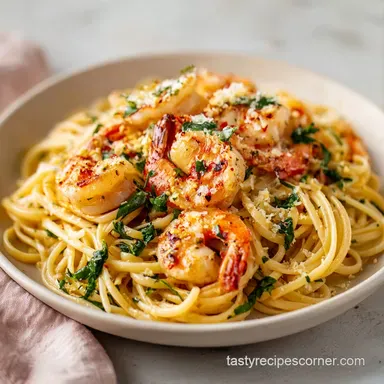
Easy Shrimp Scampi Pasta
Imagine a rainy Tuesday evening, the house is chilly, and you want something that feels like a warm hug. This is the kind of meal you put on the table when you want to treat your family to something special without spending all night in the kitchen.
It's buttery, garlicky, and smells like a high-end Italian bistro right in your own home.
The magic happens when the garlic hits the foaming butter, filling the room with a scent that makes everyone run to the table. It's a simple balance of rich fats and bright lemon that cuts through the weight of the pasta.
Whether you're feeding a hungry crowd or just looking for a comforting plate for two, this shrimp scampi pasta hits the spot. It's straightforward, honest cooking that doesn't need a lot of fuss to taste great.
Why the Sauce Sticks
High-Heat Sear: Cooking shrimp fast over high heat keeps them plump. It prevents them from boiling in their own juices and turning rubbery.
Starch Power: Adding reserved pasta water creates a bond between the oil and the liquid. This turns a thin broth into a velvety glaze that actually clings to the noodles.
Acid Balance: A splash of lemon juice breaks up the richness of the butter. It keeps the dish from feeling too heavy.
| Ingredient Choice | Texture | Prep Time | Best For |
|---|---|---|---|
| Fresh Shrimp | Snappy, sweet | Longer | Premium flavor |
| Frozen Shrimp | Softer, convenient | Fast | Weeknight speed |
Recipe Specs
This meal relies on timing and temperature. You want the pasta finished right as the sauce reduces, so everything stays hot and fresh.
The Building Blocks
| Component | Purpose | Substitute Notes |
|---|---|---|
| Large Shrimp | Primary protein | Try scallops for another high-end option |
| Unsalted Butter | Depth and richness | Salted butter is okay; just lower the extra salt |
| Vegetable Broth | Savory base | Chicken broth is a similar substitute |
| Fresh Lemon | Bright acidity | Bottled lemon juice works if needed |
Ingredients
- 8 oz linguine or angel hair pasta
- 1 tbsp salt Why this? Crucial for flavoring the pasta from the inside out
- 1 lb large shrimp, peeled and deveined
- 3 tbsp unsalted butter
- 2 tbsp extra virgin olive oil
- 4 cloves garlic, minced
- 1/2 cup vegetable broth
- 1 tbsp fresh lemon juice
- 1/2 tsp salt
- 1/4 tsp black pepper
- 2 tbsp fresh parsley, chopped
Tools You'll Need
Just grab a large pot for your noodles and a 12-inch skillet. A wider pan is essential to ensure the shrimp sear properly instead of steaming.
Bringing It Together
Phase 1: Preparing the Pasta
Bring a large pot of water with 1 tbsp salt to a boil. Add your pasta. Cook until al dente. For angel hair, this is only 2–3 minutes, while linguine takes 9–11 minutes. Before you drain the noodles, scoop out 1/2 cup of the cloudy pasta water. Drain the rest and set the pasta aside.
Phase 2: Searing the Shrimp
Pat the shrimp completely dry with paper towels. If they're wet, they won't brown. Toss them with 1/2 tsp salt. Heat 1 tbsp butter and the olive oil in your 12-inch skillet over medium-high heat.
Once the butter foams and sizzles, add the shrimp in a single layer. Cook for 1–2 minutes per side. Remove them when they turn opaque, form a 'C' shape, and hit 145°F (63°C) as per USDA guidelines for shellfish. Move them to a plate for now.

Phase 3: Creating the Sauce
Turn the heat down to medium. Add the remaining 2 tbsp of butter and the minced garlic. Sauté for about 1 minute. Wait for the smell to become fragrant, but don't let the garlic turn brown or it will taste bitter. Pour in the vegetable broth and lemon juice.
Let it simmer for 2–3 minutes until it reduces slightly.
Phase 4: The Final Toss
Add the cooked pasta and that reserved pasta water to the pan. Toss everything over medium heat for 1–2 minutes. Watch as the liquid thickens into a silky glaze that coats every strand. Fold the seared shrimp, black pepper, and parsley back in. Toss gently just until everything is heated through.

When It Does Not Turn Out
If your sauce feels a bit thin, it usually means the pasta water didn't have enough time to bind with the butter. Just keep tossing it over the heat for another minute. If the shrimp feel tough, you likely left them in the pan too long.
Rubbery Texture
Shrimp cook incredibly fast. The moment they curl into a tight "O" shape, they are overdone. Aim for the "C" shape.
Soupy Consistency
This happens if you add too much pasta water or don't simmer the broth enough. Let the sauce bubble and reduce before adding the noodles.
Bland Flavor
The sauce needs a punch of acid and salt. If it tastes flat, add a tiny bit more lemon juice or a pinch of salt at the very end.
| Problem | Root Cause | Solution |
|---|---|---|
| Rubber shrimp | Overcooked | Remove as soon as they hit 145°F |
| Liquid is watery | Not enough reduction | Simmer 2 more mins before adding pasta |
| Garlic tastes burnt | Heat too high | Sauté on medium, remove from heat quickly |
Creative Twists and Swaps

If you want a heartier meal, you can toss in some chopped asparagus or baby spinach during the final toss. Spinach only needs about 30 seconds to wilt. For a different vibe, you could use a Garlic Parmesan Sauce to make this shrimp scampi pasta even creamier.
If you're avoiding pasta, zucchini noodles work well, though they release more water, so simmer your sauce longer to keep it thick.
Make-ahead and Leftover Tips
Keep leftovers in a sealed container in the refrigerator for no more than 2 days, per USDA FSIS guidelines.
Because the pasta absorbs most of the sauce over time, add a little water or vegetable broth to the pan to refresh it. Heat the dish until it reaches 165°F (74°C) as suggested by the CDC.
Avoid freezing this meal. The shrimp may turn rubbery and the butter sauce can separate, leaving you with an oily texture.
Perfect Complements
A crusty piece of sourdough bread is non-negotiable here. You'll want it to soak up every last drop of that garlic butter from the plate. A simple side of steamed broccoli or a crisp green salad with a sharp vinaigrette balances the richness of the butter perfectly.
High in Sodium
831 mg of sodium per serving (36% of daily value)
American Heart Association recommendation: no more than 2,300 mg of sodium per day
Tips to Reduce Sodium
-
Limit Pasta Water Salt
Significantly reduce or omit the tablespoon of salt used in the boiling water for the linguine.
-
Swap the Broth
Use a low-sodium or no-salt-added vegetable broth instead of the standard version.
-
Minimize Seasoning Salt
Reduce or eliminate the 1/2 tsp of added salt used to season the shrimp and sauce.
-
Amplify Acidity
Increase the fresh lemon juice to provide a bright, zesty flavor that reduces the need for salt.
-
Boost Fresh Herbs
Add extra fresh parsley or incorporate other fresh herbs like basil to enhance the flavor profile naturally.
Recipe FAQs
Should you cook shrimp before adding to pasta?
Yes, sear them separately first. This prevents the shrimp from boiling in the sauce and turning rubbery. Remove them from the pan and fold them back in at the very end.
Why does the dish taste too salty?
Too much salt in the pasta water or shrimp seasoning. Use exactly 1 tbsp for the pot and 1/2 tsp for the shrimp. Avoid adding extra salt if your vegetable broth is already high in sodium.
How to stop the liquid from turning the dish soupy?
Simmer the vegetable broth and lemon juice for 2–3 minutes. This reduces the volume and concentrates the flavor before you add the pasta and starchy water to create the glaze.
Is the stated pasta cooking time too long for angel hair?
No, 2–3 minutes is accurate. Angel hair cooks much faster than linguine. Always test for al dente texture before draining.
Does chickpea or another alternative pasta work in this recipe?
Yes, most alternatives work well. Note that legume-based pastas release different starches, so the glaze may be slightly less glossy than with traditional pasta.
Can I make this without cream?
Yes, this recipe is naturally cream-free. It relies on butter, vegetable broth, and starchy pasta water for a velvety texture. For a different creamy approach, try our vegan cheese sauce.
What other sauces pair well with shrimp?
Butter-based and citrus-heavy glazes are popular. While this scampi focuses on a bright, buttery sauce, the mild flavor of shrimp is very versatile.
Shrimp Scampi Pasta
Ingredients:
Instructions:
You May Also Like

Food Processor Pasta Dough with Semolina
Toothsome and hearty Food Processor Pasta Dough. Semolina flour creates a consistent, professional…

Handmade Pasta Dough with Semolina Flour
A blend of 00 and semolina flour creates a hearty, traditional bite.

Savory Squash Pasta Sauce
This Savory Squash Pasta Sauce is a creamy butternut squash pasta sauce with a roasted finish.

Bread Machine Pasta Dough with Eggs
Ready in 40 min, Bread Machine Pasta Dough is a hearty choice.

Stand Mixer Pasta Dough with Semolina
Ready in 48 min, Stand Mixer Pasta Dough. The paddle attachment develops gluten for you, ensuring a…

Garlic Parmesan Sauce Recipe: Silky and Savory
Master this garlic parmesan sauce recipe with our simple, 10-minute guide.
