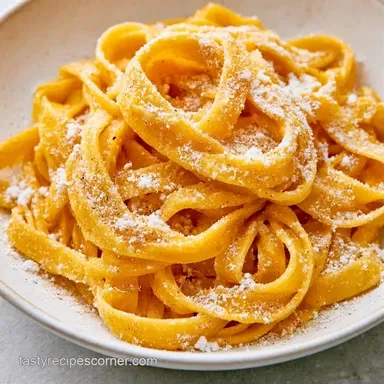
Bread Machine Pasta Dough: Rustic Italian Method

- Time: 10 min active + 30 min resting
- Flavor & Texture: Firm and chewy with a clean snap
- Perfect for: Hearty family dinners and beginners
The steady hum of a bread machine is a welcoming sound in a bustling kitchen. It means the heavy lifting is being handled automatically while you prepare your sauce or set the place. Fresh pasta often feels like a major undertaking, but this method makes it a simple success.
You'll end up with a dough that is smooth and elastic, without the twenty minutes of counter-scrubbing or the physical strain of kneading. This bread machine pasta dough provides a restaurant-quality chew that fits right into a packed weekday schedule.
It is the ultimate comfort food. When you discover how simple it is to produce a smooth ball of dough without the exertion, you'll likely stop reaching for the boxed variety.
What Makes This So Good
- Automatic Gluten Work: The kneading blade aligns the proteins in the flour, which creates that signature bounce. If you don't have a machine, a stand mixer pasta dough works similarly.
- Consistent Hydration: The machine mixes the eggs and oil evenly, so you don't end up with dry flour pockets.
- Controlled Texture: Using a set cycle prevents over-working the dough, keeping it tender rather than rubbery.
| Method | Active Time | Texture | Best For |
|---|---|---|---|
| Bread Machine | 10 mins | Consistent & bouncy | Busy weeknights |
| Hand-Kneaded | 20 mins | Rustic & variable | Slow weekends |
Ingredient Deep Dive
The noodles maintain their structure after boiling thanks to the specific ratio of protein and fat.
| Component | Purpose | Substitute Notes |
|---|---|---|
| All-Purpose Flour | Provides structure | 00 flour: Results in a softer noodle |
| Eggs | Binding and richness | Extra yolk: Increases richness and yellow color |
| Olive Oil | Dough flexibility | Melted butter: Imparts a nutty taste |
| Semolina | Non-sticking | Cornstarch: Use a small amount for less texture |
Ingredients & Alternatives
- 2 cups (250g) all-purpose flour Reason: Offers a standard protein level for a consistent chew
- 3 large (150g) eggs Reason: Adds rich color and structural lift
- 1 tablespoon (15ml) extra virgin olive oil Reason: Facilitates smoother rolling of the dough
- ½ teaspoon (3g) fine sea salt Reason: Essential seasoning for the flour base
- 2 tablespoons (30ml) warm water Reason: Corrects hydration if the flour absorbs too much
- 2 tablespoons (15g) semolina flour Reason: Prevents dough sheets from sticking to the surface
| Original Ingredient | Substitute | Why It Works |
|---|---|---|
| All-Purpose Flour | 00 Flour | Classic Italian option. Note: Creates a more delicate texture |
| Extra Virgin Olive Oil | Avocado Oil | Similar fat levels with a neutral taste |
Essential Tools
You only need a few basics. A bread machine is the star, but a sturdy rolling pin or a hand-crank pasta machine helps get those sheets thin. I like using a sharp knife or a pizza cutter for the fettuccine.
How to Make It
Loading the Machine
Add the eggs, olive oil, and salt to the bread machine pan. Pour the 2 cups (250g) of all-purpose flour on top of the liquids. This prevents the flour from clumping in the corners.

The Kneading Cycle
Select the 'Dough' cycle and start the machine. About 5 minutes into the cycle, open the lid to check the consistency. If the dough looks crumbly or shaggy, add warm water one tablespoon at a time. Stop when the mass forms a smooth, cohesive ball that clears the sides of the pan. Let the machine finish the cycle.

The Rest and Shape
Remove the dough from the pan and shape it into a neat ball. Wrap the dough tightly in plastic wrap. Let it rest at room temperature for 30 minutes. This allows the gluten to relax, so the dough doesn't shrink back when you roll it.

Rolling and Cutting
Divide the rested dough into four equal portions. Dust your work surface with 2 tablespoons (15g) of semolina flour. Roll each portion into a thin sheet using a rolling pin or a pasta machine. Cut the sheets into your desired shape, like fettuccine, pappardelle, or lasagna sheets.

When It Does Not Turn Out
Fixing Sticky Dough
If the dough clings to the pan and won't form a ball, it has too much moisture. Stop the machine. Add 1 tablespoon of flour at a time until the dough pulls away cleanly from the walls.
Correcting Dry Dough
When the dough stays shaggy or looks like wet sand after five minutes, it needs more liquid. Add warm water by the tablespoon. You want it to feel soft but not tacky.
Managing Springy Dough
If the dough keeps shrinking back while you roll it, it hasn't rested long enough. Wrap it back up and give it another 15 minutes. The gluten needs to stop fighting you.
Flavor Variations
For a garden-fresh twist, you can blend a handful of blanched spinach into the eggs before adding them to the pan. If you prefer a different tool for the mixing phase, a food processor pasta dough is another fast option.
I like adding a pinch of garlic powder or dried oregano directly to the flour for a more savory, rustic profile. Just keep the additions dry so they don't mess with the machine's kneading rhythm.
Storing Leftovers
Arrange fresh pasta nests on a floured tray, cover with plastic wrap, and refrigerate for 3 days.
For extended storage, dust the nests well with semolina. Freeze them on a baking sheet until firm, then transfer them to an airtight bag; they will keep for 3 months. When you are ready to serve, drop them frozen directly into boiling water.
Avoid using a microwave to reheat cooked pasta, as it can make the noodles rubbery. Instead, toss them in a pan over medium heat with your sauce and a splash of pasta water.
Pairing Ideas

This pasta is hearty enough for a thick Bolognese or a creamy mushroom sauce. I prefer a simple brown butter and sage sauce to let the flavor of the fresh dough shine. Serve it with a side of sautéed garlicky greens to balance out the richness.
Your Questions, Answered
How to make pasta dough in a bread machine?
Add eggs, olive oil, and salt, then top with flour. Select the dough cycle and let the machine handle the kneading until the process is complete.
Can I prepare homemade pasta without a machine?
Yes, you can. Simply mix the ingredients by hand and roll the dough with a rolling pin on a floured surface.
Why use semolina flour for dusting?
It prevents sticking. The coarse texture of semolina keeps the dough from adhering to the work surface during rolling and cutting.
Does the dough need extra liquid?
Only if it looks crumbly. Add warm water one tablespoon at a time about 5 minutes into the cycle until a smooth, cohesive ball forms.
Is it possible to freeze this pasta?
Yes, for up to 3 months. Dust the nests with semolina, freeze them on a baking sheet until hard, then move them to an airtight bag.
Where should fresh pasta be stored?
Store in the refrigerator for 3 days. Arrange the fresh pasta nests on a floured tray and cover them with plastic wrap.
What serves as a great pairing for these noodles?
A creamy cheese sauce works perfectly. If you enjoyed this process, pair your fresh pasta with our cheddar cheese sauce for a rich finish.
Bread Machine Pasta Dough with Eggs