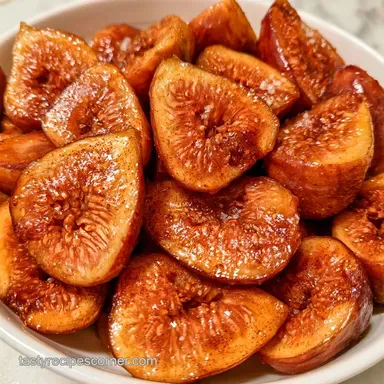
Roasted Fresh Figs with Honey and Cinnamon
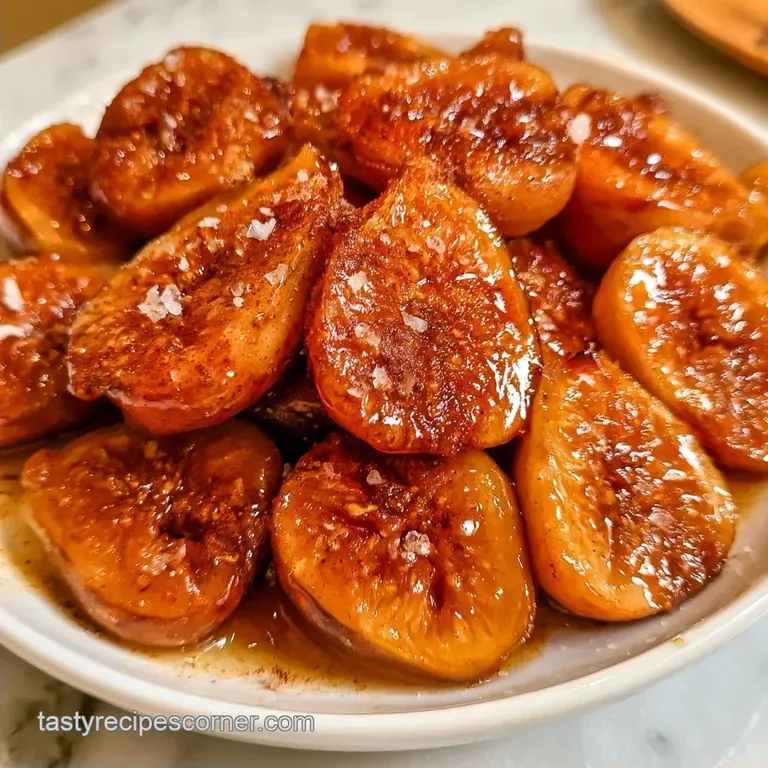
- Time: 5 min active + 15 min roasting
- Flavor/Texture Hook: Warm, jammy, and salty sweet
- Perfect for: An elegant appetizer or a fast, fancy dessert
Fresh Figs with Honey
The scent of warm honey and cinnamon filling a hot oven is unforgettable. I originally developed this approach using a few overripe figs I didn't want to waste. Rather than eating them raw, I tossed them in honey and butter.
The transition from a soft, seeded berry to a concentrated, sticky treat is ideal for anyone wanting a high impact dessert without spending hours cooking.
This recipe avoids complex techniques, relying instead on the heat to do the heavy lifting. You achieve a rich, concentrated taste that feels as though it reduced all day, but it actually takes only about 15 minutes.
These Fresh Figs with Honey are soft, slightly gooey, and balanced by a pinch of salt. They leave guests believing you spent the entire afternoon in the kitchen, when you actually just spooned on some glaze and stepped away.
Why This Roast Works
- The Heat Factor: 200°C is the sweet spot. It browns the honey and butter quickly, creating a caramelized crust before the fig loses all its structure and turns into mush.
- Acid Balance: A small amount of lemon juice cuts through the heavy sugars of the honey and the fruit. This prevents the dish from feeling cloyingly sweet.
| Method | Time | Texture | Best For |
|---|---|---|---|
| Oven Roast | 15 mins | Jammy & caramelized | Parties, larger batches |
| Stovetop Pan | 8 mins | Softer, more syrup | Quick single servings |
| Air Fryer | 10 mins | Slightly firmer skin | Extremely small batches |
The Essential Ingredient List
| Ingredient | What It Does | Best Swap |
|---|---|---|
| Fresh Figs | Provides a jammy, seeded base | Dried figs (soak first) |
| Honey | Creates the sticky, golden glaze | Maple syrup |
| Unsalted Butter | Adds richness and helps browning | Coconut oil |
| Lemon Juice | Brightens the flavor | Lime juice |
| Cinnamon | Adds a warm, woody note | Nutmeg |
- 450g (1 lb) fresh figs, stems removed and halved lengthwise Why this? Halving them exposes the center for maximum glaze absorption.
- 3 tbsp honey Why this? Honey has a higher sugar content for better browning than syrup.
- 1 tbsp unsalted butter, melted Why this? Butter adds a savory depth that balances the fruit.
- 1 tsp lemon juice Why this? It keeps the flavors vibrant and sharp.
- 1/4 tsp ground cinnamon Why this? Cinnamon pairs naturally with the honey fig profile.
- 1 pinch flaky sea salt Why this? Salt activates the sweetness and cuts the richness.
Tools You Will Need
You don't need a professional setup here. A standard baking sheet and some parchment paper are the most important things. If you don't use parchment, the honey will practically glue the figs to your pan. I usually use a small whisk or a fork to mix the glaze in a ramekin, but any small bowl works.
A sharp knife is a must for the figs. You want clean cuts so the fruit doesn't tear, which helps the honey pool in the center. If you have a silicone brush, it's great for coating the figs, but a spoon is just as effective for getting that pooled, jammy effect.
Putting the Dish Together
Phase 1: Preparing the Honey Base
Set your oven to 400°F (200°C). Combine the honey, melted butter, lemon juice, and cinnamon in a small bowl, whisking until the mixture is fully blended. Ensure the butter is well incorporated so the glaze applies uniformly to the fruit.
Phase 2: The Roasting Process
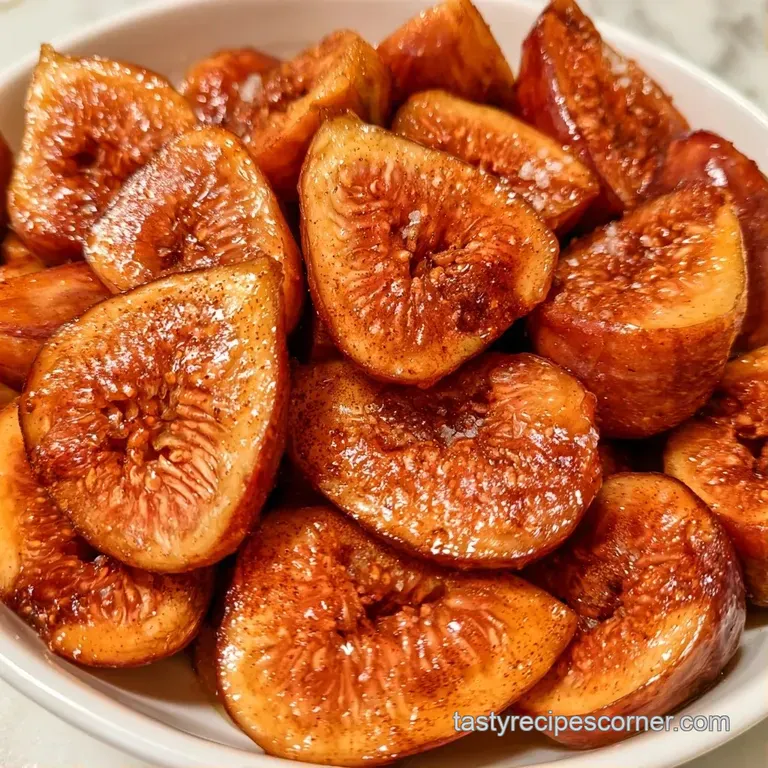
Place parchment paper on a baking sheet. Arrange the fig halves cut side up. Spoon the honey glaze over each piece, making sure the centers are thoroughly coated. Roast for 12–15 minutes until the honey begins to bubble and the edges turn a deep mahogany.
Phase 3: The Finishing Touch
Take the pan out of the oven. While the figs are still hot, add a pinch of flaky sea salt. Allow the Fresh Figs with Honey to sit for 2 minutes; this helps the syrup thicken so it clings to the fruit instead of pooling on the plate.
Handling Common Problems
Fixing Mushy Figs
If your figs come out too soft, you likely overcrowded the pan. When the fruit is too close together, they steam instead of roasting. Give each half at least 2.5 cm of space to let the moisture evaporate.
Preventing Burnt Honey
Honey can turn bitter if it burns. If you notice the glaze darkening too fast, slide the pan to the lower rack of the oven. This keeps the fruit in the heat but moves the sugars away from the top heating element.
Dealing With Dry Fruit
If the figs look dry, you may have used figs that were slightly underripe. To fix this, add an extra teaspoon of honey immediately after taking them out of the oven. The residual heat will melt the honey into a quick glaze.
Creative Twists and Swaps
A few simple additions can easily shift the character of this dish. For a sweet and savory crunch, try Baked Figs with Honey and Walnuts by pressing a walnut half into the center of each fig before roasting. This allows the nut to toast in the honey, creating a lovely earthy contrast.
If you prefer something tart, Roasted Figs with Honey and Goat Cheese is a fantastic option. Simply add a small dollop of goat cheese to the figs immediately after roasting, as the tanginess cuts through the sugar.
For a more sophisticated, complex flavor, Roasted Figs with Honey and Balsamic works well by substituting the lemon juice for a teaspoon of balsamic glaze.
Those seeking a different treat might enjoy using Baked Figs with Honey and Cinnamon as a base for other desserts. To balance the sweetness in a larger brunch spread, my sourdough focaccia is a perfect accompaniment.
Adjusting Your Batch Size
If you need a larger batch for a gathering, avoid simply doubling the cooking time. As long as the pan isn't overcrowded, the roasting duration stays about the same. Use two separate baking sheets if you are preparing 2 lbs of figs.
For smaller portions, a toaster oven tray works well. Watch the clock carefully, as smaller quantities may brown more quickly because they are closer to the heating elements.
| Goal | What to change |
|---|---|
| More intense caramelization | Increase oven temp by 10°C |
| Softer, jammier center | Increase roast time by 3 mins |
| Less sweet finish | Double the lemon juice |
Keeping These Fresh
Keep any remaining portions in an airtight glass dish in the refrigerator for as long as 3 days. While they taste fine chilled, they are most delicious when heated. For reheating, try a brief 30 seconds in the microwave or return them to a preheated oven for 2 minutes.
Do not freeze these, as the figs develop a grainy texture after being frozen and thawed.
To prevent waste, mash any figs that are too soft to roast with a bit of the remaining honey glaze. This mixture works perfectly as a toast spread or stirred into Greek yogurt.
Best Ways to Serve
These Honey Glazed Fresh Figs are incredibly adaptable. For a more refined dessert, nestle them in a shallow bowl alongside a scoop of pistachio ice cream. The pairing of chilled, nutty ice cream with warm, jammy figs offers a truly elegant contrast.
If serving them as a starter, combine them with a piece of toasted baguette or a slice of salty Prosciutto; the saltiness helps the honey notes truly shine. For a more basic approach, simply plate them warm with an additional drizzle of honey and a few mint leaves for a touch of color.
Make sure not to omit the sea salt at the end. It's the key to transforming a sugary treat into a sophisticated, curated dessert. The magic of this recipe lies in these contrasts hot and cold, sweet and salty, soft and crunchy.
You'll quickly find that Fresh Figs with Honey are the most effortless way to wow your guests.
Recipe FAQs
How do you prepare fresh figs to eat?
Prepare fresh figs by removing the stems and halving them lengthwise. This exposes the center and allows the honey glaze to penetrate the fruit.
What's the process for cooking figs with honey?
Whisk honey, melted butter, lemon juice, and cinnamon together before spooning the mixture over the fruit. Roast them at 400°F (200°C) for 12 15 minutes.
Which method is best for cooking fresh figs?
Roasting at 400°F (200°C) is the most effective way to get a jammy center. High heat quickly caramelizes the honey and creates a mahogany colored skin.
Are honey and figs good together?
They pair wonderfully because the honey enhances the fruit's natural floral sweetness. The addition of lemon juice ensures the final flavor isn't cloyingly sweet.
Is it true that figs only taste good raw?
This one's false: Roasting concentrates the sugars and transforms the fruit into a rich, syrupy treat. It is an excellent way to use figs that are slightly overripe.
Why are fresh figs hard to find in stores?
Their delicate skin makes them highly susceptible to bruising during transport. This fragility and a very short shelf life make them a risk for many supermarkets.
Can I add a salty element to the dish?
Sprinkle a pinch of flaky sea salt over the figs immediately after removing them from the oven. If you loved balancing sweet and tart here, see how we use the same acid technique in our fresh cranberry sauce.
Fresh Figs With Honey