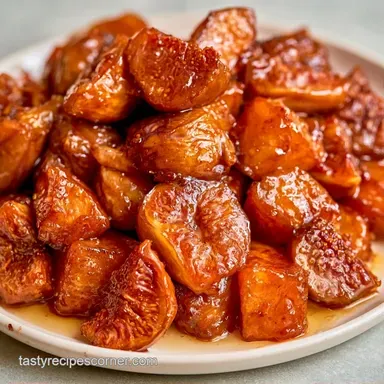
Fresh Fig Honey Compote in 20 Minutes
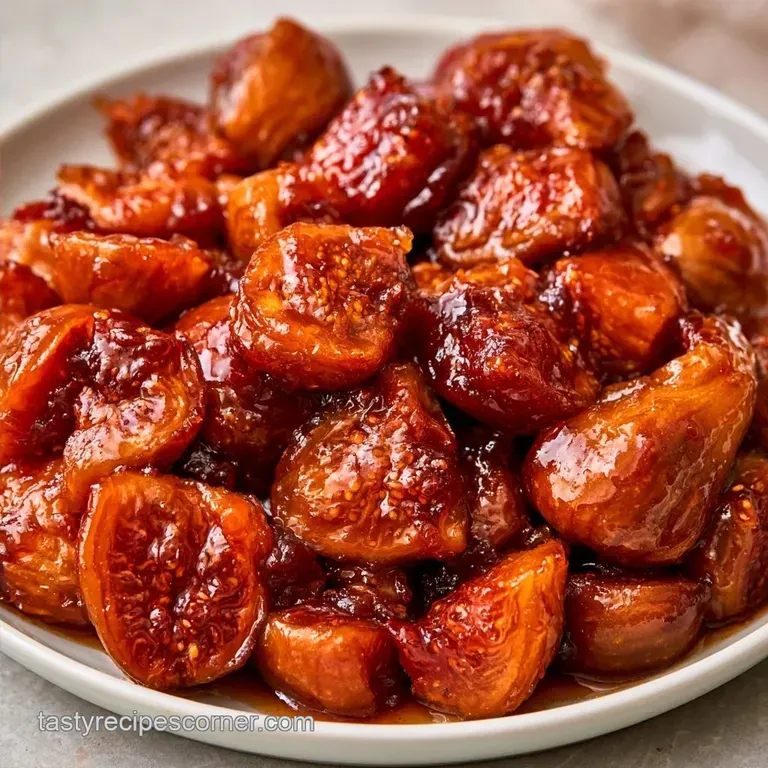
- Time: 5 min prep + 15 min heat
- Sensory Profile: A lustrous, dense syrup featuring tender pieces of fig
- Perfect for: Brunch toast or a fancy cheese board
Fig Honey Compote for Easy Dessert
The smell of warm honey and simmering figs is honestly one of the best things that can happen in a kitchen. But let's be real, I've messed this up before. My first few attempts turned into a purple, mushy jam that was way too sweet to actually enjoy.
I realized the problem was simply overcooking the fruit and ignoring the acidity.
The goal with a Fig Honey Compote is to keep the figs intact while the sauce thickens into a glossy glaze. You want that balance where the earthy taste of the fruit hits first, followed by a bright, zingy finish. It's a simple fix that changes the whole vibe of the dish.
Trust me, once you get the timing right, you'll have a topping that looks like it came from a bistro. We're aiming for chunks of fruit suspended in a rich syrup, not a puree. Let's crack on and get this right.
Quick Recipe Details
When you're making this, you'll notice it's much faster than a traditional preserve. While a classic jam takes hours of boiling and canning, this version is meant for immediate use or short term storage.
| Feature | Fast Version (This Recipe) | Classic Preserve |
|---|---|---|
| Cook Time | 15 minutes | 1-2 hours |
| Texture | Chunky and glossy | Gel like and smooth |
| Best For | Fresh toppings | Long term storage |
Right then, if you're looking for a quick win, this is it. Just keep an eye on the heat so the honey doesn't burn.
The Necessary Ingredients
A few high-quality ingredients are key here. Opt for figs that are a rich purple or green and yield slightly when pressed.
- 1 lb fresh figs, stems removed and quartered Why this? Maintains the fruit's texture
- 1/3 cup honey Why this? Provides a beautiful, natural sheen
- 1 tbsp fresh lemon juice Why this? Balances out the sweetness
- 1 tsp lemon zest, finely grated Why this? Introduces a bright citrusy scent
- 1/4 tsp ground cinnamon Why this? Provides an earthy, warm undertone
- 1 pinch fine sea salt Why this? Offsets the sugar in the honey
Missing an ingredient? No problem. Try these alternatives:
| Original Ingredient | Substitute | Why It Works |
|---|---|---|
| Honey | Maple Syrup | Similar consistency. Note: Offers a more autumnal, woody taste |
| Fresh Figs | Dried Figs (soaked) | More intense flavor. Note: Results in a chewier consistency |
| Lemon Juice | Lime Juice | Comparable acidity. Note: Gives it a hint of tropical zest |
One last piece of advice: prioritize high-quality honey. A premium clover or wildflower honey significantly enhances the overall flavor.
Essential Kitchen Tools
You don't need anything fancy for this. A small saucepan is the main tool, and you'll want one with a heavy bottom so the honey doesn't hot spot and burn.
I also suggest using a silicone spatula. It's gentler on the figs than a metal spoon, which means you won't accidentally mash the fruit into a paste while stirring. A small fine mesh grater for the lemon zest is also a must to get those tiny, potent bits of citrus.
Making Your Compote
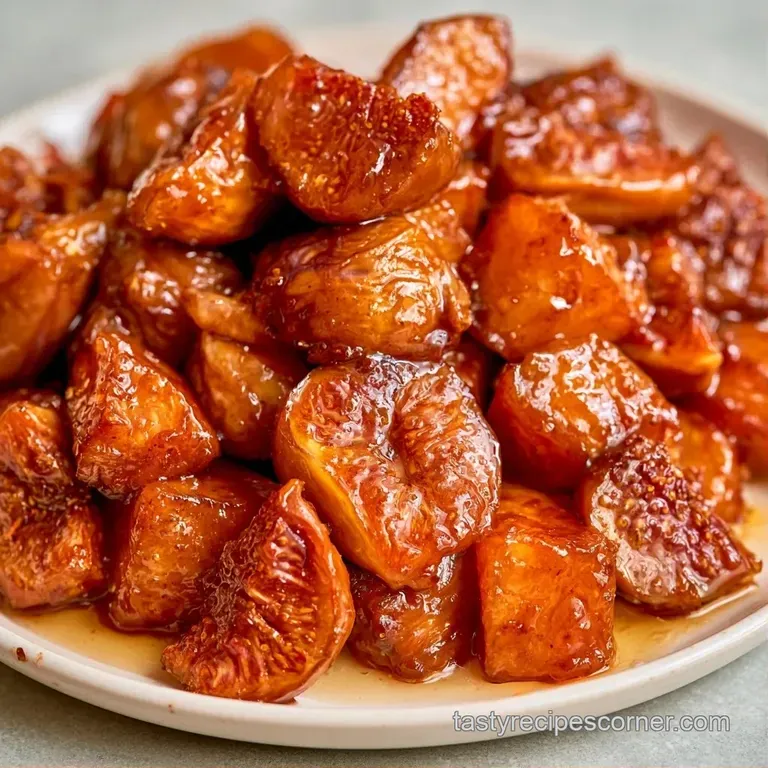
Stick to these directions to prevent the figs from breaking apart. The secret is using gentle heat and monitoring the sauce closely.
Phase 1: Preparing the Fruit
Wash the figs well and pat them dry. Remove the stems and cut each one into quarters. Using these larger pieces ensures a balanced consistency of thick syrup and whole fruit.
Phase 2: The Slow Simmer
Combine the quartered figs, honey, and cinnamon in a small saucepan over medium low heat. Stir carefully to coat the fruit in honey. Bring the mixture to a light simmer. Avoid letting it reach a rolling boil, as this will cause the fruit to disintegrate too quickly.
Phase 3: The Finishing Touch
Simmer for 10-12 minutes until the figs have softened and released their juices. Mix in the lemon juice, lemon zest, and a pinch of salt.
Continue to simmer for another 3 minutes until the sauce becomes a glossy, thickened glaze that coats the back of a spoon.
Take the pan off the heat and let it cool briefly. The sauce will thicken even further during this stage.
Chef's Note: Add the lemon zest directly into the pan at the very end. This preserves the fresh citrus oils and prevents the flavor from boiling away.
Why This Texture Works
I've often noticed that some compotes remain thin while others develop a velvety thickness. This usually depends on how the acid and fruit interact.
- The Pectin Factor: Figs contain natural pectin, which acts as a thickening agent for the syrup, making cornstarch unnecessary.
- The Lemon Juice Rule: The lemon juice is essential, as the acid reacts with the pectin and sugars to help the sauce set.
- The Honey Glaze: Honey is less prone to crystallization than granulated sugar, which keeps the Fig Honey Compote looking glossy.
If serving this as a dessert, I recommend pairing it with my Pistachio Ice Cream. The ice cream's salty nuttiness is a wonderful contrast to the deep sweetness of the figs.
| Goal | What to change |
|---|---|
| Thicker Sauce | Simmer 2 mins longer |
| Brighter Flavor | Add 1 tsp extra lemon zest |
| More Tartness | Increase lemon juice by 1/2 tbsp |
Fixing Common Issues
Most people run into trouble with the consistency. Either it's too runny to stay on a cracker, or the figs have basically disappeared into the sauce.
Runny Sauce
This usually happens if your figs were very juicy or if you pulled the pan off the heat too early. The sauce needs to reach a specific thickness to "cling" to the fruit.
Mushy Figs
If the figs lost their shape, the heat was likely too high. Boiling the fruit aggressively breaks the cellular structure, turning your chunks into jam.
Burnt Honey
If you see dark brown streaks and smell something acrid, the honey scorched. This happens on thin bottomed pans or over high heat.
| Problem | Root Cause | Solution |
|---|---|---|
| Sauce is too thin | Not reduced enough | Simmer on low for 3-5 more mins |
| Fruit is overcooked | Heat was too high | Reduce heat to medium low; stir less |
| Taste is too sweet | Lack of acidity | Stir in an extra squeeze of lemon |
How to Store and Keep Fresh
This Fig Honey Compote stores well, though because it lacks the high sugar content found in store-bought jams, it must be kept chilled.
Using a glass jar, keep the compote chilled for up to 7 days. If you've made too much, you can freeze it for up to 3 months, although the figs may be slightly softer after thawing. To reheat, just warm a few spoonfuls in a small pot over low heat or microwave for 20 seconds.
To avoid waste, don't toss the fig stems if you're feeling adventurous. You can simmer them in a separate pot with water and sugar to create a light fig-infused simple syrup for cocktails; otherwise, they go straight into the compost.
Flavor Tweaks to Try
Depending on what you're serving it , you can change the flavor profile of this recipe.
Savory Twist
If you want to use this for a cheese board, omit the cinnamon and add a tiny pinch of cracked black pepper. This makes the Fig Honey Compote lean into its earthy side.
Vegan Version
Honey isn't vegan, so you can swap it for maple syrup or agave. I prefer maple syrup here because it maintains that rich, amber color.
Floral Notes
Adding a teaspoon of orange blossom water at the very end gives the dish an elegant, Mediterranean feel. It’s a subtle change that makes the whole thing feel more polished.
For another way to use fruit in a sweet treat, you might like my Applesauce Cake, which also uses a similar balance of warm spices and fruit.
What to Serve With It
The presentation of this dish depends on who you are serving. Since it is so visually appealing, feel free to get creative with the plating.
The Dessert Version
Spoon the compote over a thick piece of toasted brioche, adding a dollop of mascarpone and a swirl of honey.
For a Cheese Platter
Pair this with a sharp cheddar, creamy brie, or salty gorgonzola. The fruit's sweetness balances the richness of the cheese beautifully.
| Plating Level | Method | Key Tweak |
|---|---|---|
| Simple | Toasted bread | Add a pinch of flaky salt |
| Polished | Mascarpone swirl | Use a spoon to create a "swoosh" |
| Restaurant | Quenelle of cream | Garnish with a fresh mint leaf |
Don't stress too much over perfection. The chunky, rustic look of the figs is a big part of the appeal. Whether you're serving it as a quick breakfast or a sophisticated appetizer, it will taste wonderful.
Recipe FAQs
How do you prepare fresh figs for this recipe?
Wash the figs thoroughly and pat them dry.
Tip: remove the stems and cut each fig into quarters to ensure the honey coats the fruit evenly.
What method thickens fig preserves without pectin?
Gently cook the fruit with the honey and lemon juice until the acidity and natural sugars produce a glossy glaze.
Tip: If you enjoyed this balance of tart and sweet flavors, explore a similar profile in our cranberry sauce recipe.
Which pairings work best with a fig glaze?
Serve the compote over brunch toast or as a topping for a gourmet cheese board.
Tip: pair it with a sharp goat cheese or creamy brie to contrast the sweetness of the honey.
Is it true that honey always makes fruit too sweet?
Actually, no. The addition of lemon juice and zest balances the honey with a bright, acidic finish.
Tip: include the pinch of salt to enhance the earthy, natural flavor of the figs.
Why did my figs turn into a puree?
Overcooking the fruit or stirring too aggressively breaks down the structure of the figs.
Tip: simmer for only 10 12 minutes to keep the fruit chunks intact and soft.
Does the mixture need a long boiling time?
This version only requires 15 minutes of total cook time to achieve a thick consistency.
Tip: remove the pan from heat immediately once the sauce coats the back of a spoon.
Fig Honey Compote