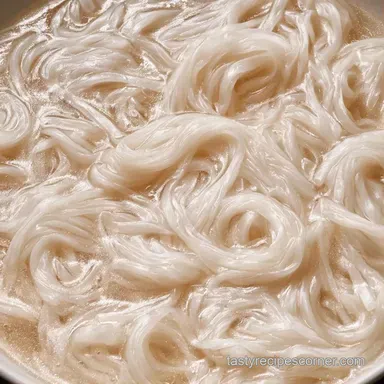
Rice Noodle Soup with Fresh Ginger
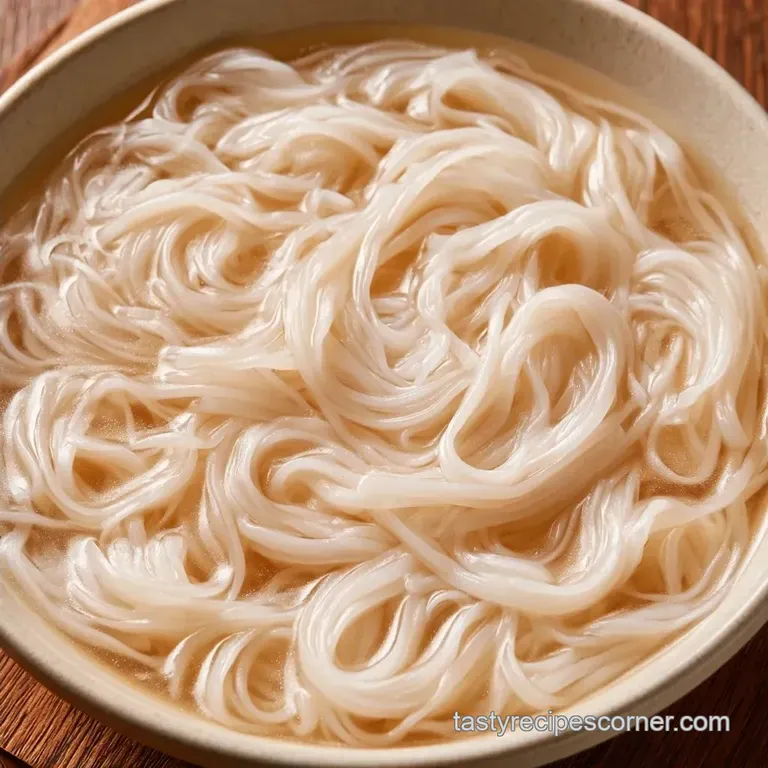
- Time: 5 min active + 10 min cooking
- Flavor/Texture Hook: Zesty lime and ginger with tender, translucent noodles
- Perfect for: A soul warming weeknight dinner for hungry families
Easy Rice Noodle Soup For Weeknights
The aroma of ginger and garlic sizzling in a hot pan reminds me of my grandmother's home in Tennessee. While Asian cuisine wasn't her specialty, she firmly believed a steaming, nourishing bowl of soup was the perfect remedy for a gloomy rainy Tuesday.
I once believed achieving a rich, flavorful broth required twelve hours of simmering bones, but for a mid-week dinner, that's simply not the case.
You don't need a chef's kitchen or an entire free weekend to create deep, savory notes. This Rice Noodle Soup uses a few bold additions, such as rice vinegar and fish sauce, to build a complex base in just a few minutes.
It's a comforting dish that fills the home with a scent signaling to everyone that dinner is served.
The result is a light yet filling meal featuring tender chicken and noodles that hold their texture. Balance is key here, pairing the saltiness of soy sauce with the zesty brightness of fresh lime. It's a rustic, uncomplicated recipe that hits the table before the kids even have a chance to complain they're hungry.
Why This Recipe Works
Many people treat rice noodles like pasta, boiling them for ten minutes in the main pot. That's a huge mistake because rice noodles are basically sponges. They'll drink up your broth, leaving you with a thick sludge instead of a soup.
Noodle Timing: Adding noodles to the residual heat at the end keeps the broth clear and the noodles bouncy. Acid Balance: The splash of rice vinegar and fresh lime cuts through the salt of the fish sauce, creating a bright, layered taste.
| Goal | What to change |
|---|---|
| More Heat | Add 1 tsp extra red pepper flakes |
| Extra Veggies | Stir in sliced carrots or bok choy |
| Leaner Protein | Use extra firm tofu cubes |
Recipe Specs
I've found that the timing here is non negotiable if you want a clean broth. We aren't doing a slow burn stew here; we're building a quick, vibrant base. I usually prep my garlic and ginger first so I don't have to scramble once the oil is hot.
The total time is really just 15 minutes. Five minutes to chop and gather, and ten minutes on the stove. It's faster than ordering takeout and way more soul warming.
What You'll Need
For the base, I use a neutral oil like canola or vegetable. You want something that doesn't compete with the ginger. The fish sauce is where the depth comes from, so don't skip it, even if the smell seems strong at first. It mellows out and becomes a savory backbone.
For the protein, thinly sliced chicken breast is the way to go. If you slice it against the grain, it stays tender even with a quick cook. If you're looking for a different noodle experience, my Pad Thai recipe uses a similar noodle base but in a totally different style.
- 1 tbsp neutral oil
- 3 cloves garlic, minced
- 1 tbsp fresh ginger, grated
- 1 tsp red pepper flakes
- 6 cups low sodium chicken broth
- 2 tbsp soy sauce Why this? Adds salt and a deep umami color
- 1 tbsp fish sauce Why this? Essential for that authentic savory punch
- 1 tsp toasted sesame oil Why this? Provides a nutty, roasted aroma
- 1 tbsp rice vinegar Why this? Balances the salt with a slight tang
- 8 oz thin rice noodles Why this? They cook instantly in hot liquid
- 1 lb chicken breast, thinly sliced
- 2 cups baby spinach
- 2 scallions, thinly sliced
- 1/4 cup fresh cilantro, chopped
- 1 lime, cut into wedges
| Original Ingredient | Substitute | Why It Works |
|---|---|---|
| Chicken Broth (6 cups) | Vegetable Broth (6 cups) | Similar base. Note: Use a rich brand for more depth |
| Fish Sauce (1 tbsp) | Soy Sauce + Pinch of Salt | Mimics saltiness. Note: Lacks the fermented funk of fish sauce |
| Chicken Breast (1 lb) | Extra Firm Tofu (1 lb) | High protein. Note: Press tofu first to remove excess water |
Equipment Needed
You don't need much for this Rice Noodle Soup. A large pot (about 4 to 6 quarts) is the main tool. You want enough room to stir the noodles without splashing broth all over your stove.
A sharp chef's knife is key for those thin chicken slices. If the chicken is too thick, it'll be rubbery before the spinach even wilts. I also use a microplane for the ginger because it gets rid of those woody fibers that can get stuck in your teeth.
Bringing It Together
Phase 1: Blooming the Aromatics
Warm the neutral oil in a pot over medium heat. Add the minced garlic and grated ginger, sautéing for 1 to 2 minutes until the aroma becomes nutty and fragrant. Watch closely, as garlic that turns dark brown will make your Rice Noodle Soup taste bitter.
Phase 2: Building the Broth
Pour in the chicken broth, soy sauce, fish sauce, and rice vinegar. Allow the liquid to reach a boil before reducing the heat to a simmer. Stir in the toasted sesame oil and let it simmer softly for 5 minutes. This process helps the flavors meld into a cohesive, savory broth.
Phase 3: The Quick Cook
Add the thinly sliced chicken breast and baby spinach to the simmering liquid. Cook for 3 to 5 minutes until the chicken is opaque and the spinach has wilted. Using a short cooking window is key to keeping the lean breast meat juicy.
Phase 4: The Noodle Assembly
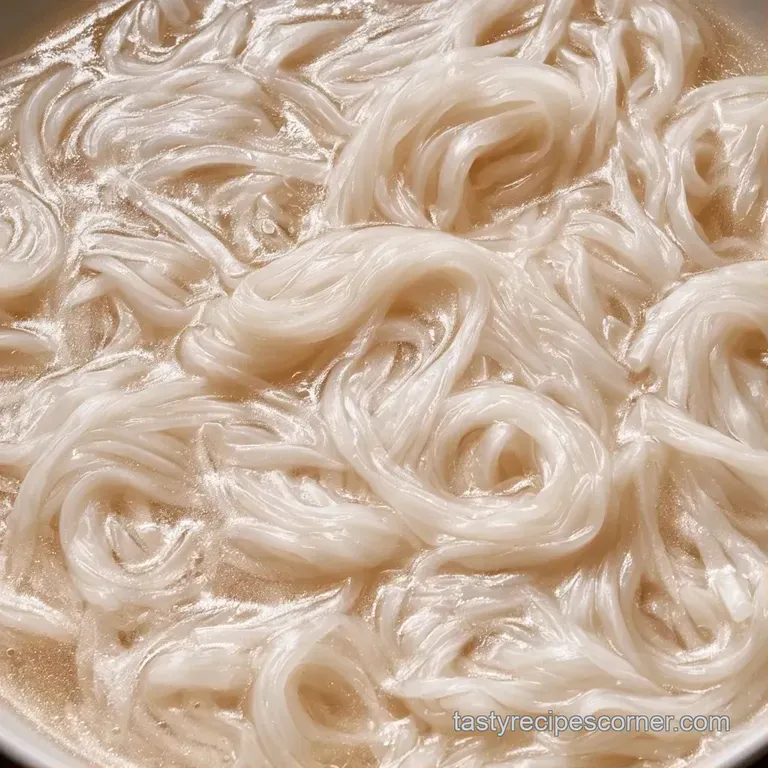
Switch off the heat completely. Stir in the rice noodles and let them steep in the hot liquid for 2 to 3 minutes until they are translucent and tender. They only require a hot soak, not a boil.
The Final Touch
Ladle the soup into bowls. Garnish with chopped cilantro and sliced scallions. Squeeze a fresh lime wedge over the top just before serving. This adds a bright acidity that awakens all the other flavors.
Pro Tips & Pitfalls
The most common challenge with Rice Noodle Soup is nailing the texture. If your noodles feel rubbery or the broth has thickened like glue, the starch has likely overcooked.
Preventing Mushy Noodles
When preparing large batches or meal prepping, avoid leaving the noodles in the pot. They will continue to soak up liquid until the soup disappears. I recommend boiling the noodles separately or placing them in individual bowls before topping them with hot broth.
Fixing Salty Broth
Because salt levels vary between fish sauce brands, your broth might occasionally taste too sharp. To balance this, stir in a teaspoon of brown sugar or an extra squeeze of lime. Both sweetness and acidity neutralize the salt without thinning the flavor.
Tenderizing the Protein
Tough chicken is usually a result of boiling for too long. I find that slicing the meat paper thin is the best approach. This ensures the pieces cook through in under 4 minutes, which is the ideal window for breast meat.
| Problem | Root Cause | Solution |
|---|---|---|
| Noodles are mushy | Overcooked in broth | Add noodles at the end; kill the heat |
| Broth is too salty | Excess fish/soy sauce | Use lime juice or a pinch of sugar |
| Chicken is rubbery | Overcooked at high heat | Slice thinner and cook for 3-5 mins max |
Common Kitchen Myths
Searing the chicken first "locks in the juices." It doesn't. Searing adds a brown crust for flavor, but in a soup like this, poaching the chicken directly in the broth keeps it much more tender.
You need expensive "specialty" rice noodles. Not true. The thin, dried rice sticks found in any grocery store work perfectly for this Rice Noodle Soup. Just follow the residual heat method and they'll be great.
Fresh ginger is a luxury. It's actually a necessity here. Ground ginger powder tastes completely different and lacks the zesty, spicy bite that makes this Rice Noodle Soup feel fresh.
Keeping It Fresh
If you have leftovers, store the broth and the noodles in separate containers. The noodles will turn into a solid block if they sit in the liquid overnight.
The broth stays good in a sealed tub in the cooler for about 3 to 4 days. For the freezer, I put the broth in freezer bags and keep it for up to 3 months. Just remember to thaw it in the fridge before reheating.
To avoid waste, save your scallion roots. I throw them into a freezer bag and add them to any homemade stock I'm simmering. Even the lime wedges can be frozen for use in drinks or other sauces.
How to Serve and Enjoy
This Rice Noodle Soup is best served in deep bowls to keep the heat in. I love adding a few extra red pepper flakes on top for those who like a bit of a kick.
For a full meal, I suggest serving this with a side of steamed bok choy or some crispy spring rolls. I sometimes dip my chicken in a bit of Yum Yum Sauce for an extra creamy, tangy contrast to the clear broth.
Make sure everyone has their own lime wedge. The difference between a "good" bowl and a "great" bowl of Rice Noodle Soup is that final hit of fresh citrus.
Creative Twists and Swaps
This recipe is quite flexible, allowing you to adapt it to various regional tastes. For a Thai style Rice Noodle Soup, mix a tablespoon of red curry paste with the garlic and ginger, and stir in a bit of coconut milk at the end for a creamier, more indulgent texture.
To create a Vietnamese Rice Noodle Soup, replace the chicken broth with a beef based stock and add a cinnamon stick and a star anise pod to the pot. This provides that signature aromatic quality found in traditional Pho shops.
If you're in the mood for a Chinese Rice Noodle Soup variation, increase the amount of soy sauce and add baby corn along with sliced shiitake mushrooms. The mushrooms contribute an earthy depth that pairs beautifully with the ginger.
For a Vegetarian Rice Noodle Soup Recipe, use a hearty vegetable broth and substitute the chicken for tempeh or sliced tofu. I suggest pan-searing the tofu in oil first to give it more texture. If you prefer a stir fried dish instead, my Pad Thai recipe uses similar noodles but offers a completely different flavor profile.
Now you have everything needed for a comforting evening meal. This Rice Noodle Soup demonstrates that you can achieve a rich, satisfying dinner without spending hours in the kitchen. Just be gentle with the noodles and keep a lime wedge nearby. Your family will likely request this every Tuesday.
Critical in Sodium
1420 mg 1,420 mg of sodium per serving (62% 62% of daily value)
The American Heart Association recommends a daily limit of 2,300mg, with an ideal limit of 1,500mg for most adults to reduce the risk of cardiovascular disease.
Tips to Reduce Sodium
-
Swap the Broth-30%
Replace the low-sodium chicken broth with homemade unsalted chicken stock or water infused with extra ginger and garlic.
-
Switch Soy Sauce-20%
Substitute the soy sauce with coconut aminos, which provides a similar savory flavor with significantly less sodium.
-
Modify Fish Sauce-20%
Reduce the fish sauce by half or use a low-sodium fish sauce alternative to lower the salty punch.
-
Boost Acidity-10%
Increase the amount of fresh lime juice and rice vinegar to enhance the flavor profile without needing extra salt.
-
Fresh Aromatics
Double the amount of fresh cilantro, scallions, and grated ginger to add natural depth and complexity to the broth.
Recipe FAQs
Are rice noodles good for soup?
Yes, they are excellent for absorbing aromatic flavors without becoming heavy.
Tip: choose thin noodles for the fastest cooking time and best texture.
How to stop noodles from soaking up the broth?
Stir them into the pot only after you have turned off the heat.
Tip: let them sit for 2 3 minutes until they are just translucent.
Is it true that rice noodles require a long boil?
That's a myth. Thin rice noodles cook in minutes using only the residual heat of the broth.
Tip: overcooking them leads to a mushy consistency that ruins the soup.
What sauce pairs best with this dish?
A combination of soy sauce and fish sauce provides the necessary savory depth.
Tip: add a squeeze of fresh lime at the end to brighten these salty notes.
Which method keeps the chicken tender?
Slice the chicken breast thinly and simmer it for only 3 5 minutes.
Tip: add the meat during the final stage of cooking so it does not overcook.
Do these noodles need soaking?
Thin rice noodles typically soften quickly enough in the hot broth alone.
Tip: only soak them beforehand if you are using a wider, thicker noodle variety.
Why is the broth too salty?
Too much fish sauce or soy sauce can easily overpower the other aromatic ingredients.
Tip: balance the saltiness by adding an extra splash of rice vinegar.
Which greens work best here?
Baby spinach is the ideal choice because it wilts almost instantly in hot liquid.
Tip: if you loved the flavor balancing in this recipe, see how we use the same acid technique in our southern classic.
Rice Noodle Soup Recipe