Mini Apple Pies with Buttery Crust
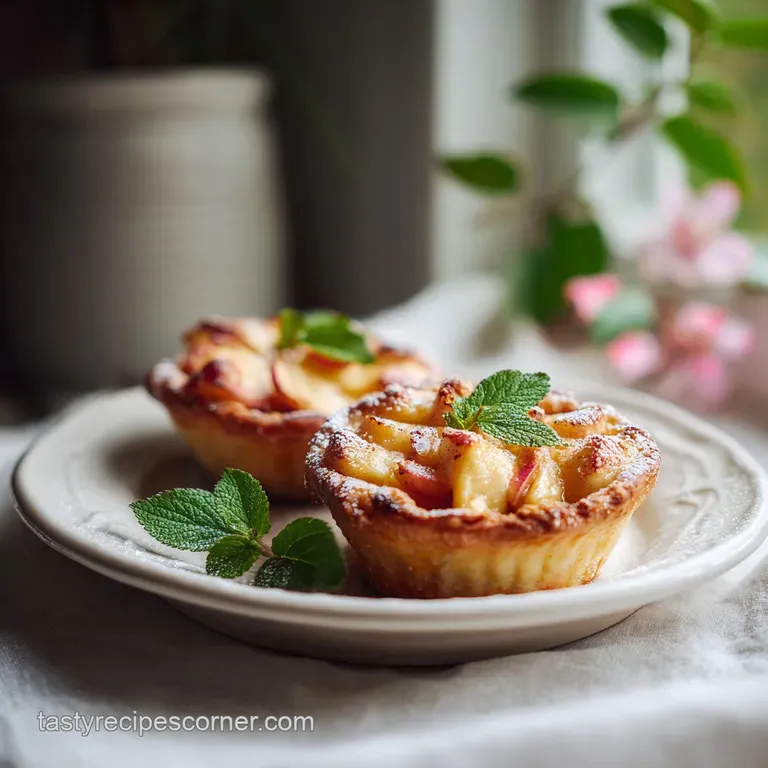
- Time: Active 30 minutes, Passive 20 minutes, Total 50 minutes
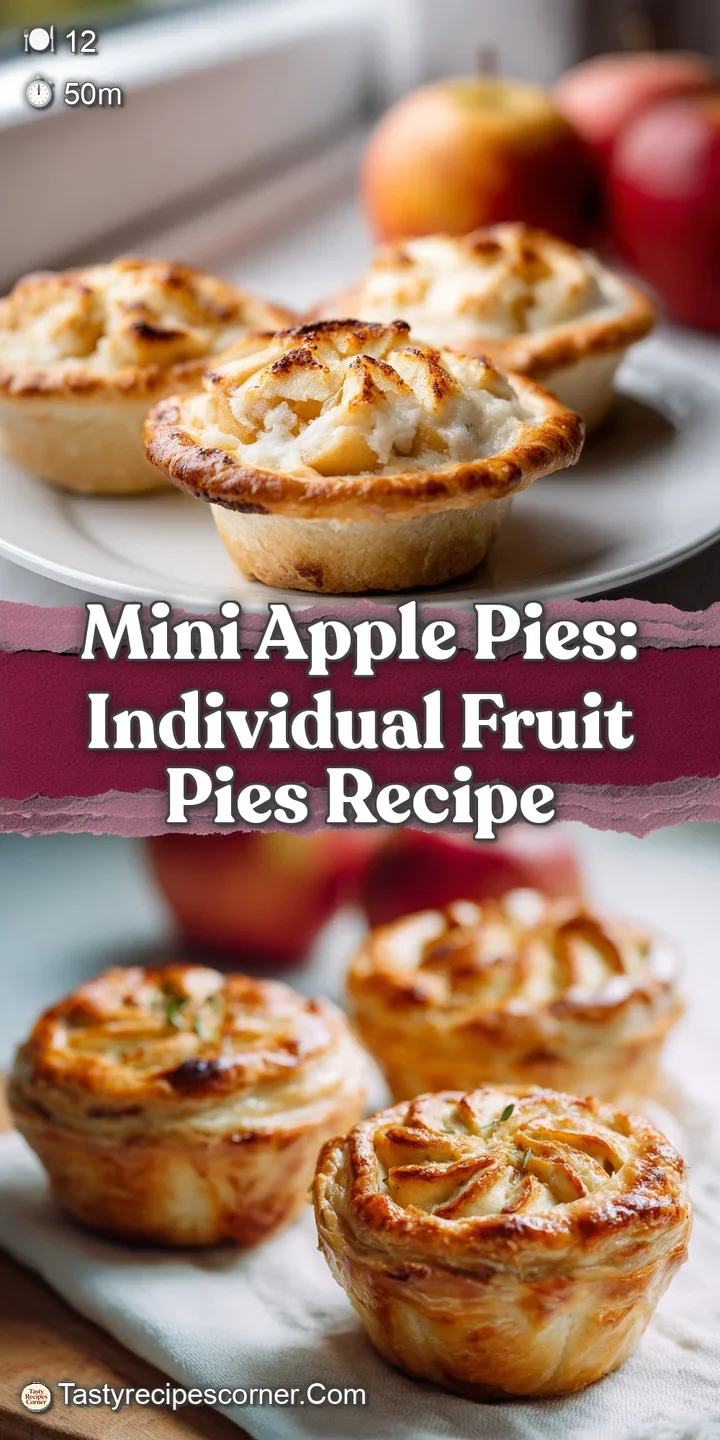
- Flavor/Texture Hook: Shattering buttery crust with a gooey, spiced cinnamon center
- Perfect for: Holiday parties, bake sales, or elegant dinner party finales
- Key Techniques for Mini Apple Pies
- Essential Specs and Comparisons
- Ingredient Science Deep Dive
- Components and Smart Swaps
- Equipment for Better Baking
- From Prep to Plate Guide
- Troubleshooting and Success Checklist
- Adjusting Batch Size Easily
- Debunking Pastry Myths
- Preservation Secrets and Waste
- Professional Presentation Tips
- Recipe FAQs
- 📝 Recipe Card
Key Techniques for Mini Apple Pies
The first time I pulled a tray of these out of the oven, the aroma of toasted cinnamon and bubbling brown sugar hit me like a warm hug. I remember peering through the oven glass, watching that tiny sizzle where the juice met the hot metal of the muffin tin.
It wasn't just about the scent, though; it was that specific "thump" of the tray on the counter that told me the pastry had turned into something special.
You know that heartbreak when you bite into a pie and the bottom is just a sad, damp sponge? We've all been there. My early attempts at this Apple Pie Pies recipe taught me that mini versions are prone to leaking and steaming themselves into oblivion. But when you get it right, that first bite is a literal shatter of golden flakes followed by the velvety warmth of softened fruit. It’s elegant, bite sized, and honestly, way more satisfying than a big slice that falls apart on the plate.
The Secret to Shattering Crust
Steam Expansion: Cold butter chunks in the dough turn into steam during the over high heat bake, forcing layers of flour apart to create physical gaps. This mechanism ensures the pastry is light and flaky rather than dense and biscuit like.
Chef's Tip: Freeze your 225g of unsalted butter for 10 minutes, then grate it into the flour. Those uniform, frozen shreds distribute perfectly without melting from the heat of your hands.
Chef's Tip: Replace 15ml of the ice water with cold vodka. Alcohol doesn't promote gluten development like water does, leading to an even more tender, flaky result that browns beautifully.
Essential Specs and Comparisons
Before we get our hands floured, let's talk about the method. I used to think hand pies were the way to go, but using a muffin tin provides a structural "cradle" that allows for more filling without the risk of the pie exploding in the oven.
It's the difference between a flat snack and a deep dish experience in miniature form.
| Method | Cook Time | Texture | Best For |
|---|---|---|---|
| Muffin Tin | 20 minutes | Deep dish, juicy | Dinner parties |
| Baking Sheet | 15 minutes | Hand pie, crispy | Kids' lunchboxes |
| Air Fryer | 12 minutes | Ultra crunchy | Quick cravings |
Choosing the right apple is just as vital as the method. I always go for something with a bit of "snap." If you use a soft apple like a McIntosh, you'll end up with applesauce inside your crust. We want distinct cubes that hold their shape even after the sugar has worked its magic. If you’re feeling adventurous, you could even use the fruit prep logic from this High Protein Apple recipe to keep things firm.
Ingredient Science Deep Dive
Every component in this recipe serves a functional purpose. We aren't just throwing things in a bowl; we are managing moisture and structural integrity.
| Ingredient | Science Role | Pro Secret |
|---|---|---|
| 315g AP Flour | Provides structure | Keep it chilled to prevent the butter from bonding too early. |
| 10g Cornstarch | Thickening agent | Mix with 15ml water first to prevent "clumps" in the filling. |
| 500g Apples | Flavor & Bulk | Dice to exactly 1/4 inch so they soften at the same rate as the pastry bakes. |
| 225g Butter | Fat & Flakiness | Use unsalted to control the seasoning precisely; salt affects gluten. |
When the 5g of sea salt hits the 50g of light brown sugar, something chemical happens. The salt doesn't just make it "salty"; it suppresses bitterness and wakes up the aromatic compounds in the 5g of cinnamon. It makes the apple flavor feel "bright" rather than just sweet.
Components and Smart Swaps
Getting the right balance of ingredients is the difference between a bakery standard treat and a kitchen mishap. Always use fresh spices; that jar of apple pie spice from three years ago won't give you the punch you need.
- 315g All purpose flour: The backbone of the crust.
- 225g Unsalted butter: Cubed and chilled is non negotiable. Why this? Provides the fat needed for a flaky, layered texture.
- 5g Sea salt: For flavor balance.
- 15g Granulated sugar: Helps the crust brown through caramelization.
- 120ml Ice water: Keeps the dough temperature low.
- 500g Apples: Peeled and diced. Why this? Granny Smith or Honeycrisp hold their structure under heat.
- 50g Light brown sugar: For a deep, molasses like sweetness.
- 10g Cornstarch: Combined with 15ml water. Why this? Prevents the juices from making the bottom crust soggy.
- 1 large egg: For the wash.
- 10g Turbinado sugar: For that crunchy, professional finish.
| Original Ingredient | Substitute | Why It Works |
|---|---|---|
| Unsalted Butter | Lard or Shortening | Lard creates a more "shatter crisp" crust but loses the buttery flavor. |
| Light Brown Sugar | Coconut Sugar | Similar caramel notes. Note: Slightly less moisture, may need a teaspoon of water. |
| Cornstarch | Tapioca Starch | Provides a clear, glossy finish and handles freezing better than cornstarch. |
Equipment for Better Baking
You don't need a professional kitchen, but a few specific tools make the process much smoother. A standard 12 cup muffin tin is the star here. I also highly recommend using a pastry cutter or two forks for the dough using your warm hands can melt the butter too quickly.
A small 3.5 inch circular cutter (or even a wide mouth glass) is perfect for cutting the bases, while a 2.5 inch cutter works for the tops. If you want to get fancy, a small lattice cutter or even a clean thimble can create venting holes that look beautiful. Just like when making a Mince Pies Recipe, having a cooling rack ready is essential to prevent the bottoms from steaming as they sit in the hot pan.
From Prep to Plate Guide
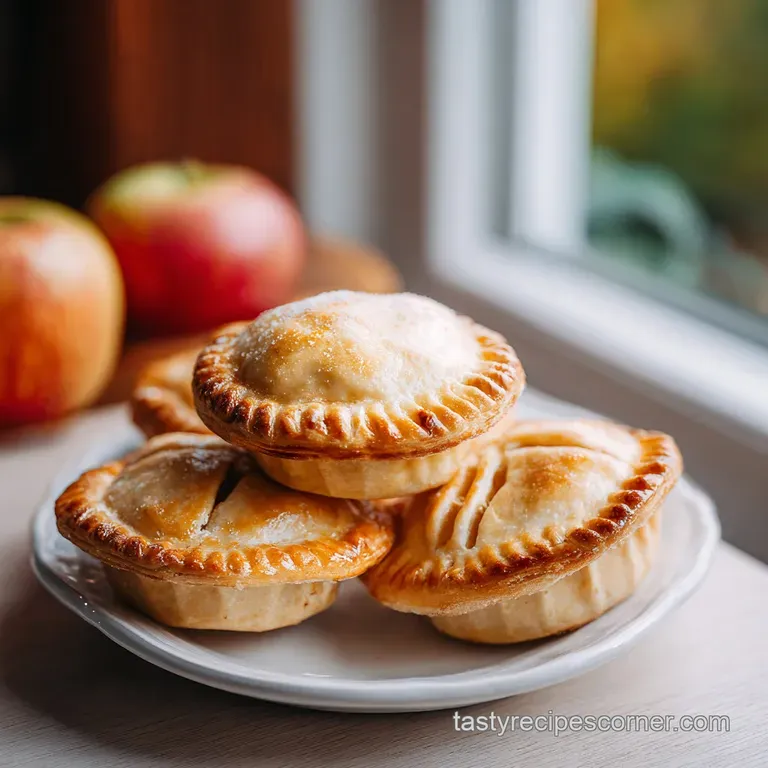
- Pulse the dry. Combine 315g flour, 5g salt, and 15g sugar in a bowl. Note: Mixing well prevents salt pockets.
- Cut the fat. Incorporate 225g chilled butter into the flour until it looks like coarse crumbs with pea sized lumps.
- Hydrate the dough. Drizzle in 120ml ice water, tossing with a fork until the dough just holds together when squeezed.
- Chill the pastry. Wrap the dough and refrigerate for 1 hour. Note: This relaxes the gluten for a tender bite.
- Sauté the apples. Cook 500g diced apples with 30g butter, 50g brown sugar, 5g cinnamon, and 2g spice until the fruit is slightly softened but not mushy.
- Thicken the juices. Stir in the 10g cornstarch slurry and 5ml vanilla, simmering until the liquid is thick and glossy. Let it cool completely.
- Shape the bases. Roll the dough to 1/8 inch thickness and cut twelve 3.5 inch circles, pressing them into a greased muffin tin.
- Fill and seal. Spoon the cooled apple mixture into the shells, then top with 2.5 inch dough circles or lattice strips.
- The final glaze. Brush with 1 beaten egg and sprinkle with 10g turbinado sugar.
- The over high heat bake. Bake at 400°F (200°C) for 20 minutes until the crust is deep golden and the filling bubbles.
Troubleshooting and Success Checklist
If your pies are leaking, it’s usually a sealing issue. Make sure you press the top crust firmly against the bottom crust. If the dough is too warm, it won't seal; it'll just slide.
Why Your Crust Is Tough
Usually, this happens because the dough was overworked. Every time you fold or press the dough, you're developing gluten. Stop as soon as it clumps together. If you notice the dough shrinking back when you roll it, let it rest in the fridge for another 15 minutes.
| Problem | Root Cause | Solution |
|---|---|---|
| Leaking Filling | No vent holes | Cut small slits in the top to let steam escape. |
| Soggy Bottoms | Wet filling | Ensure the apple mixture is fully cooled and thickened before filling. |
| Pale Pastry | Low oven temp | Ensure your oven is fully preheated to 400°F (200°C) before baking. |
Common Mistakes Checklist
- ✓ Ensure the apple filling is stone cold before it touches the raw dough.
- ✓ Don't skip the 1 hour fridge rest; it's the difference between "flaky" and "crumbly."
- ✓ Use a metal muffin tin rather than silicone for a crispier bottom.
- ✓ Pat the diced apples dry if they seem excessively juicy after peeling.
- ✓ Keep a baking sheet on the rack below to catch any drips of sugar.
Adjusting Batch Size Easily
Scaling this recipe is straightforward, but remember that pastry is sensitive to ratios. If you're doubling the recipe to 24 pies, don't just double the water start with 1.5x the amount and add more only if the dough is too dry.
When scaling down to 6 pies, use a small egg or just half a beaten egg for the wash. For the spices, I find that reducing them to exactly half can sometimes feel "flat," so keep the cinnamon slightly higher (about 3g for a half batch) to ensure that warm flavor still shines through.
| Goal | Adjustment | Outcome |
|---|---|---|
| Budget Friendly | Use margarine and Granny Smith | Saves roughly $5. Note: Slightly less rich flavor. |
| Time Saver | store-bought pie crust | Saves 45 minutes. Note: Thinner, less flaky layers. |
| Gourmet | Add 30g toasted walnuts | Adds crunch and depth. Note: Changes texture profile. |
Debunking Pastry Myths
There's a common belief that you need a food processor for "real" pastry. Honestly, a food processor can overwork the dough in seconds. Using your hands or a simple pastry blender gives you much better control over the size of the butter chunks.
Another myth is that all apples work for pie. If you use a Red Delicious, you'll end up with a mealy, tasteless mess. Stick to high acid, firm flesh varieties. Finally,, "more water makes it easier to roll" is a trap. More water equals more gluten, which equals a tough, rubbery crust that nobody wants to eat.
Preservation Secrets and Waste
Storage: These stay crisp on the counter for about 2 days in an airtight container. If you keep them in the fridge (up to 5 days), the crust will soften slightly, so a quick trip to the toaster oven is a must.
Freezing: You can freeze these unbaked! Flash freeze them in the muffin tin for 2 hours, then pop them into a freezer bag for up to 3 months. Bake them straight from frozen, adding about 5-8 minutes to the total time.
Zero Waste: Don't toss those apple peels! Simmer them with a bit of water, a cinnamon stick, and a spoonful of sugar to create a quick apple tea or a simple syrup for cocktails. The leftover dough scraps can be sprinkled with cinnamon sugar and baked for 10 minutes as "pie fries."
Professional Presentation Tips
If you want to move beyond the basic muffin tin look, consider the plating. A small detail can change the entire experience of the dish.
- Simple: Serve warm on a wooden board with a light dusting of powdered sugar.
- Polished: Place on a white plate with a neat scoop of vanilla bean ice cream and a sprig of mint.
- Restaurant: Create a "caramel swipe" on the plate using the leftover juices from the pan, top with the pie, and finish with a pinch of flaky sea salt (like Maldon).
If you’re feeling extra fancy, you could even serve these alongside a savory option like my Mini Mushroom & recipe for a balanced brunch spread. The contrast between the sweet apple and the earthy goat cheese is a crowd pleaser every single time. Whatever you do, make sure that Oatmeal Cream Pies recipe isn't the only thing on the dessert table next time you host!
Recipe FAQs
What pastry is best for mini apple pies?
Use a classic all-butter shortcrust pastry. This offers the best combination of flakiness and structural integrity needed to hold the filling without becoming overly tough.
How to adjust baking time for mini pies?
Reduce the oven temperature slightly and monitor visually. While 20 minutes is standard at 400°F (200°C), if you notice the edges browning too fast, drop the heat to 375°F (190°C) and extend the time by 2-5 minutes until the centers bubble.
Does Trader Joe's have mini pies?
Yes, they often carry seasonal or limited edition mini pies. Check their freezer section around holidays, but homemade ones allow for better filling control and superior crust texture.
Are mini pies healthier than regular pies?
No, the nutritional density per serving is similar, but portion control is easier. Since they are baked in muffin tins, it naturally limits the amount you consume in one sitting, which helps with caloric moderation.
What prevents the bottom crust from getting soggy in mini pies?
Partially pre-cooking and thickening the filling is crucial. Cooling the apple mixture completely before placing it into the raw pastry shell ensures the excess moisture doesn't steam the bottom crust during baking. If you master controlling moisture here, you apply the same drying logic to our Irresistible Orange Glazed recipe for a perfect crumb.
How to ensure the lattice tops seal properly?
Moisten the edges of the bottom dough before placement. Use a fingertip dipped in water to lightly brush the rim of the lower crust before laying the top piece on, then crimp firmly with a fork to prevent leakage.
Can I use applesauce instead of diced apples for faster cooking?
No, using applesauce will result in a messy, steamy filling. Diced apples provide necessary structure, and if you need speed, try methods that manage high moisture content, like those used in our Sticky Toffee Pudding recipe, where the sauce is incorporated differently.
Mini Apple Pies Recipe
Ingredients:
Instructions:
Nutrition Facts:
| Calories | 303 kcal |
|---|---|
| Protein | 3.6 g |
| Fat | 18.2 g |
| Carbs | 33.1 g |
| Fiber | 1.4 g |
| Sugar | 12.2 g |
| Sodium | 178 mg |
