Beef Mincemeat Pie with Orange Juice

- Total2 Hrs 10 Mins
- Calories786 kcal
- CuisineBritish
- Time: 30 min active + 1 h 10 min cooking + 30 min resting
- Flavor & Texture: Rich, savory beef under a shattering, buttery crust
- Perfect for: Hungry families or a cozy Sunday dinner
Beef Mincemeat Pie
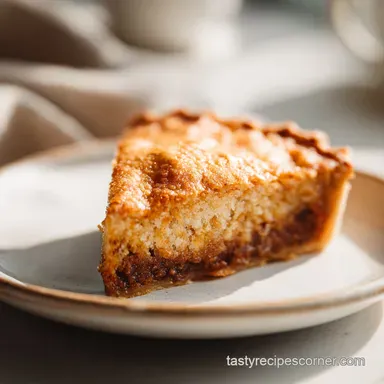
The first thing you'll notice is the sound. That distinct crack when your knife hits the golden crust, followed by a cloud of steam and the smell of browned beef and thyme. It's the kind of meal that makes the whole house feel warm, even if it's freezing outside.
This recipe delivers a deep, dark golden filling that isn't greasy. Instead, it's a thick, savory gravy that clings to the meat. It's a hearty beef mincemeat pie that doesn't require hours of simmering to taste like it has.
You can expect a pastry that flakes away in layers and a filling that's rich and savory. It's designed for those nights when you need something substantial that feels like a hug on a plate.
Gathering the Ingredients
The Purpose of Each Ingredient
| Ingredient | Role | Substitutes |
|---|---|---|
| Ground Beef | Primary protein and flavor | Ground turkey (leaner, less savory) |
| Chilled Butter | Ensures flaky pastry layers | Vegetable shortening (more flake, less taste) |
| Cornstarch | Thickens the gravy | Flour (use 2x quantity, cook longer) |
| Orange Juice | Brightens the heavy beef | Apple cider or a dash of vinegar |
Filling and Crust Ingredients
- 1½ lb ground beef (10-15% fat)
- 1 large yellow onion, finely diced (150g)
- 2 medium carrots, finely diced (120g)
- 3 cloves garlic, minced (15g)
- 2 tbsp orange juice Why this? Provides acidity to balance the richness
- 1 cup low-sodium beef broth
- 1 tbsp Worcestershire sauce
- 1 tsp dried thyme
- 2 tbsp cornstarch
- 1 tbsp water
- 1 tsp salt
- ½ tsp black pepper
- 2 tbsp unsalted butter
- 2 ½ cups all-purpose flour
- 1 cup unsalted butter, cold and cubed Why this? Key to achieving a flaky crust
- 1 tsp salt
- 8 tbsp ice-cold water
- 1 large egg, beaten
| Original Ingredient | Substitute | Reason |
|---|---|---|
| All-purpose Flour | gluten-free Blend | Use a 1:1 gluten-free baking flour blend that already contains xanthan gum. Note: The crust will be more delicate |
| Beef Broth | Vegetable Broth | Comparable salt and liquid base. Note: Lacks the same meaty depth |
The Right Tools
While you can use basic equipment, a few specific tools make the process easier. A large cast-iron skillet is ideal for searing the meat since it retains heat effectively. For the crust, a pastry cutter helps blend in the butter without melting it with your fingertips.
Lastly, a 12-inch deep-dish pie plate ensures there is plenty of space for all the filling.
Putting it Together
Phase 1: Crafting the Savory Filling
- Preheat oven to 400°F (200°C).
- Melt 2 tbsp unsalted butter in a large cast-iron skillet over medium heat. Add 1 large yellow onion (150g) and 2 medium carrots (120g), cooking until the onions are translucent and the carrots have softened.
- Increase heat to medium-high. Add 1½ lb ground beef, breaking it apart with a spoon. Cook until the meat is deeply browned and no longer pink (internal temperature 160°F/71°C). Stir in 3 cloves (15g) minced garlic for the final 60 seconds.
- Pour in 2 tbsp orange juice, scraping the bottom of the pan to release the browned bits. Add 1 cup low-sodium beef broth, 1 tbsp Worcestershire sauce, 1 tsp dried thyme, 1 tsp salt, and ½ tsp black pepper. Lower heat and simmer for 15 minutes until the liquid reduces by a third.
- Stir in a slurry made of 2 tbsp cornstarch and 1 tbsp water. Simmer for another 2 minutes until the sauce is glossy and thick. Remove from heat and let cool to room temperature within 2 hours. Note: Cooling the filling prevents the bottom crust from getting soggy

Phase 2: Preparing the Shortcrust Pastry
- In a large bowl, whisk 2 ½ cups all-purpose flour and 1 tsp salt. Add 1 cup chilled cubed unsalted butter. Use a pastry cutter to work the butter into the flour until it resembles coarse crumbs with some pea-sized lumps remaining.
- Gradually add 8 tbsp ice-cold water, one tablespoon at a time. Stir with a fork until the dough just begins to clump together.
- Shape the dough into a disk, wrap in plastic, and refrigerate for 30 minutes.
Phase 3: Assembly and Baking
- On a floured surface, roll half the dough into a circle and line the bottom of a 12-inch deep-dish pie plate.
- Pour the cooled beef filling into the crust, smoothing the top with a spatula.
- Roll out the remaining dough and place it over the filling. Trim the edges, press down to seal, and cut a small vent in the center.

- Brush the top generously with 1 large beaten egg. Bake for 40-50 minutes until the crust is golden brown and the centre of the filling reaches 165°F/74°C.
| Prep Step | Timing Check | Goal |
|---|---|---|
| Browning Beef | 8-12 minutes | Deep brown color, no pink |
| Dough Chill | 30 minutes | Firm, cold butter |
| Final Bake | 40-50 minutes | Golden brown crust, filling 165°F/74°C in centre |
Problems and Solutions
If the bottom of your pie feels a bit damp, it's usually because the filling was still hot when it hit the dough. Heat melts the butter in the bottom crust before the oven can set it.
Another common issue is the crust shrinking during the bake, which happens when the dough is handled too much or not chilled long enough.
If the filling seems too thin, you might have simmered the broth for too short a time. The cornstarch slurry should give it a glossy, thick hold, but it only works if the base liquid is already reduced. This is the key to a clean slice of your beef mincemeat pie.
Fixing a Soggy Bottom
Ensure the filling is completely cooled to room temperature before adding it to the crust.
Handling Crust Shrinkage
Avoid overworking the dough and let it rest in the fridge for the full 30 minutes.
Correcting Thin Filling
Simmer the beef mixture longer before adding the cornstarch slurry to ensure enough reduction.
| Problem | Root Cause | Solution |
|---|---|---|
| Soggy Bottom | Filling was too hot | Cool filling to room temp first |
| Shrinking Crust | Dough was too warm | Chill for 30 mins before rolling |
| Runny Filling | Under-reduced broth | Simmer 5-10 mins longer |
Storage and Leftovers
Store leftover slices in airtight containers in the fridge. According to USDA safe temperatures, cooked leftovers should be kept for 3 to 4 days.
If you want to freeze it, you can wrap the unbaked pie in foil and keep it in the freezer for up to 2 months. When you're ready, bake it straight from frozen, but add 15-20 minutes to the cook time.
To reheat, avoid the microwave, as it makes the crust chewy. Instead, put portions in a 350°F oven for 10-15 minutes until they reach an internal temperature of 165°F (74°C). This keeps the crust crisp and the filling hot.
Serving Ideas

This goes great with mashed potatoes or a heap of buttered peas. To brighten things up, a fresh garden salad with a tangy dressing balances the heavy flavors of the meat. For a touch of elegance, a dollop of cranberry sauce adds a lovely tart contrast.
Mix-ins and Swaps
Individual Mince Beef Pies
Instead of one large pie, divide the filling into six 4-inch ramekins. Top each with a circle of pastry, brush with egg, and bake for 20-25 minutes. This is a great way to serve this beef mincemeat pie at a party.
The Old Fashioned Beef Mincemeat Pie Style
For a more traditional feel, add a handful of currants or finely diced dried apricots to the filling. The sweetness of the dried fruit against the savory beef is a classic touch.
A Cheesy Twist
Stir in a half cup of sharp cheddar cheese to the filling just before pouring it into the crust. If you want an even richer experience, you can serve it with a drizzle of Cheddar Cheese Sauce over the top of each slice.
Minced Beef Pie with Sliced Potato Topping
If you're skipping the pastry, top the filling with thinly sliced potatoes overlapped like shingles. Brush them with melted butter and bake until the potatoes are crisp and browned.
Critical Sodium Level
2367 mg of sodium per serving (103% of daily value)
American Heart Association recommendation: no more than 2,300 mg of sodium per day
Tips to Reduce Sodium
-
Eliminate Added Salt
Remove the added salt from both the beef filling and the pastry crust to significantly lower the total sodium content.
-
Switch the Broth
Replace the low-sodium beef broth with unsalted beef stock or a homemade salt-free vegetable broth.
-
Reduce Worcestershire Sauce
Use less Worcestershire sauce or swap it for a combination of lemon juice and a drop of soy-free coconut aminos.
-
Amplify Herbs and Spices
Increase the dried thyme and add extra black pepper or a pinch of paprika to provide flavor depth without relying on salt.
-
Boost Fresh Aromatics
Increase the amount of minced garlic and diced onion to enhance the natural savory profile of the filling.
Good to Know
What exactly is mincemeat pie made of?
This savory pie consists of ground beef, carrots, onion, and garlic simmered in a seasoned beef broth and enclosed in a buttery pastry.
Tip: Use ground beef with 10-15% fat to keep the filling moist.
How to prepare a beef mincemeat pie?
Brown the ground beef with vegetables, simmer with broth and seasonings, then bake within a chilled pastry crust at 400°F (200°C).
Tip: Let the filling cool completely before filling the crust to avoid a soggy base.
Can this be made like an old-fashioned mince beef pie?
Yes, this recipe uses a traditional savory meat filling and a double crust to recreate the classic style.
Tip: Brush the pastry with a beaten egg for a professional golden finish.
Where should leftover slices be stored?
Store slices in sealed containers within the refrigerator for 3 to 4 days.
Tip: To maintain crust texture, reheat portions in a 350°F oven rather than a microwave. When reheating cooked leftovers, check with a food thermometer that the center reaches 165°F (74°C); the appliance temperature and time alone do not confirm this.
Beef Mincemeat Pie with Orange Juice
Ingredients:
Instructions:
You May Also Like

Classic Beef Chili
Master the Best Classic Beef Chili with our unique spice blooming technique.

Cheddar Cheese Sauce
This Cheddar Cheese Sauce is a velvety, homemade cheddar cheese sauce perfect for fries.

Ranch Dip in 5 Minutes: Creamy and Thick Homemade Recipe
Master this thick and creamy ranch dip with our recipe. Features a flavor bloom technique for best…
