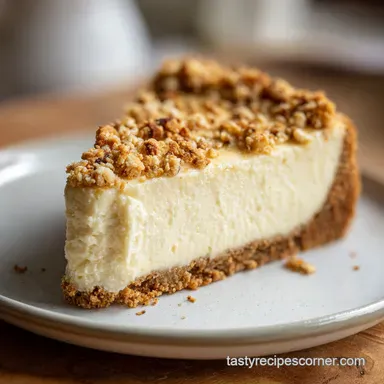
Best Keto Cheesecake: Velvety and Rich
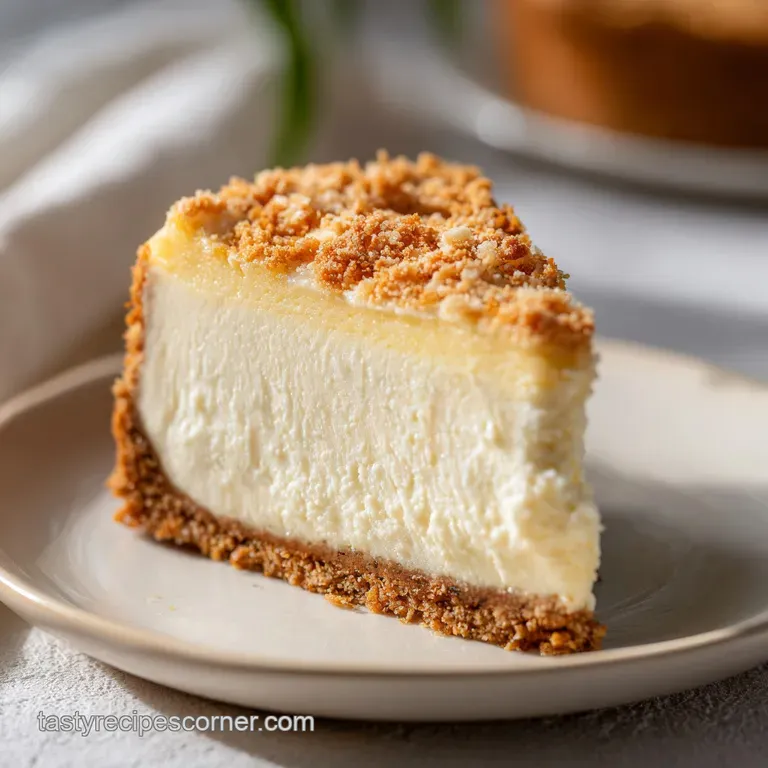
- Time: 15 min active + 60 min baking + 6 hrs chilling = Total 7 hours 15 mins
- Flavor/Texture Hook: Velvety filling with a buttery, shatter crisp almond base
- Perfect for: Dinner parties, holiday dessert tables, or impressive Make-ahead treats
- Best Keto Cheesecake Recipe Low Carb
- The Logic Behind the Bake
- Component Analysis
- The Ingredient List
- Essential Kitchen Tools
- Step-by-Step Baking
- Avoiding Dessert Disasters
- Creative Flavor Ideas
- Adjusting the Batch Size
- Common Baking Misconceptions
- Storage and Zero Waste
- Pairing and Serving
- Recipe FAQs
- 📝 Recipe Card
The smell of warm vanilla and toasted almonds hitting the air is honestly the best part of this process. I remember serving this at a dinner party a few years back, and I didn't tell anyone it was low carb until they were halfway through their second slice.
One friend kept asking if I'd found a "secret gourmet bakery" because the texture was so silky and didn't have that weird, gritty feel some sugar-free desserts have.
The real hero here is the full fat cream cheese. I've tried using lighter versions or Greek yogurt swaps in the past, but they just don't hold up. You need that specific fat content to get the structural integrity and the melt in-your mouth feel.
When you use the full fat stuff, it creates a dense, creamy canvas that carries the vanilla and lemon perfectly.
This keto cheesecake recipe low carb is designed for those moments when you want to wow guests without spending all day in the kitchen. It’s an elegant dessert that feels high end but is actually quite forgiving if you follow a few key rules about temperature.
Trust me, the wait for it to chill is the hardest part, but it's what makes the texture transition from "soft" to "velvety".
Best Keto Cheesecake Recipe Low Carb
Since we're aiming for an occasion ready dessert, we need to talk about why this specific method beats the alternatives. Most people struggle with low carb bakes because they lack the "glue" that sugar provides.
In this recipe, we rely on the protein in the eggs and the fat in the cream cheese to create a stable emulsion.
The goal is a slice that holds its shape on a plate but feels light on the tongue. By using powdered erythritol instead of granulated, we avoid that "cooling" sensation often found in keto sweets. It blends in seamlessly, leaving you with a clean, sweet finish that doesn't scream "diet food".
But what about the crust? That's where most people trip up. Almond flour can be finicky and sometimes tastes too "nutty". By pre baking the crust and adding a pinch of salt, we create a savory contrast that cuts through the richness of the filling. It gives the cake a professional foundation.
The Logic Behind the Bake
Rather than getting too technical, let's look at what's actually happening in your oven.
- Fat Stabilization: Full fat cream cheese provides the structure. The fat traps air bubbles during mixing, which creates that airy yet dense consistency.
- Temperature Control: Baking at a lower temp (160°C) prevents the eggs from curdling. This is why the center stays silky instead of turning into a sponge cake.
- The Slow Cool: Cracking the oven door lets the temperature drop gradually. This prevents the sudden shock that usually causes those annoying surface cracks.
- Acid Balance: Lemon juice isn't just for flavor. It breaks down some of the heavy proteins in the cheese, making the final result feel less "heavy".
| Method | Bake Time | Texture | Best For |
|---|---|---|---|
| Oven Bake | 60 mins | Dense & Velvety | Elegant Dinner Parties |
| No Bake | 0 mins | Mousse like | Quick Summer Treats |
| Stovetop | 20 mins | Custard style | Small Individual Pots |
Component Analysis
Understanding how the ingredients interact helps you avoid the common pitfalls of low carb baking.
| Ingredient | Science Role | Pro Secret |
|---|---|---|
| Cream Cheese | Primary Structure | Must be room temp to avoid lumps |
| Almond Flour | gluten-free Base | Superfine grade prevents grittiness |
| Powdered Erythritol | Sweetener | Powdered version dissolves faster |
| Eggs | Binding Agent | Room temp ensures a smooth emulsion |
The Ingredient List
For this keto cheesecake recipe low carb, precision is key. Make sure your cream cheese is truly softened, or you'll end up with tiny white lumps in your filling.
- 1.5 cups (180g) superfine almond flour Why this? Provides a buttery, crumbly base without wheat (Substitute: Coconut flour, but use only 1/3 cup as it absorbs more moisture)
- 3 tbsp (42g) melted unsalted butter Why this? Binds the flour and adds richness (Substitute: Coconut oil for dairy-free)
- 2 tbsp (24g) powdered erythritol Why this? Adds a hint of sweetness to the crust (Substitute: Monk fruit sweetener)
- 0.25 tsp (1.5g) salt Why this? Balances the sweetness
- 24 oz (680g) full fat cream cheese, softened Why this? Creates the velvety body (Substitute: Mascarpone for a richer, milder taste)
- 0.5 cup (96g) powdered erythritol Why this? Sweetens without adding carbs (Substitute: Allulose for a more "natural" sugar feel)
- 3 large eggs, room temperature Why this? Sets the filling during baking
- 0.5 cup (120g) full fat sour cream Why this? Adds tang and smoothness (Substitute: Greek yogurt for a slightly thicker texture)
- 1 tsp (5ml) pure vanilla extract Why this? Depth of flavor
- 1 tbsp (16g) lemon juice Why this? Brightens the heavy fats
Essential Kitchen Tools
You don't need a professional kitchen, but a few specific tools make this much easier. I highly recommend a 9 inch springform pan; trying to get a cheesecake out of a regular cake pan is a recipe for a heartbroken cook.
A stand mixer such as a KitchenAid is great for getting the cream cheese smooth, but a hand mixer works just fine. Just be careful not to overbeat the eggs. You also want a spatula for folding in the sour cream to keep the batter light.
Step-by-step Baking
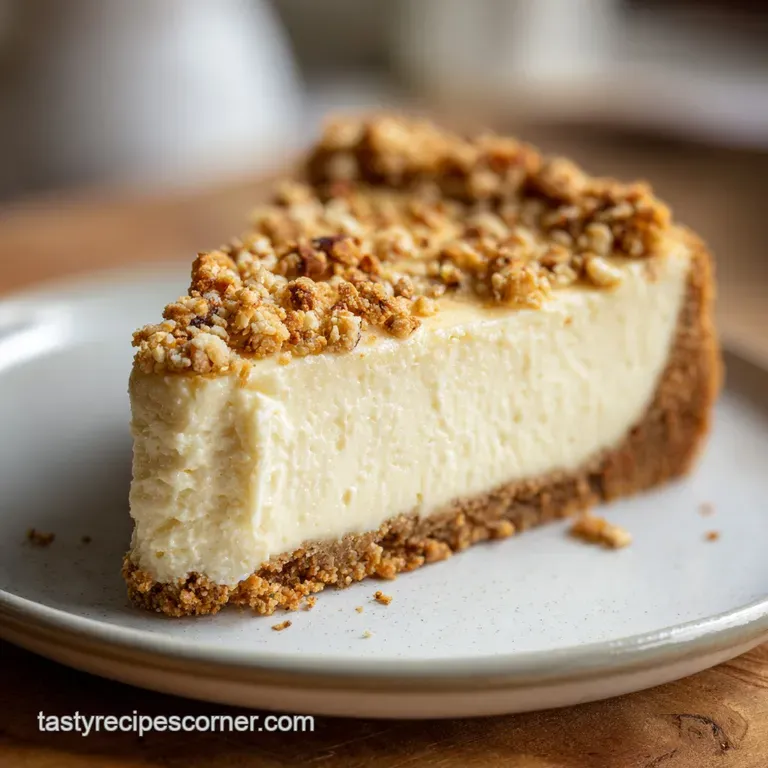
Right then, let's get into the actual making. Follow these steps closely, and pay attention to the sensory cues.
- Combine almond flour, melted butter, powdered erythritol, and salt. Press the mixture firmly into the bottom of a 9 inch springform pan using the back of a spoon. Note: Pressing hard prevents the crust from separating
- Bake the crust at 325°F (160°C) for 8-10 minutes until lightly golden and smelling toasted. Let it cool.
- Beat softened cream cheese and powdered erythritol on medium low speed until smooth and glossy.
- Add eggs one at a time, mixing just until incorporated. Note: Stop immediately once the yellow disappears to avoid adding too much air
- Fold in the sour cream, vanilla extract, and lemon juice; stop as soon as the batter is uniform.
- Pour the filling over the pre baked crust and bake at 325°F (160°C) for 50-60 minutes until edges are set but the center still has a slight jiggle.
- Turn off the oven and crack the door open slightly for 30 minutes to allow gradual cooling. Note: This is the secret to avoiding cracks
- Remove from oven, let reach room temperature, then refrigerate for at least 6 hours.
Avoiding Dessert Disasters
Even the best of us hit a snag occasionally. Most cheesecake issues come down to temperature or over mixing. If you've noticed your cakes always cracking, it's likely because the oven was too hot or the cooling process was too fast.
Why Your Cake Cracked
This usually happens when the eggs overcook and pull away from the sides. According to King Arthur Baking, maintaining a steady, lower temperature is vital for custards and cheesecakes.
| Problem | Root Cause | Solution |
|---|---|---|
| Surface Cracks | Oven too hot/Fast cool | Use the "cracked door" method |
| Grainy Filling | Cold cream cheese | Soften cheese to 65°F (18°C) |
| Soggy Crust | Underbaked base | Bake crust until golden brown |
Why Your Filling Is Runny
If the cake doesn't set, you might have over mixed the batter, incorporating too much air, or you didn't chill it long enough. Remember, the structure only fully locks in during those 6 hours in the fridge.
Why the Crust Crumbles
This happens if the butter wasn't fully melted or if you didn't press the dough firmly into the pan. A loose crust won't support the weight of the filling.
Mistake Checklist:
- ✓ Did you use room temperature eggs? (Cold eggs break the emulsion)
- ✓ Did you stop mixing once the eggs were incorporated? (Avoids air bubbles)
- ✓ Is the center still jiggling slightly when you pull it out? (Prevents overbaking)
- ✓ Did you wait the full 6 hours before slicing? (Essential for set)
Creative Flavor Ideas
Once you've mastered this keto cheesecake recipe low carb, you can start playing with the flavors. This base is incredibly versatile. For a zesty twist, you can add lemon zest to the batter or top the finished cake with fresh raspberries.
If you're in the mood for something even more indulgent, try swirling in some melted dark chocolate or a bit of peanut butter before baking. For those who love a nuttier profile, these slices pair beautifully with a scoop of pistachio ice cream.
If you find yourself craving something sweet but don't have 7 hours to wait for a bake, you might prefer my keto cookie dough dip, which is ready in a fraction of the time.
Adjusting the Batch Size
Sometimes you don't need a full 12 serving cake. Here is how to handle the math without ruining the texture.
Scaling Down (1/2 batch): Use a 6 inch pan instead of a 9 inch. Reduce the baking time by about 20% and keep a close eye on that center jiggle. For the eggs, beat one egg in a small bowl and use exactly half of it by weight.
Scaling Up (2x batch): I don't recommend baking one giant cake as the center will never cook before the edges burn. Instead, make two separate 9 inch cakes. If you must bake them together, lower the oven temperature by 10°C and extend the baking time.
Keep salt and vanilla to 1.5x instead of 2x to avoid overpowering the cheese.
| Goal | Pan Size | Temp Adjustment | Time Adjustment |
|---|---|---|---|
| Mini Cakes | 4 inch | No change | Reduce by 30% |
| Medium Cake | 6 inch | No change | Reduce by 20% |
| Large Batch | 2x 9 inch | Lower by 10°C | Increase by 15% |
Common Baking Misconceptions
There are a few myths about low carb baking that I want to clear up. First, some people think almond flour always tastes like "wet nuts". In this recipe, the butter and the pre baking process toast the flour, which gives it a flavor much closer to a traditional graham cracker crust.
Another myth is that you can substitute any sweetener 1:1. While erythritol works great here, some sweeteners can leave a bitter aftertaste when baked at high temperatures. This is why we use a lower oven temp and powdered versions to ensure the sweetness is balanced.
Finally, don't believe that "more mixing equals a smoother cake". Over mixing the eggs actually introduces air that causes the cake to rise like a soufflé and then collapse, leading to those deep cracks on top.
Storage and Zero Waste
To keep your slices velvety, always store the cheesecake in the fridge. Cover it with beeswax wrap or a loose piece of foil to prevent it from absorbing other fridge smells. It will stay fresh for about 5 days.
Freezing Guidelines: This cake freezes surprisingly well. Slice it first, then wrap each slice individually in parchment paper and place them in a freezer bag. They'll last for 2 months. To eat, let a slice thaw in the fridge overnight.
Zero Waste Tips: If you have leftover cream cheese or sour cream, don't toss them. You can use the leftover sour cream to make a quick dip for veggies or stir the cream cheese into a morning coffee for a "keto latte" vibe.
If you have a bit of almond flour left, toss it into your morning pancakes or use it to thicken a sauce.
Pairing and Serving
To make this feel like a true occasion dessert, presentation is everything. I love serving this with a handful of fresh blackberries or a drizzle of sugar-free raspberry coulis. The acidity of the berries cuts right through the richness of the cream cheese.
For a sophisticated touch, you can dust the top with a tiny bit of cocoa powder or garnish each slice with a single mint leaf. If you're serving this at a party, keep the cake chilled until the very last second. The contrast between the cold cake and a warm cup of coffee or tea is simply unmatched.
Because this keto cheesecake recipe low carb is so rich, a smaller slice is usually enough to satisfy. If you're looking for something to serve alongside it, a light, citrusy salad or some fresh strawberries are the way to go. It keeps the meal feeling balanced and elegant.
Recipe FAQs
Can I use granulated erythritol instead of powdered?
No, stick with powdered. Granulated erythritol does not dissolve fully into the cream cheese, which creates a gritty mouthfeel.
Why did my cheesecake crack on top?
Overmixing the eggs or cooling too fast usually causes cracks. Mix eggs only until incorporated and always use the open door oven cooling method.
How to store the keto cheesecake?
Store in the fridge covered with beeswax wrap or foil. This prevents the cake from absorbing other odors and keeps it fresh for 5 days.
Is it true I should bake the cake at 350°F to finish it faster?
No, this is a common misconception. Baking at 325°F is necessary to keep the texture creamy and prevent the edges from overcooking before the center sets.
How to freeze the cheesecake for later?
Slice the cake first, then wrap each slice individually in parchment paper. Place them in a freezer bag for up to 2 months.
Why is my almond flour crust crumbling?
You likely didn't press the mixture firmly enough. Use the back of a spoon to pack the almond flour and butter mixture tightly into the pan before baking.
Can I use a different sweetener for the crust?
Stick with powdered erythritol to maintain the low-carb profile. If you enjoyed the balance of flavors in this bake, see how we handle similar sweetness in our applesauce cake.
Keto Low Carb Cheesecake