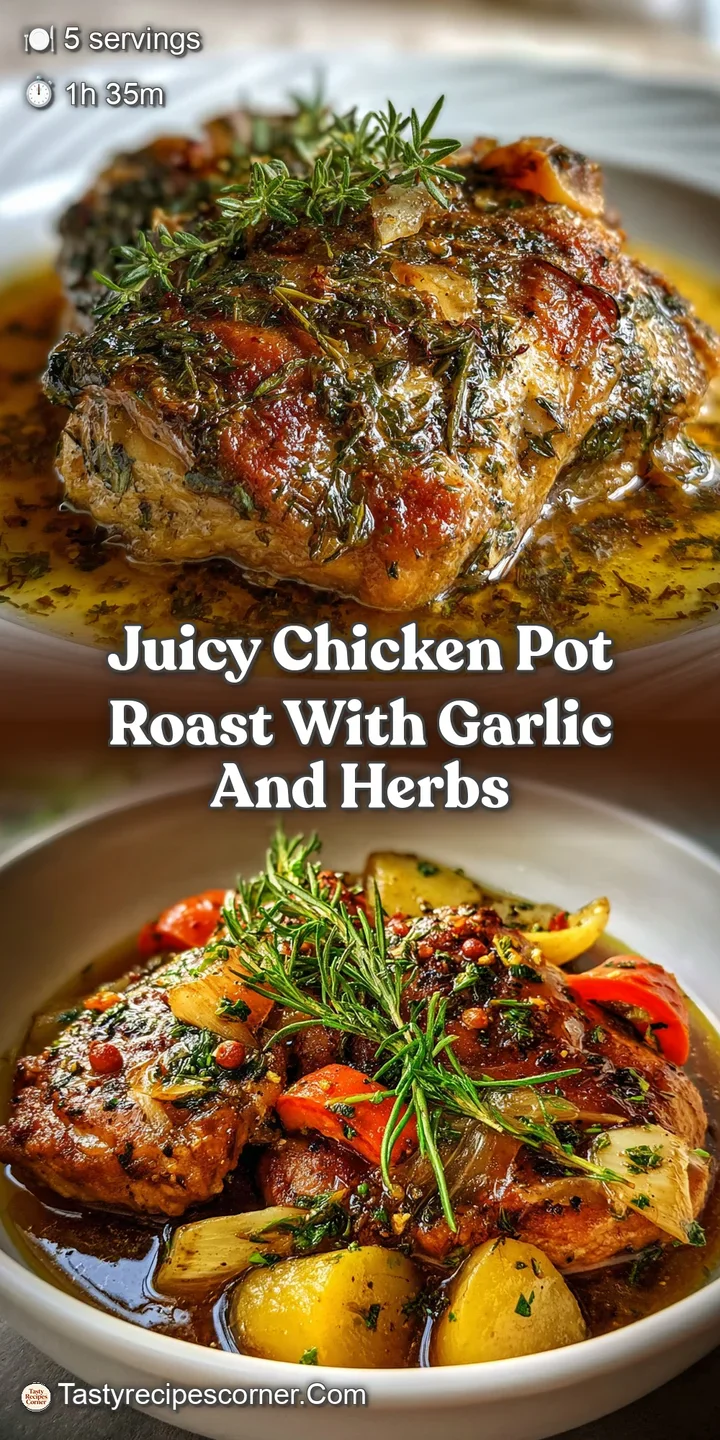
Juicy Chicken Pot Roast with Garlic and Herbs
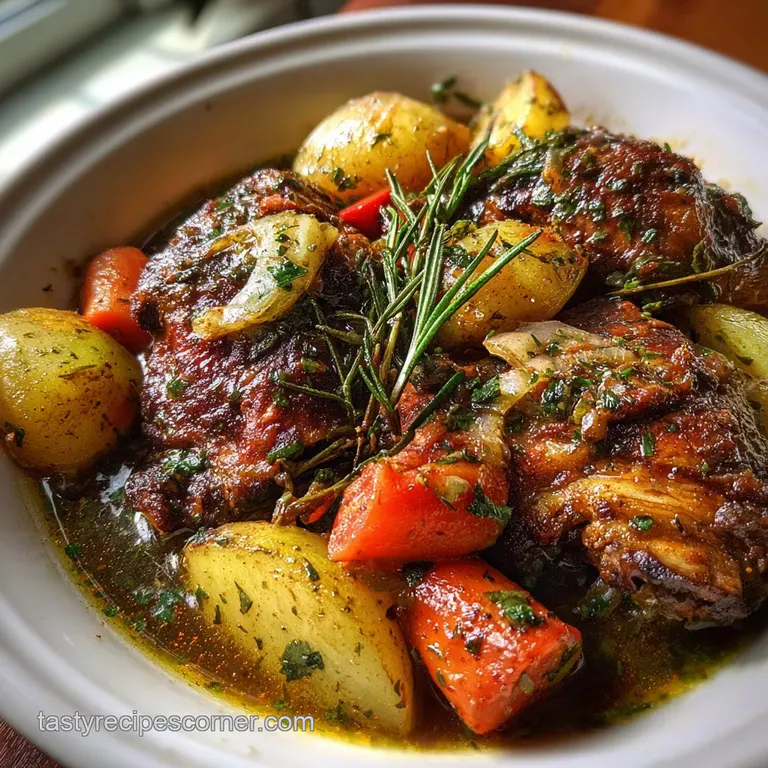
- Time: Active 20 minutes, Passive 1 hours 15 mins, Total 1 hours 35 mins
- Flavor/Texture Hook: Shatter crisp skin with velvety herb infused potatoes
- Perfect for: Soul warming Sunday family dinners or cold weather comfort
- Making Juicy Chicken Pot Roast with Garlic and Herbs
- Why This Hearty Dish Works
- Sourcing Your Soul Warming Ingredients
- Essential Tools for Succulent Poultry
- Steps for the Perfect Roast
- Fixing Common Roasting Errors
- Creative Twists on the Classic
- Keeping Your Leftovers Fresh
- Serving Your Family Sized Feast
- Recipe FAQs
- 📝 Recipe Card
Making Juicy Chicken Pot Roast with Garlic and Herbs
Whenever I hear the heavy lid of my cast iron pot clink into place, I know something good is happening in my Tennessee kitchen. There is a specific moment, usually about forty minutes in, when the scent of sizzling rosemary and woodsy thyme starts wafting through the house.
It is the kind of aroma that makes everyone wander into the kitchen asking, "Is it ready yet?" This recipe guides you to a wonderfully tender and flavorful Juicy Chicken Pot Roast with Garlic and Herbs.
I used to struggle with whole chickens getting dry in the oven, but the "pot roast" method changed everything for me. By tucking the bird into a heavy pot with garden vegetables, we create a little flavor chamber where the chicken steams in its own juices while the top stays exposed to get that beautiful golden color.
It is a hearty, foolproof way to get a centerpiece meal on the table without the stress of fancy trussing or constant basting.
Trust me on this, once you see how those baby potatoes soak up the drippings and turn into little pillows of savory goodness, you will never go back to a plain roasting pan. We are going for big, bold flavors here garlic that melts into the meat and herbs that perfume every single bite.
Let's get that oven preheated and start cooking.
Why This Hearty Dish Works
- Thermal Buffer: The bed of 3 large carrots and 1 large yellow onion acts as a natural rack, lifting the 1.8kg whole chicken away from direct heat so the bottom does not scorch.
- Fat Soluble Infusion: Because 115g unsalted butter carries the essential oils of the herbs, the garlic and rosemary flavors penetrate deep into the muscle fibers rather than just sitting on the surface.
- Aromatic Steam Chamber: The 250ml chicken stock creates a humid environment inside the pot, which prevents the lean breast meat from drying out during the long cook.
| Cook Method | Prep Time | Meat Texture | Best For |
|---|---|---|---|
| Dutch Oven | 20 minutes | Fall off-the bone tender | Weekend family comfort |
| Open Roasting | 15 minutes | Firm and traditional | Slicing for sandwiches |
| Slow Cooker | 10 minutes | Very soft/shredded | Busy weekdays |
Building a great roast is about understanding how heat moves through the pot. When you use a heavy vessel, like the one in my Dutch Oven Pot recipe, the cast iron holds a steady temperature that mimics a professional brick oven. This consistency is what gives you that velvety texture in the vegetables.
The Physics of the Flavor Chamber
Science: By searing the bird first, we initiate the Maillard reaction which creates hundreds of new flavor compounds on the skin. The lid then traps moisture, ensuring the internal temperature rises slowly enough to keep the proteins from tightening and squeezing out their moisture.
| Component | Science Role | Pro Secret |
|---|---|---|
| 115g Unsalted Butter | Fat based heat conductor | Mix with herbs 2 hours early to "bloom" the spices |
| 6 Cloves Garlic | Sulfur based aromatics | Smash into a paste to release maximum allicin |
| 250ml Chicken Stock | Liquid heat transfer | Use bone broth for a silkier, collagen rich sauce |
Sourcing Your Soul Warming Ingredients
- 1.8kg whole chicken: Look for a bird with intact skin and no bruising. Why this? The weight ensures the cook time aligns perfectly with the vegetable tenderness.
- Substitute: 1.8kg of bone in, skin on chicken thighs for an even juicier result.
- 115g unsalted butter: Softened to room temperature so it spreads like frosting. Why this? Unsalted lets us control the seasoning precisely with our kosher salt.
- Substitute: Ghee or clarified butter for a higher smoke point during the initial sear.
- 6 cloves garlic: Fresh is non negotiable here; avoid the jarred stuff. Why this? Fresh garlic provides a sharp punch that mellows into sweetness.
- Substitute: 1 tablespoon of garlic confit for a deeper, roasted flavor.
- 500g baby potatoes: I prefer the thin skinned yellow ones. Why this? They hold their shape perfectly without peeling.
- Substitute: Large Yukon Golds cut into 1.5 inch cubes.
- Fresh Thyme & Rosemary: Use 1 tbsp of each, finely chopped. Why this? Fresh herbs have volatile oils that dried herbs simply cannot match.
- Substitute: 1 tsp each of dried herbs (though it will be less vibrant).
Essential Tools for Succulent Poultry
You really need a heavy bottomed pot for this, preferably a 5 quart or 6 quart Dutch oven. If the pot is too large, the 250ml chicken stock will evaporate too quickly; if it is too small, the chicken will be cramped and won't brown correctly.
A cast iron skillet works in a pinch, but you lose that "pot roast" steaming effect that makes this dish so special.
A meat thermometer is your best friend here. Don't guess when it is done. We are looking for 165°F in the thickest part of the thigh. Also, a sturdy pair of tongs or a large carving fork will help you move that 1.8kg chicken around without tearing the skin.
Chef Tip: Freeze your 115g butter for 10 minutes before grating it if you find it too messy to mix. Grating cold butter into your herb mix creates tiny pockets of flavor that melt slowly as the roast heats up.
Steps for the Perfect Roast
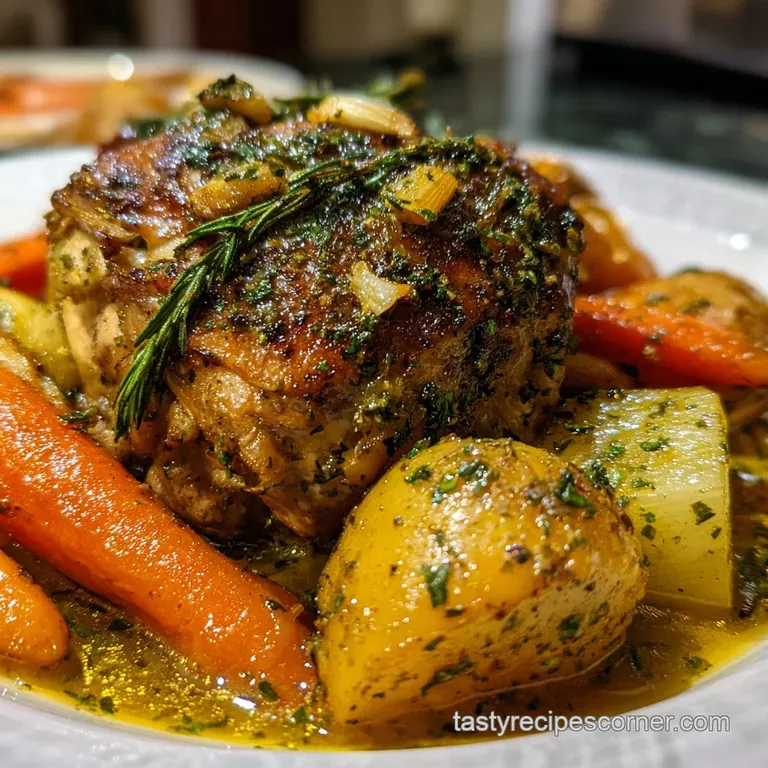
- Prep the bird. Pat the 1.8kg whole chicken completely dry with paper towels. Note: Moisture is the enemy of crispy skin.
- Make compound butter. Mix 115g softened butter with 6 minced garlic cloves, 1 tbsp thyme, 1 tbsp rosemary, 1 tsp smoked paprika, 1.5 tsp salt, and 1 tsp pepper.
- Season deep. Slide your fingers under the skin of the breast and thighs, spreading half the butter mixture directly onto the meat.
- Coat the exterior. Rub the remaining butter over the outside of the skin until the bird is fully blanketed.
- Build the base. Scatter 3 chopped carrots, 1 wedged onion, and 500g halved potatoes in the bottom of the pot.
- Add liquid. Pour 250ml chicken stock around the vegetables and drop in 2 dried bay leaves. Note: Do not pour over the chicken or you will wash off the butter.
- Nestle the chicken. Place the chicken on top of the vegetables breast side up.
- Roast uncovered. Bake at 400°F for 1 hours 15 mins until the skin is dark gold and crackling.
- Check doneness. Ensure the internal temp hits 165°F and the juices run clear.
- Rest the meat. Remove from the oven and let it sit for 15 minutes before carving. Note: This allows juices to redistribute so they don't flood the cutting board.
Fixing Common Roasting Errors
Why Your Chicken Skin Is Flabby
If the skin isn't getting that beautiful "shatter" texture, it is usually due to steam. If your pot is too deep or the chicken is sitting too low in the liquid, the skin will boil rather than roast. Make sure the 1.8kg chicken is perched high on the vegetables.
Burnt Garlic Bitterness
Garlic can turn bitter if it burns on the surface. If you see the garlic on the skin darkening too fast, loosely tent a piece of foil over the top of the chicken for the last 20 minutes. This protects the aromatics while the meat finishes cooking.
| Problem | Root Cause | Solution |
|---|---|---|
| Dry Breast Meat | Overcooked or lack of resting | Remove at 160°F; carryover heat hits 165°F |
| Mushy Potatoes | Potatoes cut too small | Keep them in 1.5 to 2 inch chunks |
| Thin, Watery Sauce | Too much stock or no reduction | Remove chicken and boil juices for 5 mins |
- ✓ Pat the chicken skin bone dry before applying the butter
- ✓ Don't skip the "under the skin" buttering for maximum juice
- ✓ Use room temperature meat to ensure even cooking
- ✓ Let the roast rest for at least 15 minutes before slicing
- ✓ Check your oven temperature with a standalone thermometer
Creative Twists on the Classic
If you want to try a different flavor profile, you can swap the rosemary for oregano and add a splash of lemon juice to the stock. This creates a brighter, Mediterranean feel that is fantastic in the summer. For a more rustic vibe, similar to a Chicken Potato Recipe, try adding a head of garlic cut in half directly into the roasting liquid.
The Slow Cooker Pivot
If you are heading out for the day, you can do this in the slow cooker. Place the vegetables and 250ml stock at the bottom, top with the buttered chicken, and cook on low for 6 hours.
Just note that the skin won't be crispy, so you might want to pop it under the broiler for 5 minutes at the end.
The Low Carb Swap
Instead of 500g baby potatoes, use a large head of cauliflower cut into big florets and some radishes. Radishes lose their "bite" when roasted and take on a texture very similar to potatoes, making them a secret weapon for soul warming low carb meals.
| Goal | Adjustment | Outcome |
|---|---|---|
| Extra Crispy Skin | Add 1/2 tsp baking powder to the salt rub | Skin becomes thinner and more brittle |
| Richer Gravy | Stir 1 tbsp flour into the veggies before adding stock | The pan juices will thicken as they cook |
| Zesty Finish | Grate fresh lemon zest over the chicken after roasting | Adds a pop of acidity to cut through the fat |
Keeping Your Leftovers Fresh
Store any leftover Juicy Chicken Pot Roast with Garlic and Herbs in an airtight container in the fridge for up to 4 days. I love to shred the remaining meat and mix it with the leftover carrots and potatoes for a quick hash the next morning. If you want to freeze it, remove the meat from the bones first.
It will stay good in the freezer for about 3 months.
To reheat, avoid the microwave if you can. It turns the chicken rubbery. Instead, place everything back in a small pan with a splash of water or stock, cover it, and warm it in a 350°F oven for 15 minutes. This keeps the meat moist and helps the vegetables stay tender.
Don't throw away those bones! Throw the carcass into a pot with some water, celery scraps, and onion peels to make a quick stock for your next soup. It is a great way to ensure zero waste in the kitchen.
Serving Your Family Sized Feast
This roast is a complete meal on its own, but a side of crusty sourdough bread is never a bad idea for mopping up those garlic butter juices. If you want something green, a simple arugula salad with a sharp lemon vinaigrette provides a nice contrast to the heavy, soul warming flavors of the chicken and potatoes.
When you bring the pot to the table, the visual of the golden bird nestled among the colorful carrots and potatoes is always a "wow" moment. Carve the chicken right in the pot if it is wide enough, letting the meat fall back into the herb scented juices. It is messy, hearty, and exactly how a Sunday dinner should be.
Debunking Roasting Myths
Myth: You need to baste the chicken every 15 minutes. Truth: Opening the oven door constantly drops the temperature and lets out the moisture we worked so hard to trap. The butter under the skin does all the work for you leave the door shut!
Myth: Chicken must be washed before cooking. Truth: Washing meat actually spreads bacteria around your sink and kitchen. High heat in the oven is what makes the food safe to eat. Focus on drying the skin with paper towels instead.
Recipe FAQs
Can I substitute chicken thighs for the whole chicken?
Yes, bone-in thighs are an excellent swap. They are naturally fattier, meaning they stay juicy even if slightly overcooked, and they pair well with the robust flavors of the roast.
How to ensure the potatoes are tender but not mushy?
Cut all vegetables into uniform 1.5 inch pieces. Place the larger vegetables like carrots on the bottom, and ensure the chicken is resting securely on top of the vegetable bed to avoid scorching the potatoes.
How to get the skin crispy if I used a covered Dutch oven?
Remove the lid for the final 20 minutes of cooking. This allows the trapped steam to escape and the dry heat to render the remaining chicken fat, achieving that desired crispness.
Is it true that I must use fresh herbs exclusively for this recipe?
No, dried herbs can be substituted, but use less. If using dried thyme and rosemary, use approximately one-third the quantity of fresh herbs called for; dried herbs are much more concentrated.
How long should the chicken rest after roasting?
Rest the chicken for a minimum of 15 minutes. This crucial resting period allows the internal muscle fibers to relax and reabsorb the juices, ensuring the meat stays moist when carved.
How do I maximize the flavor penetration of the garlic butter?
Gently separate the skin from the breast meat and rub half the butter directly onto the flesh. If you enjoyed mastering this fat-based infusion technique, see how the same principle applies for flavor layering in our How To Cook turkey sausage recipe.
What temperature should the internal meat reach before resting?
Remove the chicken from the oven when the thigh reaches 160°F. Carryover cooking will raise the internal temperature to the safe 165°F standard while resting, resulting in perfectly tender, non-dry meat.
Juicy Chicken Pot Roast Herbs
Ingredients:
Instructions:
Nutrition Facts:
| Calories | 763 kcal |
|---|---|
| Protein | 55.7 g |
| Fat | 46.8 g |
| Carbs | 24.7 g |
| Fiber | 3.2 g |
| Sugar | 4.8 g |
| Sodium | 790 mg |
