Peach Pie Recipe with Fresh Peaches
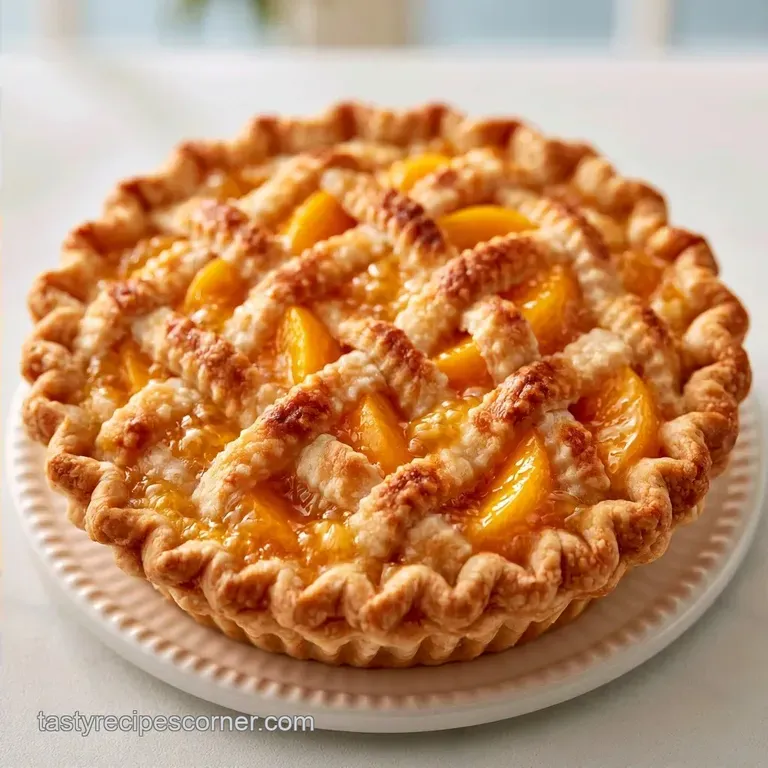
- Time: 20 min active + 50 min baking
- Flavor/Texture Hook: Luscious peaches paired with a flaky, buttery crust
- Perfect for: Summer get-togethers or family meals
The scent of bubbling peaches and warm cinnamon filling the room is a highlight of August. That particular fragrance instantly makes a space feel cozy. I once believed that stovetop pre-cooking was the only way to prevent a soggy pie, but that often results in overdone fruit.
The actual secret is allowing the peaches to rest with the sugar and starch for a short while before baking. By giving the cornstarch a few minutes to activate, the filling stays thick and the peach slices remain whole.
This preserves the bright, fresh flavor of the fruit rather than turning it into an over reduced preserve.
You'll end up with a bakery style pie without spending your entire day prepping. We're aiming for a rich, mahogany colored crust that pops against the brilliant orange filling. It is a showstopper that will have your guests requesting the recipe by the time they've finished their slice.
The Best Homemade Pie Peach Recipe
The Maceration Wait: Letting the peaches sit for 10 minutes draws out juice, which the cornstarch then thickens. This stops the bottom crust from getting soggy.
Cold Fat Pockets: Using chilled, cubed butter in the dough creates tiny steam vents during baking. These vents are what make the crust flaky instead of dense.
The Egg Wash Finish: Brushing with an egg and water mix provides a protein layer that browns quickly. Adding turbinado sugar gives it a crunchy, sparkling texture that looks high end.
Recipe Specs
When you are planning your baking schedule, timing is everything. This Pie Peach Recipe is designed to be efficient but requires a bit of patience during the cooling phase. If you cut into it too early, the filling will run.
| Goal | What to change |
|---|---|
| Extra Tartness | Add 1 extra tsp lemon juice |
| Crunchier Top | Use a crumb topping instead of a lid |
| Softer Crust | Increase butter by 2 tbsp |
You can see how this compares to other dessert textures. For instance, if you want something creamy and no bake, you might prefer a Keto Cookie Dough Dip, but for a crowd, nothing beats a warm pie.
What Goes Into the Pie
Selecting the ideal peaches is often the trickiest part. Look for fruit that is ripe yet firm enough to hold its form; otherwise, they will simply melt into the filling. Per USDA FoodData, the natural acidity and sugars in fresh peaches ensure the dessert doesn't taste overly sweet.
| Ingredient | What It Does | Best Swap |
|---|---|---|
| Fresh Peaches | Provides the main body and taste | Frozen peaches (thawed/drained) |
| Cornstarch | Thickens the fruit liquids | Tapioca starch (use slightly less) |
| Unsalted Butter | Ensures a flaky, rich texture | Vegan butter sticks |
| Turbinado Sugar | Adds a crunch and deep golden color | Coarse sanding sugar |
The Dough
- 2.5 cups all purpose flourWhy this? Gives the crust the necessary structure
- 1 cup unsalted butter, chilled and cubedWhy this? Cold fat is essential for flaky layers
- 1 tsp saltWhy this? Offsets the sugar in the fruit
- 8 tbsp ice waterWhy this? Maintains a low dough temperature
The Filling
- 6 cups peeled and sliced fresh peachesWhy this? Fresh fruit offers the best consistency
- 0.75 cup granulated sugarWhy this? Draws moisture out of the peaches
- 0.25 cup cornstarchWhy this? Thickens the juices into a gel
- 1 tbsp lemon juiceWhy this? Lifts the flavor profile with acidity
- 0.5 tsp ground cinnamonWhy this? Classic warming spice
- 0.25 tsp ground nutmegWhy this? Lends a subtle, earthy depth
- 1 tsp vanilla extractWhy this? Enhances the aromatic profile
- 1 tbsp unsalted butter, cut into small dotsWhy this? Creates a rich, glossy sauce
The Finish
- 1 large eggWhy this? For a golden brown wash
- 1 tbsp waterWhy this? Makes the egg easier to brush on
- 1 tbsp coarse turbinado sugarWhy this? For a professional, sparkling look
Tools You'll Actually Need
You don't need a professional setup to master this Peach Pie Recipe, although a few tools can simplify the process. A food processor is ideal for the crust, but if you have the arm strength, a pastry cutter or two forks work just as well.
The most critical piece of equipment is a 9 inch deep dish pie plate. A standard shallow pan will likely overflow as the peaches bubble, leaving you with a burnt mess at the bottom of your oven.
For the rolling process, a large sheet of parchment paper is a lifesaver. It allows you to roll the dough and slide it directly into the pan without worrying about it sticking to the counter or tearing. I always keep a few sheets on hand for this.
The step-by-step Baking Process
Phase 1: Preparing the Filling
- Combine sliced peaches, sugar, cornstarch, lemon juice, cinnamon, nutmeg, and vanilla in a large bowl.
- Let the mixture sit for 10 minutes. Note: This gives the starch time to bond with the peach juice.
Phase 2: Assembling the Base
- Roll out the pie dough on a floured surface. Fit it snugly into the 9 inch deep dish pie plate, pressing it against the sides.
- Pour the macerated peach mixture into the crust and smooth the top with a spatula.
- Scatter the small dots of butter evenly across the top of the filling. Note: These melt into the fruit for a rich, velvety finish.
Phase 3: Crafting the Top
- Roll out the second crust. Place it over the filling, seal the edges with a pinch of water, and cut 4-5 vents in the top.
- Beat the egg with water. Brush the wash over the crust and sprinkle with turbinado sugar.
Phase 4: Baking to Perfection
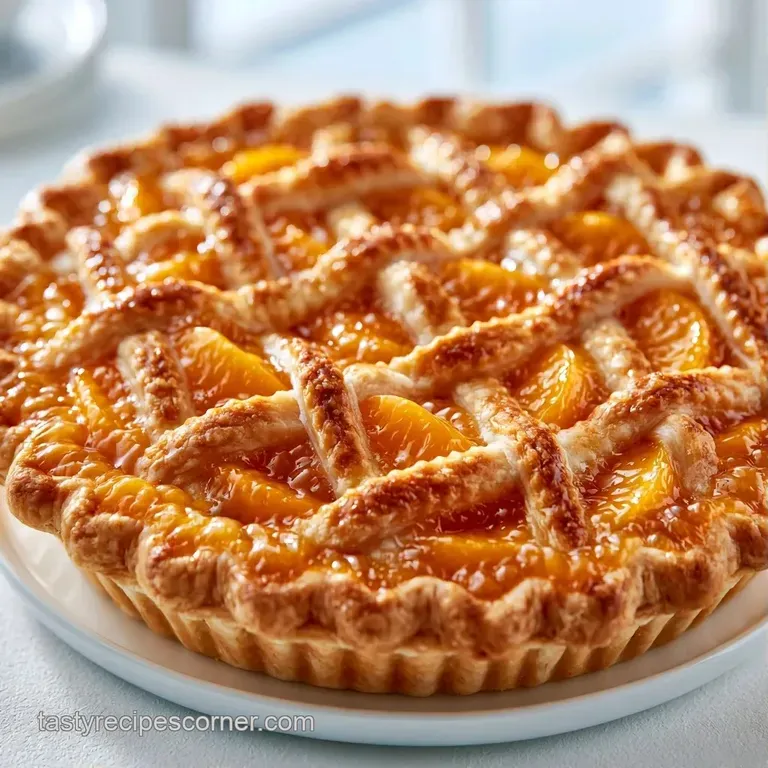
- Bake at 400°F for 50 minutes until the crust is mahogany colored and the filling is bubbling through the vents.
Chef's Note: If you notice the edges of the crust browning too fast around the 30 minute mark, wrap them in a strip of foil. This prevents the edges from burning while the center continues to cook.
Solving Common Baking Problems
One of the biggest hurdles with a Pie Peach Recipe is managing the moisture. Peaches are basically water balloons, and if that water doesn't thicken, you get a "soggy bottom." This is a common issue even for experienced bakers.
If your filling is too runny, it usually means the cornstarch didn't activate or the fruit was too ripe. The process of thickening is similar to how a Vegan Cheese Sauce relies on a starch binder to create a stable emulsion. If the binder fails, the fat and water separate.
Preventing Soggy Bottoms
Place your pie plate on a preheated baking sheet. This sends a blast of heat directly into the bottom crust, searing it before the juices can soak in. It's a simple move that makes a huge difference.
Stopping the Runny Center
Ensure you don't skip the 10 minute resting period. If the pie is still runny after baking, let it cool for at least 3 hours. The filling only fully sets once the temperature drops.
Fixing Over Browned Crusts
Lower your oven temp by 25°F if the top is darkening too quickly. You can also brush a tiny bit of milk on the edges to slow down the browning.
| Problem | Root Cause | Solution |
|---|---|---|
| Soggy Bottom | Excess juice / Cold pan | Bake on a preheated sheet |
| Runny Filling | Underbaked / Too ripe | Cool for 3+ hours |
| Pale Crust | Missing egg wash | Apply egg/water mix + sugar |
| Tough Crust | Over working the dough | Handle dough as little as possible |
Serving and Presentation Ideas
For a professional, bakery style presentation, focus on how you slice the pie. Use a sharp serrated knife to gently saw through the crust rather than pressing down. Pushing down compresses the layers and can cause the filling to spill out.
Enjoy the dessert while it is slightly warm. A scoop of vanilla bean ice cream is a timeless pairing, but a dollop of unsweetened whipped cream with a pinch of salt helps balance the sweetness of the fruit.
For a more sophisticated touch, lightly dust the plate with powdered sugar and garnish with a fresh mint leaf. The vibrant green creates a beautiful contrast against the orange peaches, making the dish look polished and fresh.
Keeping Your Pie Fresh
Keep any remaining slices in the refrigerator. Wrap them securely in foil or use an airtight container to stop the crust from absorbing fridge smells; they'll stay fresh for about 4 days.
For freezing, I suggest storing the pie while unbaked. Encase the raw pie in cling film and follow with a wrap of heavy duty foil. It remains good for 3 months. To prepare, move it to the refrigerator to defrost overnight before baking.
Kitchen Hack: Rather than tossing the peach skins, use a blender or juicer to repurpose them. Simmer the peels with a bit of sugar and water to make a simple peach syrup for cocktails or pancakes.
Simple Swaps and Variations
You can easily adjust this Peach Pie Recipe to suit your preferences. For a bit more crunch, try a crumb topping: combine 1 cup flour, 0.5 cup brown sugar, and 0.5 cup cold butter into small clumps and sprinkle them on top instead of adding a second crust.
Using Frozen Fruit
Frozen peaches work well, provided they are thawed first. Let them sit in a colander for 15 minutes to drain excess liquid and prevent a soggy pie. You might want to incorporate an additional tablespoon of cornstarch to manage the extra moisture released by frozen fruit.
Low Sugar Options
Use a 1:1 monk fruit sweetener as a substitute for granulated sugar. Be aware that monk fruit doesn't caramelize in the same way, which may result in a lighter colored filling, though the flavor remains very similar.
Vegan Crust Tips
Use cold vegan butter sticks and a wash made from 1 tbsp ground flax mixed with 3 tbsp water. While the crust will be slightly denser, it still delivers that rich buttery taste. For more tips on working with plant based binders, visit King Arthur Baking.
Scaling the Recipe
For a smaller 6 inch pie, cut all ingredient amounts in half. Lower the baking time by roughly 20%, and look for a mahogany finish around the 40 minute mark.
To make two 9 inch pies, double most ingredients, but only increase the cinnamon and salt by 1.5x to keep the flavor balanced. Roll out the dough in stages to ensure the butter stays cold before it hits the pan.
Common Baking Myths
You don't actually need to "blind bake" the crust for a fruit pie, despite what some say. That's better for cream pies; here, maceration and cornstarch keep the bottom crust from getting soggy.
Another common belief is that blending sugars improves the crust. While brown sugar adds molasses notes, granulated sugar provides a cleaner snap and a classic look for this Peach Pie Recipe.
Finally, you don't need a knife to peel peaches. Blanch them in boiling water for 30 seconds, then transfer them to ice water. The skins will slip right off without losing any of the fruit.
Recipe FAQs
What's the secret to a perfect peach pie?
Let the filling macerate for 10 minutes. This allows the cornstarch to absorb excess moisture before baking, preventing the center from becoming runny.
Do you need to peel the peaches?
Yes, peel them first. Removing the skins ensures a smooth, consistent texture throughout the filling.
Which peaches work best for this recipe?
Use fresh, ripe peaches. They provide the best balance of sweetness and acidity for a jammy center.
How to get a professional mahogany crust?
Brush the top with egg wash and sprinkle with turbinado sugar. Bake for 50 minutes until the protein in the egg browns deeply.
Is it true that filling must be pre-cooked to prevent sogginess?
That's a myth. Letting the sliced peaches sit with sugar and starch for 10 minutes achieves the same result without overcooking the fruit.
Why is chilled butter necessary for the crust?
It creates cold fat pockets. These pockets turn into steam vents in the oven for a flaky texture. If you enjoyed mastering crust texture here, see how we achieve a crispy golden crust with sourdough.
Homemade Peach Pie Recipe