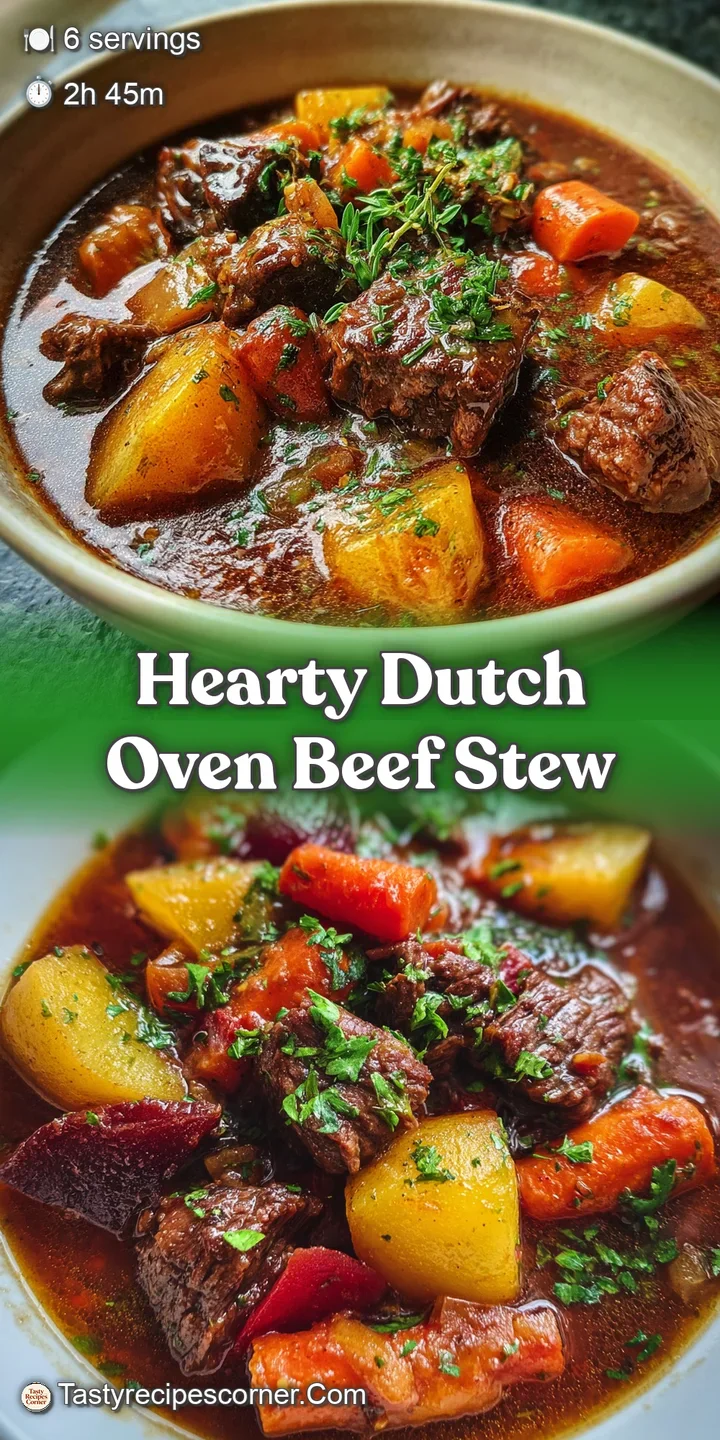
Hearty Dutch Oven Beef Stew
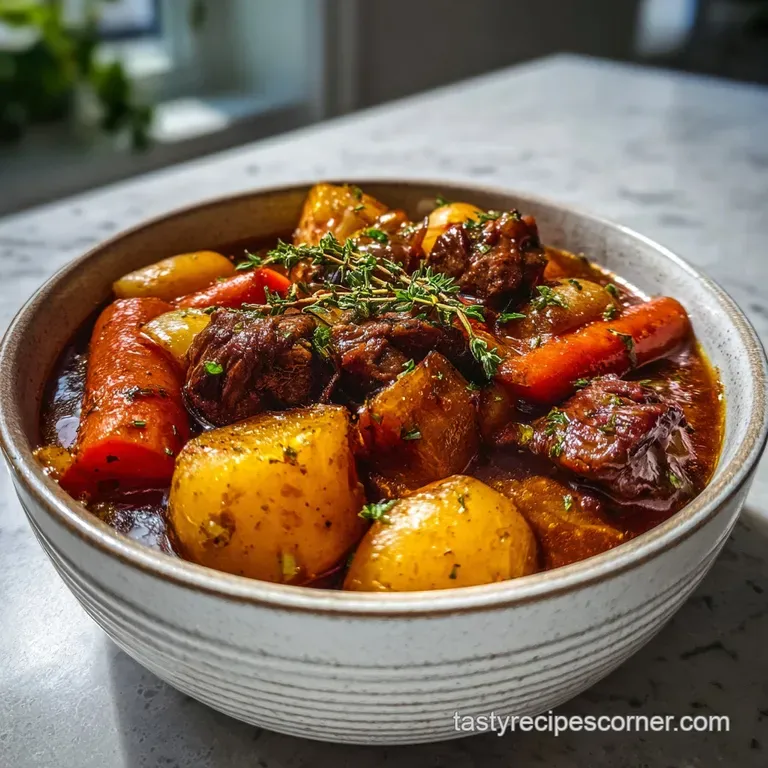
- Time: Active 30 minutes, Passive 2 hours 15 mins, Total 2 hours 45 mins
- Flavor/Texture Hook: Velvety gravy with fork tender beef
- Perfect for: Sunday family dinner or cozy meal prep
- Master the Ultimate Hearty Dutch Oven Beef Stew
- Why This Pot Always Wins
- Specs for Your Stewing Success
- Selecting the Best Beef Cuts
- Tools for a Flawless Finish
- Steps for a Perfect Braise
- Common Mistakes and Smart Fixes
- Scaling This Stew Up or Down
- Creative Spins on This Dish
- Beef Stew Truths and Tall Tales
- Keeping Your Leftovers Fresh
- Sides to Serve Alongside It
- Recipe FAQs
- 📝 Recipe Card
Master the Ultimate Hearty Dutch Oven Beef Stew
I still remember the first time I tried to make a big pot of stew in my tiny first apartment. I was so impatient that I boiled the meat on high heat, thinking it would cook faster. It ended up tasting like rubber bands in a watery brown soup. Honestly, it was a disaster.
But my grandmother, who could make a boot taste good if she simmered it long enough in her Tennessee kitchen, sat me down and explained the beauty of the slow braise.
The secret isn't just the meat; it's the rhythm of the kitchen. It starts with that aggressive, rhythmic sizzle when the beef hits the hot oil. That aroma onions and garlic melting into tomato paste crawls into every corner of the house and stays there like a cozy blanket.
This Hearty Dutch Oven Beef Stew is the result of years of me messing up, asking questions, and finally figuring out that patience is just as much an ingredient as the black pepper.
We aren't just making soup here. We're building a rich, deep sauce that clings to the back of a spoon. You want the kind of meal where the potatoes have soaked up all that beefy goodness but still hold their shape when you bite into them.
If you follow these steps, you'll get a result that makes everyone at the table go silent after the first bite. That’s the goal, right?
Why This Pot Always Wins
The Power of Thermal Mass: The thick walls of a cast iron Dutch oven hold heat more consistently than stainless steel, ensuring the beef simmers at a steady temperature without fluctuating.
Collagen Transformation: Low and slow heat breaks down the tough connective tissue in chuck roast, turning it into gelatin which creates a velvety mouthfeel in the sauce.
Condensed Flavor Profiles: The heavy lid creates a self basting environment, trapping steam that would otherwise escape, keeping the meat moist while concentrating the broth.
Maillard Reaction Success: Browning the meat in batches creates a dark crust that dissolves into the liquid, providing the "umami" foundation for the entire dish.
We need to make sure we are hitting the right markers during the cook. Since we are dealing with a thick chuck roast, the internal temperature isn't as important as the physical texture, but having a guide helps you stay on track while you wait for that meat to soften up.
| Beef Cube Size | Estimated Sear Time | Visual Doneness Cue | Internal Texture |
|---|---|---|---|
| 1.5 inch cubes | 3 mins per side | Deep mahogany crust | Firm but bouncy |
| 1.0 inch cubes | 2 mins per side | Golden brown edges | Slightly chewy |
| 2.0 inch cubes | 5 mins per side | Dark, crispy exterior | Very firm center |
It is worth noting that larger cubes will take significantly longer to break down during the simmering phase. I find that sticking to the 1.5 inch size specified in this Hearty Dutch Oven Beef Stew is the sweet spot for timing and texture.
If you go too small, the meat might disintegrate before the potatoes are even soft.
Specs for Your Stewing Success
Before we start chopping, let's look at what we're actually working with. This isn't a "fast food" situation. This is a process that requires you to respect the clock. We are using 3 lbs of beef chuck roast, which is the absolute king of stew meats because of its fat content.
When you're picking out your meat, look for heavy marbling. Those little white flecks of fat are what will melt away and keep the beef from drying out. If you're looking for a similar comforting vibe but with a different twist, you might want to try a Traditional Dutch Oven recipe for a change of pace. Both use that heavy pot to do the heavy lifting for you.
| Ingredient | Science Role | Pro Secret |
|---|---|---|
| Tomato Paste | Umami & Color | Sauté until it turns brick red to remove the metallic "tin" taste. |
| All purpose Flour | Thickening Agent | Coat the meat or whisk into fat to create a roux that prevents a greasy surface. |
| Dry Red Wine | Acid & Solvent | The alcohol dissolves flavor compounds that water can't, brightening the heavy fats. |
| Beef Bone Broth | Liquid Base | Provides a higher protein and gelatin content than standard stock for a richer body. |
Using bone broth instead of a cheap bouillon cube makes a world of difference here. It adds a natural thickness that you just can't get from water. It's the same logic I use when prepping a Dutch Oven Pot recipe because that concentrated liquid is what carries all the flavor to the vegetables.
Selecting the Best Beef Cuts
You will need a specific set of items to make this work. Don't try to swap out the beef chuck for a lean sirloin; you'll regret it when the meat comes out dry and stringy. We want the fat!
- 3 lbs beef chuck roast: Cut into 1.5 inch cubes. Why this? High collagen levels ensure the meat becomes tender rather than dry.
- 2 tbsp avocado oil or ghee: Why this? High smoke points allow for a hard sear without burning the oil.
- 1 tsp kosher salt: Why this? Enhances every other flavor without making the dish purely salty.
- 0.5 tsp freshly cracked black pepper: Why this? Adds a necessary bite to cut through the richness.
- 1 large yellow onion: Diced. Why this? Provides a sweet, aromatic base once softened.
- 4 cloves garlic: Smashed and minced. Why this? Essential for depth; smashing releases the oils better.
- 2 tbsp tomato paste: Why this? Acts as a natural thickener and flavor intensifier.
- 0.25 cup all purpose flour: Why this? Bonds with the fat to create the gravy texture.
- 1 cup dry red wine: Cabernet or Merlot work best. Why this? Acids help break down meat fibers.
- 4 cups beef bone broth: Why this? Provides the volume and salt for the braise.
- 2 tbsp Worcestershire sauce: Why this? Adds fermented depth and a hint of vinegar.
- 1 lb Yukon Gold potatoes: 1 inch chunks. Why this? Waxy texture ensures they don't dissolve during the long cook.
- 4 large carrots: Cut into thick rounds. Why this? Brings natural sweetness to balance the savory beef.
- 2 stalks celery: Sliced. Why this? Part of the "mirepoix" that adds earthy notes.
- 3 sprigs fresh thyme: Why this? Traditional herb that pairs perfectly with beef.
- 2 bay leaves: Why this? Adds a subtle floral background note.
- 1 cup frozen peas: Why this? Adds a pop of bright color and sweetness at the end.
| Original Ingredient | Substitute | Why It Works |
|---|---|---|
| Red Wine | Extra Bone Broth + 1 tbsp Balsamic | Provides the liquid and the necessary acid without the alcohol. |
| Avocado Oil | Beef Tallow | Pure beef flavor. Note: Very rich, use slightly less than oil. |
| Yukon Gold Potatoes | Red Bliss Potatoes | Both are waxy and hold their shape well under high heat. |
If you find yourself without red wine, don't panic. The balsamic trick works wonders to provide that sharp hit that cuts through the fat of the chuck roast. Just make sure you don't use a sweet "glaze" balsamic; you want the cheap, acidic stuff for this.
Tools for a Flawless Finish
You don't need a kitchen full of gadgets, but you do need the right heavy hitters. The star of the show is, obviously, a 5 to 7 quart Dutch oven. If you don't have one, a heavy cast iron pot with a tight lid is your best bet.
You’ll also want a good wooden spoon or a sturdy spatula. Why? Because of the "fond." That's the fancy French word for all those brown bits stuck to the bottom of the pot after you sear the meat. You need to scrape those up they are pure gold.
A pair of long tongs is also helpful for turning the beef without splashing hot oil on your arms.
Finally, have a large bowl ready to hold the browned meat while you sauté the vegetables. It seems like a small detail, but having your "mise en place" (everything in its place) makes the 30 minutes of active prep go by so much smoother.
Steps for a Perfect Braise
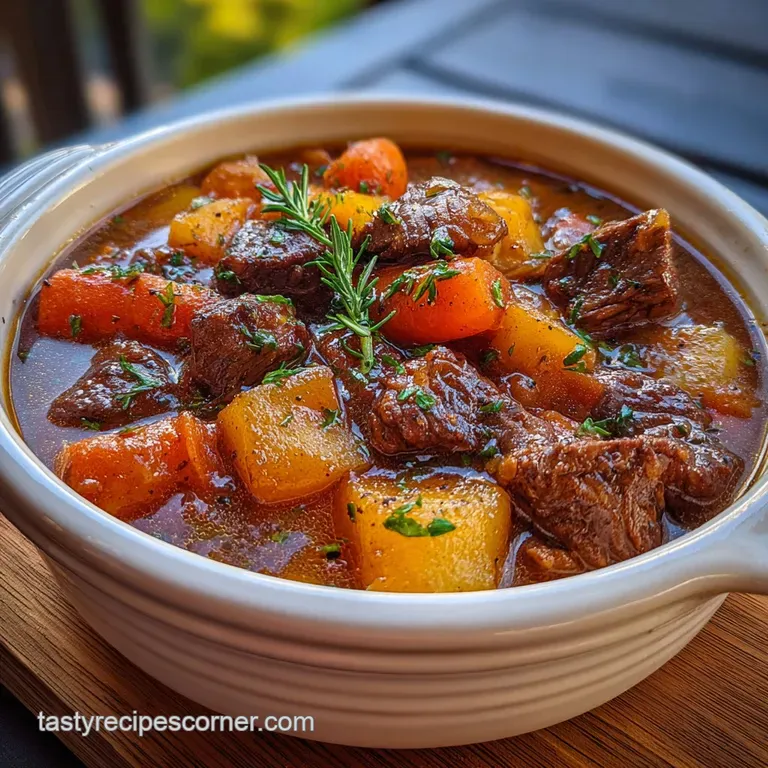
- Prep the meat. Pat the 3 lbs of beef chuck roast completely dry with paper towels and season with 1 tsp kosher salt and 0.5 tsp pepper. Note: Dry meat sears; wet meat steams.
- Sear in batches. Heat 2 tbsp avocado oil in the Dutch oven over medium high heat and brown the beef until a dark, crusty exterior forms.
- Sauté the aromatics. Remove the beef and add the diced onion, celery, and carrots, cooking for 5 minutes until the onions are translucent and fragrant.
- Bloom the paste. Stir in the 4 minced garlic cloves and 2 tbsp tomato paste, cooking for 2 minutes until the paste turns a deep mahogany color.
- Create the roux. Sprinkle 0.25 cup flour over the vegetables and stir constantly for 1 minute until the flour smell disappears.
- Deglaze the pot. Pour in 1 cup dry red wine and use a wooden spoon to scrape the bottom until all the brown bits are dissolved.
- Combine the liquids. Add the 4 cups bone broth, 2 tbsp Worcestershire sauce, thyme sprigs, and bay leaves, then return the beef to the pot.
- Simmer low and slow. Bring to a boil, then reduce heat to low, cover, and cook for 1 hour 30 mins until the beef is starting to soften.
- Add the potatoes. Stir in the 1 lb of Yukon Gold chunks and continue simmering covered for 45 minutes until the potatoes and beef are fork tender.
- Final touch. Stir in 1 cup frozen peas and let them sit for 2 minutes until bright green and heated through.
Common Mistakes and Smart Fixes
Why Your Stew Beef is Tough
If you poke the meat and it feels like a bouncy ball, it simply hasn't cooked long enough. Most people get scared they are "overcooking" it, but with chuck roast, the meat actually gets tougher before it gets soft. This is because the collagen is tightening up before it finally melts into gelatin.
| Problem | Root Cause | Solution |
|---|---|---|
| Meat is stringy/dry | Used lean meat (sirloin/round) | Use Chuck Roast next time; add a bit of fat now. |
| Thin, watery sauce | Didn't cook flour long enough | Mix 1 tbsp cornstarch with water and stir in. |
| Bitter flavor | Burned the garlic or tomato paste | Add a pinch of sugar to balance the bitterness. |
If you ever feel like the flavor is just "missing something" right at the end, it’s usually salt or acid. Try a tiny splash of red wine vinegar or another pinch of salt. It’s like turning on a light bulb in a dark room; suddenly all the flavors of the Hearty Dutch Oven Beef Stew pop.
Common Mistakes Checklist
- ✓ Never crowd the pot when searing; do it in three batches if you have to.
- ✓ Always scrape the bottom of the pot after adding wine to capture the fond.
- ✓ Don't cut the potatoes too small, or they will turn into mashed potatoes in the broth.
- ✓ Keep the lid tightly closed; every time you peek, you lose 10-15 minutes of heat.
- ✓ Wait to add the peas until the very end to keep their "shatter pop" texture and bright color.
Scaling This Stew Up or Down
If you're cooking for a smaller crowd, you can easily halve this recipe. Use a 3 or 4 quart pot and reduce the cook time by about 20%. However, I usually suggest making the full batch because it freezes beautifully. If you want to change the protein entirely, you could look into a Breakfast Sausage Beef recipe for a different kind of hearty meal, but for a stew, stick to the big batches.
When doubling the recipe for a party, don't just double the salt and spices. Start with 1.5x the amount and taste as you go. You’ll also want to sear the meat in even more batches to ensure you don't drop the temperature of the pot too much.
If the pot gets too cold, the meat will release its juices and boil rather than sear.
| People to Feed | Beef Amount | Pot Size | Cook Time Change |
|---|---|---|---|
| 2-3 People | 1.5 lbs | 3 Quart | Reduce by 20 mins |
| 6 People | 3 lbs | 5-7 Quart | Recipe as written |
| 12 People | 6 lbs | 10-12 Quart | Increase by 30 mins |
Creative Spins on This Dish
You can easily turn this into a "Dublin Style" stew by swapping the red wine for a bottle of dark Guinness. It adds a malty, slightly bitter edge that is incredible with the carrots. If you go this route, add a tablespoon of brown sugar to help balance that stout bitterness.
It's a classic move that makes the gravy almost black and incredibly rich.
For a "Garden Heavy" version, try adding parsnips or rutabaga along with the carrots. They have a bit more bite and an earthy sweetness that holds up well during the two hour simmer.
If you want a bit of heat, a pinch of red pepper flakes added with the garlic provides a back of-the throat warmth that doesn't overwhelm the beef.
Another fun trick is to serve this over a bed of Beef Enchiladas recipe style rice or even creamy polenta. While potatoes are traditional, something about a creamy base with that rich stew gravy is absolutely world class.
Beef Stew Truths and Tall Tales
One of the biggest myths in cooking is that searing meat "seals in the juices." Science tells us this isn't true; moisture loss happens regardless. However, we sear for the Maillard reaction that chemical process that creates hundreds of different flavor compounds.
Without that sear, your stew will taste flat and gray.
Another myth is that you need expensive wine to cook with. Honestly, don't bother with a $50 bottle. You want something dry and middle of-the road. If you wouldn't drink a glass of it, don't put it in your food, but there is no need to break the bank.
The heat of the oven will change the wine's profile anyway, so a decent $12 Cabernet is perfect.
Keeping Your Leftovers Fresh
Storage: Keep your Hearty Dutch Oven Beef Stew in an airtight container in the fridge for up to 4 days. In fact, many people (myself included) think it tastes better on day two because the starches from the potatoes slightly thicken the sauce even further.
Freezing: This stew freezes like a dream for up to 3 months. Just leave about an inch of space at the top of your container because the liquid will expand as it freezes. To reheat, thaw it in the fridge overnight and warm it slowly on the stovetop.
You might need to add a splash of water or broth to loosen the gravy back up.
Zero Waste: If you have just a little bit of stew left but not enough for a full meal, it makes an incredible filling for a pot pie. Just put it in a ramekin, top it with a piece of store-bought puff pastry, and bake until golden. You can also use the leftover gravy as a base for a Beef Sausage Recipe gravy over biscuits the next morning.
Sides to Serve Alongside It
While this is a one pot meal, I always crave something to mop up that extra gravy. A thick slice of crusty sourdough bread is the classic choice. If you have the time, brushing the bread with a little garlic butter and toasting it until it has a "shatter crisp" crust is the ultimate move.
A simple side salad with a bright lemon vinaigrette also works wonders. Because the stew is so rich and heavy, that hit of fresh acidity from a salad cleanses your palate between bites. It makes the whole meal feel balanced rather than just a "heavy weight" experience.
Trust me, once you master this Hearty Dutch Oven Beef Stew, it will become the most requested recipe in your house.
Recipe FAQs
What is the absolute best cut of beef to use for this stew?
Beef chuck roast is the best cut. Its high collagen and fat content breaks down during the long simmer, transforming tough connective tissue into rich, velvety gelatin.
How long should the stew simmer after adding the potatoes?
Simmer for 45 minutes covered after adding the potatoes. This ensures both the beef reaches fork tenderness and the Yukon Golds are fully cooked without dissolving into the broth.
Is it necessary to brown the meat in batches, or can I just toss it all in at once?
No, you must brown the meat in batches. Crowding the pot causes the meat to steam rather than sear, preventing the Maillard reaction necessary for deep flavor foundation.
How to substitute the red wine if I want an alcohol free version?
Replace the wine with an equal amount of beef bone broth plus 1 tablespoon of balsamic vinegar. The vinegar provides the essential acid needed to cut the fat, similar to the wine's function. If you skip acid, the stew will taste heavy; learning how to balance flavors like this is key, much like balancing fats in a ground beef enchilada recipe.
Why is my gravy thin and watery instead of thick?
The gravy is thin because the flour wasn't cooked long enough to create a proper roux. After adding the flour to the vegetables, cook it for a full minute until the raw flour smell disappears before adding the wine.
Can I make this stew ahead of time, and does it freeze well?
Yes, this stew freezes excellently for up to three months. It often tastes even better on the second day once the flavors fully meld together; just ensure you leave headspace in the container for liquid expansion during freezing.
What is the purpose of searing the tomato paste before adding liquid?
Sear the tomato paste for two minutes until it turns deep mahogany. This process caramelizes the sugars, cooking off the raw, metallic flavor and concentrating the umami base of the stew.
Hearty Dutch Oven Beef Stew
Ingredients:
Instructions:
Nutrition Facts:
| Calories | 508 kcal |
|---|---|
| Protein | 46.2 g |
| Fat | 20.4 g |
| Carbs | 29.8 g |
| Fiber | 4.8 g |
| Sugar | 5.6 g |
| Sodium | 945 mg |
