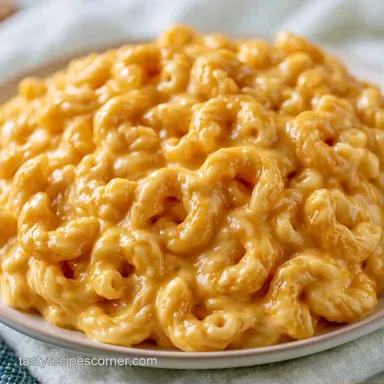
Creamy Macaroni Bowl with Cream Cheese
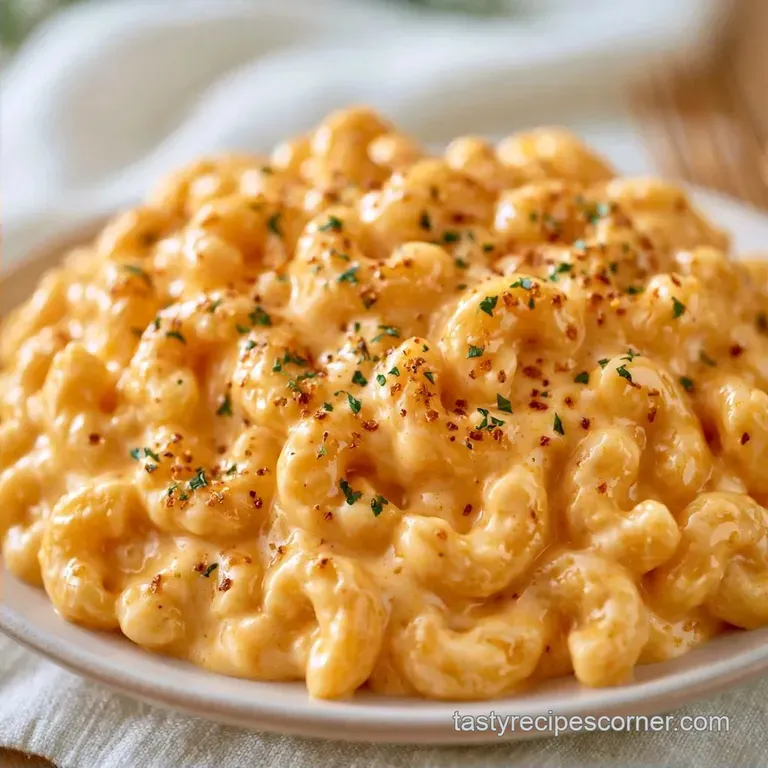
- Time: 15 min active + 20 min cook
- Flavor/Texture Hook: Hearty and glossy with a hint of smoky paprika
- Perfect for: A soul warming weeknight dinner or family comfort meal
- The Creamy Macaroni Bowl Guide
- Sauce Logic and Texture
- Essential Bowl Ingredients
- Gear for the Job
- The Building Blocks
- Cooking Step by Step
- Fixing Sauce Disasters
- Make It Your Own
- Adjusting the Batch Size
- Cheese Sauce Myths
- Keeping Leftovers Fresh
- Best Ways to Serve
- Critical Sodium Level
- Recipe FAQs
- 📝 Recipe Card
The smell of melting butter and sharp cheddar is basically the official scent of a Tennessee kitchen during the winter. Growing up, macaroni wasn't just a side dish. It was the main event, served in heavy bowls that kept the heat in while the wind howled outside.
There is something about that specific combination of pasta and cheese that feels like a warm blanket for your stomach.
This version is all about the contrast. We have the richness of the cheese fighting against the bright, smoky kick of paprika. It is thick and heavy, but the cream cheese keeps it from feeling greasy.
You can expect a meal that feels like a hug in a bowl. This Creamy Macaroni Bowl doesn't take hours of baking, but it tastes like it did. We are skipping the oven to keep that glossy, pourable texture that often disappears in a casserole.
The Creamy Macaroni Bowl Guide
The trick to this recipe is how we handle the fats. Most home cooks struggle with "broken" sauce where the oil separates from the cheese. Here is why this version stays together.
Cream Cheese Stabilizer: The emulsifiers in cream cheese hold the cheddar in place. This prevents the sauce from splitting, even if your heat is slightly too high.
Starch Bonding: Saving a bit of the pasta water creates a bridge between the noodles and the sauce. It helps the cheese cling to the elbow macaroni rather than pooling at the bottom of the bowl.
Warm Milk: Adding warmed milk instead of cold prevents the roux from clumping. It keeps the base smooth from the start.
Sauce Logic and Texture
When you are making a Creamy Macaroni Bowl, you have to decide between the speed of the stove and the crust of the oven. Most people think they need to bake it to get that depth, but a concentrated stovetop sauce is often richer.
| Method | Texture | Time |
|---|---|---|
| Stovetop (This Recipe) | Glossy and pourable | 35 minutes |
| Baked Classic | Set and crusty | 90 minutes |
The stovetop method preserves the moisture in the noodles. You get a result that is more about the sauce and less about the breadcrumbs.
Essential Bowl Ingredients
Before we start, let's look at what these items actually do for the dish.
| Ingredient | Role | If You Don't Have It |
|---|---|---|
| Sharp Cheddar | Primary salt and tang | Monterey Jack (milder flavor) |
| Cream Cheese | Texture stabilizer | Mascarpone (sweeter, richer) |
| Smoked Paprika | Earthy depth | Ground paprika (less smoky) |
| Elbow Macaroni | Structure and shape | Shells or Cavatappi |
The choice of sharp cheddar is important. A mild cheddar disappears into the milk, while a sharp variety cuts through the fat of the cream cheese.
Gear for the Job
No fancy equipment is required, though these basic tools will simplify the task.
- Large pot to boil the pasta.
- Medium, heavy bottomed saucepan to keep the milk from scorching.
- Wire whisk to break up the flour.
- Food processor or fine grater for the cheese.
I strongly suggest grating the cheese yourself. Pre-shredded varieties are coated in potato starch to stop clumping, which can leave your Creamy Macaroni Bowl feeling gritty rather than smooth.
The Building Blocks
Here is everything you need. I have converted these to metric for better precision.
- 225g (8 oz) elbow macaroni Why this? The hollow center holds the most sauce.
- 5g (1 tsp) salt
- 30g (2 tbsp) unsalted butter Why this? Creates the fat base for the roux.
- 15g (2 tbsp) all purpose flour
- 350ml (1.5 cups) whole milk, warmed Why this? Warmth prevents lumps in the sauce.
- 55g (2 oz) cream cheese, softened Why this? Prevents the sauce from breaking.
- 170g (1.5 cups) sharp cheddar cheese, freshly grated
- 2g (0.5 tsp) garlic powder
- 2g (0.5 tsp) smoked paprika
- 1g (0.25 tsp) ground black pepper
- 60ml (0.25 cup) reserved pasta water
For a different twist on creamy pasta, you might enjoy a Hawaiian Mac Salad recipe, which uses a cold mayo base for a totally different vibe.
Cooking step by step
Follow these steps closely to ensure the cheese stays smooth.
- Bring a large pot of salted water to a rolling boil.
- Add macaroni and cook for 1 minute less than the package says until al dente. Note: Overcooking here leads to mushy noodles later.
- Scoop out 60ml of starchy pasta water and set it aside.
- Drain the pasta and set it in a bowl.
- Melt butter in a saucepan over medium heat until it bubbles.
- Whisk in flour and cook for 1-2 minutes until it smells nutty but stays pale.
- Slowly pour in warmed milk, whisking constantly to stop lumps from forming.
- Stir in garlic powder, smoked paprika, and black pepper. Simmer for 3-5 minutes until the sauce coats the back of a spoon.
- Lower heat to low and stir in softened cream cheese until fully melted.
- Remove from heat. Fold in cheddar cheese one handful at a time, stirring gently until glossy.
- Fold in the cooked macaroni and the reserved pasta water until every noodle is enveloped in a velvety coating.
Chef's Note: If the sauce feels too thick after adding the pasta, splash in another tablespoon of milk. Every brand of pasta absorbs liquid differently.
Fixing Sauce Disasters
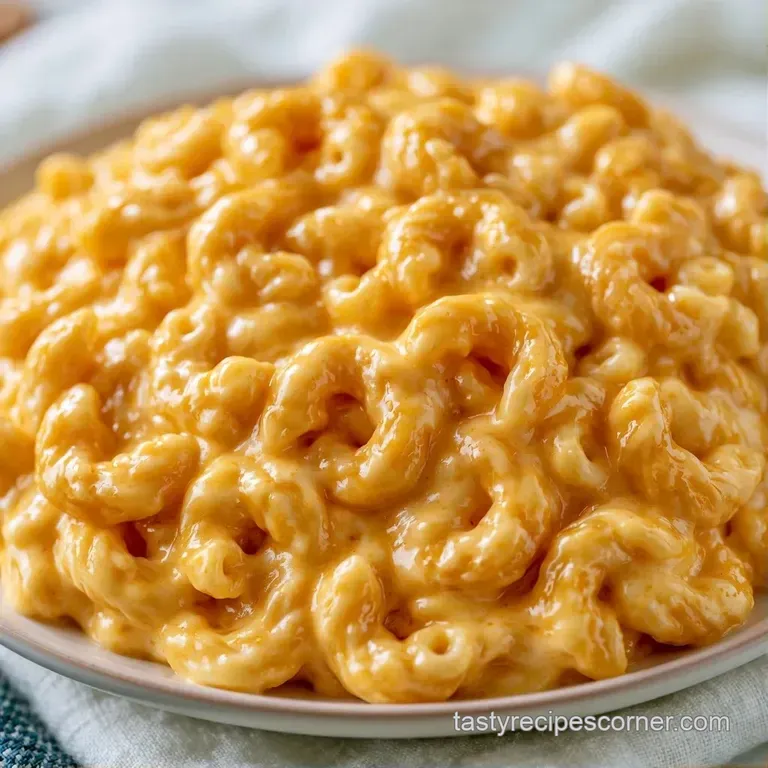
Even the best home cooks hit a snag. Most issues with a Creamy Macaroni Bowl come down to temperature control.
Fixing a Grainy Sauce
If the sauce looks split or grainy, you've likely overheated the cheese. This happens when the protein bonds break and the fat leaks out. To fix it, take the pan off the heat and whisk in a tablespoon of warm milk vigorously.
Rescuing a Dry Bowl
Pasta continues to soak up sauce as it sits. If your bowl looks dry, it's usually because the starch in the noodles absorbed the liquid. A tiny bit of pasta water or a knob of butter stirred in at the end brings back the shine.
| Problem | Fix |
|---|---|
| Grainy/Split Sauce | Whisk in 1 tbsp warm milk off heat |
| Sauce is too thin | Simmer for 2 more minutes before adding cheese |
| Clumps of flour | Whisk more vigorously and increase heat slightly |
| Bland flavor | Add a pinch of salt or a squeeze of lemon |
Make It Your Own
Feel free to experiment with the flavors now that the foundation is set. While this version is rich and smoky, the profile is highly versatile.
- For a sharper tang
- stir a teaspoon of Dijon mustard into the roux.
- For a spicy kick
- fold in diced jalapeños or a pinch of cayenne pepper.
- For a veggie boost
- mix in steamed broccoli florets or sautéed spinach at the very end.
If you're in the mood for a chilled, creamy side rather than a hot bowl, a homemade ranch dip is an excellent way to use up leftover herbs and cream cheese.
Adjusting the Batch Size
Scaling a Creamy Macaroni Bowl isn't always a straight multiplication, especially with the seasonings.
Scaling Down (Half Batch): Use a smaller saucepan so the milk doesn't evaporate too quickly. Reduce the simmering time by about 20%. Since you can't easily halve an egg (if adding one for richness), just stick to the butter and flour ratios.
Scaling Up (Double or Triple Batch): Increase the cheese and milk exactly, but only increase the smoked paprika and garlic powder to 1.5x. Spices can become overwhelming in large volumes. Work in batches if your pot is too small, as crowding the pan can lead to uneven heating and clumps.
Cheese Sauce Myths
There are a few things people believe about mac and cheese that just aren't true.
One big one is that you need to "sear" the cheese on top for it to taste authentic. While a crust is nice, the actual flavor comes from the quality of the cheddar and the roux, not the browned top.
Another myth is that pre shredded cheese is just as good as block cheese. As mentioned, the cellulose or starch used to keep shreds separate prevents them from melting smoothly into a Creamy Macaroni Bowl. It often results in a "sandier" texture.
Keeping Leftovers Fresh
This dish is best eaten immediately, but leftovers are still great if handled right.
Fridge Storage: Place your Creamy Macaroni Bowl in a sealed glass jar or plastic tub with a lid. It stays good for 3 to 4 days.
Freezing: I don't usually recommend freezing this recipe because the cream cheese can change texture and become grainy. However, if you must, freeze it for up to 2 months.
Zero Waste Tip: Don't dump your leftover pasta water down the drain. If you have a garden, the starch and salt (in moderation) can be diluted and used to help some plants, or you can use it to thicken other pan sauces you make during the week.
Best Ways to Serve
To lean into that Tennessee kitchen feeling, serve this in a wide, shallow bowl. This allows the sauce to spread and stay warm.
Pair it with something bright to cut through the richness. A crisp apple salad or some steamed green beans with lemon works well. For a real treat, top the bowl with a sprinkle of extra smoked paprika and some chopped chives.
If you're serving a crowd, keep the macaroni in a slow cooker on the "warm" setting, adding a splash of milk every hour to keep it from drying out. This keeps the Creamy Macaroni Bowl glossy for the entire party.
Critical Sodium Level
1650 mg 1,650 mg of sodium per serving (72% 72% of daily value)
The American Heart Association recommends a limit of 2,300mg of sodium per day for most adults to maintain heart health.
Tips to Reduce Sodium in Your Mac & Cheese
-
Omit Added Salt-25%
Completely remove the 1 tsp of salt from the pasta boiling water and the sauce to make the most immediate impact.
-
Use Low-Sodium Cheese-15%
Substitute the sharp cheddar with a low-sodium cheddar or a Swiss cheese to reduce the inherent salt in the dairy.
-
Swap Cream Cheese-10%
Replace the cream cheese with plain Greek yogurt or a low-sodium cream substitute for a similar creaminess.
-
Unsalted Pasta Water-10%
Boil your macaroni in unsalted water so that the reserved pasta water used for the sauce doesn't add extra sodium.
-
Boost Natural Flavors
Increase the amount of smoked paprika or add a pinch of nutmeg to enhance the flavor profile without adding salt.
Recipe FAQs
What is the secret to creamy mac & cheese?
Combine cream cheese with a roux. The cream cheese acts as a stabilizer for the cheddar, while the butter and flour base creates a velvety, thick texture.
How to avoid lumps in the sauce?
Whisk warmed milk slowly into the butter flour mixture. Adding the liquid gradually prevents temperature shocks that cause the roux to clump.
Is it true that pasta water is unnecessary?
Actually, no. The starchy water creates a bridge that helps the cheese sauce cling to the macaroni instead of pooling at the bottom of the bowl.
Which fats keep the sauce from breaking?
Softened cream cheese and unsalted butter. The emulsifiers in the cream cheese hold the melted cheddar together, preventing the oil from separating.
Can I customize this with vegetables?
Yes, stir in steamed broccoli or peas. If you enjoyed the savory depth here, see how the same flavor layering works in our savory squash pasta sauce.
Creamy Macaroni Bowl