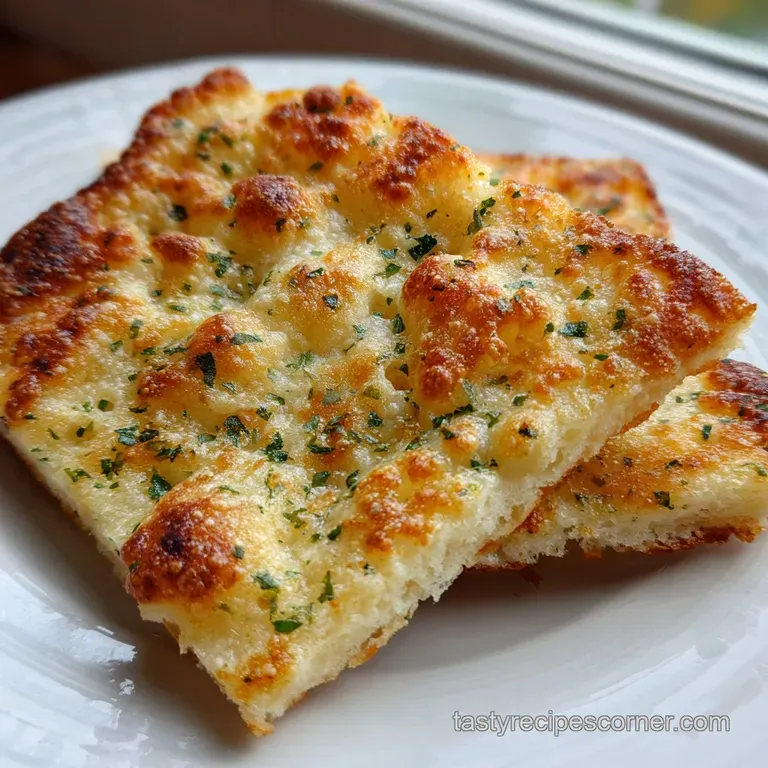
Low Carb Cottage Cheese Flatbread: Golden

- Time: 5 min active + 30 min bake = Total 35 mins
- Flavor/Texture Hook: Velvety batter that bakes into a flexible, savory crust with golden, shatter crisp edges
- Perfect for: High protein lunches, low carb pizza bases, or a quick office friendly snack
That specific aroma of toasted garlic hitting a hot oven is enough to make anyone hungry. I remember a particularly chaotic Tuesday at my old corporate job when I was starving by 11 AM, but the thought of a heavy deli sandwich and the inevitable afternoon "carb coma" felt like a nightmare.
I had a tub of cottage cheese and some eggs in the fridge, and on a whim, I decided to blend them together.
It sounded a bit wild at the time, but once that batter hit the parchment paper and the edges started to brown, I knew I was onto something. This is the perfect recipe for a 2 Ingredient Low Carb Cottage Cheese Flatbread with Garlic.
It's not trying to be a sourdough loaf, but as a flexible, savory wrap that actually holds up to toppings, it's spot on.
You'll find that this recipe is a massive win for anyone with a packed schedule. We're talking about minimal cleanup and a result that feels like a cheat meal but keeps you fueled. Right then, let's crack on with how to get this right every single time.
2 Ingredient Low Carb Cottage Cheese Flatbread with Garlic
The magic here is all about transforming humble curds into something that feels like a real wrap. You don't need flour or complex binders because the protein in the cottage cheese does the heavy lifting. According to USDA FoodData, cottage cheese is packed with casein protein, which provides a structural stability that keeps the flatbread from just becoming a fluffy omelet.
When you blend the cheese with eggs, you're essentially creating a high protein batter. The eggs provide the lift and the "glue," while the cottage cheese adds the tang and bulk. It's a brilliant way to sneak in extra nutrition without sacrificing that savory, bready experience we all crave.
But what about the texture? If you don't blend it enough, you'll get little pockets of cheese that don't set properly, leading to a soggy middle. That's why the high speed blending is the non negotiable part of this process. We want a completely smooth emulsion before it ever touches the baking sheet.
Texture Secrets Revealed
- Protein Binding: Eggs coagulate during baking, locking the cottage cheese proteins into a solid, flexible sheet.
- Moisture Evaporation: The 350°F heat pulls water from the cheese, concentrating the flavors and firming up the structure.
- Emulsification: High speed blending breaks down the curds, creating a velvety batter that spreads evenly for a consistent bake.
- Maillard Reaction: The natural sugars and proteins in the dairy brown under heat, giving you those shatter crisp edges.
The method you choose changes the result. While the oven is the gold standard for consistency, some people prefer a pan.
| Method | Time | Texture | Best For |
|---|---|---|---|
| Oven Bake | 30 mins | Firm, consistent, crisp edges | Pizza bases or wraps |
| Stovetop | 12 mins | Softer, more like a pancake | Quick breakfast wraps |
Since the batter is quite liquid, using the right ingredients is key to avoiding a "mushy" center.
Component Analysis
| Ingredient | Science Role | Pro Secret |
|---|---|---|
| Cottage Cheese | Bulk & Structure | Use full fat for a more velvety mouthfeel |
| Eggs | Binder & Lift | Room temperature eggs blend more smoothly |
| Garlic Powder | Flavor Base | Bloom in a tiny bit of oil first for more punch |
| Italian Seasoning | Aromatic Depth | Rub between palms to release oils before adding |
It's important to note that while this is a "2 ingredient" base, the seasoning is what makes it feel like actual garlic bread rather than a savory pancake.
Shopping List Essentials
- 1 cup (225g) full fat cottage cheese Why this? Full fat version provides the necessary lipids for a tender crumb. Substitute: Greek yogurt (will be softer).
- 2 large (100g) eggs Why this? Essential for the structure and lift. Substitute: 1/2 cup liquid egg whites (lower fat, firmer texture).
- 1 tsp (3g) garlic powder Why this? Distributes evenly throughout the batter. Substitute: 2 cloves fresh minced garlic (adds moisture).
- ½ tsp (3g) dried Italian seasoning Why this? Adds a classic savory profile. Substitute: Dried oregano or basil.
- ¼ tsp (1.5g) fine sea salt Why this? Enhances all other flavors. Substitute: Kosher salt (adjust quantity).
Trust me on this: don't even bother with low-fat cottage cheese. You'll lose that velvety texture and end up with something that feels a bit rubbery.
Tool Requirements
You don't need a professional kitchen for this, but a couple of specific tools make it effortless.
- High speed blender or food processor: This is the only way to get rid of the curds. A whisk won't cut it.
- Baking sheet: A standard large rimmed sheet works best.
- Parchment paper: Non negotiable. Without this, your flatbread will become one with your pan.
- Spatula: A silicone one is best for spreading the batter into those 1/4 inch circles.
Chef's Note: If you're in a rush, you can use a handheld immersion blender directly in a wide mouth jar to save on washing a full blender.
Step-by-step Guide
- Preheat your oven to 350°F (177°C) and line a large baking sheet with parchment paper. Note: Preheating ensures the batter sets immediately upon contact.
- Add the cottage cheese, eggs, garlic powder, Italian seasoning, and salt into a high speed blender or food processor.
- Process on high for 30 60 seconds until the mixture is completely smooth and velvety, with no visible curds remaining.
- Pour the batter onto the parchment paper.
- Use a spatula to spread it into two equal circles or rectangles, approximately ¼ inch thick. Note: Too thick and the center stays gooey.
- Bake for 25–30 minutes until the edges are deep golden brown and the center feels firm to the touch.
- Remove from the oven and allow the flatbread to cool for 5 minutes. Note: This allows the proteins to fully set so it doesn't tear.
- Carefully peel the flatbread from the parchment paper.
Avoiding Common Pitfalls
The biggest struggle most people have is the "soggy middle." This usually happens because the batter was spread too thick or the oven wasn't fully preheated. If your flatbread feels like a wet sponge, it likely needs another 5 minutes in the heat.
Why Your Bread Stays Soft
If the center doesn't firm up, it's usually a moisture issue. Full fat cheese contains more water than some think, and if you use a very deep pan, air doesn't circulate well.
| Problem | Root Cause | Solution |
|---|---|---|
| Soggy Center | Spread too thick | Keep thickness to exactly 1/4 inch |
| Sticking to Paper | Poor quality parchment | Use silicone coated parchment paper |
| Rubbery Texture | Overbaked | Pull out as soon as edges are golden |
Mistakes Checklist:
- ✓ Did you blend until no curds are visible?
- ✓ Is the oven actually at 350°F?
- ✓ Did you let it cool for 5 minutes before peeling?
- ✓ Is the batter spread evenly across the sheet?
Creative Flavor Twists
Once you've nailed the base, you can get wild with it. If you're looking for something even heartier, you might enjoy the structure of a Keto Fathead Dough Pizza, but for a lighter, protein packed option, this flatbread is the way to go.
- Everything Bagel: Swap the Italian seasoning for everything bagel spice.
- Cheesy Crust: Sprinkle shredded mozzarella on top during the last 5 minutes of baking.
- Spicy Kick: Add a pinch of cayenne pepper or red chili flakes to the blender.
- Pesto Base: Swirl a teaspoon of pesto into the batter after blending but before spreading.
If you want a different vibe, you can treat this as a wrap for deli meats or a base for a low carb breakfast pizza with eggs and spinach.
Storage and Freezing
These keep surprisingly well if you store them correctly. Place them in a single layer in an airtight container. They'll stay fresh in the fridge for up to 4 days.
For longer storage, freeze them with parchment paper dividers between each sheet. They'll last about 2 months in the freezer. To reheat, avoid the microwave if you want the edges to stay crisp. Instead, pop them in a toaster oven or a dry skillet over medium heat for 2-3 minutes.
You'll hear a slight sizzle as the fats reactivate, and they'll return to that original velvety yet firm texture.
To avoid waste, if you have a little batter left in the blender, just pour it into a small ramekin and bake it as a "protein cracker" for a quick snack.
Serving Suggestions
The versatility of this dish is where it really shines. I love using it as a high protein wrap for turkey and avocado. But if you're feeling fancy, use it as a base for a mini pizza with fresh basil and tomato.
For a real treat, serve these warm as a side for a bowl of hearty soup. If you're looking for a dipping sauce, a Vegan Cheese Sauce provides a creamy, tangy contrast to the garlic notes of the bread.
Decision Shortcut: If you want a wrap → Roll it while still slightly warm. If you want a pizza → Top with sauce and cheese, then broil for 2 mins. If you want a cracker → Spread the batter paper thin and bake for 15 mins.
Recipe FAQs
Why is my flatbread lumpy instead of smooth?
Process the mixture longer in the blender. Blend on high for a full 30 60 seconds until the batter is completely velvety and no visible curds remain.
Can I use low-fat cottage cheese for this recipe?
No, stick with full fat. Full fat cottage cheese provides the necessary structure and moisture to prevent the flatbread from becoming rubbery.
How to stop the batter from sticking to the pan?
Line your baking sheet with parchment paper. This creates a non-stick barrier that allows you to peel the flatbread away easily after it cools for 5 minutes.
How to reheat the flatbread so it stays crisp?
Use a toaster oven or dry skillet over medium heat. Heat for 2-3 minutes to reactivate the fats and restore the firm, golden edges.
Is it true I can just whisk the ingredients by hand instead of using a blender?
No, this is a common misconception. A high speed blender or food processor is essential to emulsify the cottage cheese and eggs into a smooth batter.
How long can I store these in the refrigerator?
Up to 4 days. Keep them in a single layer within an airtight container to maintain their texture.
What is the best way to serve this low carb flatbread?
Serve it as a base for toppings or alongside a savory protein. It pairs excellently with a creamy garlic chicken for a cohesive flavor profile.
Cottage Cheese Garlic Flatbread