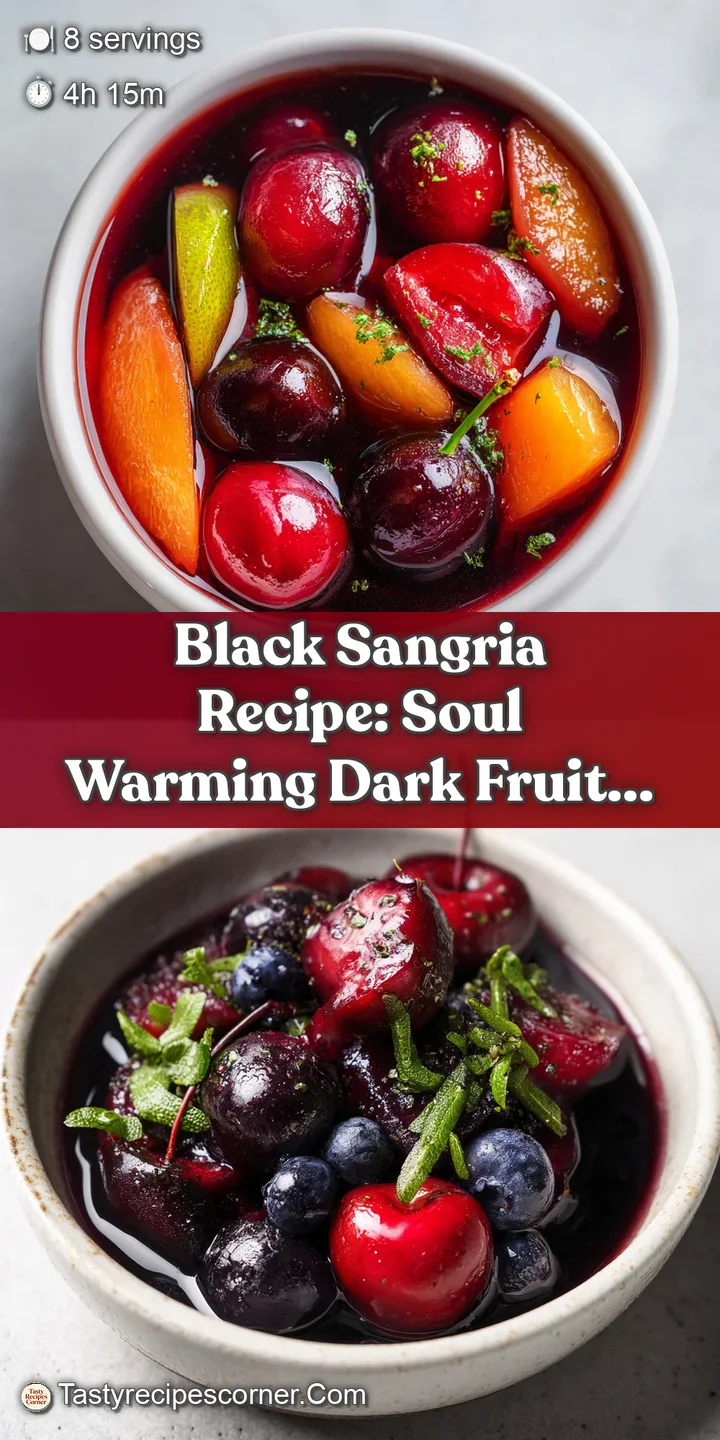
Black Sangria Recipe
- Time: Active 15 minutes, Passive 4 hours, Total 4 hours 15 mins
- Flavor/Texture Hook: Syrupy, dark berried sweetness with a tart pomegranate finish.
- Perfect for: Halloween gatherings, autumn dinner parties, or when you want a drink with some serious backbone.
- Master the Bold Black Sangria
- Essential Specs for the Batch
- Layering Flavors for Deep Taste
- Sourcing the Midnight Ingredients
- Must Have Tools for Success
- The Infusion and Chilling Process
- Fixing Common Mixing Mistakes
- Flavorful Swaps and Adjustments
- Storage and Waste Prevention
- Serving Tips for Dark Drinks
- Recipe FAQs
- 📝 Recipe Card
Master the Bold Black Sangria
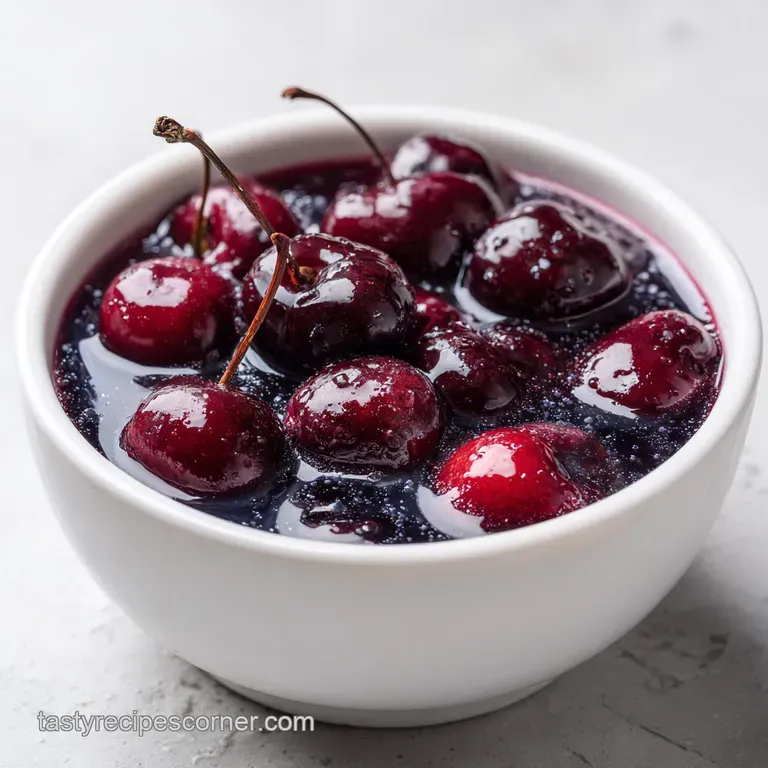
I remember the first time I set a pitcher of this on the table during a humid October night. The condensation was running down the glass in deep purple streaks, and as soon as I pulled the cork on that Malbec, the kitchen filled with the scent of dark cherries and woodsmoke. It wasn't just a drink; it was a mood.
My friends stopped reaching for the beer and spent the next ten minutes just poking at the booze soaked plums at the bottom of their glasses.
Most people think sangria has to be bright, citrusy, and floating with cheap orange slices. But there is something so much more satisfying about a version that feels heavy and intentional. This recipe is about layering those dark, moody flavors the kind that stick to your ribs and warm you from the inside out.
We are talking about ink colored fruits that stain your wooden spoon and a wine base that can actually stand up to the brandy. Trust me, once you go dark, the bright yellow lemons of traditional sangria will start to look a little lonely.
Essential Specs for the Batch
Before we get our hands stained with blackberry juice, let's look at how this liquid gold scales. I usually make a single batch for my small family dinners, but if the whole neighborhood is coming over, you'll want to adjust your vessels.
| Servings | Red Wine Amount | Fruit Volume | Best Container |
|---|---|---|---|
| 4 people | 375 ml | 250 g mixed | Small glass carafe |
| 8 people | 750 ml | 500 g mixed | Standard 2 quart pitcher |
| 16 people | 1.5 Liters | 1 kg mixed | Large punch bowl or drink dispenser |
A quick note on the wine: since we aren't cooking this, the quality matters. You don't need a hundred dollar bottle, but if you wouldn't drink a glass of it on its own, don't throw it in the pitcher. The wine is the foundation of the house we are building here.
Layering Flavors for Deep Taste
The secret to why this recipe feels so much more substantial than a standard punch is the way the fruit interacts with the alcohol over time. When you let those black plums and cherries sit in the spirits, they don't just get wet; they undergo a chemical shift.
The alcohol acts as a solvent, pulling out the deep pigments and tannins that usually stay locked inside the fruit skins.
1. The Science of Anthocyanins
Pigment Extraction: The dark color comes from anthocyanins in the fruit skins which dissolve better in the acidic, alcoholic environment of the wine. This creates that striking, nearly opaque appearance that defines a true dark sangria.
2. The 4 Hour Maceration Rule
Osmotic Exchange: Sugar in the simple syrup draws water out of the fruit cells, while the brandy carries the wine's flavors deep into the fruit's flesh. This two way street ensures the fruit tastes like wine and the wine tastes like fruit.
3. Avoiding the Ice Trap
Dilution Control: Adding ice directly to the pitcher is a mistake I once made that turned my beautiful brew into watery grape juice. Keeping the pitcher chilled and using frozen grapes as "ice" keeps the flavor concentrated and velvety.
Ingredient Deep Dive
| Ingredient | Science Role | Pro Secret |
|---|---|---|
| Malbec Wine | Structural Base | Choose one with high tannins to balance the sweet fruit. |
| Pomegranate Juice | Acidic Balancer | Use unsweetened juice to provide a sharp "bite" against the sugar. |
| Blackberry Liqueur | Flavor Bridge | It connects the fresh fruit to the dry wine seamlessly. |
| Black Plums | Texture Provider | Slice them thin to increase surface area for faster infusion. |
One thing I've learned in my kitchen is that the brandy is non negotiable. It adds a warmth that hums in the back of your throat. If you skip it, the drink feels a bit thin, like it's missing its soul. Much like my Crock Pot Black recipe, this sangria relies on time to let those flavors truly marry and become something greater than the sum of their parts.
Sourcing the Midnight Ingredients
When you are at the store, look for the darkest produce you can find. We want fruits that are bordering on black, not bright red. This isn't just for the aesthetics; those darker fruits usually have a higher concentration of sugars and a deeper, more complex flavor profile.
- Red Wine (750 ml): Go for a Malbec, Syrah, or Petit Sirah. Why this? These wines have the deep purple hues and dark fruit notes we need.
- Substitute: Cabernet Sauvignon (adds a bit more oak and structure).
- Pomegranate Juice (120 ml): Get the 100% juice variety, not the cocktail blend. Why this? It provides the dark "ink" color and necessary tartness.
- Substitute: Tart cherry juice (slightly sweeter but keeps the color).
- Blackberry Liqueur (60 ml): Brands like Chambord work well. Why this? It amplifies the "black" fruit profile and adds a silky mouthfeel.
- Substitute: Blackcurrant liqueur (Cassis) for a more earthy flavor.
- Brandy (60 ml): A standard Cognac or a good Spanish brandy. Why this? It "fortifies" the wine so it doesn't taste like juice.
- Substitute: Dark rum (adds a molasses like depth).
- Simple Syrup (30 ml): Equal parts sugar and water dissolved. Why this? It sweetens the mix without leaving grainy crystals at the bottom.
- Substitute: Agave nectar (use slightly less as it is sweeter).
- Fresh Blackberries (150 g): Look for plump, matte finished berries.
- Substitute: Thawed frozen blackberries (they actually bleed color better).
- Pitted Black Cherries (150 g): Fresh is best, but frozen is a great shortcut.
- Substitute: Dark sweet cherries (avoid the bright red maraschino types).
- Black Plums (2 large): Sliced into thin wedges.
- Substitute: Black figs (adds a lovely honeyed texture).
- Black Grapes (100 g): Halved to release juice.
- Substitute: Concord grapes (intense flavor but watch for seeds).
Must Have Tools for Success
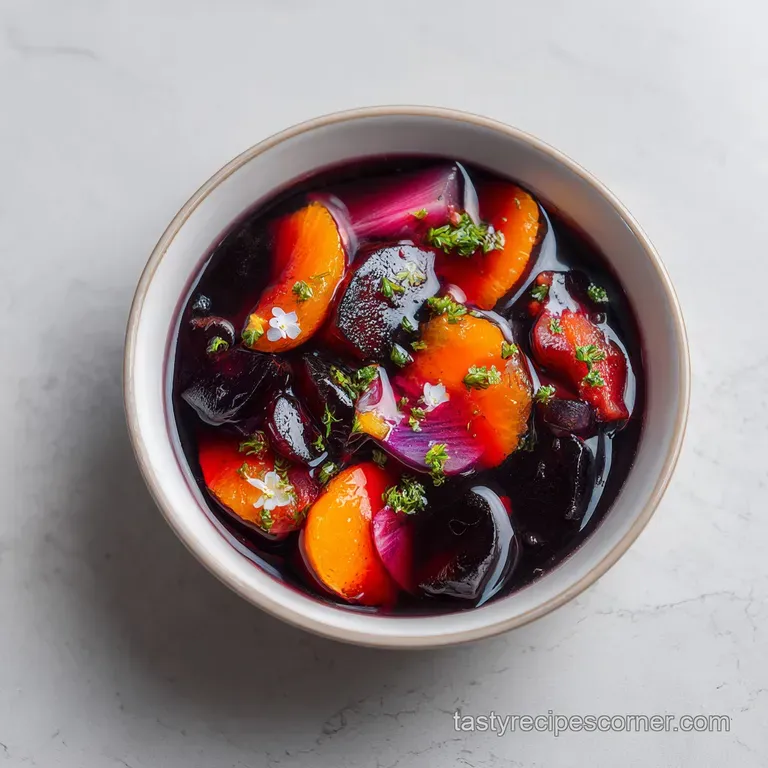
You don't need a lab full of gear, but a few specific items make this much easier. A long handled wooden spoon is essential mine has a purple stain on the tip that reminds me of all the good times we've had.
- Large Glass Pitcher: You want to see the colors! Avoid plastic, as the dark juices can actually stain it over time.
- Wine Key or Opener: To get into that Malbec.
- Sharp Pairing Knife: For those thin plum slices.
- Measuring Jigger: Accuracy matters when balancing the brandy and liqueur.
- Long Stirring Spoon: To reach the bottom and wake up the fruit before serving.
The Infusion and Chilling Process
Right then, let's get into the heart of it. Making sangria is more about patience than technique. You are essentially "cold brewing" a fruit tea with wine as your water.
Prep and Macerate Fruit
Start by prepping your fruit. Slice the black plums into thin, elegant wedges and halve the grapes. Place the blackberries, cherries, plums, and grapes into the bottom of your pitcher. Pour the 30 ml of simple syrup and 60 ml of brandy directly over the fruit. Give it a gentle toss.
Note: This "maceration" step helps the fruit start releasing its juices before the wine even hits the glass.
Deep Flavor Integration
Pour in the 60 ml of blackberry liqueur and the 120 ml of pomegranate juice. Use your long spoon to stir the fruit gently so you don't smash the blackberries too much. You want them to stay whole for the visual appeal later.
The Cold Infusion
Slowly pour the 750 ml bottle of red wine into the pitcher. Give it one slow, rhythmic stir to combine. Cover the pitcher with plastic wrap or a lid. This is the hardest part: put it in the fridge for at least 4 hours.
Until the liquid turns a deep, bruised purple and the fruit looks slightly translucent, the magic hasn't fully happened yet.
The Final Polish
Just before serving, take the pitcher out of the fridge. Give it another stir because the syrup tends to settle at the bottom. Taste a little bit if it's too tart, add another splash of simple syrup. If it's too sweet, a squeeze of fresh lime can save the day.
If you're serving this alongside a dessert like my Earl Grey Cookies recipe, the tannins in the wine will play beautifully off the floral notes of the tea cookies.
Fixing Common Mixing Mistakes
We've all been there you pour a glass and it tastes like straight rubbing alcohol, or worse, it looks like muddy water. Sangria is forgiving, but it isn't bulletproof.
Fixing Brownish Tones
If your sangria looks brown instead of black, it usually means the wine has oxidized or the fruit was over ripe. To fix this, add a splash more of the pomegranate juice. The vibrant purple red of the juice acts as a color corrector, bringing back that "midnight" glow.
Over Sweetness Solutions
Sometimes the fruit is sweeter than we expect. If the drink feels cloying, don't panic. Add a splash of sparkling water or a dry tonic. The bubbles and the quinine in the tonic will cut right through the sugar and brighten the whole profile.
| Problem | Root Cause | Solution |
|---|---|---|
| Too Bitter | Too many grape seeds or cheap wine | Add 15 ml more simple syrup and stir well. |
| Tastes Weak | Not enough steeping time | Let it sit another 2 hours; do not add more booze. |
| Cloudy Liquid | Smashed fruit during stirring | Strain through a fine mesh sieve and add fresh fruit. |
Common Mistakes Checklist
- ✓ Using "cooking wine" instead of a drinkable Malbec (it will be too salty).
- ✓ Adding ice to the pitcher (it dilutes the velvety texture).
- ✓ Skipping the chill time (the flavors won't have "married" yet).
- ✓ Using granulated sugar instead of simple syrup (you'll get a gritty bottom).
- ✓ Over stirring and turning the blackberries into mush.
Flavorful Swaps and Adjustments
One of the best things about this recipe is how much you can play with it. It's a hearty, soul warming base that invites experimentation.
Black Cherry Sangria Twist
If you want to lean into the cherry flavor, swap the blackberry liqueur for a Maraschino liqueur (not the juice from the jar!) and double the amount of black cherries. This creates a version that is slightly more almond scented and very sophisticated. It's a great "special occasion" variation.
Low Sugar Keto Swap
For those watching their sugar, you can still enjoy this. Swap the simple syrup for a monk fruit liquid sweetener and use a very dry Syrah. Replace the blackberry liqueur with a sugar-free blackberry syrup (like Torani). It won't have the same "syrupy" mouthfeel, but the flavor will still be intense.
If you're looking for something without the alcohol for the kids or non drinkers, check out the Halloween Mocktails for recipe for a similar dark fruit vibe.
Storage and Waste Prevention
Sangria is actually better the next day, up to a point. After about 24 hours, the fruit starts to get a bit "boozy mushy," which some people love and others hate.
- Fridge: Keep it covered for up to 48 hours. After that, the tannins in the fruit skins can start to make the liquid taste bitter.
- Freezer: Don't freeze the liquid (alcohol doesn't freeze well and the fruit will turn to pulp). However, you can freeze the leftover fruit in an ice cube tray with a bit of the wine to use in future drinks!
- Zero Waste: If you have leftover fruit at the bottom of the pitcher, don't throw it out! Spoon it over vanilla ice cream or use it as a topping for pound cake. The "boozy fruit" is a chef's treat that shouldn't be wasted.
Serving Tips for Dark Drinks
To truly do this recipe justice, the presentation should be just as moody as the flavor. I like to use wide rimmed wine glasses or even heavy crystal tumblers.
- The Glass Prep: Place a few frozen black grapes in each glass. This keeps the drink cold without diluting it as ice would.
- The Pour: Make sure each person gets a bit of the fruit. Use a spoon to guide a plum wedge and a few blackberries into every glass.
- The Garnish: A sprig of fresh thyme or rosemary adds a savory, earthy aroma that complements the dark fruit perfectly. It makes the whole experience feel a bit more grounded and "Tennessee kitchen" cozy.
Honestly, the best way to enjoy this is with a big plate of something savory. It has enough acidity to cut through fats and enough body to stand up to grilled meats. It's the kind of recipe that makes people linger at the table just a little longer, which, in my book, is the sign of a successful meal.
Right then, go grab that Malbec and let's get to work!
Recipe FAQs
What color is dark sangria supposed to be?
Nearly opaque, deep indigo or midnight purple. The goal is to extract maximum anthocyanins from the dark skins, resulting in a color much deeper than traditional red sangria.
Is black sangria anti inflammatory?
Yes, due to the high concentration of antioxidants in dark fruits. The deep pigments, particularly from blackberries and plums, contain anthocyanins which offer significant antioxidant benefits.
What type of alcohol is used in black sangria?
A combination of full bodied red wine, brandy, and a dark fruit liqueur. The wine provides the base structure, while the brandy adds necessary warmth and fortification to stand up to the dark fruit.
Is it true a "black magic drink" is just a strong version of this sangria?
No, "black magic drink" is a vague term, but this recipe shares the dark aesthetic. Our recipe relies on traditional wine and spirits; any drink labeled "black magic" varies widely but often shares a very dark, mysterious appearance.
How long must black sangria steep before it is ready to serve?
Minimum of four hours, ideally overnight, in the refrigerator. This extended maceration allows the alcohol to fully dissolve the fruit tannins and pigments, achieving that signature deep color and flavor marriage.
How can I achieve the deep color without using actual blackberries?
Substitute with unsweetened pomegranate juice and use a Syrah wine. If you enjoyed mastering the careful balance of sweet and tart flavors here, you can apply that same acid/sugar principle to our Garlic Parmesan Sauce Recipe to enhance savory depths.
What is the best way to prevent the sangria from tasting watered down?
Chill the pitcher beforehand and use frozen grapes instead of ice cubes. Freezing grapes keeps the drink extremely cold while adding a subtle, boozy sweetness as they thaw, avoiding dilution.
Black Sangria Recipe
Ingredients:
Instructions:
Nutrition Facts:
| Calories | 181 calories |
|---|---|
| Protein | 0.5 g |
| Fat | 0.2 g |
| Carbs | 20 g |
| Fiber | 1.5 g |
| Sugar | 14 g |
| Sodium | 6 mg |
