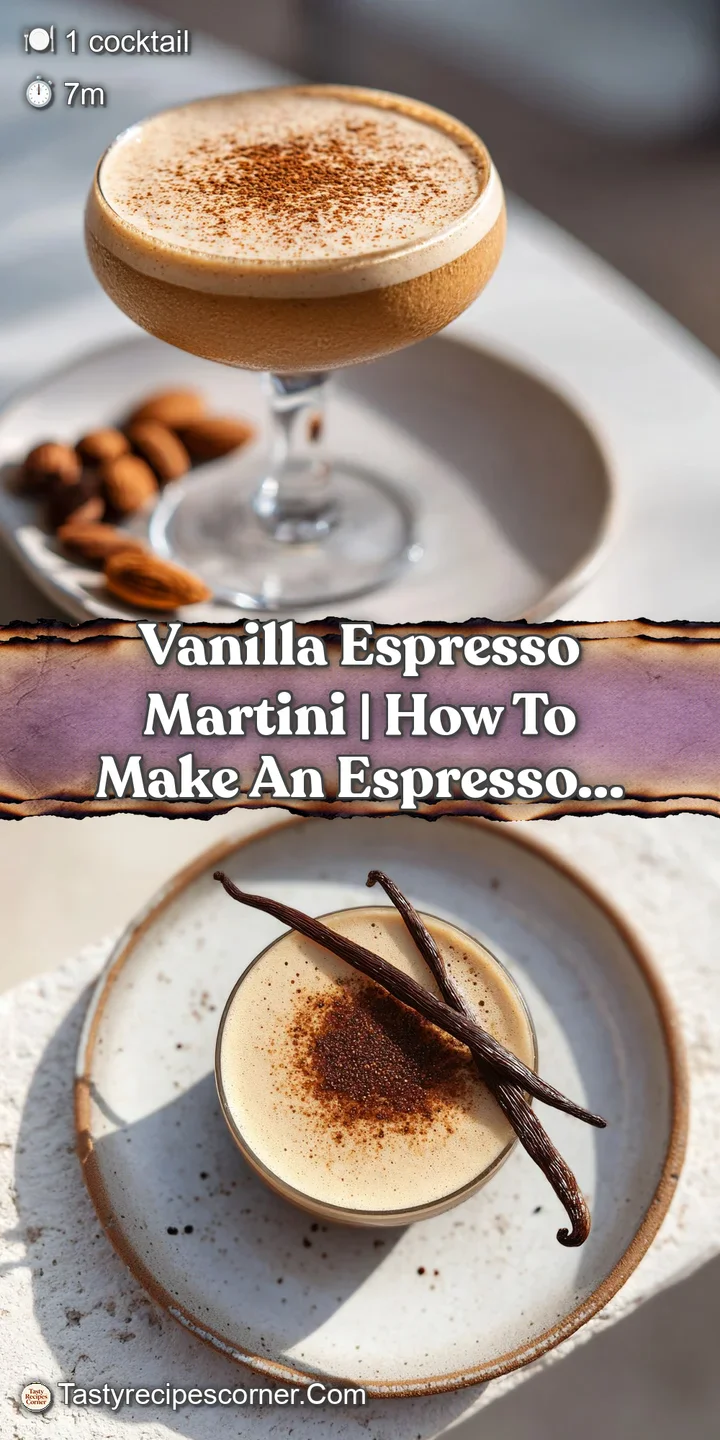
Vanilla Espresso Martini: Silky and Velvety
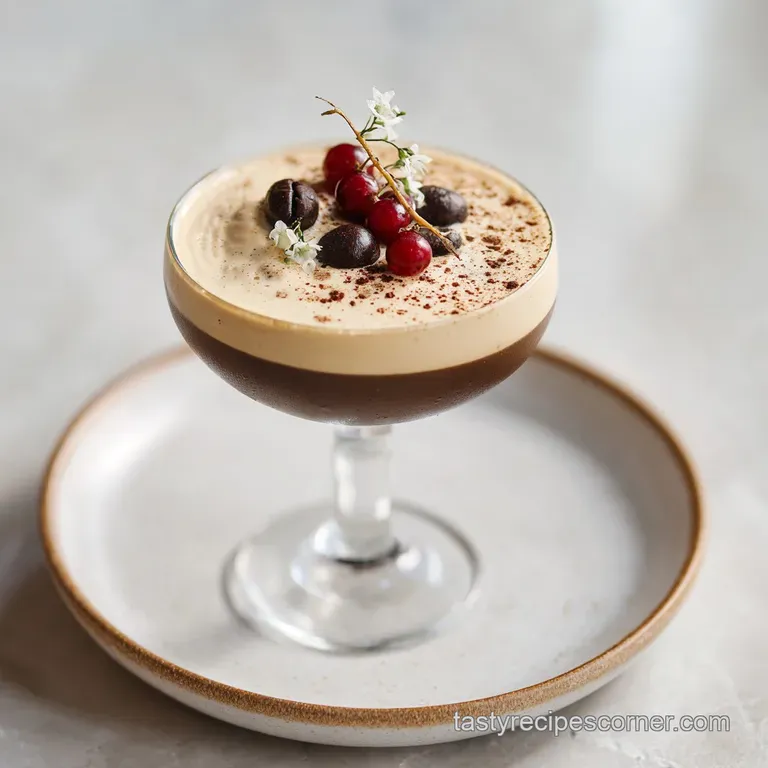
- Time: Active 5 minutes, Passive 2 minutes, Total 7 minutes
- Flavor/Texture Hook: Silky, velvet topped coffee with a rich, floral vanilla finish
- Perfect for: Sophisticated dinner parties or a refined late night treat
- Essential Techniques for Better Foam
- Precision Numbers for Every Pour
- Selecting Premium Elements for Flavor
- Tools Required for Professional Results
- Step Sequence for Perfect Execution
- Correcting Common Mixing Errors Fast
- Creative Variations for Every Palate
- Storage and Batching Made Easy
- Elegant Pairings for Dessert Lovers
- Dispelling Kitchen Myths
- Recipe FAQs
- 📝 Recipe Card
You’ve been there before. You spend ten minutes brewing the perfect shot, carefully measuring your spirits, and shaking until your hands ache, only to pour out a drink that looks like sad, gray dishwater. There’s no head, no "shatter" of frozen foam, and the vanilla taste is just a chemical afterthought.
It’s frustrating because you know how a real Vanilla Espresso Martini should feel like a liquid velvet hug that hits you with a punch of caffeine and a lingering, sweet bean aroma.
The problem usually isn't your vodka choice; it's the lack of structure in your foam and the thinness of your sweeteners. Most recipes rely on cheap syrups that water down the drink.
We're fixing that by using vanilla bean paste and a specific shaking method that treats the espresso like the protein rich ingredient it actually is.
This isn't just a drink; it's a small act of kitchen architecture. We’re going to build a stable emulsion that stays frothy until the very last sip. If you've struggled with cocktails that separate after thirty seconds, this is the targeted fix you’ve been looking for.
It’s about achieving that professional, glossy finish right in your own kitchen without needing a commercial espresso machine or a degree in mixology.
Essential Techniques for Better Foam
Understanding how to get that thick, meringue like head on a Vanilla Espresso Martini is what separates the home hobbyist from the professional bartender. It all comes down to the proteins found in the espresso.
Coffee isn't just flavored water; it contains lipids and proteins that, when agitated, create a stable foam known as crema.
Protein Aeration: Shaking creates tiny air bubbles that get trapped by the coffee oils and vanilla bean fibers. This forms a structural web that holds the foam at the top of the glass.
Thermal Shock: Adding ice to a dry shaken mixture causes the fat in the coffee liqueur and the proteins to tighten, creating a denser, more resilient foam structure.
Viscosity Control: The inclusion of vanilla bean paste adds physical solids (the tiny seeds) and a thicker sugar base than standard syrup, which acts as a stabilizer for the air bubbles.
| Method | Shake Time | Texture | Best For |
|---|---|---|---|
| The Standard Shake | 10 seconds | Thin, fleeting foam | A quick, casual drink |
| The Double Shake | 20 seconds | Thick, velvety head | Dinner party "wow" factor |
| The Lazy Stir | 30 seconds | No foam, translucent | Not recommended for this recipe |
When you use the double shake method starting without ice and then adding it you are essentially whisking the drink like a meringue before chilling it down. This ensures the vanilla bean paste is fully integrated and the espresso is properly aerated.
It’s a small extra step that makes a massive difference in the final mouthfeel of the cocktail.
Precision Numbers for Every Pour
To get this right every single time, we need to move away from "splashes" and "dashes." Consistency in bartending comes from exact ratios. If you change the amount of espresso, you change the foam potential. If you skimp on the vanilla vodka, the drink loses its backbone.
| Metric | Measurement | Visual Cue |
|---|---|---|
| Glass Temp | 32°F (0°C) | Frost forms on the outside of the glass |
| Shake Duration | 15 seconds | Shaker becomes painfully cold to hold |
| Espresso Temp | 110°F (43°C) | Freshly pulled, slightly cooled to the touch |
Using these checkpoints ensures that you aren't diluting the drink too much with melting ice or ending up with a lukewarm cocktail. A lukewarm martini is a crime against hospitality. We want that sharp, icy snap followed by the warmth of the coffee.
For another decadent treat that hits those same coffee notes, you might want to try making an espresso martini mousse for your next gathering. It uses many of the same flavor profiles but translates them into a spoonable dessert.
Selecting Premium Elements for Flavor
The ingredients in a Vanilla Espresso Martini are few, so each one has to pull its weight. We aren't just looking for sweetness; we're looking for depth and aroma. The choice of vanilla bean paste over extract is non negotiable here if you want those beautiful black specks and a rich, rounded flavor.
| Ingredient | Role | Pro Secret |
|---|---|---|
| Vanilla Vodka | Flavor Base | Use a brand that uses natural vanilla maceration, not artificial flavoring. |
| Fresh Espresso | Foam & Body | Must be fresh; instant coffee lacks the proteins needed for a stable head. |
| Vanilla Bean Paste | Texture & Aroma | The seeds provide visual elegance and a thicker, more luxurious mouthfeel. |
Component Deep Dive
The vodka provides the punch, but the vanilla vodka specifically should have a clean, floral note. If you use a bottom shelf brand, you’ll taste the medicinal burn. Since the coffee is so bold, you need a vodka that can stand up to it without disappearing or tasting like rubbing alcohol.
The coffee liqueur acts as the bridge. It provides the sugar needed to balance the bitterness of the espresso and the heat of the vodka. Some people try to use simple syrup, but the liqueur adds a toasted, roasted dimension that syrup just can't match.
Tools Required for Professional Results
You don't need a full bar setup, but two specific items will change the quality of your drinks forever. First, a weighted shaker (Boston style) is superior to the three piece cobbler shakers. It allows for more air to be incorporated and is much easier to open when it’s cold.
Second, a fine mesh sieve is the secret to a professional finish. Even if your shaker has a built in strainer, the double strain method catches tiny ice shards and broken coffee bean fragments. This ensures every sip is perfectly smooth, without any "crunchy" surprises.
Chef's Tip: If you don't have a martini glass, a small wine glass works in a pinch, but always put it in the freezer at the very beginning of your prep. A warm glass is the fastest way to ruin a perfectly shaken drink.
Step Sequence for Perfect Execution
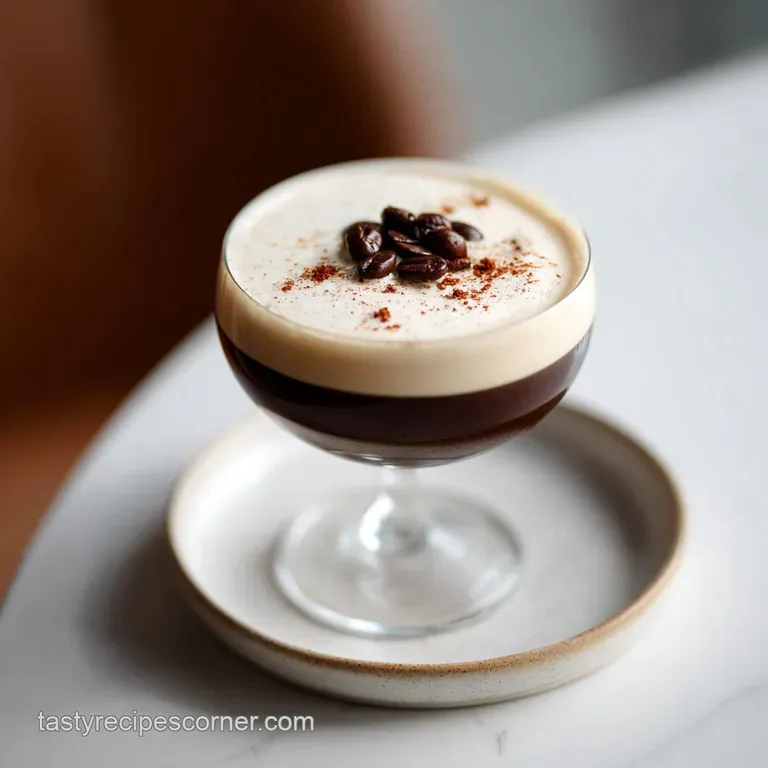
- Place your martini or coupe glass in the freezer for 10 minutes to pre chill. Note: This ensures the drink stays icy from the first sip to the last.
- Add the 2 oz vanilla vodka, 1 oz fresh espresso, 0.5 oz coffee liqueur, and 0.25 oz vanilla bean paste to a weighted shaker without ice.
- Perform a dry shake (without ice) to begin emulsifying the proteins in the espresso with the vanilla bean paste. Continue until you hear the liquid sound "thicker" inside.
- Fill the shaker to the brim with large, solid ice cubes.
- Shake vigorously for exactly 15 seconds until the shaker is painfully cold and frost forms on the metal.
- Double strain the mixture through a Hawthorne strainer and a fine mesh sieve simultaneously into the chilled glass. Look for a silky, consistent pour with no ice shards.
- Wait 5 seconds for the foam to rise and settle into a distinct layer.
- Garnish with three whole espresso beans in a triangular pattern.
- Finish with a light dusting of cocoa powder until the foam looks like a dusted truffle.
| Feature | Fast Method | Classic Method |
|---|---|---|
| Preparation | Instant coffee, single shake | Fresh espresso, double shake |
| Results | Bitter, thin, no foam | Creamy, sweet, thick head |
| Effort | 2 mins | 7 mins |
Correcting Common Mixing Errors Fast
If your drink doesn't look like the photos, don't panic. Usually, the issue is a simple mechanical error during the shake or a temperature problem. For example, if your espresso was piping hot when it hit the ice, it likely melted the cubes instantly, resulting in a watery, over diluted mess.
The Foam is Thin and Disappears
This is almost always caused by using coffee that isn't fresh or not shaking hard enough. The "dry shake" is your insurance policy. If you skip it, you're relying solely on the ice shake to create volume, which is much harder to do. Also, make sure your vanilla bean paste isn't oil based, as oil is the enemy of foam.
The Drink is Too Bitter
Bitter drinks happen when the espresso is over extracted (burnt) or if you didn't use enough coffee liqueur. If you're using a very dark roast, you might need to increase the vanilla bean paste to 0.5 oz to balance the scales.
| Problem | Root Cause | Solution |
|---|---|---|
| Watery Flavor | Too much ice melt | Use larger ice cubes and shake faster for less time. |
| No "Crema" Head | Cold/Old coffee | Always use fresh, hot espresso cooled only slightly. |
| Grainy Texture | Paste not integrated | Increase the duration of the dry shake to dissolve the solids. |
Common Mistakes Checklist
- ✓ Forgetting to chill the glass (the drink warms up in seconds).
- ✓ Using "crushed" ice which melts too fast and dilutes the vodka.
- ✓ Shaking "gently" - you need to be aggressive to create the foam.
- ✓ Using vanilla extract instead of paste (it lacks the stabilizing sugar).
- ✓ Not double straining, leaving unsightly ice bits on top of the foam.
Creative Variations for Every Palate
While the classic Vanilla Espresso Martini is hard to beat, you can easily tweak the profile to suit your mood. If you want something even more indulgent, you can lean into the creamy coffee cocktails style by adding a splash of heavy cream or Irish cream. This transforms the drink from a sharp martini into a liquid dessert.
Flavor Twists
For a "Spiced Vanilla" version, add a pinch of cinnamon to the shaker before the dry shake. The cinnamon interacts with the coffee oils to create a warm, autumnal vibe. Another popular choice is the "Salted Vanilla," where a tiny pinch of flaky sea salt is added.
Salt suppresses bitterness and makes the vanilla notes pop.
Diet Swaps
If you're watching your sugar, you can replace the coffee liqueur with a sugar-free coffee syrup and increase the espresso amount. Just be aware that the foam will be slightly less stable without the sugar solids from the liqueur and the paste.
- If you want a thicker foam, use 1.5 oz of espresso and shake for an extra 5 seconds.
- If you want it less sweet, cut the vanilla bean paste in half but keep the liqueur.
- If you want more caffeine, use a double shot of ristretto for a concentrated punch.
Storage and Batching Made Easy
Can you make this ahead of time? Yes and no. You can batch the "booze" (the vanilla vodka and coffee liqueur) in a large bottle and keep it in the freezer. This keeps the base incredibly cold and ready to go.
However, you should never brew the espresso more than 30 minutes before you plan to shake the drinks.
Fresh espresso contains volatile aromatics that dissipate quickly. If you use "day old" coffee, the drink will taste flat and dusty. For a party, brew a large carafe of espresso, let it sit for 5 minutes to drop from boiling to warm, and then start your shaking station.
Zero Waste Tip: Don't throw away those used espresso grounds! They make an incredible body scrub when mixed with a little coconut oil and a drop of vanilla. Or, if you're a gardener, they are a fantastic nitrogen rich addition to your compost pile.
Elegant Pairings for Dessert Lovers
A Vanilla Espresso Martini is a bold drink, so it needs a pairing that can stand up to its intensity. Since we have those heavy vanilla and coffee notes, look for desserts that offer a bit of contrast in texture something crunchy or slightly tart.
Dark Chocolate Tart
The bitterness of high-quality dark chocolate (70% cocoa or higher) complements the sweetness of the vanilla vodka perfectly. The silky ganache of a tart mimics the velvety foam of the martini, creating a seamless sensory experience.
Almond Biscotti
The crunch of a twice baked biscotti is the perfect foil to the liquid martini. Dipping a piece of almond or hazelnut biscotti into the foam of the drink is one of those simple kitchen pleasures that feels incredibly high end. The nuttiness of the almond pulls out the toasted notes in the coffee liqueur.
| Plating Level | Garnish | Vessel | Vibe |
|---|---|---|---|
| Simple | 3 Coffee Beans | Standard Martini Glass | Casual Friday Night |
| Polished | Beans + Cocoa Dust | Coupe Glass | Date Night |
| Restaurant | Edible Gold Leaf | Crystal Nick & Nora | Anniversary / Formal |
Dispelling Kitchen Myths
One of the biggest myths in the cocktail world is that you need "expensive" vodka for a martini. While you don't want the bottom shelf stuff, the nuances of ultra premium vodka are often lost once you add bold ingredients like espresso and vanilla bean paste.
Save the $60 bottle for your dry martinis and use a reliable, mid range vanilla vodka for this recipe.
Another misconception is that the "crema" on top of the espresso is the only thing that creates the foam. While crema helps, the actual foam on the cocktail is an emulsion of air, water, and proteins created by the force of your shake.
This is why you can still get a decent foam with cold brew concentrate, though it will never be as thick as the foam from a fresh pulled shot.
Finally, people often think that the three beans on top are just for looks. Historically, they represent health, wealth, and happiness. It’s a small tradition that adds a bit of soul to your pour. Plus, the aroma of the whole beans hits your nose every time you take a sip, enhancing the overall coffee experience.
Recipe FAQs
Is it necessary to use vanilla bean paste instead of vanilla extract?
Yes, it is essential. Vanilla bean paste provides a stabilizing sugar and natural thickener that extract lacks, which is critical for achieving a consistent, creamy foam layer.
How to achieve the signature silky foam on top?
Perform a vigorous dry shake without ice first. Emulsifying the espresso proteins with the vanilla bean paste before adding ice creates a stable, frothy texture that you can learn to perfect similarly to the light textures in our Wicked Espresso Cake.
Is it true I can use decaf or instant coffee if I don't have an espresso machine?
No, this is a common misconception. For the true espresso martini experience, you must use fresh, high-quality espresso; instant coffee lacks the crema and volatile oils needed for the drink's signature emulsification.
How to prevent the drink from becoming watery?
Fill the shaker to the brim with large, solid ice cubes and shake for exactly 15 seconds. Using large cubes prevents rapid dilution, and limiting the shake time keeps the cocktail icy without melting excess water into the mixture.
How to prepare this cocktail for a large party?
Batch the vanilla vodka and coffee liqueur in a freezer safe bottle ahead of time. Keep this base mixture in the freezer, then add the freshly brewed espresso to the shaker individually right before you serve each guest.
How to serve if I don't have a martini or coupe glass?
Use any glass that you have pre-chilled in the freezer for 10 minutes. The most important factor for the serving temperature is the glass temperature, not the specific shape of the vessel.
Why is double straining important for this drink?
It ensures no unsightly ice shards remain in your finished cocktail. By using both a Hawthorne strainer and a fine mesh sieve, you guarantee that only the perfectly chilled, silky liquid reaches your glass.
Vanilla Espresso Martini
Ingredients:
Instructions:
Nutrition Facts:
| Calories | 198 kcal |
|---|---|
| Protein | 0.3 g |
| Fat | 0.1 g |
| Carbs | 8.5 g |
| Fiber | 0.2 g |
| Sugar | 8.1 g |
| Sodium | 6 mg |
