Snickerdoodle Cookies: Classic Tang and Soft Centers
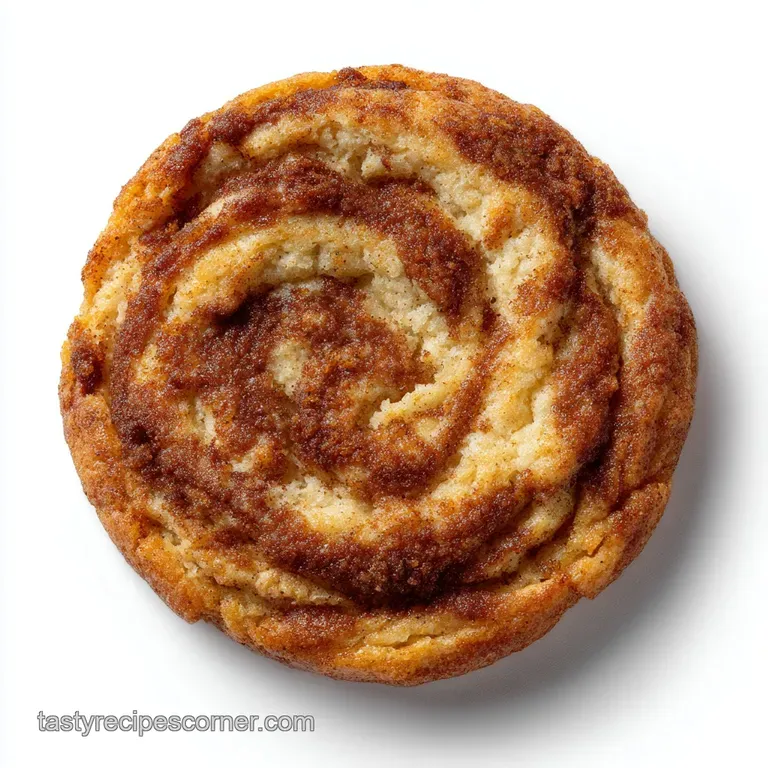
- The Ultimate Snickerdoodle Cookie: Classic Tang and Cinnamon Swirl
- Unlocking the Secret to the Perfect Snickerdoodle Cookie
- The Science of Snickerdoodle Perfection: Texture and Flavor Chemistry
- Essential Ingredients and Troubleshooting Common Swaps
- The Precision Method: Shaping, Rolling, and Baking Your Batch
- Troubleshooting Your Batch: Why Did My Snickerdoodles Flatten?
- Keeping Cookies Fresh: Storage, Freezing, and Pairing Ideas
- Recipe FAQs
- 📝 Recipe Card
The Ultimate Snickerdoodle Cookie: Classic Tang and Cinnamon Swirl
That smell, you know the one. It hits you right in the face: warm cinnamon spice mingling with rich, melting butter. The promise of that crinkly, sugar coated exterior giving way to a pillow soft centre is why we keep making Snickerdoodle Cookies again and again.
These aren’t just sugar cookies; these beauties have a complexity, a delightful little tang that screams cozy comfort.
We all love the fancy triple layer, two-day bakes, but sometimes life just calls for instant gratification. This recipe is your absolute lifeline. It's incredibly fast, requires zero fancy ingredients, and delivers that perfect, reliable result every single time.
Trust me, learning the few key tricks to perfect Snickerdoodle Cookies saves holiday parties, busy weekday evenings, and sudden sugar cravings.
Right then, let’s crack on. I’ve made all the common mistakes so you don’t have to, from flat, greasy discs to dry, crumbly hockey pucks. If you follow this precise method paying special attention to the creaming and the chilling you are guaranteed the absolute best, soft centered Snickerdoodle Cookies that hold their signature shape.
Unlocking the Secret to the Perfect Snickerdoodle Cookie
Forget everything you think you know about drop cookies, because Snickerdoodle Cookies require a specific method. They might seem deceptively simple, but the difference between "good" and "OMG" is found entirely in the technique.
We are aiming for that distinct combination of a soft, puffy centre and dramatically crinkled edges, all dusted in a potent cinnamon cloud.
The Science of Snickerdoodle Perfection: Texture and Flavor Chemistry
The beauty of this cookie is its unique texture, which is engineered by one very specific, often overlooked ingredient. If you skip this part, you're not making Snickerdoodles; you’re just making glorified sugar cookies. We need to talk about cream of tartar, my friend.
The American Classic: A Brief History of the Snickerdoodle
These cookies are undeniably American, though their exact origin is a delightfully confusing mystery, sometimes attributed to German or Dutch influence. They became wildly popular in the US during the late 19th century.
What we do know is that early cookbooks mention them by name, distinguishing them immediately from standard sugar cookies thanks to their tangy flavour profile. Making traditional Snickerdoodle Cookies from scratch is truly a nod to baking history, keeping a delicious classic alive and kicking.
Defining Characteristics: Tang, Crinkle, and Chew
What makes a Snickerdoodle, a Snickerdoodle? It’s a trifecta of perfection. First, the tang , which cuts through the sweetness and keeps the cookie light. Second, the dramatic crinkle on the surface, which is a visual marker of success.
Third, the heavenly chew —a soft, slightly gooey middle encased in the crisp, sugary crust. Achieving all three takes precision, especially when baking Snickerdoodle Cookies at home.
The Role of Cream of Tartar: The Signature Tangy Lift
This is non-negotiable, so please listen up. Cream of tartar is an acidic by-product of wine making. When combined with baking soda (an alkaline), it creates carbon dioxide rapidly. This provides lift, resulting in a light, soft texture, but more importantly, the acidity prevents the sugar from fully crystallising.
That lack of crystallisation is what keeps the finished cookie wonderfully soft and gives it the essential tangy note. Without it, you get a dense, sweet, boring cookie instead of spectacular Snickerdoodle Cookies .
Mastering the Creaming Process for Optimal Puff
If I could drill one thing into every baker’s head, it's that creaming is not just mixing. You must beat the butter and sugar for a full four to five minutes until the mixture looks noticeably paler, almost white, and is truly fluffy. This extended beating incorporates tiny air pockets that expand in the oven.
That air is responsible for the glorious rise and ultimately, the light, soft crumb we want in the best Snickerdoodle Recipe . Skimp on this step and your cookies will be dense.
Chef's Note: If your kitchen is cold, warm your eggs up faster by placing them in a bowl of warm (not hot!) water for five minutes before use. Cold eggs seize the creamed butter.
Essential Ingredients and Troubleshooting Common Swaps
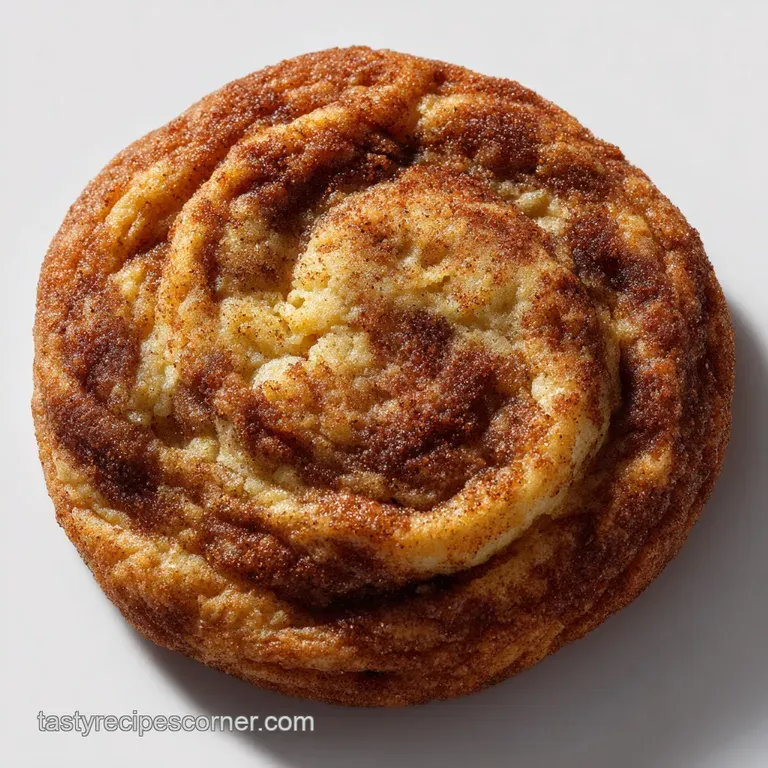
Baking is chemistry, and substitutions can mess with the balance, especially when making something as specific as Snickerdoodle Cookies . While I usually encourage experimentation, sticking to the script here is crucial for texture.
| Ingredient | Role | Viable Substitution | Warning/Notes |
|---|---|---|---|
| Cream of Tartar | Acid/Leavening | Baking Powder (omitting Baking Soda) | You lose the signature tangy flavour. |
| All-Purpose Flour | Structure | 1:1 gluten-free Blend | Ensure the blend includes Xanthan Gum. |
| Butter (Unsalted) | Fat/Flavour | Vegetable Shortening | Cookies will spread less but lack richness. |
| Granulated Sugar | Sweetness/Spread | Fine Caster Sugar | Same quantity works, results in a slightly finer crumb. |
Butter Temperature Matters: Softened vs. Melted
When I started out, I thought "softened" meant "slightly warm." Wrong. Softened butter should hold its shape but yield easily when pressed, around 68 70°F (20 21°C).
If it's melted, your fat is already loose, and your Snickerdoodle Cookies will spread dramatically into thin, greasy wafers. If it’s too cold, it won’t incorporate air, resulting in a dense, tough final product. Get your butter temperature right, and half the battle is won.
Why You Need Cream of Tartar (and What NOT to Substitute)
Seriously, do not use lemon juice. Lemon juice adds too much liquid and flavor, completely throwing off the dough balance. The specific acid profile of cream of tartar is what interacts perfectly with the baking soda and the fat to create the desired texture of these wonderful Snickerdoodle Cookies .
If you are forced to substitute, use baking powder as noted above, but accept that your cookie will be delicious but technically a sugar cinnamon cookie, not a true Snickerdoodle.
Adjusting Flour for High Altitude Baking
If you live at a higher altitude (above 3,500 feet), you may find your cookies spread too much because the leavening agents react too quickly. The pressure difference means things rise too fast and then collapse.
To fix this, increase your flour by 2 4 tablespoons and decrease both the baking soda and cream of tartar by about 1/4 teaspoon each. This tightens the dough structure and controls the spread, ensuring perfect soft center Snickerdoodle Cookies .
Understanding the Right Ratio of Cinnamon to Sugar
This is where the standard recipes usually fail. They often call for a measly teaspoon of cinnamon. Madness! The coating is supposed to be punchy, vibrant, and aromatic. My recipe calls for two tablespoons of cinnamon to a quarter cup of sugar, making it highly concentrated.
You want the coating to feel almost aggressively spiced. This potent coating caramelises beautifully and provides the perfect textural contrast to the soft interior. It’s what makes the final Cinnamon Cookies Recipe truly special.
The Precision Method: Shaping, Rolling, and Baking Your Batch
Once your dough is mixed not over mixed, please! the next steps are all about thermal management and geometry. We need uniform balls, properly coated, and sufficiently chilled.
Preparing the Signature Cinnamon Sugar Coating
While the dough chills, get the coating mixture ready. Use a shallow dish or plate, which makes rolling much easier than trying to use a bowl. Make sure your cinnamon is fresh! Old, stale cinnamon has almost no aroma and will leave your Easy Snickerdoodle Cookies tasting flat.
Whisk the sugar and cinnamon vigorously until the colour is uniform and deep.
Forming Dough Balls and the Critical Chilling Time
Use a cookie scoop! This is the absolute best way to ensure every cookie is the same size, guaranteeing uniform baking. I prefer the 1.5 inch scoop. Once scooped, briefly roll the balls smooth between your palms. Now, roll them generously in the coating mixture. Next: chilling.
The minimum 60 minute chilling time is mandatory. It allows the flour to fully hydrate and, most importantly, firms the butter back up. This prevents the dough from melting immediately in the hot oven, ensuring thick, puffy Snickerdoodles Recipe perfection.
Baking Placement: Achieving the Ideal Crinkled Edge
Never, ever crowd your baking sheet. I know you want to get them all done at once, but placing too many dough balls too close together hinders air circulation. This results in uneven temperatures and steam buildup, leading to softer, less crinkled edges. Give each cookie at least 2 inches of space.
Bake one sheet at a time, right in the center of the oven, for the most beautiful, evenly baked batch of Snickerdoodle Cookies From Scratch .
Troubleshooting Your Batch: Why Did My Snickerdoodles Flatten?
Flat cookies are the bane of the home baker's existence. I’ve been there, staring sadly at a baking sheet full of buttery pancakes. If your Snickerdoodle Cookies spread too much, it’s always one of three things:
- Warm Butter: Your butter was too soft or melted when you creamed it.
- Lack of Chill: You skipped the chilling step entirely, or didn't chill long enough.
- Overmixing: You developed the gluten too much after adding the flour, making the dough less cohesive and more prone to spread.
Preventing Spread: Quick Fixes for Runny Dough
If your dough feels sticky or tacky even after chilling for 60 minutes, quickly add 2 3 tablespoons more flour and mix on low speed until just combined. Re-chill for 30 minutes.
If you’re baking and the first batch spreads immediately, pull the rest of the dough out, mix in a tablespoon of flour, and chill for another hour. This usually saves the rest of your Easy Snickerdoodle Cookies !
Judging Doneness: The Key to a Soft Center
This is the hardest part. Unlike many recipes, we are not waiting for the cookies to turn golden brown. If they are golden brown, they are overcooked and will be dry. Pull the tray out when the edges are visibly set, but the center still looks slightly puffy and pale.
You might even see a slightly wet sheen still in the middle. Let them sit on the hot tray for 5 minutes; this residual heat finishes the baking process beautifully, guaranteeing that sought after Soft Center Snickerdoodle Cookies .
Keeping Cookies Fresh: Storage, Freezing, and Pairing Ideas
These cookies are often gifted, so knowing how to store them properly is vital. Nothing makes me sadder than a stale, tough cookie.
Best Practices for Freezing Snickerdoodle Dough and Baked Cookies
To Freeze Dough: Scoop and roll the dough balls in the cinnamon sugar coating exactly as instructed. Place them on a parchment lined tray and freeze until rock solid (about 2 hours). Transfer the frozen, coated balls to a freezer safe zip-top bag or airtight container.
They keep well for up to 3 months. To bake, simply place the frozen balls directly onto the baking sheet and add 2– 4 minutes to the baking time.
To Freeze Baked Cookies: Ensure the cookies are completely cool. Place them in a single layer in an airtight container, separated by parchment paper. They will keep for about 6 weeks. Thaw them at room temperature for maximum flavor.
They are the perfect Dessert For Gifts if you batch bake ahead of time!
Serving Suggestions: Perfect Beverages and Desserts to Pair With
Honestly, a classic Best Snickerdoodle Recipe is perfect on its own, maybe with a massive mug of hot chocolate or a rich, foamy latte. But if you’re making a serious dessert spread, I love pairing them with something intensely fudgy or chocolate forward for contrast. They sit perfectly alongside my classic Chocolate Chip Cookies: The Ultimate Chewy, Brown Butter Recipe or perhaps some ultra chewy Peanut Butter Cookies: Ultimate Chewy Classic Fork Pattern if you are creating a full cookie platter. They are always a phenomenal choice for Baking Ideas For Birthday parties because absolutely everyone loves them. Go forth, bake these classic Snickerdoodle Cookies , and share the sweet, tangy perfection!
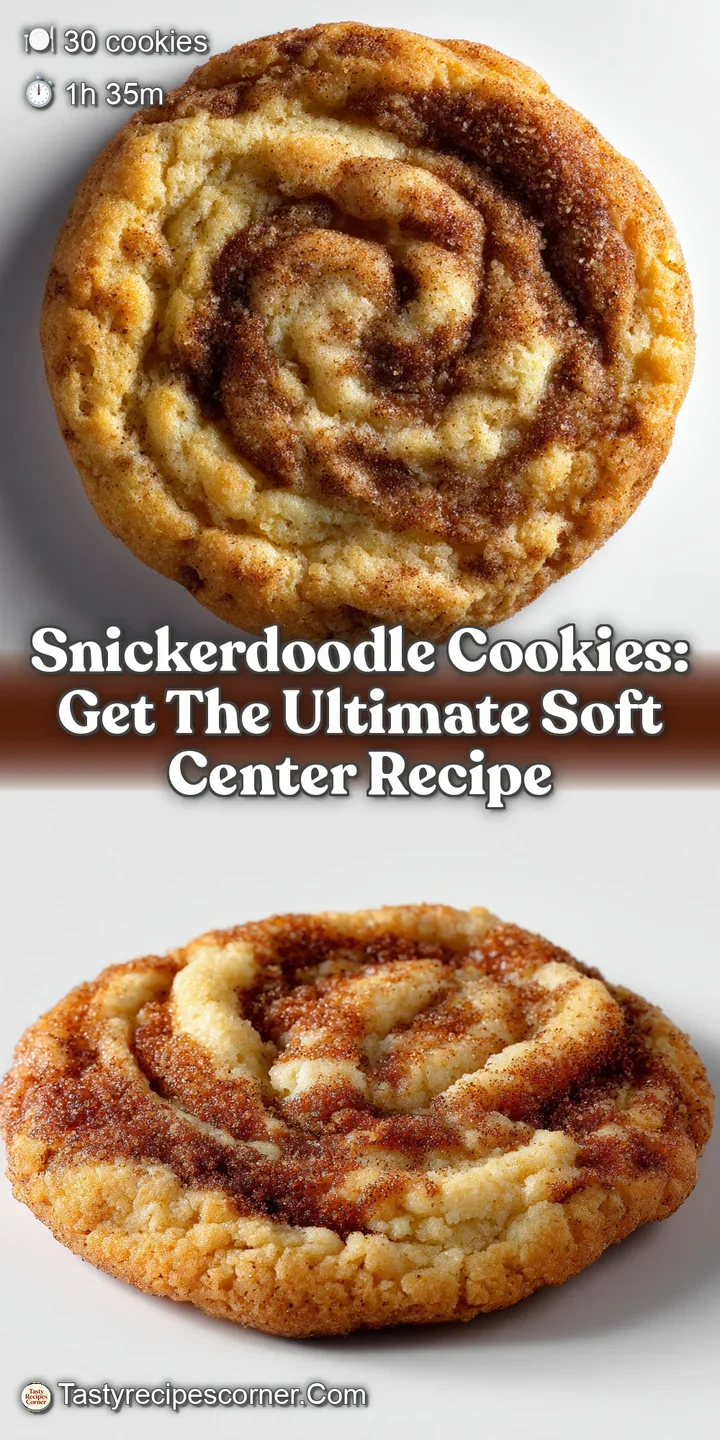
Recipe FAQs
Why is cream of tartar required in a classic Snickerdoodle recipe?
Cream of tartar is a specific acid that provides the essential tangy flavor profile distinguishing a Snickerdoodle from a standard sugar cookie. It also works in tandem with baking soda as a leavening agent, preventing the sugar from crystallizing too quickly.
This ensures the cookie achieves that wonderfully soft, chewy center and iconic crinkle.
My Snickerdoodles came out very flat and crispy. What went wrong?
Flat cookies usually result from butter that was too warm (melted) during the creaming process, or insufficient chilling time. Ensure your butter is cool room temperature before starting, allowing it to hold air during mixing.
Always chill the dough for at least 30 minutes, which solidifies the fat and prevents the cookies from spreading too rapidly in the oven.
Can I substitute baking powder for the cream of tartar and baking soda?
While baking powder provides effective leavening, it lacks the specific acidity required for a true Snickerdoodle's flavor and texture. Substituting it will result in a good cookie, but it will taste exactly like a standard sugar cookie without the necessary tangy lift.
For the authentic Snickerdoodle experience, stick to the specific combination of cream of tartar and baking soda.
How long can I store the raw Snickerdoodle dough, and can I freeze it?
Chilled dough can be stored tightly wrapped in the refrigerator for up to 3 days, but remember that the flavor will intensify over time. For longer storage, shape the dough balls, roll them in the cinnamon mixture, and flash freeze them on a tray until solid.
You can transfer the frozen balls to an airtight container and bake them directly from frozen, adding about 2-3 minutes to the total baking time.
My cookies were tough or dry after baking. What caused this issue?
This is typically a result of either over mixing the flour into the dough or simply over baking the cookies. Mix the flour only until barely combined, and pay close attention to the oven time.
Snickerdoodles should look slightly underdone and pale in the center when you pull them out, as they continue to set on the warm baking sheet.
Is it possible to make this recipe gluten-free or dairy-free?
Yes, this recipe adapts well to dietary changes. For gluten-free baking, use a high-quality 1:1 gluten-free flour blend containing xanthan gum for proper structure. To make them dairy-free, substitute the butter with a firm, plant based stick butter alternative designed for baking, ensuring it maintains a similar fat content.
The cinnamon sugar coating sometimes burns. How do I prevent this?
If the coating is burning, your oven temperature might be running hot, so verify it with an oven thermometer. Also, ensure you are using granulated sugar for the coating, as brown sugar can caramelize too quickly and burn.
When coating the dough balls, gently roll them to cover the surface rather than pressing the mixture heavily into the dough.
Ultimate Snickerdoodle Cookies Recipe
Ingredients:
Instructions:
Nutrition Facts:
| Calories | 181 kcal |
|---|---|
| Protein | 4.0 g |
| Fat | 6.0 g |
| Carbs | 28.0 g |
