The Proper Philly Cheesesteak: Ultra-Tender Steak and Creamy Whiz
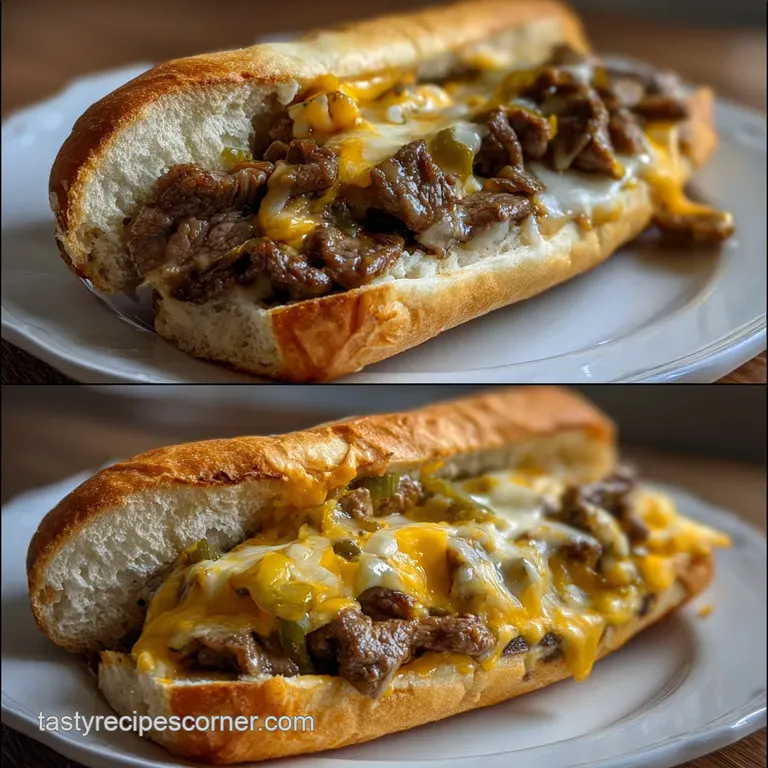
The Proper Philly: Unlocking the Secrets of an Iconic Sandwich
If you close your eyes the moment the heat hits the steak, you can almost smell the grit and history of South Philly, can’t you? The blend of intensely savoury seared ribeye and sweet, melting onions is intoxicating; it promises an immediate, glorious mess.
Then comes that unbelievably luscious, slightly salty cheese, binding the whole mixture together into pure, edible greatness.
This isn't some complicated weekend project, either. When done right, the traditional Philly Cheesesteak is fast, relatively cheap, and completely wipes away the need for any other side dish.
We're talking efficient comfort food that transforms a few basic ingredients into something truly legendary.
I’ve made every mistake in the book over the years, from slicing the meat too thick to using dry, crumbly cheese, but I finally nailed the technique that delivers that perfect, greasy spoon finish every time.
Let's quit messing around and learn how to make the best, most authentic Philly Cheesesteak you've ever had.
The Culinary Credibility: Why Authenticity Matters
The reason this recipe works better than standard Philly Cheesesteak recipes is simple: precision. We are achieving that signature texture which means shaving the meat paper thin and using unbelievably high heat.
Instead of slowly stewing the steak, which makes it tough, we are using a technique that grants immediate, sharp caramelization.
Setting the Scene: The Anatomy of a Perfect Bite
A perfect cheesesteak requires three things to align: the quality of the bread, the extreme thinness of the Philly Cheesesteak meat , and the gooey, unapologetic melt of the cheese. Honestly, if the cheese isn't practically dripping down your chin, you've failed the mandate.
We need structure, fat, and speed.
Why This Method Delivers Ultimate Flavour
We cook the onions first , giving them maximum time to soften and become sugary sweet, removing them before they soak up the precious, high heat needed to sear the steak.
This ensures your Philly Cheesesteak is layered with flavour, not just a scramble of beef and half cooked veg. This sequential method guarantees both deep caramelization and crunchy texture.
The Essential Lineup: Getting Your Components Right
Selecting the Prime Steak for Paper Thin Slicing
Ribeye is often cited as the gold standard for a Philly Cheesesteak , and for good reason: the inherent marbling provides massive flavour payoff and keeps the meat tender during the rapid cooking process.
| Ingredient | Use | Substitution/Tip |
|---|---|---|
| Ribeye Steak | Essential marbling and flavour | Substitute with Skirt Steak or Flank Steak . Tip: Ask your butcher to shave it if your knife skills aren't sharp! |
| Yellow Onions | Essential sweetness, known as 'whiz wit' | Substitute with Spanish onions, but avoid strong red onions. |
| Butter/Oil | Crucial for cooking onions and searing meat | Use a over high heat oil like canola or vegetable oil; skip delicate olive oil here. |
| Salt & Pepper | Fundamental Philly Cheesesteak seasoning | Use coarse Kosher salt for better texture. |
The Crucial Cheese Whiz Decision (And Approved Alternatives)
I know, I know. Cheese Whiz sounds pedestrian, but trust me, it delivers the necessary emulsified, gooey texture that slices of cheese often can’t match without a lot of extra faff. It's the classic choice for authentic flavour and the fast melt.
Chef’s Note: If serving fussy eaters, keep the Whiz hot in a small saucepan on the side and offer slices of Provolone instead.
If you absolutely must skip the Whiz, mild, white American Cheese or thin slices of Provolone are your next best bets. Avoid Mozzarella, though, as it strings rather than melding perfectly.
Sourcing the True Amoroso Roll Equivalent
The vehicle matters just as much as the filling. An Amoroso roll (if you can find one) is perfect it has a soft interior ready to soak up the steak juices but a sturdy, crisp exterior that holds its shape.
If you can’t get a true Amoroso, look for high-quality hoagie or sub rolls from your local baker. They need a slightly chewy crust, not a crumbly one, otherwise, the whole sandwich disintegrates into a sad puddle.
Sautéing the Golden Onions: Quantity and Technique
Two large yellow onions might seem like a lot, but they cook down dramatically. We want them deeply caramelized, turning that gorgeous golden brown colour. Melt the butter over medium heat, add the onions, and sprinkle with a small punch of salt.
Cook them patiently for a solid 10– 12 minutes until they are fully translucent and your kitchen smells deliciously sweet.
Mastering the Technique: step-by-step for the Ultimate Philly Sandwich
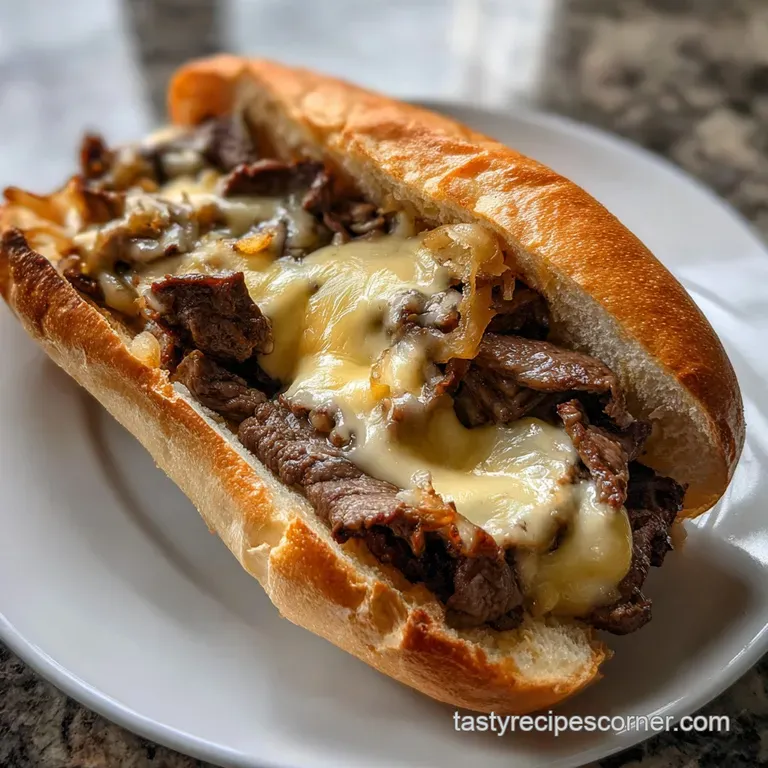
Preparation Workshop: Freezing and Slicing the Steak
This is non-negotiable for a genuine Philly Cheesesteak : you must chill the steak until it’s semi frozen. Wrap the ribeye tightly in cling film and toss it in the freezer for about 30– 40 minutes. It should feel very stiff but still slicable.
Using your sharpest knife, slice the steak thinly across the grain. We are aiming for paper thin shaves the thinner, the faster it cooks and the more tender it remains. Then season the shaved meat simply with salt and pepper.
The Griddle Method: Cooking the Steak and Onions Separately
Ensure your griddle or cast iron skillet is SCREAMING hot; medium high heat is essential. Add the high smoke point oil. Now, here is where most people fail: do not overcrowd the pan . If you need to cook the steak in two batches, do it.
Overcrowding drops the temperature and you end up steaming the meat instead of searing it, resulting in sad, gray steak. Cook the shaved steak incredibly fast 60 to 90 seconds per side is often enough to brown it beautifully.
The Crucial 'Chop and Mix' on the Flat Top
Once the steak is browned and no pink remains, push it together and dump the reserved, caramelized onions back in with the meat. Use your metal spatula or a bench scraper to roughly chop the meat and onions together, mixing them well until everything is evenly distributed and sizzling.
This chopping action ensures the meat breaks down slightly and integrates with the onions.
The Assembly Protocol: Melting the Whiz and Nestling the Mix
Divide the mixture into four equal lines (or "rafts") on the griddle. Now for the cheese. If using the Whiz, spoon it generously over the top of the meat piles. If using Provolone or American slices, lay two slices on each pile.
If you want a perfect melt for sliced cheese, splash about a teaspoon of water next to the meat (not on top!) and quickly cover the piles with an inverted bowl or lid for 20 seconds. This traps the steam and melts the cheese beautifully over the Philly Cheesesteak filling.
Open your sub rolls and place them cut-side down right onto the cheesy meat piles to warm up and absorb those glorious cooking juices. Scoop the entire raft using the spatula and serve immediately.
Chef’s Wisdom: Troubleshooting and Elevation Tips
Common Mistakes to Avoid: From Dry Steak to Soggy Rolls
- Mistake #1
- Not freezing the meat enough.
- Mistake #2
- Using low heat.
- Mistake #3
- Over stuffing the rolls.
Achieving the Ideal Wet-to-Dry Ratio
You need the filling to be deliciously moist and glistening from the fat, but it should never be swimming in liquid. If you find your griddle is getting soupy, ensure you aren't overcrowding the pan. The only way to fix a too-wet mix is to raise the heat even further and allow the excess liquid to evaporate rapidly.
If you are experimenting with an alternative Philly Cheesesteak casserole or Philly Cheesesteak sliders , be extra mindful of moisture retention.
Temperature Control: Ensuring the Steak Stays Hot
The single most important rule of the cheesesteak is that it must be eaten scorching hot. Prep everything ahead of time. Slice your onions, have your Whiz measured, and your rolls sliced. Once the steak hits the pan, it’s a race. The only time the heat should drop is when you remove it to serve.
Serving Suggestions: What to Pair with Your Perfect Philly
A sandwich this rich demands something crisp and acidic on the side something to cut through that intense flavour. Forget heavy fries. I love serving my Philly Cheesesteak with a simple side of vinegar based coleslaw or, even better, a giant bowl of slightly spicy dill pickles.
A handful of super crisp Salt & Vinegar crisps (chips) is perfect, too.
Storage & Freezing
This is a dish primarily designed to be eaten immediately, hot off the griddle! But, if you must save it, store the meat and onion mixture separately in an airtight container in the fridge for up to three days.
Warning: Do not freeze the assembled sandwich; the roll will turn to mush. You can, however, freeze the fully cooked steak and onion mixture for up to two months. Thaw it overnight in the fridge and reheat it quickly on a very hot skillet to revive those seared edges. For reheating, the key is high heat, fast: blast it on the stovetop to bring it back to a sizzle, avoiding the microwave, which will ruin the texture of the Philly Cheesesteak filling.
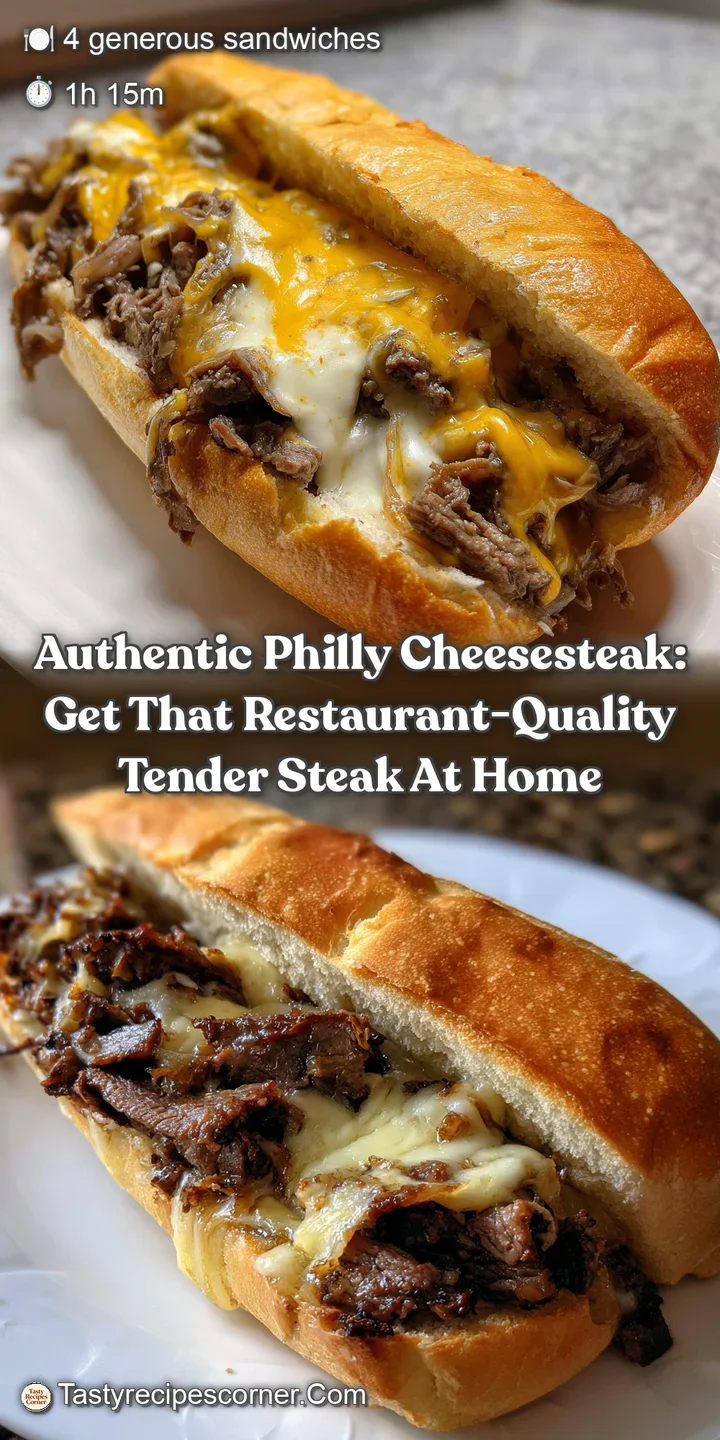
Recipe FAQs
What is the best cut of beef for an authentic Philly Cheesesteak?
Ribeye is widely considered the best cut due to its high marbling, which keeps the meat tender and flavorful when thinly sliced and quickly cooked. It should ideally be frozen slightly before slicing to achieve the paper thin consistency required for authenticity.
If ribeye is unavailable, top round or skirt steak can be used as a serviceable alternative.
Why is my cheesesteak meat dry and tough?
This usually happens if the steak slices are too thick or if the meat is drastically overcooked. Ensure you are using paper thin slices (preferably cut while the beef is semi frozen) and cook them quickly on a hot surface, just until they lose their pink color.
Overcrowding the pan can also lower the surface temperature, causing the meat to steam instead of sear, leading to a tougher texture.
Can I use a different cheese besides Cheese Whiz?
While Cheese Whiz is traditional and provides that signature creamy texture, excellent alternatives exist. Provolone (sharp or mild) and American cheese slices are very popular alternatives that melt nicely and are often found in authentic Philly shops.
The goal is a highly meltable cheese that binds the meat and mixture together seamlessly.
What kind of roll is essential for a proper Cheesesteak?
The roll, or "hoagie roll," is crucial; it must be soft enough on the inside to soak up the juices but firm and sturdy enough to hold the copious fillings without falling apart. Amoroso rolls are the gold standard in Philadelphia, but look for a fresh, medium crusted Italian or bakery roll that is not too dense.
Lightly toasting the cut sides of the roll in the rendered fat is highly recommended.
Can I prepare the meat and vegetables ahead of time?
You can certainly thinly slice the beef and chop the onions and peppers (if using) up to 24 hours in advance and store them separately in the refrigerator. However, the actual meat and vegetable sautéing should be done immediately before serving.
A cheesesteak is at its absolute best when the fillings are piping hot and the cheese is freshly melted into the mixture.
How do I reheat a leftover cheesesteak?
Reheating a built sandwich can make the roll soggy. It's best to reheat the filling (meat and cheese mixture) separately in a frying pan over medium heat until hot and gooey. Place the hot mixture back into a fresh or lightly toasted roll.
Alternatively, you can revive the whole sandwich wrapped in foil in an oven set to 350°F (175°C) for about 10-15 minutes.
The Proper Philly Cheesesteak Recipe
Ingredients:
Instructions:
Nutrition Facts:
| Calories | 590 kcal |
|---|---|
| Protein | 45.0 g |
| Fat | 39.9 g |
| Carbs | 12.6 g |
