The Best Homemade Beef Sausage Recipe
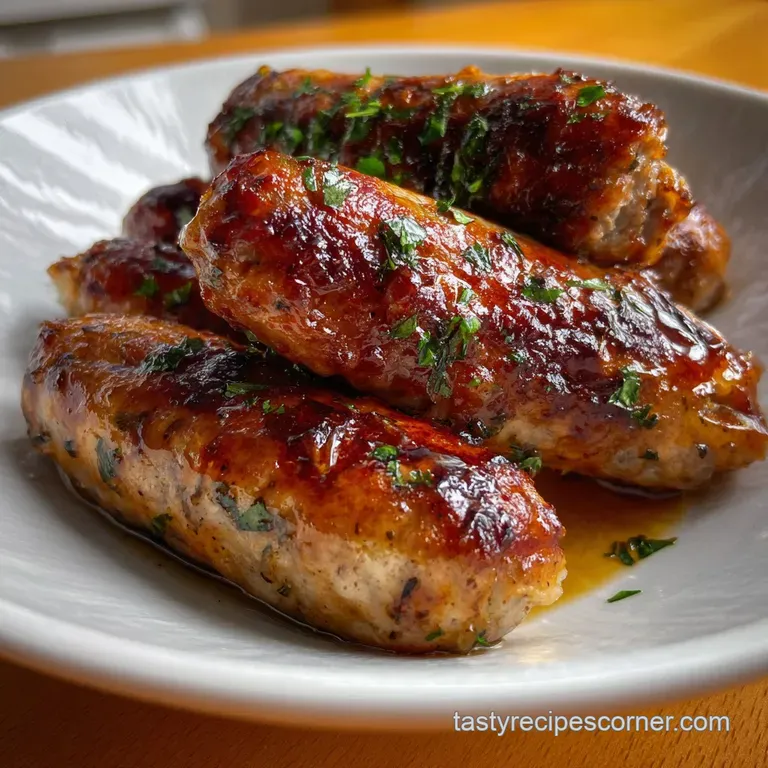
- Effort/Time: 45 minutes total (30 mins prep / 15 mins cook).
- Flavor Hook: Smoky paprika and savory garlic collide with a juicy, melt-in-the-mouth texture.
- Perfect for: Quick weeknight dinners, high-protein meal prep, and hearty breakfasts.
- The Ultimate Homemade Beef Sausage Recipe
- Why This Flavor-Focused Science Works
- Premium Ingredients and Easy Substitutions
- Step-by-Step Guide to Crafting Beef Sausage
- Expert Tips and Pitfalls to Avoid
- Storage and Freezing Instructions
- Serving Suggestions and Recipe Pairings
- Recipe FAQs
- 📝 Recipe Card
The Ultimate Homemade Beef Sausage Recipe
Stop settling for store-bought "mystery meat" that shrivels into dry, salty pebbles the second it hits the pan. We’ve all been there buying a package with high hopes only to end up with a greasy, bland mess that lacks any real texture.
Most commercial options are loaded with fillers and preservatives that mask the true flavor of the beef.
I remember my first attempt at a beef sausage recipe years ago; I used extra lean meat and forgot the liquid, resulting in something closer to a hockey puck than a breakfast staple. It was a crumbly, flavorless disaster that taught me a vital lesson about meat science.
You need fat, you need salt, and you absolutely need temperature control to get that professional "snap."
Today, we’re fixing those mistakes with a scientifically backed beef sausage recipe that delivers a velvety interior and a crisp, caramelized exterior. By understanding how proteins bind with ice-cold liquids, you’ll create a sausage that stays plump and juicy even under high heat.
Let’s get your Lodge Cast Iron Skillet screaming hot and dive into the mechanics of the perfect grind.
Why This Flavor Focused Science Works
This beef sausage recipe relies on the biochemical transformation of muscle fibers into a stable emulsion that traps fat and moisture within a protein matrix.
- Protein Denaturation: Salt dissolves the protein myosin in the beef, creating a "glue" that binds the meat together for a cohesive, non-crumbly texture.
- Cold Emulsification: Using ice-cold Swanson Beef Broth prevents the fat from melting prematurely during the mixing phase, ensuring a juicy mouthfeel after cooking.
- Maillard Reaction: The specific balance of smoked paprika and beef fat accelerates browning at 285°F (140°C), creating deep, savory aromatic compounds.
- Osmotic Pressure: Salt draws moisture into the cell structures before cooking, seasoned by the garlic and onion powder for flavor penetration.
The Benefits of Making Sausage at Home
Making your own beef sausage recipe allows for total transparency over the quality of the primary protein. You bypass the nitrates, excessive sodium, and "natural flavorings" found in factory processed meats.
By controlling the grind and the fat-to-lean ratio, you ensure every bite is nutrient dense and tailored to your specific palate.
When you master a beef sausage recipe at home, you also unlock the ability to customize the grind size. A coarser grind provides a rustic, "steak like" bite, while a finer mix creates a traditional breakfast patty texture.
It’s the ultimate kitchen flex that saves money and improves the nutritional profile of your family’s meals.
Mastering the Critical Beef-to-Fat Ratio
The golden rule for any successful beef sausage recipe is the 80/20 ratio. You need 20% fat to act as a thermal insulator for the lean muscle fibers. Without this fat, the protein strands will over tighten and squeeze out all moisture, leaving the meat dry and tough.
If you are using ground beef from a local butcher, ensure it is specifically an 80/20 blend. Fat carries the fat-soluble compounds of the smoked paprika and red pepper flakes throughout the meat.
In this beef sausage recipe, that 20% fat isn't just for flavor it’s the lubricant that creates the "velvety" texture we’re after.
Understanding Temperature Control for Texture
Temperature is the silent partner in your beef sausage recipe. If the meat gets too warm while you're mixing it, the fat will "smear," breaking the emulsion and resulting in a greasy, grainy sausage.
Professional charcuterie experts keep everything including the mixing bowl near freezing.
The ice-cold beef broth in this beef sausage recipe isn't just for moisture; it’s a temperature regulator. It keeps the beef fats solid until they hit the hot pan.
This sudden transition from cold to hot creates the "sizzle" and "shatter" of the exterior crust while the inside remains tender and moist.
Premium Ingredients and Easy Substitutions
Using high-quality ingredients is the difference between a good meal and a masterclass level beef sausage recipe.
| Original Ingredient | Substitute | Why It Works |
|---|---|---|
| 2 lbs Ground Beef (80/20) | Ground Lamb | Similar fat content. Note: Adds a gamey, Mediterranean profile. |
| Swanson Beef Broth | Ice Water | Provides the necessary cold liquid for emulsification without extra sodium. |
| Diamond Crystal Kosher Salt | Sea Salt | Use 15% less volume as sea salt is denser than Kosher. |
| Smoked Paprika | Chipotle Powder | Adds a similar smokiness but increases the heat significantly. |
The Science Behind Ground Beef (80/20)
- What It Does
- Provides the structural foundation and essential fat for moisture.
- The Chemistry
- Fat acts as a lubricant between denatured protein strands, preventing a tight, dry matrix.
- Why This Matters
- Ensures a succulent mouthfeel and prevents the sausage from shrinking excessively.
The Science Behind Diamond Crystal Kosher Salt
- What It Does
- Acts as a curing agent and flavor enhancer.
- The Chemistry
- Salt initiates protein denaturation, specifically dissolving myosin to allow for meat binding.
- Why This Matters
- Creates the "springy" texture characteristic of high-quality sausage rather than a loose burger crumble.
The Science Behind Ice-Cold Beef Broth
- What It Does
- Facilitates the emulsion process.
- The Chemistry
- The cold temperature maintains the integrity of the fat globules until they reach the cooking surface.
- Why This Matters
- Prevents "fat-out," where the grease separates from the meat during cooking.
The Signature Savory Spice Blend
The aromatics in this beef sausage recipe are selected for their chemical synergy. Garlic and onion powders are used instead of fresh to ensure even distribution without creating "pockets" of moisture that could compromise the bind.
The dried oregano provides a floral counterpoint to the heavy, earthy notes of the beef.
If you're looking for that specific morning kick, you can see How To Make Ground Beef Taste Like Breakfast Sausage to see how sage and maple can transform this base. The red pepper flakes in our primary beef sausage recipe offer a slow burn heat that cuts through the richness of the 80/20 beef.
step-by-step Guide to Crafting Beef Sausage
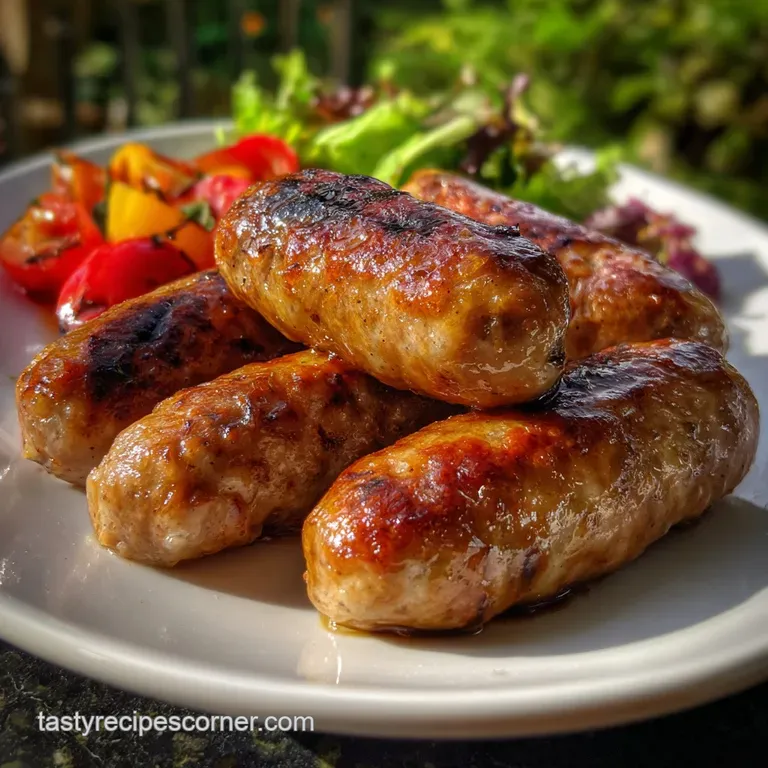
Follow these steps precisely to ensure your beef sausage recipe achieves the perfect technical bind.
- Chill the 2 lbs ground beef (80/20 lean-to-fat ratio) in the freezer for 15 minutes. Note: Reducing the temperature prevents the fat from smearing during the mixing process.
- Combine 1.5 tbsp Diamond Crystal Kosher Salt, 1 tsp pepper, 1 tbsp garlic powder, 1 tbsp onion powder, 2 tsp smoked paprika, 1 tsp dried oregano, and 1/2 tsp red pepper flakes in a small bowl. Note: Pre-mixing spices ensures even distribution across the protein fibers.
- Add the chilled beef and the spice blend to a chilled KitchenAid Stand Mixer bowl. Note: Using a stand mixer with the paddle attachment speeds up the protein extraction process.
- Pour 1/4 cup ice-cold Swanson Beef Broth over the meat. Note: The cold liquid is essential for creating a stable emulsion between the fat and protein.
- Mix on low speed for 60 90 seconds until the meat becomes "tacky" and develops white strands. Note: This visual cue indicates that myosin has been extracted and the bind is successful.
- Shape the mixture into 8 equal patties or links. Note: Consistent sizing ensures all portions of the beef sausage recipe cook at the same rate.
- Heat a Lodge Cast Iron Skillet over medium high heat with a teaspoon of high smoke point oil. Note: Cast iron provides the thermal mass needed for a superior Maillard reaction crust.
- Sear the sausage for 4 5 minutes per side until the internal temperature reaches 160°F. Note: Carrying the meat to 160°F ensures food safety while maintaining juiciness.
Chef's Note: If the meat starts sticking to your hands while shaping, dip your fingers in ice water. This keeps the fat on the meat and off your skin.
Mixing and Emulsifying for Maximum Juiciness
When you mix this beef sausage recipe, you aren't just stirring; you are emulsifying. You’ll notice the meat change color slightly and become sticky. This is a good thing. It means the salt has done its job of breaking down the proteins to trap the fat.
If you're making this for a morning meal, this base is more versatile than a standard Beef Breakfast Sausage: The Best Homemade Recipe. The key is that "tacky" feel if the meat feels loose like a hamburger, mix it for another 30 seconds.
Best Cooking Methods: Searing, Grilling, and Baking
While the Lodge Cast Iron Skillet is my preferred tool for a beef sausage recipe, you can also grill these for a smoky finish. If you choose to bake them, place the patties on a wire rack over a sheet pan.
This allows hot air to circulate around the entire sausage, ensuring the bottom doesn't get soggy.
For a deeper dive into skillet techniques, check out How To Cook Turkey Sausage On The Skillet: Juicy Crispy; the heat management principles apply perfectly to this beef sausage recipe as well.
Expert Tips and Pitfalls to Avoid
| Problem | Why It Happens | The Fix | Pro Protocol |
|---|---|---|---|
| Dry/Crumbly | Meat was too lean or overmixed. | Use 80/20 beef and mix only until tacky. | Use a digital thermometer to pull at 160°F exactly. |
| Greasy Pan | Fat "smeared" because meat was too warm. | Chill meat and equipment before mixing. | Keep broth in the freezer until the very moment of mixing. |
| Bland Center | Spices weren't evenly distributed. | Mix dry spices separately before adding to meat. | Let the raw mix sit for 2 hours in the fridge to marinate. |
Common Myths
Myth: You must use a casing for it to be a real sausage. Truth: This beef sausage recipe works perfectly as "bulk" sausage or patties. The casing is merely a vessel, not the source of the sausage's chemical bind or flavor.
Myth: Adding liquid makes the sausage soggy. Truth: The 1/4 cup of ice-cold beef broth is actually absorbed by the protein matrix. It stays inside the meat during cooking, creating a steam effect that keeps the interior velvety.
Storage and Freezing Instructions
Yes, this beef sausage recipe freezes beautifully for up to 3 months when wrapped tightly in plastic wrap and stored in an airtight Ziploc bag. For the best results, freeze the patties individually on a parchment lined tray before bagging them; this prevents them from sticking together.
To reheat, thaw the sausages in the refrigerator overnight. Avoid the microwave, as it can cause the fat to "blast" out of the protein matrix, leaving you with a rubbery texture. Instead, warm them in a skillet over medium heat with a splash of water and a lid to retain moisture.
Serving Suggestions and Recipe Pairings
This beef sausage recipe is incredibly versatile. For a hearty dinner, serve the links alongside roasted gold potatoes and sautéed peppers. The fat from the sausage will season the potatoes as they sit on the plate.
Hearty Beef Sausage Recipes for Dinner
One of my favorite ways to use this beef sausage recipe is in a rustic pasta dish. Brown the sausage meat, then toss it with orecchiette, broccoli rabe, and a heavy grating of Parmesan cheese. The smoked paprika in the sausage creates a built-in sauce when it hits the pasta water.
Breakfast and Brunch Serving Ideas
For a weekend brunch, crumble the cooked beef sausage into an Overnight Sourdough Breakfast Casserole. The savory notes of the garlic and onion powder pair perfectly with the tang of the sourdough. It's a "make-ahead" dream that ensures you aren't stuck at the stove while your guests are enjoying their coffee.
Whether you're making this beef sausage recipe for a quick Tuesday night meal or a slow Sunday breakfast, the science remains the same. Keep it cold, use the right fat ratio, and don't skip the salt. Your taste buds and your kitchen obsessed friends will thank you.
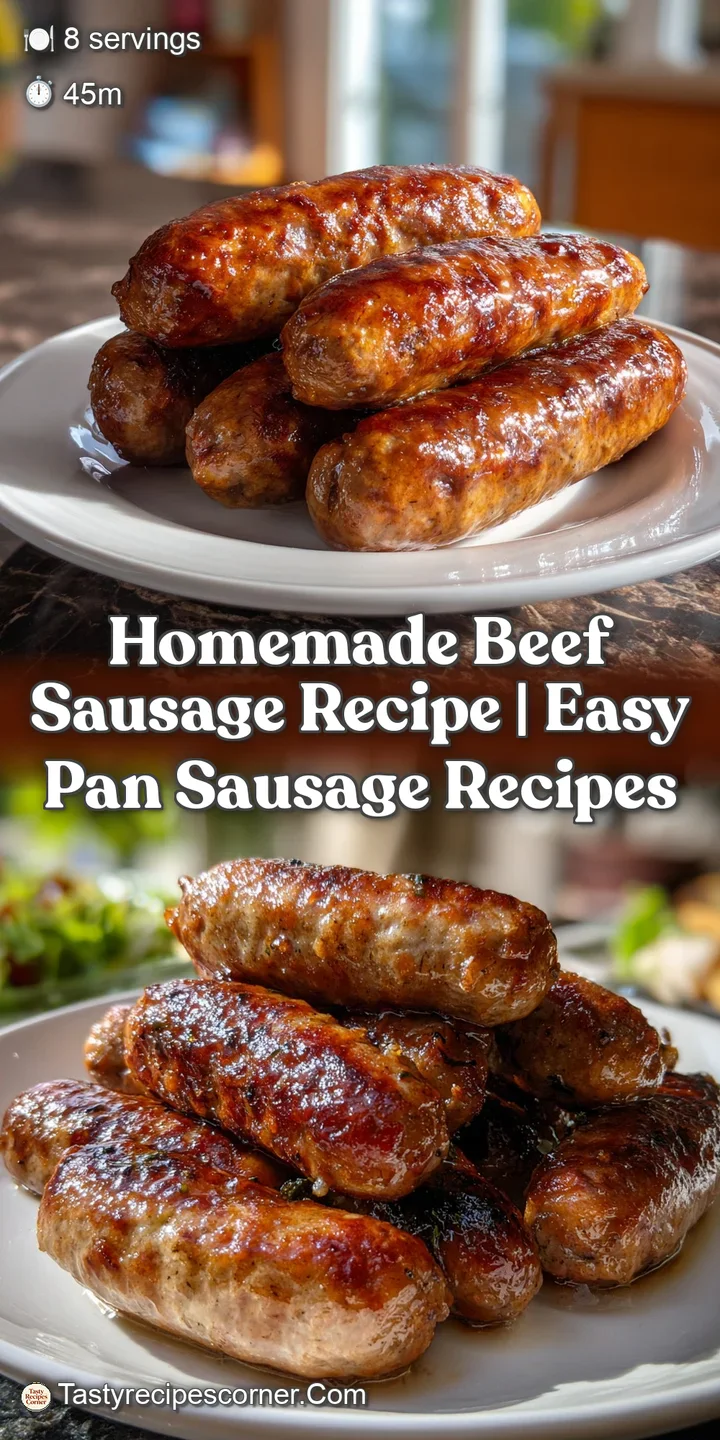
Recipe FAQs
What is the minimum fat percentage needed for good beef sausage texture?
At least 20%. Higher fat renders during cooking, creating steam pockets essential for the characteristic snappy casing and juicy mouthfeel.
Can I use pre-ground beef from the supermarket?
Yes, but fresh grinding is better. Pre-ground meat may already be overworked or too lean, compromising the cold emulsion structure required for a snappy link.
Why does my sausage texture feel grainy instead of smooth?
Warm temperatures caused the emulsion to break. Heat melts the fat before proteins bind the mixture, resulting in fat pockets separating from the meat matrix.
- Keep all meat and equipment frozen or very cold
- Process meat in short bursts
- Add ice water gradually during mixing
Should I use natural casings or skip them for patties?
Natural casings provide the necessary snap. Patties skip the casing requirement, relying solely on binding agents for cohesion, resulting in a softer, less structurally defined product.
Is it necessary to pre-soak the spices?
Myth: Soaking spices guarantees deeper flavor penetration. Reality: Dry spices bloom better when hydrated by the rendered fat and moisture during the cooking process itself.
Should I smoke the sausages or fry them immediately?
Fry immediately for speed. Smoking adds depth but requires specialized equipment and time, whereas immediate frying works well for quick weeknight meals, similar to how we brown meat for the Crunchwrap Supreme: The Ultimate Homemade Recipe (Better than Taco Bell).
Can I make a leaner version using 90/10 beef?
Myth: Lean beef results in a low-fat, healthy sausage. Reality: Reducing fat below 20% severely compromises moisture and texture, yielding dry, crumbly results instead of the intended succulent link.
Succulent Beef Sausage Recipe
Ingredients:
Instructions:
Nutrition Facts:
| Calories | 232 calories |
|---|---|
| Protein | 19.5 g |
| Fat | 17 g |
| Carbs | 1.2 g |
| Fiber | 0.3 g |
| Sugar | 0.1 g |
| Sodium | 875 mg |
