Leftover Steak Recipes: Steak Stilton Pasties
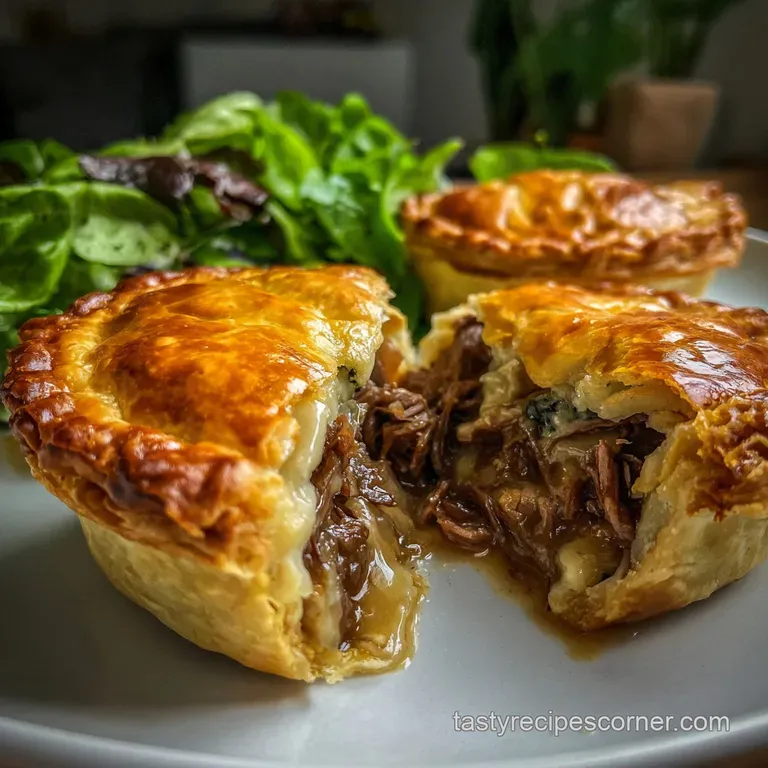
- The Culinary Salvation of Leftover Steak: Steak & Stilton Pasties
- Shortcrust & Sharpness: Essential Components for Your Pasty Filling
- The Assembly Line: Folding and Crimping Your Steak Pasties
- Achieving Tender Texture: The Science of Using Already Cooked Steak
- Troubleshooting the Bake: Mastering the Perfect Pasty Crust
- Future-Proofing Your Comfort Food: Storage Guidelines
- Beyond the Plate: Perfect Pairings for Steak & Stilton
- Recipe FAQs
- 📝 Recipe Card
The Culinary Salvation of Leftover Steak: Steak & Stilton Pasties
The Culinary Sin of Microwaving Steak
Let’s be honest, staring down that gorgeous piece of leftover steak from last night's grill session fills me with dread. It’s a beautiful piece of protein, maybe a perfect medium rare, and the idea of nuking it in the microwave is a crime against flavor, texture, and everything holy.
That leads to tough, grey meat that loses its soul, and we just can't have that. Don’t do it.
The problem with already cooked steak is simple: reheating it usually means cooking it more , guaranteeing toughness. We need a vehicle that respects the steak's flavor but protects it from aggressive heat, embedding it in moisture and flavor, which is exactly where pasties come in.
This technique is brilliant because the steak finishes cooking in a steamy, protected environment.
We’re ditching boring leftover Healthy Chicken Recipes: Easy Mediterranean Traybake Dinner ideas for something genuinely special. This isn't just a recipe; it's an engineering solution for steak salvation, transforming yesterday’s luxury into today’s deeply satisfying meal.
An Elevated Use for Yesterday's Dinner
Why spend forty quid on a new steak when you have a perfectly good one waiting in the fridge? This recipe is the ultimate lifesaver for busy weeknights, offering maximum comfort for minimal active effort.
It’s fast, incredibly cheap compared to buying new ingredients, and honestly, the resulting handheld pie is pure gold.
I promise you, nothing beats the sensory experience of biting through that flaky, buttery crust to hit the deep, savoury mix of beef and pungent blue cheese. It feels rustic, sophisticated, and perfect for dipping into some sticky onion chutney. We are maximizing flavor and eliminating waste.
This isn’t your grandma’s plain pot pie; this is the Great British Steak & Stilton Pasty. We're getting proper flavor by layering texture and sharp saltiness trust me, you won’t even remember this was made from Leftover Steak Recipes .
What Makes This a Proper British Pasty?
A proper British pasty relies on a sturdy, shortcrust shell and a filling that cooks inside the wrapper. The genius is that everything starts raw (except the steak, obviously), meaning the small diced vegetables release steam and moisture, bathing the thinly sliced steak in a flavorful, steamy pocket.
We achieve that deeply rich, savoury flavor through the Stilton and a splash of Worcestershire sauce, which are total game changers. It melts down, creating a binder that wraps around the thin sliced leftover steak , ensuring tenderness and moisture retention.
This is why this recipe works.
Chef's Note: The essential logic here is encapsulation. By wrapping the steak and vegetables in pastry, the moisture that usually escapes when reheating beef is trapped, keeping the steak tender and the whole thing juicy.
Shortcrust & Sharpness: Essential Components for Your Pasty Filling
Selecting Your Leftover Steak Cut (Ribeye vs. Sirloin)
Any cut works beautifully here, but some are easier to manage than others. A tender cut like ribeye or filet mignon slices thin like a dream when cold and stays incredibly moist. If you're using a tougher cut, like flank or skirt, make sure you slice it against the grain and go even thinner.
The crucial tip is to ensure your leftover cooked steak is completely chilled before slicing. This allows you to achieve those delicate, wafer thin slices (we're aiming for about 1/4 inch thick). Cold steak is mandatory for uniform slicing!
Choosing the Right Stilton: Blue Cheese Variations
Stilton is king here because its powerful, salty, and slightly sweet flavor stands up beautifully to the richness of the beef and the butter in the crust. You want quality blue cheese don't skimp.
| Ingredient | Role | Substitute |
|---|---|---|
| Leftover Steak | Protein, Texture | Sub: Ground Sausage for a Ground Sausage Recipes for Dinner: Hearty Cheddar Onion Pasties vibe, or Skip (make it vegetarian) |
| Stilton Cheese | Sharpness, Binder | Sub: Mature, salty Cheddar or Danish Blue. |
| Shortcrust Pastry | Encapsulation | Sub: store-bought puff pastry or pie crust for a quicker fix. |
| Waxy Potato | Bulk, Moisture | Sub: Finely diced rutabaga (swede) or par-cooked carrot. |
Pasty Prep Shortcut: store-bought vs. Homemade Shortcrust
Look, I love making pastry from scratch (it’s so satisfying, like making these discard recipes: Easy, Flaky Cheddar Chive Scones ). But sometimes life happens. If you’re short on time, a store-bought shortcrust or puff pastry is a completely acceptable shortcut.
The best pastry, however, is a classic shortcrust made with a mix of cold butter and shortening (or lard, if you’re brave). This combination gives you the perfect balance of flakiness and structural integrity, preventing that dreaded soggy bottom . Remember to keep everything icy cold!
The Assembly Line: Folding and Crimping Your Steak Pasties
Preparing the Leftover Steak Filling and Binder Mix
The trick to a juicy filling is ensuring the vegetables are diced extremely small, almost like tiny pebbles. Combine the small diced potatoes, onions, thyme, the two tablespoons of cold beef stock, and the Worcestershire sauce. Season this mixture generously.
Next, fold the wafer thin slices of your leftover cooked steak into the seasoned vegetable mix. The cold beef stock acts as the initial moisture base, which will thicken into a gorgeous gravy as the pasty bakes.
Forming the Dough Rounds and Sealing the Edges
Once your dough is chilled, divide it into four equal pieces and roll them out into rough 9 inch circles. I use a dinner plate as a guide for cutting perfect circles. Place the filling mixture on one half of the circle, leaving a full inch of clear border all around.
Sprinkle the crumbled Stilton directly over the filling don't mix it in! This way, you get distinct pockets of sharp, gooey cheese rather than a uniform blend.
The Essential Egg Wash and Venting Process
Brush the clean edge of the pastry with the egg wash. Fold the empty half over the filling and press the edges firmly together to seal out any air. This is the moment of truth.
Now, crimp! Starting from one end, pinch the edges together and fold them slightly inward, repeating all along the seam to create that classic, tight, rope like pattern. This crimp is crucial for sealing the pasty and holding the precious juices inside.
Finally, brush the whole pasty with egg wash for shine and make two or three small slits in the top for steam release.
Baking to Golden Perfection
We start hot to set the crust quickly, then drop the temperature to cook the vegetables through. Bake at 400°F (200°C) for the first 15 minutes, until the pastry begins to turn golden brown.
Then, drop the heat to 350°F (180°C) and bake for another 15 to 20 minutes. You want a deep, rich golden brown color, and the potatoes inside must be tender. A quick test with a skewer through one of the vents will confirm that the potatoes are cooked.
Achieving Tender Texture: The Science of Using Already Cooked Steak

Using already cooked Leftover Steak Recipes requires finesse to avoid turning the protein into jerky. We use the thin slice principle combined with steam protection .
By slicing the steak thinly, you minimize the cooking time needed inside the oven. The cold beef stock and raw, damp potatoes inside the pasty release steam, creating a mini steamer effect. The steak simply warms through and absorbs flavor without losing any more internal moisture, remaining tender and delicious.
Troubleshooting the Bake: Mastering the Perfect Pasty Crust
Avoiding a Soggy Bottom: Crust vs. Filling Moisture Control
This is where people fail most often. A soggy bottom happens when the filling is too wet or the bottom crust heats up too slowly. Always use a cold baking tray lined with parchment paper.
Ensure your dough is cold, and critically, do not use more than the two tablespoons of liquid specified in the filling. The moisture comes from the raw vegetables as they cook.
Preventing Cheese Leakage During Baking
Stilton is oily and loves to escape. To prevent massive cheese melt out, make sure your crimp is absolutely airtight, like a bank vault. Place the crumbled cheese in the center of the filling, not near the edges. If you see a small leak, don't worry, it usually hardens and seals itself.
Future Proofing Your Comfort Food: Storage Guidelines
How to Reheat Pasties Without Drying the Steak
Never, ever microwave a finished pasty. The crust turns chewy and the steak will dry out. If refrigerated (they keep well for 3 4 days), reheat them in a preheated oven or an air fryer at 325°F (160°C) for about 15 minutes, until the crust is crisp and the center is piping hot.
Freezing Unbaked Pasties (The Optimal Method)
Want to meal prep? Freezing pasties unbaked is the superior method. Assemble and crimp them completely, brush with the egg wash, and then place them on a tray in the freezer until solid.
Once frozen, wrap them tightly in cling film and foil. They store perfectly for up to three months. To bake, simply unwrap and place the frozen pasties on a prepared baking sheet. Add 10- 15 minutes to the total baking time listed in the instructions.
You’ll be so glad you did this when you need an Easy Leftover Steak Recipe fast!
Beyond the Plate: Perfect Pairings for Steak & Stilton
Balancing Richness: Steak, Salt, and Stilton Synergy
These pasties are robust; they need something sharp to cut through the richness of the shortcrust and the strong cheese. I love serving them with a huge dollop of high-quality onion chutney or a sharp Branston Pickle.
The sweetness of the chutney perfectly balances the salty Stilton and rich leftover steak .
For sides, keep it simple. A crisp, acidic green salad tossed with a sharp vinaigrette is all you need. If you're looking for another comforting side, you could whip up a batch of Cherry Tomato Recipes: Easy Burst Tomato Pasta with Feta Lemon if you don't mind the carbs. A proper pint of English ale is the perfect traditional pairing for this pub-style favorite.
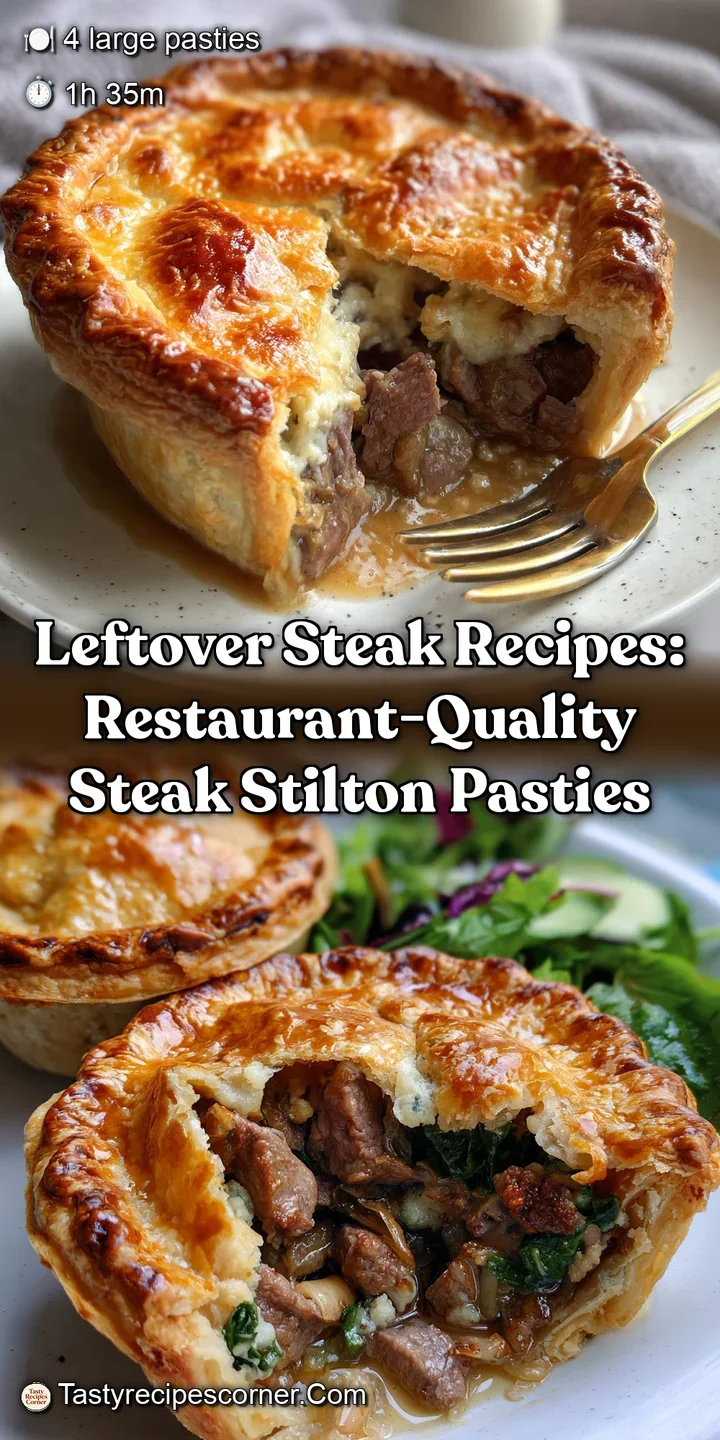
Recipe FAQs
Why did my leftover steak become tough or dry after baking in the pasty?
This common issue arises if the steak slices are too thick or if the meat is subjected to excessive heat during the baking process. Always slice the leftover steak very thinly (about 1/8 inch) and ensure it is thoroughly mixed into the creamy filling, which protects the meat from direct heat exposure.
I dislike Stilton cheese. What is a suitable substitute for this recipe?
While Stilton provides the quintessential salty, sharp punch, a mature, sharp English Cheddar or even a strong Gruyère will work wonderfully to balance the richness of the beef. If you still desire a blue cheese flavour but milder, try using Gorgonzola Dolce, reducing the amount slightly.
Can I freeze the Great British Steak & Stilton Pasties?
Yes, these pasties freeze beautifully, whether baked or unbaked. If freezing unbaked, place them on a tray until solid, then transfer them to an airtight container or freezer bag for up to three months; bake directly from frozen, adding 10 15 minutes to the cooking time.
Do I need to pre-cook the vegetables (potatoes and onions) before assembly?
Yes, it is essential to par-cook the potatoes and lightly sauté the onions before mixing them into the filling. This ensures that the vegetables soften completely and achieve the perfect creamy texture within the relatively short baking time of the pastry, preventing a raw or gritty filling.
Which cuts of leftover steak perform best in this pasty recipe?
Tender, higher quality cuts such as fillet (tenderloin), ribeye, or sirloin are ideal, as they remain palatable even after the second round of heating in the oven. Avoid using traditionally tougher cuts like skirt or flank, as they often become excessively chewy once reheated within the pastry shell.
How long is the leftover steak safe to use for this recipe?
Leftover cooked steak must be stored properly in an airtight container in the refrigerator and used within three to four days of its initial cooking date. If you are unsure of the original cooking date, it is always safest to discard the meat rather than risk foodborne illness.
Can I use puff pastry instead of shortcrust for the pasty wrapper?
You can certainly substitute puff pastry, but be aware that it will result in a much lighter, flakier texture, sacrificing some of the traditional hearty richness of a shortcrust pasty. If using puff pastry, be diligent about securely crimping the edges to prevent the moist filling from leaking out during the bake.
Steak Stilton Pasties Recipe

Ingredients:
Instructions:
Nutrition Facts:
| Calories | 620 kcal |
|---|---|
| Fat | 40 g |
| Fiber | 3 g |
