Spring Meals: Chicken Supreme with Lemon Sauce
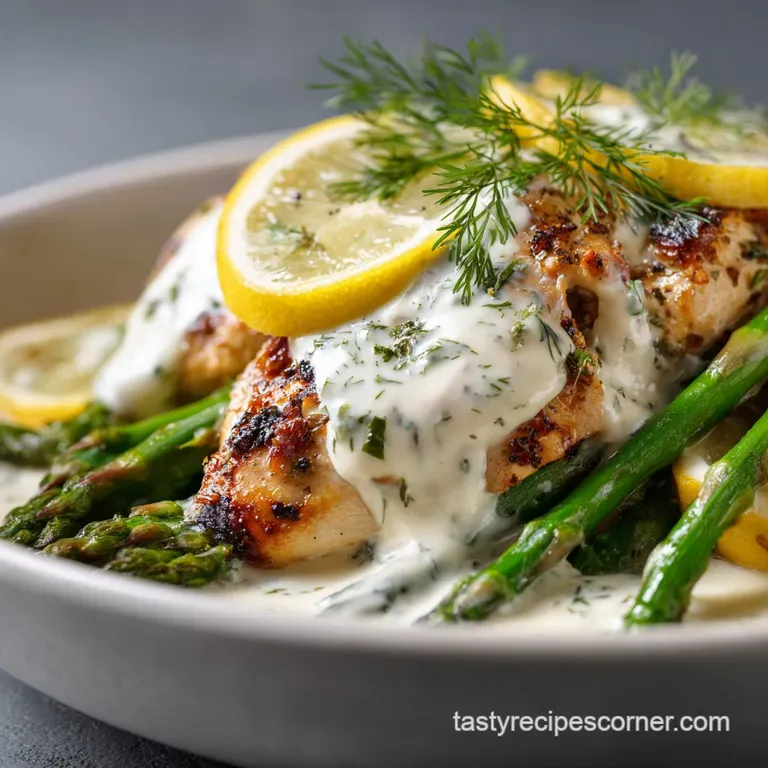
- Celebrating the First Flavours of Spring
- The Science of Spring Flavour Balance
- Essential Components for This Seasonal Spring Meal
- Mastering the Supreme: Step-by-Step Method
- Chef’s Secrets for a Flawless Result
- Preparing Ahead and Storage Guidelines
- Complementary Sides for Your Springtime Dinner
- Recipe FAQs
- 📝 Recipe Card
Celebrating the First Flavours of Spring
The smell of that perfectly seared chicken skin, sizzling in butter and hitting the dry white wine for the deglaze? That is pure, unadulterated spring magic. It’s bright, it’s zesty, and it’s the exact opposite of the heavy, slow cooked comfort food we’ve been relying on all winter long.
We need flavour that pops!
Seriously, who has time for fussy, elaborate recipes right now when the sun is finally shining? This incredible dish Spring Chicken Supreme with that vibrant lemon herb sauce is ready in 35 minutes flat, making it a guaranteed weeknight lifesaver.
It looks completely elegant, but trust me, it’s cheap on effort and delivers maximum payoff for truly beautiful Spring Meals .
Forget complex techniques or hours in the kitchen. We are going to focus on nailing crisp chicken skin, building a beautiful fond , and creating a vibrant, un-split sauce that sings with seasonal ingredients.
Let’s get these simple and sophisticated Spring Meals on the table tonight, friends, and celebrate the season the best way we know how: with incredible food.
The Science of Spring Flavour Balance
I used to think that impressive cooking meant slaving over a complicated casserole, but I was wrong. The secret to the best Spring Meals is balance you need richness to feel satisfied, but you need acidity and freshness to keep the dish feeling light and seasonal.
This recipe is fundamentally sound because it combines fat, acid, and fresh herbs in perfect proportion.
From Winter Faff to Spring Flash: Why This Dish is Quick
The speed comes down to the cut of meat and the cooking vessel. Using a chicken breast supreme (which is just a breast with the first wing joint left attached, often skin-on) means faster cooking than a whole leg or a roasted bird. We sear hard for maximum skin crispness, then let the residual heat finish the job.
We aren’t waiting for a low and slow braise; this technique ensures quick Spring Meals without sacrificing texture or flavour.
What Makes a Chicken Supreme ‘Supreme’?
A Supreme cut is often labeled as a “bone-in, skin-on chicken breast.” Leaving the skin on is non-negotiable here; the fat rendering out is what builds the foundational flavour for the sauce, plus the crisp skin is just delightful.
Leaving the bone in helps insulate the breast, keeping it incredibly juicy while the skin gets perfectly golden it prevents that notoriously dry chicken breast tragedy we’ve all experienced.
The Ultimate Weeknight Dish (Or Elegant Dinner Party Fix)
If you're looking for the ideal Spring Meals for company, this is it. It looks entirely sophisticated, especially when nestled in that bright green sauce, and requires almost zero hands-on time once the searing is done.
You can literally prepare the entire sauce base while your guests are enjoying a quick glass of wine, then simply nestle the chicken back in just before serving.
Building Depth: The Deglazing and Stock Reduction Technique
This is the key to flavour depth. After searing the chicken, that brown sticky residue stuck to the bottom of your pan that’s called the fond . It is pure, concentrated flavour! When you pour in the wine, the alcohol helps dissolve the fond into the liquid.
Reducing this mixture concentrates the flavour, setting the stage for one of the most flavourful Spring Meals you can imagine.
The Crème Fraîche Difference: Richness Without Heaviness
Why crème fraîche instead of heavy cream? Crème fraîche is slightly tangy and has a higher fat content, making it less likely to curdle when added to an acidic base (like wine and lemon juice).
It provides a luxurious, velvety mouthfeel without feeling heavy or cloying, which is exactly what we want in fresh Spring Meals . It melts right in and keeps things bright.
The Brightness Factor: Zest, Juice, and Cutting Through the Fat
Remember what I said about balance? The lemon zest and juice are crucial. Zest holds essential oils and provides bright aroma, while the juice provides the necessary acid to cut through the richness of the chicken fat and the crème fraîche.
This vibrancy is the essential character of good Spring Meals ; without it, the dish falls flat.
Essential Components for This Seasonal Spring Meal
Selecting high-quality ingredients isn't about snobbery; it’s about making sure your dish tastes as vibrant as the season itself. Since this recipe is so simple, every component needs to pull its weight.
Selecting the Freshest Spring Asparagus and Peas
If you can find pencil thin asparagus spears, grab them! They cook quicker and have a more delicate flavour than their thicker cousins. When trimming, simply hold the spear and gently bend the bottom until it snaps naturally; that’s where the woody part ends. For the peas, I almost always use frozen.
Frozen peas are picked and flash frozen at peak sweetness, often tasting better than sad, old "fresh" ones sitting in the grocery aisle. These are vital parts of delicious Spring Meals .
Wine Choices: Finding the Right Dry White for the Sauce
You want something dry, crisp, and unoaked. Think Sauvignon Blanc, Pinot Grigio, or even a dry Vermouth if that’s what you have open. Crucially: never cook with wine you wouldn't drink.
The flavour concentrates heavily during the reduction process, so if the wine is cheap and nasty, your sauce will be cheap and nasty, too.
Substituting the Dairy: Using Heavy Cream vs. Crème Fraîche
If you absolutely cannot find crème fraîche, you have options, but proceed with care.
| If you don't have... | Use this instead... | Caveat |
|---|---|---|
| Crème Fraîche | Full fat Sour Cream | Must be fully off the heat; whisks in well but can split if boiled. |
| Crème Fraîche | Heavy Cream (Whipping Cream) | The sauce will be thinner; add a teaspoon of flour or cornstarch slurry at the stock stage if you need thickness. |
Bone-In vs. Boneless Chicken: Maximizing Tenderness
While the recipe calls for the Supreme cut (bone-in, skin-on), you can absolutely use standard boneless, skinless breasts if that's what you have. If you do, reduce the searing time immediately, cooking for only 4– 5 minutes per side, maybe even slightly less.
The bone-in cut offers a margin of error that boneless breasts simply don’t. Bone-in cuts are key to many successful, moist Spring Meals .
Mastering the Supreme: step-by-step Method
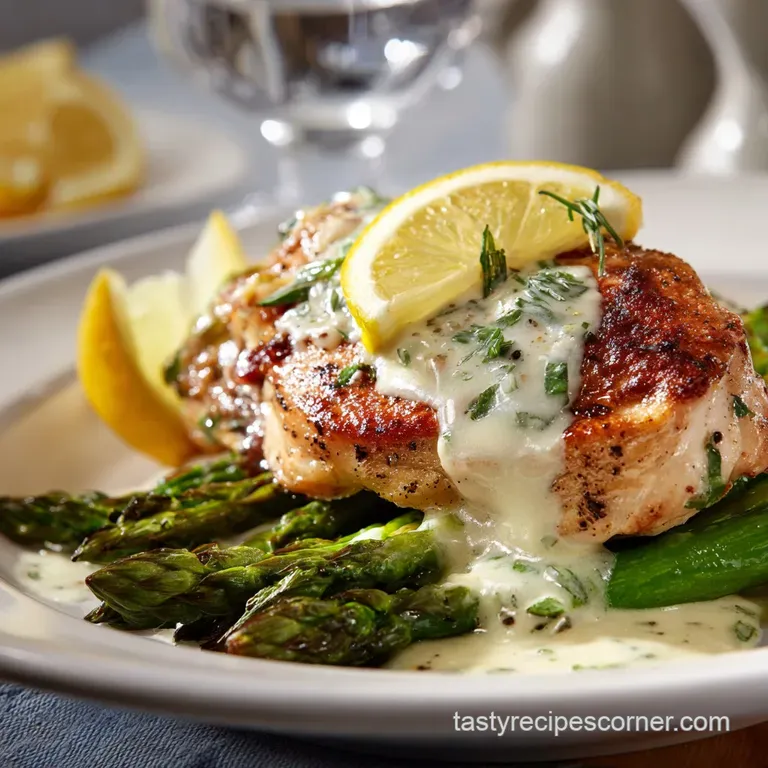
This method guarantees a crisp exterior and a juicy interior. Follow these steps precisely to avoid common pitfalls when cooking such elegant Spring Meals .
Achieving the Perfect Golden Sear on the Chicken
Pat. Your. Chicken. Dry. Again, moisture prevents searing and causes steaming. Use a heavy bottomed pan and start with medium high heat. Place the chicken skin side down and do not touch it for six full minutes. Resist the urge to peek!
The skin needs time to solidify and crisp before you flip it. Once flipped, the internal temperature should reach 165°F (74°C).
Creating the Velvety Wine and Crème Fraîche Base
Once the chicken is out and resting, reduce the heat. Add the shallots to the residual fat and scrape them around until they soften, about two minutes. Then, hit it with the garlic but only for 30 seconds before adding the wine.
If the garlic burns, the whole batch of lovely Spring Meals is ruined. Scrape up the fond aggressively as the wine reduces, then add the stock and reduce by a third.
Chef’s Note: Before adding the crème fraîche, remove the pan entirely from the burner. Whisk in the crème fraîche quickly and thoroughly, ensuring it is fully incorporated before adding the lemon juice and zest.
This is the surest way to prevent splitting and guarantee a velvety texture.
Timing the Asparagus and Peas for Crisp Perfection
We want those vibrant green colours! Add the chopped asparagus after the stock has reduced, cooking it for just two minutes. It should still have a delightful snap. Immediately after the asparagus, toss in the frozen peas. They only need one minute to thaw and heat through.
Overcooked peas are dull and mushy; perfectly cooked spring vegetables are the hallmark of great Spring Meals .
Final Plating and Garnish: The Finishing Touch
Once the sauce is seasoned perfectly, stir in the fresh chives and tarragon. Nest the rested chicken breasts back into the sauce, skin side up. Do not submerge the crispy skin. We are just heating the meat back through gently for about a minute.
Serve immediately, spooning the vegetable laden sauce generously over the plate, making sure the chicken rests atop its delicious, vibrant bed of flavour.
Chef’s Secrets for a Flawless Result
Making truly excellent Spring Meals is often about avoiding small, common errors. Here are the things I learned the hard way (usually involving a split sauce or flabby skin).
Preventing the Sauce from Breaking or Splitting
This usually happens because the dairy is introduced over too high a heat or is boiled vigorously after being added. Fix: Always take the pan off the heat before adding the crème fraîche.
If it does look like it's starting to separate, try whisking in a splash (about a teaspoon) of cold water or cold stock this often emulsifies it back together.
Seasoning Strategy: Salt and Pepper at Every Stage
This is one of my biggest rules for all cooking, especially elegant Spring Meals . You must season the chicken generously before searing. Then, you need to season the shallots and garlic lightly.
Finally, and most importantly, taste the sauce right before you put the chicken back in, adjusting the salt and pepper levels after the lemon juice has been added.
The Importance of Resting the Chicken
If you slice into the chicken right after it comes out of the pan, all those precious juices will run out onto your cutting board, leaving you with dry meat. Resting the chicken for 5– 7 minutes under loose foil allows the internal heat to redistribute the juices back into the muscle fibers, guaranteeing a moist, tender result.
Don't skip this step, especially for great Spring Meals .
Preparing Ahead and Storage Guidelines
Making quick Spring Meals often means doing some prep work earlier in the day. Knowing how to store and reheat is crucial for maximizing flavour and safety.
Safely Refrigerating Cooked Chicken and Sauce
Once completely cooled, the cooked chicken and the sauce/vegetable mixture should be stored separately in airtight containers in the refrigerator. The chicken will last safely for 3 4 days. The sauce, due to the dairy content, is best consumed within 2 3 days.
Reheating the Dish Without Drying the Supreme
Never reheat the chicken in the microwave if you want to save that gorgeous crispy skin! The best way is gently. Reheat the sauce in a saucepan over low heat. Once simmering, add the chicken, skin side up, and cover the pan. Steam it gently for 5– 8 minutes until heated through.
This keeps the skin somewhat crispy and prevents the meat from drying out. This technique works brilliantly for leftover Spring Meals .
Is This Dish Freezer Friendly?
Honestly? No. While you can technically freeze cooked chicken, freezing the crème fraîche based sauce is a bad idea. Dairy sauces almost always split and turn grainy upon thawing, ruining the texture of these lovely Spring Meals .
This dish is designed to be made quickly and eaten fresh, so keep it in the fridge for a few days, but skip the freezer.
Complementary Sides for Your Springtime Dinner
Since this dish is so flavourful and texturally complete (crisp skin, tender veggies, rich sauce), we want simple, clean sides that soak up the extra sauce.
- Crispy Potatoes: Roasted or crushed baby potatoes tossed in butter and parsley are the perfect vessel for that luscious lemon sauce.
- Simple Grains: Plain white rice or quinoa works well if you need to bulk up the meal easily.
- Fresh Greens: A light salad of watercress, spinach, or arugula dressed with a simple olive oil and white wine vinegar vinaigrette provides a nice peppery counterpoint.
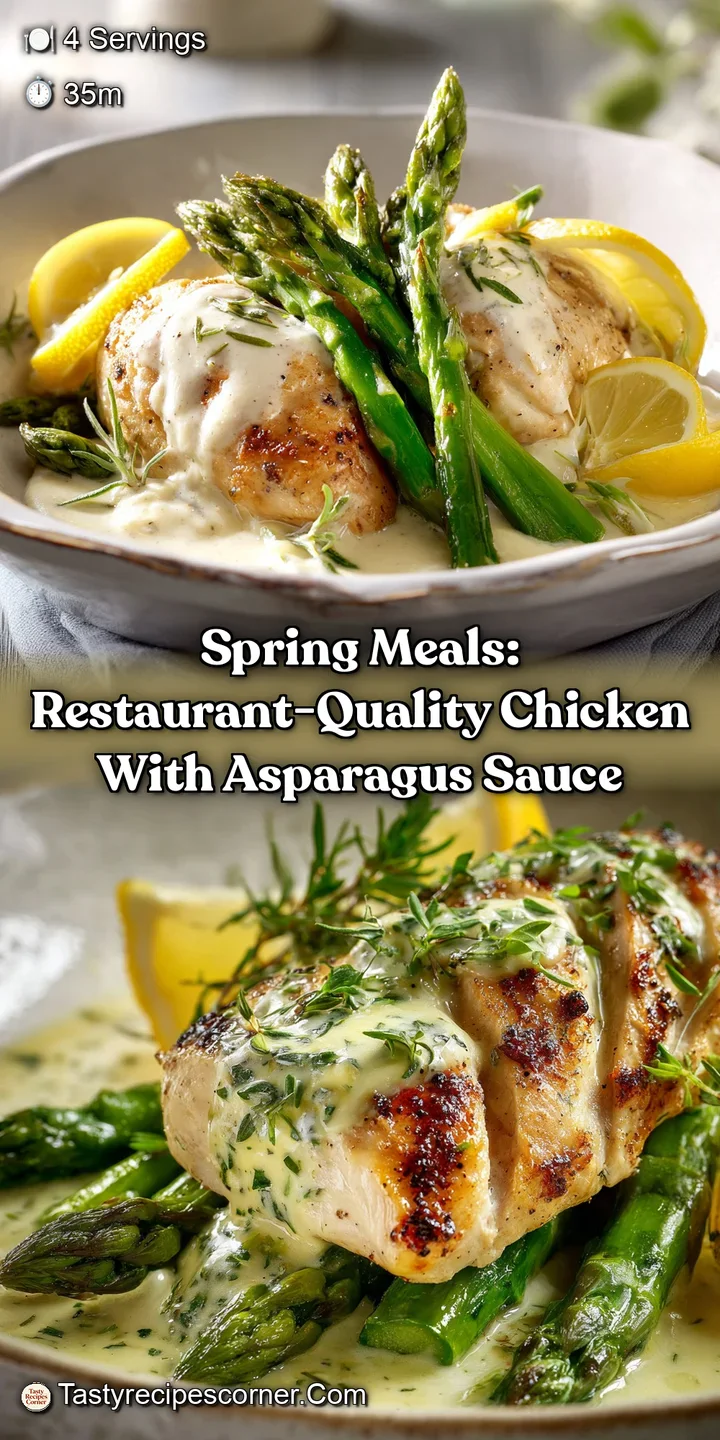
This recipe for Spring Chicken Supreme encapsulates everything wonderful about the season. It's fast, flavourful, uses the best ingredients spring has to offer, and creates utterly delightful Spring Meals that everyone will love. Get cooking!
Recipe FAQs
Why is my chicken dry despite being cooked in the sauce?
Chicken supreme is a lean cut and can quickly become overcooked. Ensure you are using a meat thermometer and pulling the chicken when it hits an internal temperature of 160°F (71°C), letting residual heat carry it to 165°F (74°C).
Also, make sure the initial searing process is quick and hot to develop a crust and lock the juices in before finishing the cooking time within the liquid of the sauce.
Can I substitute heavy cream or sour cream for crème fraîche?
Yes, heavy cream is an acceptable substitute, but it lacks the characteristic tangy complexity of crème fraîche, so consider adding a little extra lemon juice to the sauce.
Sour cream is also an option, but ensure you stir it in only at the very end and do not let the sauce boil, as sour cream is much more prone to curdling.
I don't cook with wine. What is the best non-alcoholic substitute?
The wine provides necessary acidity and depth to the sauce, cutting through the richness of the crème fraîche. Substitute the dry white wine with an equal amount of high-quality chicken or vegetable stock mixed with a teaspoon of white wine vinegar.
Alternatively, you can use non-alcoholic white cooking wine, ensuring it has a dry profile.
How do I prevent the asparagus from becoming soggy or mushy?
Asparagus requires very little cooking time, especially the delicate tips used in spring meals. Ensure you add the vegetables only during the last 3-5 minutes of simmering so they remain crisp tender (al dente).
If you prefer extra crispness, blanch the asparagus separately in boiling water for two minutes, shock it in ice water, and stir it into the sauce right before serving.
Can I make this Spring Chicken Supreme dish vegetarian or vegan?
Absolutely; replace the chicken with thick slices of seared halloumi, large portobello mushroom caps, or seasoned firm tofu. Substitute the chicken stock with vegetable stock and use a high-quality vegan cashew cream or plant based crème fraîche alternative for the sauce base.
My sauce is too thin/thick. How can I adjust the consistency?
If the sauce is too thin, allow it to simmer uncovered for an extra 5-10 minutes to reduce and concentrate. If it is too thick, simply whisk in an extra splash of stock or a tablespoon of wine until the desired consistency is reached.
What is the proper way to store and reheat leftovers?
Store leftovers in an airtight container in the refrigerator for up to three days. Note that dairy based sauces do not freeze well, as they tend to separate upon thawing, so freezing is not recommended for this recipe.
Reheat gently on the stovetop over low heat, adding a small amount of extra stock or water to loosen the sauce as it warms up.
Spring Chicken With Lemon Sauce

Ingredients:
Instructions:
Nutrition Facts:
| Calories | 300 kcal |
|---|---|
| Protein | 6.6 g |
| Fat | 19.4 g |
| Carbs | 18.2 g |
