Velvety Shrimp Cream Pasta: 30-Minute Recipe
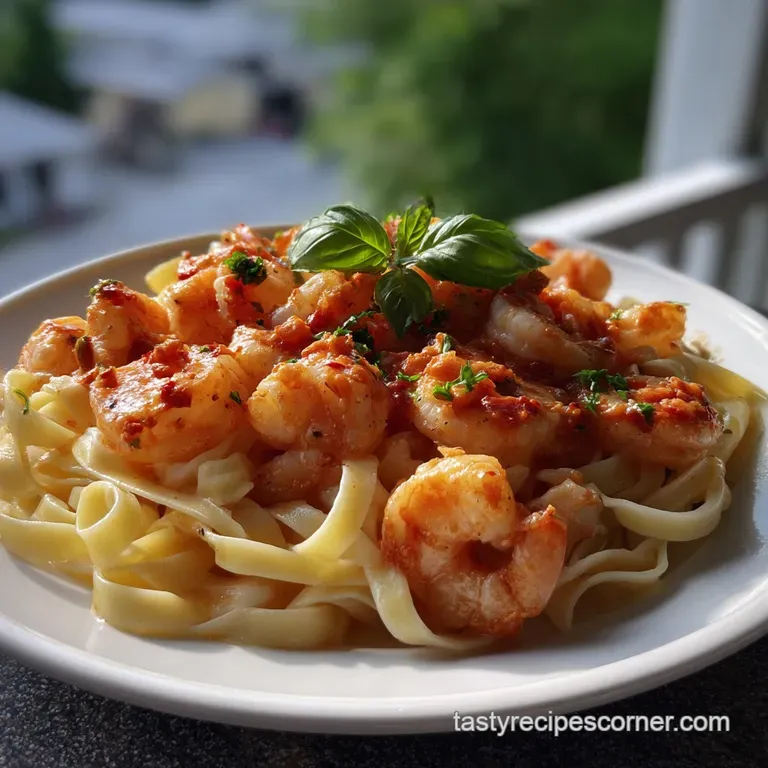
- Effort/Time: 30 minutes total (intermediate skill)
- Flavor Hook: Smoky paprika meets bright citrus and buttery garlic.
- Perfect for: Weeknight-date-nights or elegant-family-dinners.
Master the Ultimate Shrimp Cream Pasta
Listen, we’ve all been there staring at a pan of rubbery, overcooked shrimp swimming in a broken, greasy sauce. I spent months chasing that restaurant quality silkiness, only to end up with "soup" or "glue." The secret isn't just more cream; it's the chemistry of how you build the base and when you introduce the heat.
My first three attempts at shrimp cream pasta were failures because I crowded the pan, which steamed the shrimp instead of searing them. Once I learned to let the Lodge Cast Iron Skillet get ripping hot, everything changed.
This shrimp cream pasta recipe isn't just a meal; it's a lesson in moisture control and emulsification that ensures a glossy finish every single time.
You’re about to experience a shrimp cream pasta that hits with a sizzle and finishes with a velvety tang. We’re using a specific deglazing technique to pull every bit of Maillard enriched flavor off the bottom of the pan.
Let’s get into the science of why this works so you never have to settle for mediocre pasta again.
What is Shrimp Cream Pasta?
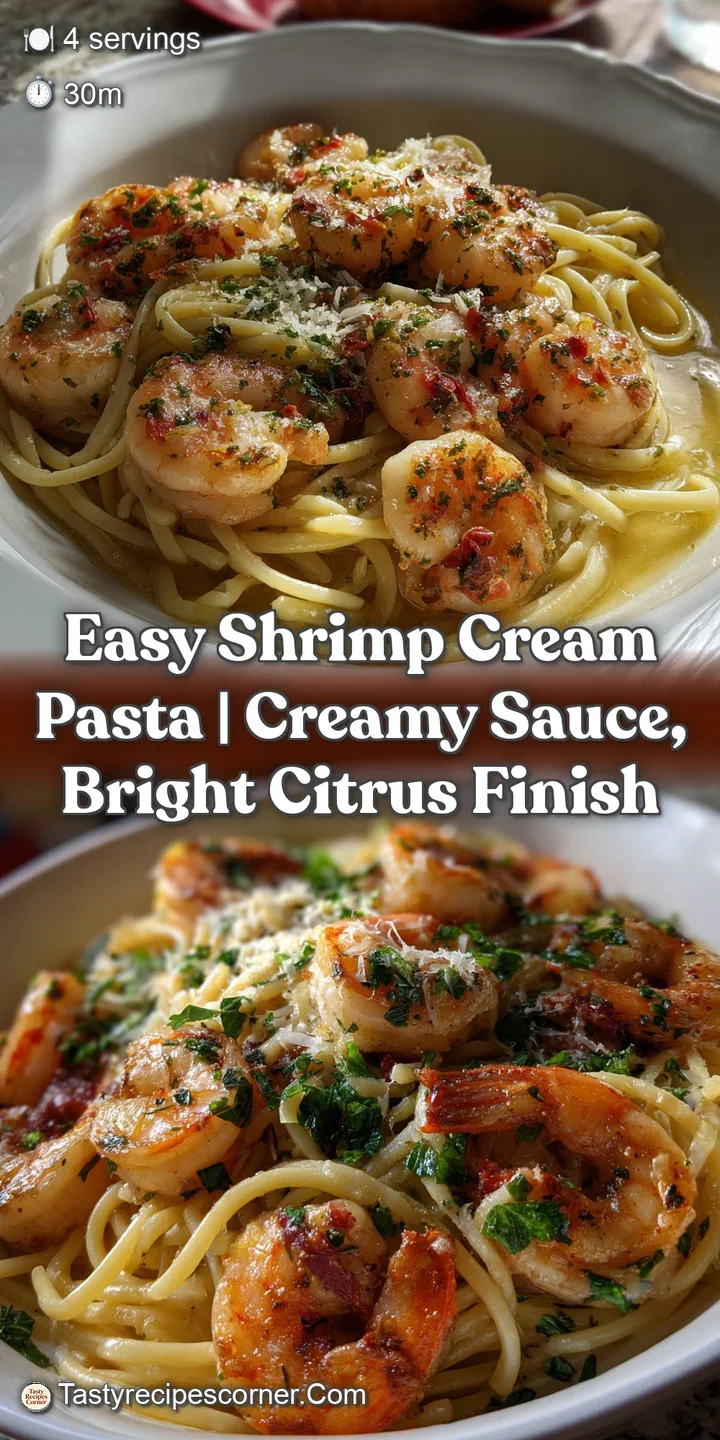
Shrimp cream pasta is a coastal inspired Italian American dish consisting of al dente long strand pasta tossed in a heavy cream and Parmesan based sauce infused with garlic, white wine, and seared shrimp.
It relies on the balance of rich fats from 4 tbsp Unsalted Butter and 1 cup Heavy Cream against the bright acidity of 1 tbsp Fresh Lemon Juice to create a balanced, decadent profile.
Why This Works (Scientific Power Bullets)
- Starch Fat Emulsification: The cream cheese and Parmesan bridge the gap between water based wine and oil-based fats, creating a stable, non-breaking sauce.
- Maillard Reaction: Searing the 1 lb Large Shrimp at high heat creates melanoidins, providing savory depth that raw poaching cannot achieve.
- Acidic Balancing: 0.5 cup Dry White Wine provides tartaric acid, which cuts through the heavy lipid profile of the cream to prevent palate fatigue.
- Protein Denaturation Control: Adding shrimp back at the final moment prevents the muscle fibers from tightening into a "rubber" texture.
The Science Behind 1 lb Large Shrimp
- What It Does
- Provides the primary protein structure and savory "ocean" base for the shrimp cream pasta.
- The Chemistry
- Rapid protein denaturation occurs at 120°F (49°C), where the translucent flesh turns opaque and firm as water is expelled.
- Why This Matters
- Over denaturation leads to a tough, dry texture; searing briefly and finishing in residual heat keeps them succulent.
The Science Behind 1 cup Heavy Cream
- What It Does
- Acts as the primary thickening agent and flavor carrier for the shrimp creamy pasta.
- The Chemistry
- High fat content (36%+) provides spherical fat globules that coat the tongue, slowing the evaporation of aromatic compounds from the garlic and wine.
- Why This Matters
- It creates a "velvety" mouthfeel that lasts, ensuring the shrimp cream pasta sauce doesn't feel thin or watery.
The Science Behind 0.5 cup Dry White Wine
- What It Does
- Deglazes the pan and provides an acidic counterpoint to the shrimp pasta cream cheese base.
- The Chemistry
- Ethanol in the wine acts as a solvent, extracting flavor compounds from the garlic and paprika that are not soluble in water or fat alone.
- Why This Matters
- This creates a multi dimensional flavor profile that makes this shrimp pasta cream sauce recipe taste "expensive."
Ingredients and Substitutions
To make the best shrimp cream pasta, quality of fat and pasta shape are non-negotiable for sauce adhesion.
| Original Ingredient | Substitute | Why It Works |
|---|---|---|
| 12 oz Linguine | Fettuccine | Both provide high surface area for the shrimp cream pasta to cling to. |
| 1 lb Large Shrimp | Sea Scallops | Similar protein structure; provides a sweet, buttery oceanic flavor. |
| 0.5 cup Dry White Wine | Seafood Stock + 1 tsp Vinegar | Replicates the liquid volume and acidity without the alcohol. |
| 1 cup Heavy Cream | Full fat Coconut Milk | Provides similar viscosity. Note: Adds a distinct nutty/tropical flavor profile. |
| 2 oz Cream Cheese | Mascarpone | High fat content; adds a slightly sweeter, richer finish to the sauce. |
step-by-step Instructions
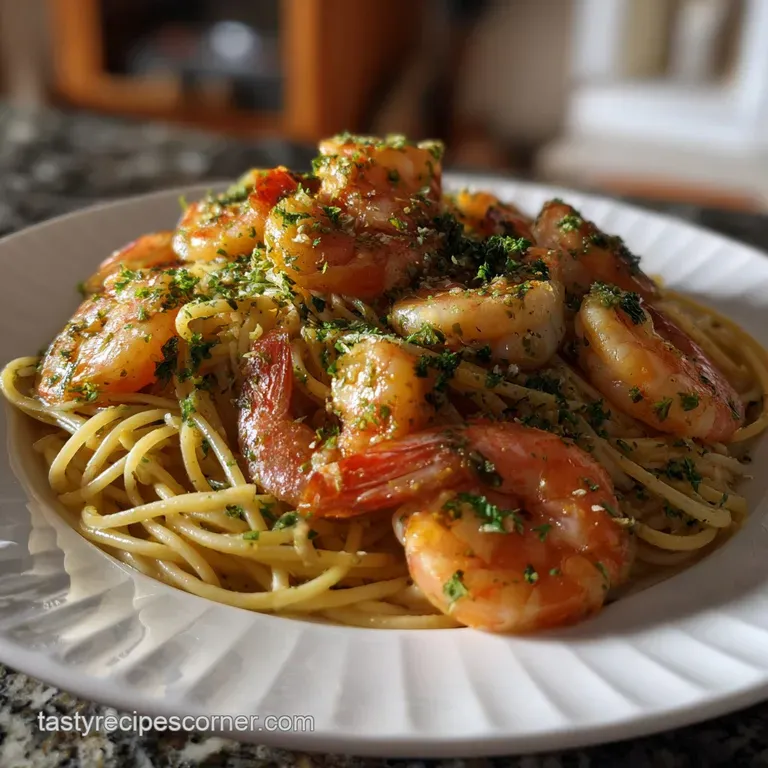
- Boil the 12 oz Linguine or Fettuccine in 1 tbsp Salted water.Note: This hydrates the starch granules, causing gelatinization which creates the pasta's structure.
- Pat dry 1 lb Large Shrimp and toss with 1 tsp Smoked Paprika, 0.5 tsp Salt, and 0.5 tsp Black Pepper.Note: Surface moisture is the enemy of the Maillard reaction; drying ensures a proper sear.
- Heat 2 tbsp Extra Virgin Olive Oil in a Lodge Cast Iron Skillet until it begins to shimmer.Note: High smoke point oil allows for rapid searing without burning the fats.
- Sear shrimp for 2 minutes per side until pink, then remove from the pan. Note: Removing them prevents overcooking while you build the shrimp cream pasta sauce.
- Melt 4 tbsp Unsalted Butter and sauté 4 cloves minced Garlic for 1 minute.Note: Fat-soluble allicin in garlic is released and stabilized by the butter.
- Deglaze the skillet with 0.5 cup Dry White Wine, scraping the bottom.Note: This process incorporates the "fond" (browned bits) back into the liquid base.
- Whisk in 1 cup Heavy Cream and 2 oz softened Cream Cheese.Note: Whisking facilitates emulsification, creating a smooth, homogenous liquid.
- Simmer for 3 5 minutes, then stir in 0.5 cup Parmesan and 0.5 tsp Red Pepper Flakes. Note: The cheese melts into the sauce, adding salt and complex proteins for thickness.
- Toss the cooked pasta and seared shrimp into the sauce with 1 tbsp Fresh Lemon Juice.Note: The acid "wakes up" the heavy fats and rounds out the flavor profile.
- Garnish with 2 tbsp chopped Fresh Parsley and serve immediately.Note: Fresh herbs provide a burst of chlorophyll to cut through the richness.
Chef’s Note: Reserve 1/2 cup of the starchy pasta water. If your easy shrimp cream pasta looks too thick, a splash of this liquid will create a silky gloss due to the suspended amylose.
If you love the depth of this sauce, you should definitely check out my Creamy Shrimp Pasta: Perfect 30 Minute Linguine Recipe for a slightly faster weeknight variation.
Common Mistakes in Shrimp Cream Pasta
| Problem | Why It Happens | The Fix | Pro Protocol |
|---|---|---|---|
| Sauce is grainy | Cheese added to boiling sauce | Lower heat before adding Parmesan | Use a Microplane for a finer "snow" grate that melts instantly. |
| Rubbery Shrimp | Overcooking in the sauce | Sear separately and add at the very end | Use a digital thermometer to pull shrimp at 120°F. |
| Thin, watery sauce | Not reducing the wine enough | Simmer wine by half before adding cream | Use a wide skillet to increase surface area for faster evaporation. |
Common Myths
Myth: You must use pre-cooked shrimp to save time. Truth: Pre-cooked shrimp cannot be seared effectively; they will become tough and lack the deep flavor that raw shrimp develop through the Maillard reaction.
Myth: Heavy cream will curdle if you add lemon juice. Truth: Because heavy cream has a high fat-to-protein ratio, it is remarkably stable. While lemon can curdle milk, the fat in cream protects the proteins from clumping in this shrimp cream pasta lemon preparation.
Myth: You should rinse the pasta after boiling. Truth: Never rinse! The surface starch is vital for helping the shrimp cream pasta sauce "stick" to the noodles. Rinsing makes the pasta too slippery.
Storage and Reheating
Fridge: Store leftovers in an airtight glass container for up to 2 days. The shrimp cream pasta will thicken as it cools because the fats solidify.
Freezing: This recipe does not freeze well. The shrimp pasta cream cheese and heavy cream base will likely undergo "syneresis" (wheying off) upon thawing, resulting in a grainy, separated texture.
Reheating: Reheat on the stovetop over low heat. Add a splash of milk or water to loosen the sauce. Stir constantly to re-emulsify the fats. Avoid the microwave, as it tends to explode the fat molecules and make the shrimp rubbery.
This shrimp cream pasta pairs beautifully with a crisp green salad or even as a main before a decadent dessert like my Mudslide Drink: The Ultimate Decadent Creamy Coffee Classic. If you're hosting a larger crowd and need more side options, the textures in this Hawaiian Mac Salad Recipe: The Real Deal Ultra Creamy Plate Lunch Essential offer a fun, creamy contrast.
Enjoy your shrimp cream pasta while it's hot and the sauce is at its most velvety. There’s nothing quite like that first bite of perfectly seared shrimp and wine infused cream. Trust me, once you master this technique, you'll never order this at a restaurant again!
Recipe FAQs
How do I prevent the shrimp from becoming rubbery?
Sear shrimp aggressively over high heat, then immediately remove. This rapid cooking prevents moisture loss and toughening associated with prolonged heat exposure. The resting period allows carryover cooking without drying the proteins.
- Use dry shrimp (pat well)
- Maintain medium high heat
- Do not overcrowd the pan
Is cream cheese the only thickening agent that works?
No, heavy cream creates a better mouthfeel. Cream cheese provides structure and tang, while heavy cream carries fat-soluble flavor compounds and ensures a smoother final texture. For a truly rich, non-dairy alternative, consider researching options like those found in our Coconut Pie with Cream of Coconut: The Silky, Rich Indulgence.
Must I use white wine in the reduction?
No, chicken or vegetable broth works. The wine primarily adds necessary acidity to balance the richness of the cream cheese. If omitting alcohol, use the broth and add a small squeeze of fresh lemon juice for a similar acidic lift.
Can I use pre-cooked shrimp instead?
No. Overcooking pre-cooked shrimp yields tough results. Pre-cooked shrimp requires only brief warming; adding it too early guarantees rubberiness, which defeats the quick sear technique used here.
Can I substitute smoked paprika for sweet paprika?
Yes, smoked paprika offers deeper complexity. Sweet paprika focuses purely on color and mild sweetness, whereas smoked paprika (Pimentón de la Vera) introduces a low, smoky base note ideal for pairing with seafood. For a fresher, brighter variation, look at recipes focusing on acidity, such as our Cherry Tomato Recipes: Easy Burst Tomato Pasta with Feta Lemon.
What happens if the sauce separates into an oily mess?
Overheated cheese caused the fat to separate from the solids. Emulsions break when subjected to excessive, prolonged heat, forcing the fat molecules to reject the water content.
- Whisk vigorously off the heat
- Add a tablespoon of cold water or stock
- Reintroduce heat very slowly
Is unsalted butter better than salted butter here?
Unsalted butter for precision control. Salted brands vary widely in sodium content (often 80-200mg per tbsp), making exact flavor calibration difficult. Unsalted butter allows precise seasoning based on the saltiness of the added Parmesan or cream cheese.
Shrimp Cream Pasta Recipe
Ingredients:
Instructions:
Nutrition Facts:
| Calories | 924 kcal |
|---|---|
| Protein | 40 g |
| Fat | 51 g |
| Carbs | 67 g |
| Fiber | 3 g |
| Sugar | 3 g |
| Sodium | 980 mg |
