Garlic Parmesan Bake Potatoes and Chicken
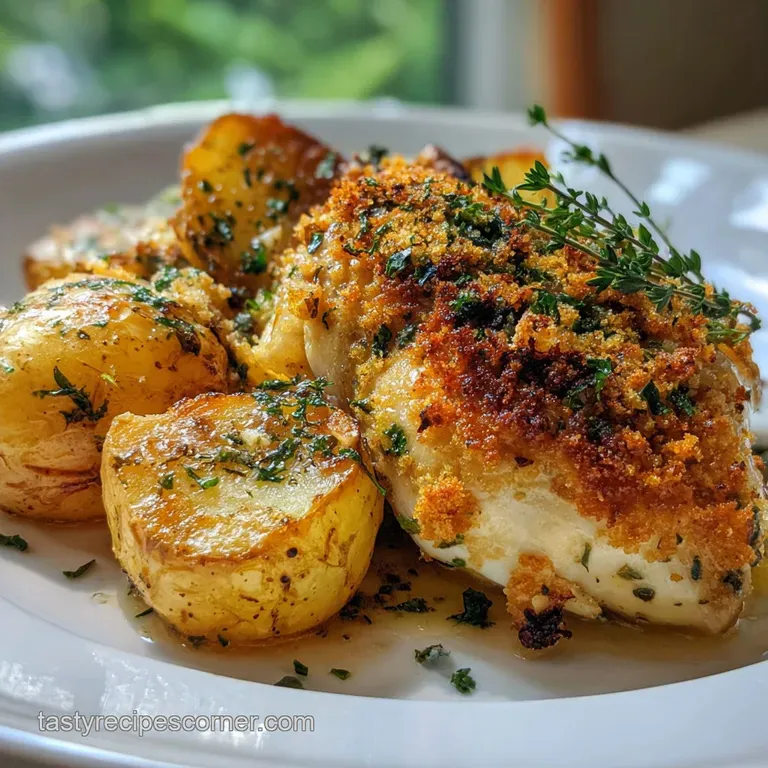
- Time: Active 15 minutes, Passive 45 minutes, Total 1 hour
- Flavor/Texture Hook: Shatter crisp skin and velvety, garlic infused centers
- Perfect for: Soul warming family dinners and fuss free weeknight comfort
- How to Bake Potatoes and Chicken Perfectly
- Building Layers of Deep Flavor
- Essential Components for Success
- The Right Kitchen Tools
- Simple Steps to Golden Bliss
- Fixing Common Cooking Hurdles
- Tasty Ways to Customize
- Kitchen Myths Debunked
- Storing and Using Leftovers
- Serving Your Hearty Meal
- High in Sodium
- Recipe FAQs
- 📝 Recipe Card
Can you hear that? That's the sound of a fork hitting a chicken thigh and meeting a literal wall of crispy skin. I remember the first time I tried to bake potatoes and chicken together back in my early days in my Tennessee kitchen. I ended up with gray, rubbery meat and potatoes that were somehow both hard and greasy.
It was a mess, and honestly, I nearly gave up on the whole "one pan" dream.
But then I realized the secret isn't just throwing everything in a pan and hoping for the best. It's about how you build the layers. We're talking about that liquid gold chicken fat (the "schmaltz") dripping down and basically frying the potatoes while they bake.
It’s a beautiful, messy process that ends in a meal that tastes like you spent all day hovering over a stove.
This recipe is my go to when the house is cold and everyone is hungry for something that sticks to their ribs. We're going to use bone in thighs because they're nearly impossible to overcook, and Yukon Golds because they turn into literal butter in the oven.
Trust me, once you see that Parmesan cheese turn into a lacy, toasted crust, you'll never go back to basic roasted chicken again.
How to Bake Potatoes and Chicken Perfectly
The magic happens when you respect the heat and the fat. If you've ever wondered why restaurant roasted chicken has that deep color, it's because they aren't afraid of high temperatures. We're going to mimic that by using a hot oven and a crowded but-not too-crowded pan.
The Science of Why it Works
Maillard Reaction: High heat transforms the proteins and sugars on the skin into a complex, savory brown crust. Starch Gelatinization: The internal moisture in the Yukon Golds expands, breaking down cell walls to create a velvety, mash like interior texture.
Chef's Tip: For skin that truly shatters, pat the chicken thighs dry with paper towels, then leave them uncovered in the fridge for 30 minutes before seasoning. This removes surface moisture that causes steaming.
Chef's Tip: Add a pinch of espresso powder to your dry rub. You won't taste coffee, but it reacts with the smoked paprika to give the meat a deep, mahogany color that looks professional.
Building Layers of Deep Flavor
In a southern kitchen, we don't just season; we build. This dish succeeds because every ingredient has a job to do. The smoked paprika isn't just for color, it provides a backdrop of wood fired flavor that makes the oven baked meal feel like it came off a grill.
| Component | Science Role | Pro Secret |
|---|---|---|
| Yukon Gold Potatoes | High sugar and starch content | Don't peel them; the skins hold the wedge shape together as the inside softens. |
| Bone in Thighs | Connective tissue (collagen) | The bone acts as a thermal conductor, cooking the meat evenly from the inside out. |
| Parmesan Cheese | Protein based salt and fat | Use freshly grated; pre shredded has cellulose that prevents it from melting into a "lace." |
When we talk about the flavor profile, it's important to compare methods. You might think about doing this on the stove, but the oven provides a dry, surrounding heat that a pan just can't match for this volume of food.
| Feature | Stovetop | Oven (This Recipe) |
|---|---|---|
| Texture | Crispy on one side only | All around crunch and even browning |
| Fat Distribution | Pooled in the center | Evenly coats every potato wedge |
| Effort | Constant flipping required | Set a timer and walk away |
The dry heat of the oven is what allows the broccoli to char slightly on the edges, giving it a nutty sweetness that balances the heavy fats of the chicken.
Essential Components for Success
You don't need a pantry full of exotic items for this. You probably have most of this sitting in your kitchen right now. Just make sure your spices haven't been sitting there since the last eclipse.
- 4 large bone in, skin on chicken thighs (approx. 1.5 lbs): These are the heavy hitters of flavor. Why this? They stay juicy even if you're 5 minutes late taking them out.
- 1.5 lbs Yukon Gold potatoes: Cut these into 1 inch wedges. Why this? They have a natural creaminess that Russets can't match.
- 2 cups broccoli florets: Keep them bite sized so they char quickly.
- 3 tbsp extra virgin olive oil: This helps the spices stick and starts the browning.
- 0.5 cup freshly grated Parmesan cheese: This is our "crunch factor."
- 4 cloves garlic, minced: Fresh is non negotiable here.
- 1 tsp dried oregano: Adds an earthy, floral note.
- 1 tsp smoked paprika: For that "just off the smoker" vibe.
- 1 tsp sea salt: To draw out moisture and season deeply.
- 0.5 tsp cracked black pepper: Use the coarse stuff for a little bite.
If you find yourself missing an ingredient, don't panic. This is a very forgiving way to bake potatoes and chicken without stress.
| Original Ingredient | Substitute | Why It Works |
|---|---|---|
| Yukon Gold Potatoes | Red Bliss Potatoes | Similar waxy texture that holds shape well under high heat. |
| Chicken Thighs | Drumsticks | Same fat content and skin to meat ratio. Note: Reduce cook time by 5-8 minutes. |
| Parmesan Cheese | Pecorino Romano | Even saltier and sharper. Note: Reduce added sea salt by 1/4 teaspoon. |
Just a heads up: if you swap the thighs for breasts, the meat will likely dry out before the potatoes are tender. If you must use breasts, cut the potatoes into much smaller half inch cubes.
The Right Kitchen Tools
You don't need a fancy French oven for this, but the pan you choose matters. A dark, heavy sheet pan (like a Nordic Ware half sheet) absorbs more heat and will give you a better "sear" on the bottom of the potatoes.
- Large Rimmed Sheet Pan: This prevents the precious chicken fat from dripping onto your oven floor.
- Large Mixing Bowl: You need space to toss the potatoes and broccoli without making a mess.
- Meat Thermometer: The only way to know the chicken is safe without cutting it open and losing the juices.
- Microplane: For getting that Parmesan into fine, snowy wisps that melt perfectly.
- Small Whisk: To properly emulsify the oil and spices before coating the meat.
I once tried to do this in a glass 9x13 dish, and it was a soggy disaster. Glass doesn't conduct heat the same way metal does, and the high sides trap steam. Stick to a flat metal pan for that shatter crisp texture we're after.
Simple Steps to Golden Bliss
Ready? Let’s get to work. We’re going to build this in stages so nothing gets mushy or burnt.
- Preheat the oven. Set it to 400°F and place your empty sheet pan inside. Note: A hot pan starts the searing process the second the food hits the surface.
- Dry the chicken. Pat the skin with paper towels until it feels like parchment paper.
- Whisk the marinade. Combine 2 tablespoons of oil, garlic, paprika, oregano, salt, and pepper in a small bowl.
- Coat the thighs. Rub the mixture all over the chicken, making sure to get some under the skin for maximum flavor.
- Prep the vegetables. Toss the potato wedges and broccoli in the remaining oil and a pinch of salt.
- Searing stage. Carefully pull out the hot pan and place the chicken thighs skin side up. Listen for the sizzle.
- Add potatoes. Scatter the potato wedges around the chicken in a single layer.
- Initial bake. Slide the pan into the oven for 25 minutes until the potatoes start to turn golden.
- The Veggie Drop. Add the broccoli to the pan and sprinkle the Parmesan cheese over everything.
- Final crisp. Bake for another 15-20 minutes until the chicken reaches 165°F and the cheese is brown and bubbling.
This method ensures the broccoli doesn't turn into charcoal while the chicken is still raw. It's all about timing the layers. If you love this one pan style, you'll find similar success with this Chicken and Potatoes recipe which uses a slightly different herb blend.
Fixing Common Cooking Hurdles
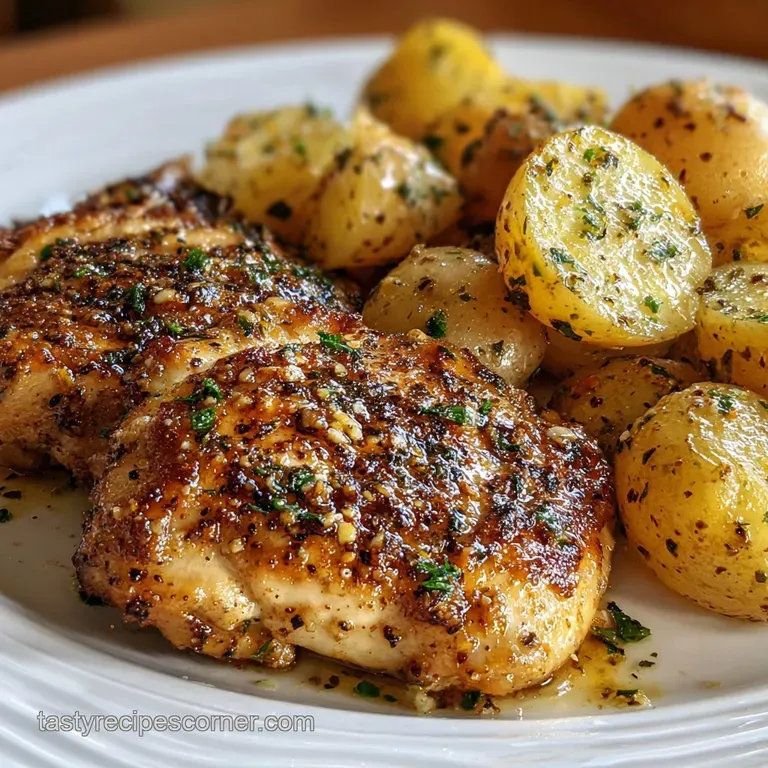
Even the best cooks have days where things don't go according to plan. The most common issue I see is crowding. If you try to fit 8 thighs on one pan, you're essentially boiling the meat in its own steam.
Why Your Potatoes Stay Soft
If your potatoes are tender but pale and mushy, it’s usually a moisture issue. Either the oven wasn't hot enough, or the pan was too crowded. Space the wedges out so the hot air can circulate around each piece.
Why the Garlic Tastes Bitter
Garlic burns quickly at 400°F. If you find your garlic turning into black, bitter flecks, try mincing it into a paste or adding it halfway through the cook time. You can also hide the garlic under the chicken skin to protect it from the direct heat.
| Problem | Root Cause | Solution |
|---|---|---|
| Soggy Chicken Skin | Excess surface moisture | Pat dry with paper towels and salt 20 minutes before cooking. |
| Hard Potato Centers | Wedges cut too thick | Ensure they are no more than 1 inch thick at the base. |
| Burnt Broccoli | Added too early | Only add the broccoli for the final 15-20 minutes of baking. |
If you run into these issues, don't toss the meal! You can usually save soggy skin by popping it under the broiler for 2 minutes just watch it like a hawk so it doesn't burn.
Tasty Ways to Customize
This recipe is a canvas. In Tennessee, we love our heat, so sometimes I’ll toss in some cayenne or red pepper flakes. But you can take this in a dozen different directions depending on what's in your pantry.
- Mediterranean Style: Swap the paprika for lemon zest and add some Kalamata olives in the last 10 minutes.
- Root Vegetable Medley: Replace half the potatoes with carrots or parsnips for a sweeter, earthier flavor profile.
- The "Double Cheese": Use a mix of Parmesan and sharp white cheddar for a Gooey meets crispy finish.
If you want X, do Y:
- If you want a smokier flavor, use double the smoked paprika and add a teaspoon of cumin.
- If you want it lighter, swap the potatoes for cauliflower florets (keep an eye on the time, they cook faster!).
- If you want a "sticky" finish, brush the chicken with a tablespoon of honey during the last 5 minutes.
I've seen some folks try to use sweet potatoes, which is fine, but they won't get as crispy as the Yukons because of their higher sugar and moisture content. They'll be delicious, but more on the "velvety" side than the "crunchy" side.
Kitchen Myths Debunked
One huge myth is that you need to parboil potatoes before roasting them. While that can help with Russets, Yukon Golds have a thin enough skin and the right starch balance to cook perfectly from raw in about 40-45 minutes. Save yourself the extra pot to wash.
Another one is that "searing meat seals in the juices." Science tells us that's not true juiciness is about internal temperature, not a "seal." The reason we want that sear is strictly for the Maillard reaction and that incredible texture.
Storing and Using Leftovers
If you have leftovers (which is rare in my house), they keep beautifully. Store the chicken and potatoes in an airtight container in the fridge for up to 4 days. I don't recommend freezing the cooked potatoes, as they tend to get grainy when thawed.
Zero Waste Tip: Don't throw away the bones! Throw the leftover thigh bones into a freezer bag. Once you have a few, simmer them with veggie scraps to make a rich, homemade stock that puts the store-bought stuff to shame.
To reheat, avoid the microwave if you can. It'll make the skin flabby and the potatoes rubbery. Instead, put everything back on a sheet pan in a 350°F oven for about 10 minutes. This brings back that "shatter" factor in the skin.
Serving Your Hearty Meal
When you pull that pan out of the oven, the aroma of roasted garlic and toasted cheese is going to fill the house. I like to serve this right off the sheet pan it's rustic, easy, and keeps the food hot.
A bright, acidic side dish like a simple arugula salad with a lemon vinaigrette is the perfect partner. It cuts through the richness of the chicken fat and the salty Parmesan. If you're feeling extra indulgent, a dollop of sour cream or Greek yogurt on the side of the potatoes is a game changer.
This is more than just a recipe; it's a reliable way to bring people to the table. It’s hearty, it’s comforting, and it’s exactly what a home cooked meal should be. Now, get that oven preheating and let the sizzle begin!
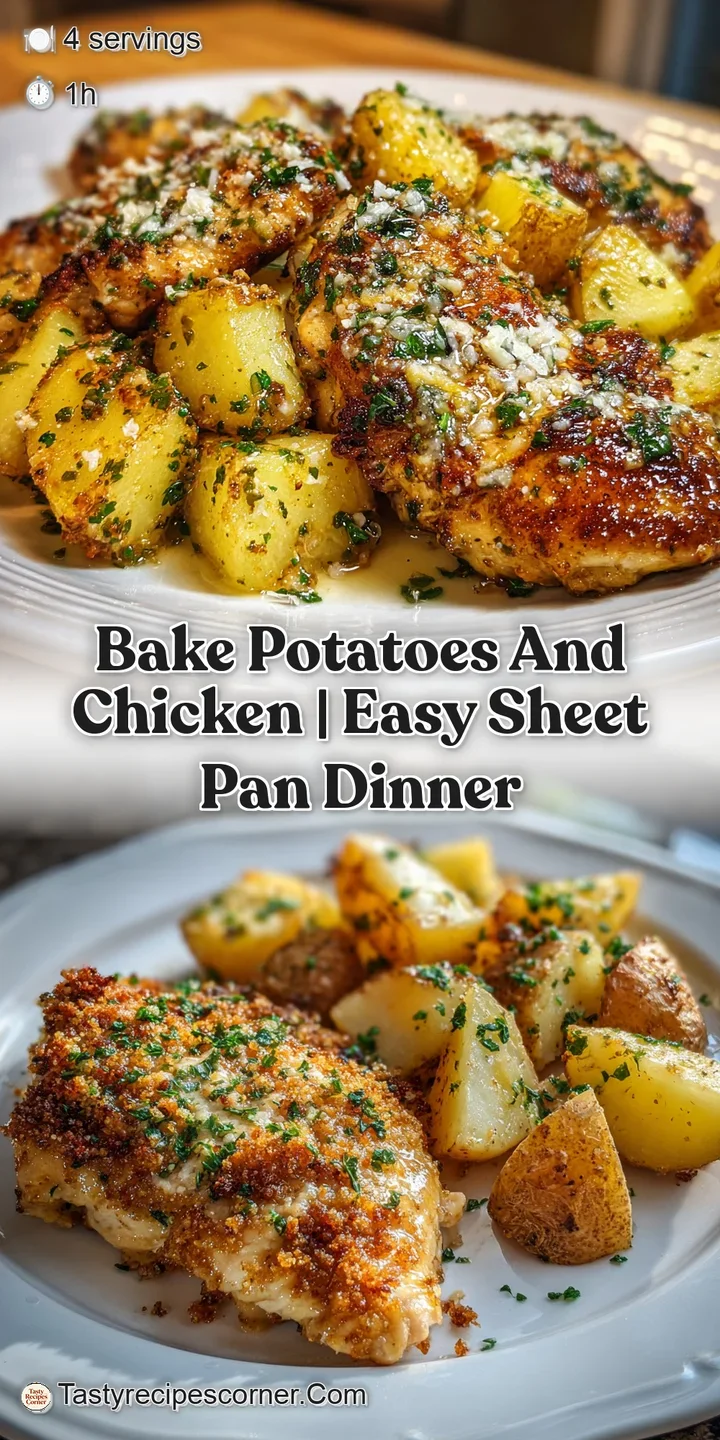
High in Sodium
895 mg mg of sodium per serving (39% of daily value)
The American Heart Association recommends limiting sodium intake to about 2,300mg per day.
Tips to Reduce Sodium
-
Reduce Parmesan-15%
Parmesan cheese is a significant source of sodium. Reduce the amount used to 1/4 cup or substitute with a low-sodium cheese alternative for a 15% reduction.
-
Limit Added Salt-25%
Reduce the amount of sea salt added to the recipe by half, using only 1/2 teaspoon. Taste and adjust after cooking, if needed, to manage the sodium reduction by 25%.
-
Rinse Potatoes-5%
Rinsing the cut potatoes before roasting can remove some surface starch and minerals that may contribute to sodium content, achieving a reduction of 5%.
-
Skinless Chicken-10%
Consider removing the skin from the chicken thighs before cooking. While the skin itself may not be inherently high in sodium, it provides a surface that often attracts added salt, facilitating a possible reduction of 10%.
-
Spice It Up
Experiment with sodium free herbs and spices to enhance flavor without adding salt. Garlic powder, onion powder, and different pepper varieties are great options that can achieve a 0% reduction.
-
Unsalted Prep-5%
Ensure all ingredients (potatoes, broccoli, chicken) are prepared without pre-salting. This helps control the overall sodium content and allow to achieve a 5% reduction.
Recipe FAQs
Can you cook potatoes and chicken in the oven at the same time?
Yes, absolutely. Roasting chicken and potatoes together in the oven is a classic method that allows the rendered chicken fat to flavor and crisp the potatoes. Just ensure they are cut to appropriate sizes for even cooking and your pan isn't overcrowded.
Is it okay to cook raw chicken and potatoes together?
Yes, it's not only okay but highly recommended. Cooking raw chicken and potatoes together allows the chicken's juices to meld with the potatoes, creating a more flavorful dish. Ensure the chicken is cooked to a safe internal temperature of 165°F (74°C).
Can you bake potatoes and meat at the same time?
Yes, this is a very common and effective cooking technique. Similar to cooking chicken and potatoes, baking other meats like pork or beef with potatoes allows for shared flavors and a simplified cooking process. The key is coordinating cooking times based on the meat and potato size.
How long do you cook chicken and potato bake for?
Typically 40-55 minutes at 400°F (200°C). This time can vary based on the size of your chicken pieces and potato wedges. For bone-in chicken thighs and 1 inch potato wedges, aim for about 45 minutes, checking for chicken doneness and potato tenderness.
What is the secret to crispy chicken skin when baking with potatoes?
Pat the chicken skin completely dry and use high heat. Removing surface moisture is crucial; you can even salt the chicken and leave it uncovered in the fridge for 30 minutes prior to cooking. Roasting at 400°F (200°C) or higher helps render the fat and crisp the skin beautifully, much like in our Chicken and Dressing Recipe: Rich Custard Interior.
How do I ensure potatoes are cooked through and tender when baking with chicken?
Cut potatoes into uniform, manageable pieces and don't overcrowd the pan. For Yukon Golds, 1 inch wedges are ideal. Ensuring there's space for hot air to circulate around each potato piece is key to achieving a tender interior and crispy exterior. If you're enjoying mastering texture control here, see how the same principle applies to our Cornbread Dressing With Chicken: Ultra Moist & Savory Recipe.
Can I add other vegetables to a chicken and potato bake?
Yes, you can add vegetables like broccoli, carrots, or onions. Add quick cooking vegetables like broccoli florets or asparagus during the last 15-20 minutes of baking so they don't overcook.
Heartier vegetables such as carrots or onions can be added with the potatoes, provided they are cut to a similar size for even cooking.
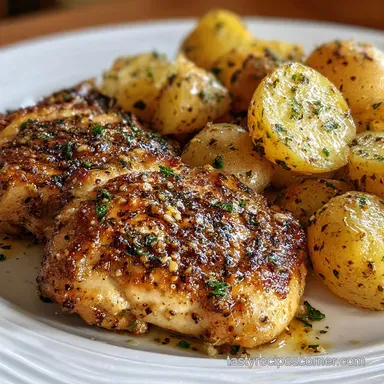
Sheet Pan Chicken And Potatoes
Ingredients:
Instructions:
Nutrition Facts:
| Calories | 612 calories |
|---|---|
| Protein | 39g |
| Fat | 34g |
| Carbs | 38g |
| Fiber | 5g |
| Sugar | 2g |
| Sodium | 895mg |
