Shatter Crisp Kale Chips
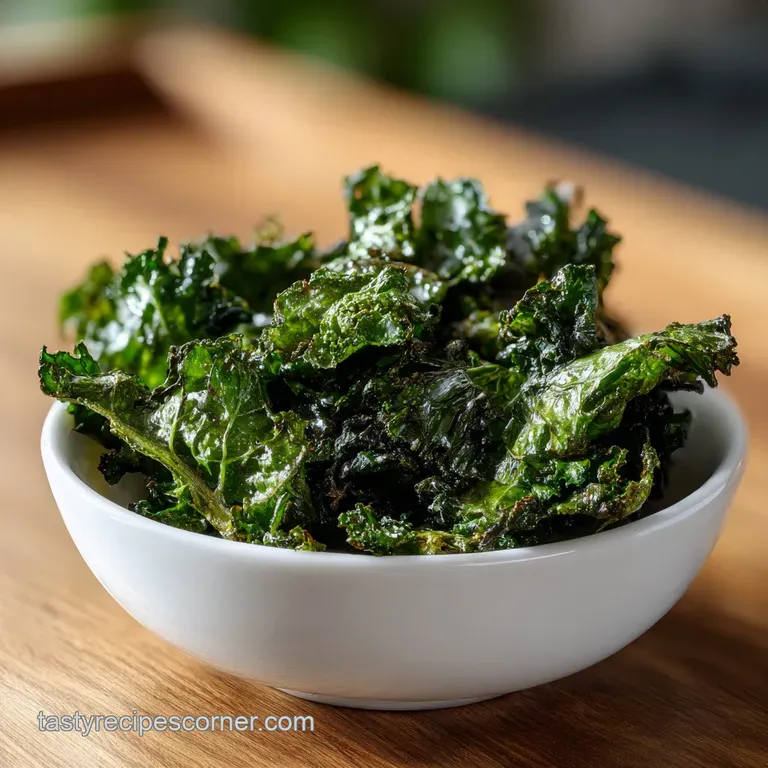
- Time: Active 15 minutes, Passive 20 minutes, Total 35 minutes
- Flavor/Texture Hook: Shatteringly crispy with a smoky, cheesy finish
- Perfect for: Healthy office snacking or a quick nutritious movie night
- How to Make Truly Shatteringly Crispy Kale Chips
- Understanding the Crunch Factor
- Component Analysis: The Essentials
- Gathering Your Flavor Components
- Kitchen Tools You'll Need
- Step-by-Step Cooking Guide
- Fixing Common Sogginess Issues
- Adjusting for Special Diets
- Myths About Baking Kale
- Proper Storage Techniques
- The Art of Serving
- Recipe FAQs
- 📝 Recipe Card
How to Make Truly Shatteringly Crispy Kale Chips
Picture this: It's 3:00 PM on a Tuesday, you're deep into a spreadsheet, and that familiar salt craving hits. You want something with a violent crunch, but you also want to stay on track with your corporate wellness goals.
Most people reach for a bag of greasy chips, but then I remember the batch of kale and chips I prepped on Sunday. The sound of that first leaf shattering it's not a dull thud, it's a high pitched, delicate crackle is enough to make everyone in the office turn their heads.
I used to think making these at home was a fool's errand. My first few attempts resulted in a tragic pile of soggy, limp greens that tasted like sad grass, or worse, blackened carbon bits that tasted like a campfire gone wrong.
I realized I was treating kale like a vegetable that needed to be cooked, rather than a leaf that needed to be preserved.
The aroma in the kitchen when these are in the oven is surprisingly nutty. It doesn't smell like boiling cabbage; it smells like toasted seeds and warm Parmesan. This is the snack I bring to book clubs and hiking trips because it’s surprisingly light but hits that savory umami spot perfectly.
We’re going to walk through how to get that paper thin texture every single time without the bitterness that plagues most homemade versions.
Understanding the Crunch Factor
The Moisture Barrier: When water stays on the leaves, the oven heat turns it into steam, which softens the cell walls instead of crisping them. Complete dryness ensures the oil can actually "fry" the surface of the leaf in the dry heat of the oven.
Cellular Softening: Massaging the oil into the kale breaks down the tough cellulose fibers, allowing the oil to penetrate the nooks and crannies. This ensures the seasonings stick and the heat transfers evenly through the entire leaf.
Low and Slow Evaporation: High heat burns the delicate edges before the center of the leaf can dry out. Keeping the temperature at 300°F (150°C) allows the moisture to exit slowly, resulting in a chip that is crispy all the way through without being charred.
To Achieve Maximum Crunch
The secret is the salad spinner. I’ve tried patting them dry with paper towels, but it’s never enough. You have to spin them twice, then let them air dry on a rack for ten minutes if you have the time. If the leaf feels even slightly damp, your chips will be chewy, not crispy.
For Even Browning Without Bitterness
Bitter notes usually come from the kale's natural compounds reacting to high heat. By staying at 300°F (150°C), we avoid that acrid, burnt toast flavor.
Also, ensure you remove the thick center ribs entirely; they hold too much water and never get crispy at the same rate as the leaves.
For the Perfect Flavor Distribution
Instead of just sprinkling salt on top at the end, we mix the garlic powder and smoked paprika into the oil coated leaves before they hit the pan. This creates a seasoned film over the entire surface area. The Parmesan goes on last to provide a textured, salty crust that grips the curly edges.
| Method | Time | Texture | Best For |
|---|---|---|---|
| Standard Oven | 20 minutes | Delicate & Flaky | Large batches / Meal prep |
| Air Fryer | 8 minutes | Extra Crunchy | Quick single serving snack |
| Dehydrator | 4 hours | Most Nutritious | Raw food enthusiasts |
The oven method remains my favorite because you can spread the leaves out properly. Overcrowding is the number one enemy of the crunch. If you're looking for more crunchy snacks to rotate into your routine, you should try my Potato Chips recipe. Both satisfy that specific texture craving without the heavy feeling of deep fried foods.
Component Analysis: The Essentials
| Ingredient | Science Role | Pro Secret |
|---|---|---|
| Curly Kale (300g) | Structural Base | Use Lacinato for a flatter, sturdier chip that feels more like a traditional cracker. |
| Extra Virgin Olive Oil (1.5 tbsp) | Heat Conductor | Don't use more than directed; too much oil leads to a greasy, heavy leaf that won't lift. |
| Parmesan Cheese (3 tbsp) | Umami & Texture | Microplane the cheese so it's a fine dust; heavy clumps will weigh the leaves down. |
| Smoked Paprika (1/4 tsp) | Flavor Depth | A little goes a long way to mimic the "BBQ chip" flavor profile without the sugar. |
Gathering Your Flavor Components
- 300g curly kale or Lacinato kale: Stems removed and torn into 2 inch pieces. Why this? Curly kale has more surface area for spices to cling to.
- 1.5 tbsp extra virgin olive oil: high-quality fat for crisping. Why this? Adds a peppery note that complements the earthy greens.
- 3 tbsp finely grated Parmesan cheese: The ultimate savory topper. Why this? Provides a salty "crust" that holds the spices in place.
- 1/2 tsp garlic powder: Essential for savory depth. Why this? Sticks better than fresh garlic, which often burns and turns bitter.
- 1/4 tsp smoked paprika: For a hint of backyard grill flavor. Why this? Adds a beautiful red hue and a complex smoky finish.
- 1/2 tsp flaked sea salt: Final seasoning. Why this? Flakes provide a bigger "salt hit" with less total sodium used.
The Base
When picking your kale, look for bunches that are stiff and vibrant. If they are already wilting in the grocery store, they won't crisp up well. I prefer curly kale because the ruffles act like little pockets for the Parmesan and garlic powder.
For Garlic Parmesan Kale Chips
If you want to lean into the savory side, you can increase the Parmesan slightly, but be careful not to weigh down the leaves. You want the cheese to be a fine mist, almost like a dust, so it fuses with the oil during the 20 minutes of baking.
For the Air Fryer Kale Chips Recipe Variant
If you're using an air fryer, reduce the temperature to 280°F (138°C). The circulating air is much more efficient than a standard oven, and at 300°F (150°C), they can blow around and burn in under 5 minutes.
Use a rack to weigh them down if your model has a powerful fan.
Kitchen Tools You'll Need
Having the right tools makes this process efficient. You definitely need a large salad spinner. If you don't own one, you can wrap the washed kale in a clean tea towel and swing it around your head (ideally outside!), but the spinner is much more effective at removing the deep seated water in the curls.
You will also need two large rimmed baking sheets. Never try to cram all 300g of kale onto one sheet. Air needs to circulate around every single leaf to draw the moisture out. I also recommend using parchment paper rather than silicone mats; the paper absorbs a tiny bit of the excess oil, which helps the chips stay dry.
Finally, a large mixing bowl is non negotiable. You need space to get your hands in there. The "massage" step is where the magic happens, and you can't do that properly in a small cereal bowl. For those days when the sugar cravings hit during a meeting, these Keto Brownies are a lifesaver, but for the salty crunchy side of things, these tools are your best friends.
step-by-step Cooking Guide
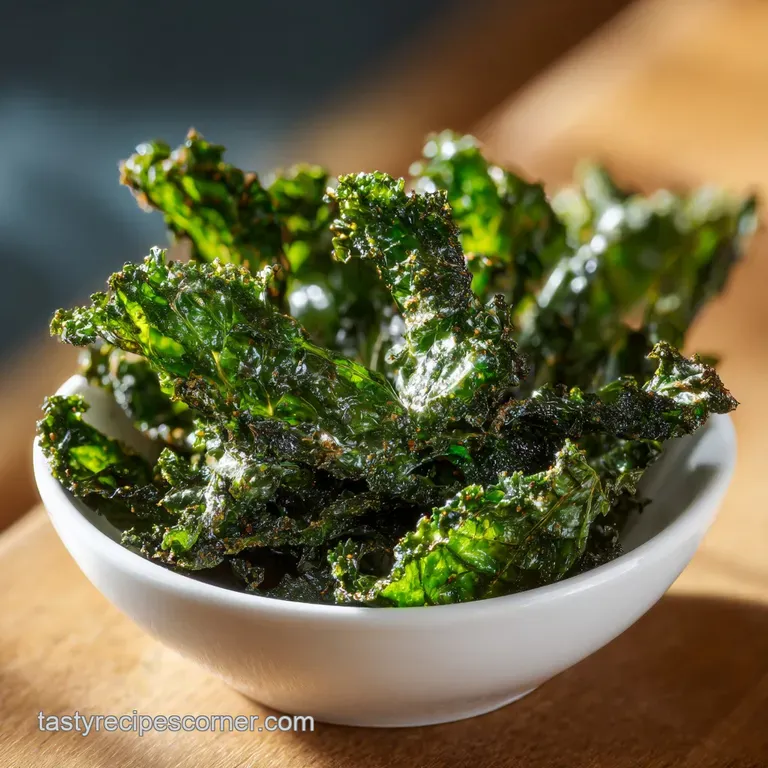
- Wash 300g kale leaves in cold water, then run through a salad spinner twice. Pat with a clean kitchen towel until completely dry to the touch. Note: This is the most important step for crunch.
- Place dry kale in a large bowl. Drizzle with 1.5 tbsp olive oil and massage with your hands for 30 seconds until every fold is lightly coated and a darker green.
- Sprinkle 3 tbsp Parmesan, 1/2 tsp garlic powder, 1/4 tsp smoked paprika, and 1/2 tsp sea salt over the kale.
- Toss again for 15 seconds until spices are evenly distributed across all leaves.
- Preheat oven to 300°F (150°C). Line two baking sheets with parchment paper.
- Spread kale in a single layer on the sheets, ensuring no leaves overlap.
- Bake for 10 minutes. You should start to smell a nutty, toasted aroma.
- Rotate the pans and bake for another 8–10 minutes until the leaves feel firm and paper like when touched.
- Remove from oven and let sit on the baking sheet for 5 minutes to finish crisping as they cool.
- Transfer gently to a bowl and serve immediately for the best texture.
Phase 1: The "Bone Dry" Prep
Don't rush the drying. If you see a single droplet of water, it will create a "wet spot" on the chip that never crisps. I often wash my kale in the morning and let it sit on a towel all day before baking in the evening.
It’s the ultimate time saving trick for corporate professionals who want a quick snack after work.
Phase 2: The Massage
You might be tempted to just toss them with a spoon, but don't. Your hands are the best tools here. You want to feel the leaves soften slightly under your fingers. This ensures the oil isn't just sitting on the surface but is actually working into the fibrous structure of the kale.
Phase 3: The over Low heat Bake
Check them at the 15 minute mark. Every oven is different, and since these leaves are so thin, they can go from "perfect" to "charred" in about 90 seconds. Look for a change in color they should stay green but look matte and slightly shrunken.
Fixing Common Sogginess Issues
Why Your Chips Are Chewy
If your chips come out feeling like leather, they still contain water. This usually happens because the oven was too crowded or the leaves weren't dried properly before oiling. If you notice this, you can sometimes save them by putting them back in a 250°F (120°C) oven for 5-10 minutes to finish the drying process.
Why Your Leaves Are Bitter
Bitterness is usually a sign of overcooking or using kale that is too old. Larger, older leaves have a higher concentration of bitter compounds. Stick to medium sized leaves and ensure you aren't letting them turn brown in the oven. A little browning is okay, but dark brown means they'll taste like burnt toast.
| Problem | Root Cause | Solution |
|---|---|---|
| Soggy/Limp Chips | Residual water on leaves | Spin twice and air dry before oiling. |
| Burnt Edges | Oven temperature too high | Lower to 300°F and move rack to middle. |
| Bland Flavor | Seasoning didn't stick | Massage oil into leaves before adding spices. |
Common Mistakes Checklist
- ✓ Never salt the kale before it is dry; salt draws out more water and creates puddles.
- ✓ Use flaked salt rather than fine table salt to prevent the chips from becoming overly salty.
- ✓ Ensure the Parmesan is finely grated; large chunks will cause the leaf to tear or stay soggy.
- ✓ Avoid stacking the leaves; if they touch, they will steam each other.
- ✓ Let them rest on the pan for 5 minutes; they actually "set" and get crispier as they cool.
Adjusting for Special Diets
If you need to scale this recipe down for a quick solo snack, use just one bunch of kale (about 150g) and halve all the other ingredients. You can use a smaller toaster oven, but keep a very close eye on it as the heating elements are much closer to the food.
Scaling up is easy for a party, but you must work in batches. Don't try to fit four pans in the oven at once unless you have a high end convection oven with perfect airflow. The moisture released from four pans of kale will create a humid environment in the oven, which is exactly what we are trying to avoid.
For a Vegan Umami Blast
Swap the Parmesan for nutritional yeast in a 1:1 ratio. It provides a similar nutty, cheesy flavor but is entirely plant based. You might want to add an extra pinch of salt since nutritional yeast is lower in sodium than Parmesan.
For an Elevated Party Snack
Add a teaspoon of finely grated lemon zest to the oil before massaging. The bright acidity cuts through the salt and the earthy kale, making them feel much more sophisticated. Pair them with a chilled glass of Sauvignon Blanc for a surprisingly great corporate mixer appetizer.
Myths About Baking Kale
"Higher heat makes them crispier faster." This is the biggest lie in the kale chip world. High heat (375°F+) flashes the moisture into steam so fast that it often traps some inside the leaf structure, and the edges burn before the center is dry.
300°F (150°C) is the "sweet spot" for dehydration.
"You need a dehydrator for the best results." While dehydrators are great, they take hours. A standard oven at a low temperature achieves 95% of the same result in 20 minutes. As long as you have good airflow and dry leaves, the oven is just as effective.
"store-bought is just as healthy." If you look at the back of a commercial bag of kale chips, you'll often find added sugars, thickeners, and cheap oils. Making them at home with extra virgin olive oil and real Parmesan gives you a much better nutrient profile and a cleaner flavor.
Proper Storage Techniques
Storage: Store these in an airtight glass jar or a tin. Plastic bags tend to let in more moisture, which will turn your chips soggy within hours. They will stay perfectly crispy for about 2 to 3 days at room temperature.
If they do soften, pop them back in a warm oven for 3 minutes to revive the crunch.
Freezing: I do not recommend freezing kale chips. The delicate structure of the dried leaf will shatter into dust when frozen and thawed, and the moisture from the freezer will ruin the texture instantly.
Zero Waste: Don't throw away those kale stems! While they are too woody for chips, they are packed with fiber and nutrients. I chop mine finely and sauté them with onions as a base for soups, or I throw them into my morning smoothie for an extra boost.
You can also pickle them in a simple vinegar brine for a crunchy, tangy salad topper.
The Art of Serving
When serving these, I like to put them in a wide, shallow bowl rather than a deep one. This prevents the chips at the bottom from being crushed by the weight of the ones on top. Since they are so light, they tend to fly away if you're eating them outside on a windy day consider yourself warned!
As a Textural Garnish
These aren't just for snacking. I love crushing a few handfuls over a bowl of creamy butternut squash soup or a lemon risotto. They provide a salty, crispy contrast that takes a "mushy" dish and makes it feel high end.
It's a trick I use often when hosting dinner parties where I want to impress without spending hours on complex garnishes.
By focusing on the "low and slow" method and ensuring your leaves are bone dry, you'll never have to settle for soggy greens again. It’s a simple, efficient way to get your vitamins while satisfying that deep seated need for a salty crunch.
Give it a try this weekend, and you'll see why I always keep a bunch of kale in my fridge "just in case."
Recipe FAQs
Are kale chips actually good for you?
Yes, they are a nutrient dense alternative to processed snacks. At only 93 calories per serving, they provide fiber and vitamins while satisfying cravings for a crunchy, savory treat.
Can kale lower cholesterol?
Yes, kale contains bile acid sequestrants which have been shown to help lower cholesterol levels. Consuming leafy greens as part of a balanced diet supports heart health effectively.
Can I eat kale chips while pregnant?
Yes, kale is a safe and healthy addition to a pregnancy diet. It is rich in folate and vitamin K, though you should ensure the leaves are washed thoroughly to remove any soil residue before preparation.
Is it okay to eat kale every day?
Yes, enjoying kale daily is generally healthy for most people. If you enjoy incorporating this nutritious green into your routine, try using the same oven roasting logic to prepare our savory vegetable pies for variety.
How to keep kale chips from becoming soggy?
Remove every trace of moisture before seasoning by running the leaves through a salad spinner twice and patting them dry with a kitchen towel. Even a small amount of residual water will cause the leaves to steam instead of crisping in the oven.
How to achieve the perfect crunch without burning the leaves?
Preheat your oven to 300°F (150°C) and spread the leaves in a single layer without any overlapping. Bake for 20 minutes, rotate the pans, and continue for another 8 10 minutes until they feel paper like, then let them sit on the warm baking sheet for 5 minutes to finish crisping.
Is it true that kale chips taste better if you bake them at 400°F?
No, this is a common misconception. Baking at 400°F causes the thin edges of the kale to scorch and turn bitter before the center of the leaves can dry out; sticking to 300°F ensures even, golden results.
Shatter Crisp Kale Chips
Ingredients:
Instructions:
Nutrition Facts:
| Calories | 93 kcal |
|---|---|
| Protein | 3.9 g |
| Fat | 6.5 g |
| Carbs | 6.2 g |
| Fiber | 3.1 g |
| Sugar | 0.6 g |
| Sodium | 345 mg |
