Peruvian Chicken: Authentic Pollo a La Brasa Recipe
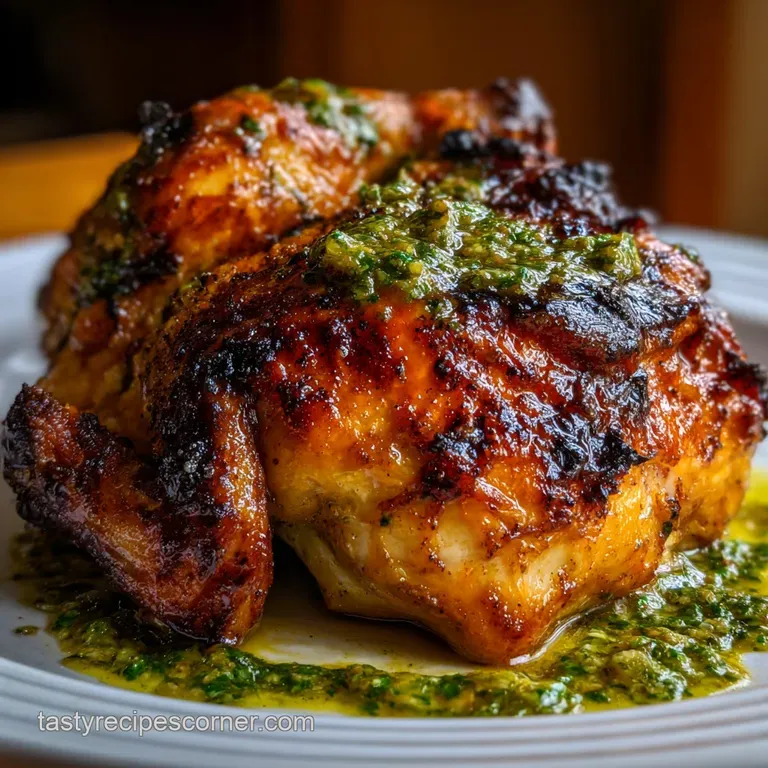
- Pollo a la Brasa: Unlocking the Secret to Peru's Iconic Roast
- Why This Pollo a la Brasa Recipe Will Be Your New Gold Standard
- Sourcing the Essentials: Ingredients for Authentic Peruvian Flavor
- Crafting the Essential Condiment: All About the Aji Verde Sauce
- Phase 1: Preparing and Marinating the Pollo
- Phase 2: Mastering the Roast for Perfect Pollo a la Brasa
- Serving Rituals: Perfect Pairings for Peruvian Chicken
- Practicalities: Storing, Freezing, and Reheating Pollo a la Brasa
- Recipe FAQs
- 📝 Recipe Card
Pollo a la Brasa: Unlocking the Secret to Peru's Iconic Roast
There’s nothing quite like the smell of a perfect roast, but this one is next level. When the skin on this Peruvian Chicken starts to deepen to a rich mahogany, crackling slightly in the heat, the aromas of cumin, oregano, and simmering dark beer fill every corner of your kitchen.
It’s smoky, slightly sweet, and fiercely savoury all at once.
If you’re looking for a roast chicken recipe that actually delivers flavour rather than just basic comfort, this is a lifesaver. Yes, it requires a little planning for the deep marination (ideal for a weekend prep!), but the active work is minimal, and the result incredibly juicy meat encased in a crisp, flavour packed crust makes you feel like a total culinary genius.
This is the ultimate Peruvian Chicken marinade recipe, trust me.
I’ve made enough mediocre roast poultry to know that cutting corners here makes the dish feel flat, so we’re aiming for the gold standard, Pollo a la Brasa style. We’re going to achieve that authentic rotisserie taste right here in your home oven, and pair it with the essential, creamy, spicy green dipping sauce that makes the entire experience sing.
Let’s get you started on the best Peruvian Chicken you’ve ever tasted.
Why This Pollo a la Brasa Recipe Will Be Your New Gold Standard
The Culinary Story: Origin and Cultural Significance of Pollo a la Brasa
Pollo a la Brasa, literally translating to "chicken cooked over coals," is perhaps the most famous and adored dish to come out of Peru. It started as a casual dining invention in Lima and quickly became a national obsession; there are specialized restaurants (Pollada) dedicated solely to serving this dish.
It symbolizes casual national pride and perfectly demonstrates how simple ingredients, when handled correctly, can create explosive flavor. If you want authentic global flavors without stepping too far outside your cooking comfort zone, preparing Peruvian Chicken is the perfect challenge.
Signature Flavors: What Makes the Peruvian Marinade Distinctive
Traditional roasting relies on simple herbs, but the Peruvian Chicken marinade uses powerful pastes and spices together. Many people think it's just about the cumin and paprika, but the secret weapon is the aji amarillo paste , which delivers a fruity, slightly sweet heat that deepens the savory notes.
This paste, combined with dark soy sauce for color and umami depth, creates a complex flavor base you simply can't achieve with dry rubs alone.
The Flavor Mechanics: Why the Dark Beer and Cumin Combination is Crucial
So, why the beer? It's not just for sipping while you cook! That quarter cup of dark beer think a stout or a porter provides enzymes that tenderize the meat slightly, but more importantly, it adds a crucial malty sweetness and a slightly bitter, earthy component.
This depth complements the savory cumin perfectly, mimicking the smoky char you'd get from cooking over wood coals (the brasa ). If you skip it, you lose that signature, earthy depth of flavor unique to Pollo a la Brasa .
Achieving Rotisserie Perfection in a Standard Home Oven
I know, you look at those perfectly bronzed restaurant birds and think, I can’t do that. But you totally can! The key to achieving that rotisserie crust without a spit is twofold.
First, spatchcocking the chicken allows it to roast evenly and expose maximum surface area to the heat. Second, we use the dual temperature method: a scorching start to crisp the skin quickly, followed by a much lower, slower roast to guarantee incredibly juicy internal meat.
Sourcing the Essentials: Ingredients for Authentic Peruvian Flavor
When making Pollo a la Brasa, grabbing the right ingredients is half the battle; this is not the time for plain paprika. The bold, distinct flavor of Peruvian Chicken comes from sourcing the specific pastes that give it its signature flair, particularly for the marinade and the amazing green sauce.
TIP: I use a massive, sturdy roasting pan with a rack because it lets air circulate completely around the chicken, which is absolutely mandatory for crispy skin. Also, a quick digital thermometer is non-negotiable here; don’t guess your internal temperature!
Chef's Note: The cornerstone of this dish is the Aji Amarillo Paste. It provides the signature color and that fruity, medium heat that defines Peruvian cuisine.
Crafting the Essential Condiment: All About the Aji Verde Sauce
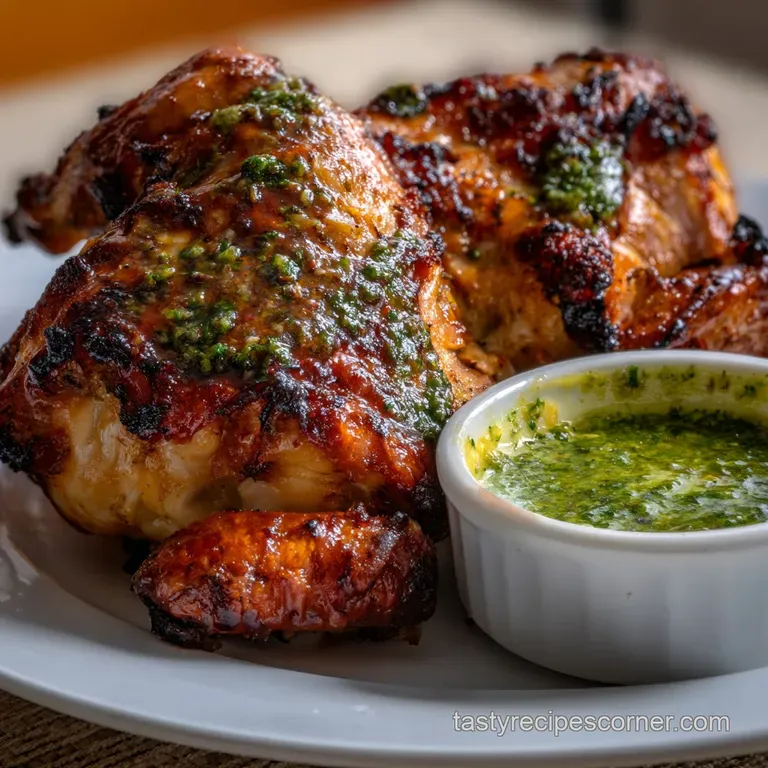
You cannot serve a proper Peruvian Chicken without the Aji Verde. End of discussion. This creamy powerhouse condiment cuts through the richness of the roast, providing a spicy, bright, fresh counterpart that you will want to put on everything. Honestly, I sometimes make a double batch just to use on my Mexican Chicken Recipes: Smoky Pollo Adobado Tacos .
| Ingredient Spotlight | Why It Matters | Substitution Options |
|---|---|---|
| Aji Amarillo Paste | Fruity, essential base flavor. | Try a blend: 1 part Sriracha + 1 part blitzed sweet yellow bell pepper. |
| Basil & Coriander | Provides brightness and complexity. | If cilantro is a no-go, substitute with a 50/50 mix of parsley and mint. |
| Mayonnaise (Full Fat) | Makes the sauce unbelievably creamy. | Greek yogurt mixed with a tablespoon of olive oil achieves a similar texture. |
| Cotija Cheese | Salty, crumbly texture adds depth. | Feta works perfectly fine; rinse it lightly if it's super salty. |
Key Paste Spotlight: Handling and Sourcing Aji Amarillo
Aji amarillo paste is available increasingly often in the international aisle or, easily, online. It’s an essential ingredient for both the main dish and the Peruvian Chicken sauce. It lends a beautiful golden color and a medium heat that is more fruity than searingly hot.
When handling pastes, use clean spoons and always store the remainder tightly capped in the fridge to maintain freshness.
The Beer Factor: Choosing the Right Dark Brew for Depth
When we talk about dark beer, we're looking for something with roasted malt notes, not something overly hoppy or bitter. A straightforward stout or a smooth brown ale works brilliantly.
If you must avoid alcohol, substitute the beer with strong black coffee or a splash of chicken stock combined with a teaspoon of brown sugar for color. It's not exactly the same, but it gets you close to the necessary flavor profile for the truly authentic Peruvian Chicken .
Flavor Boosters: Required Spices for the Signature Brasa Rub
Beyond the pastes, the dry spices give the skin that dark, earthy crust. Cumin and oregano are your heavy hitters, delivering deeply savory aroma. I always recommend using smoked paprika here instead of sweet. That subtle smokiness enhances the brasa effect we are trying to achieve in the home kitchen.
Substitution Notes: Adapting Ingredients Without Compromising Authenticity
If you can't find dark soy sauce, just use regular soy sauce along with a tiny squeeze of molasses or a half teaspoon of brown sugar to mimic the deeper color and slight sweetness.
For the crucial vinegar in the marinade, red wine vinegar is best, but plain white vinegar works in a pinch; we need that acidity to help tenderize the meat fibers. Even with a few necessary swaps, you are still nailing the core flavors of Peruvian Chicken .
Phase 1: Preparing and Marinating the Pollo
Before you combine anything, make sure your chicken is bone dry. Seriously, pat every surface obsessively with paper towels. Excess moisture prevents the marinade from sticking well and will definitely hinder the crisping process in the oven later.
| Ingredient | US Customary | Substitution |
|---|---|---|
| Whole Chicken | 4 lb | N/A |
| Aji Amarillo Paste | 2 Tbsp | Sriracha + Bell Pepper paste |
| Dark Beer | 1/4 cup | Black Coffee or Stock + Sugar |
| Vinegar | 1 Tbsp | Lemon Juice |
Phase 2: Mastering the Roast for Perfect Pollo a la Brasa
step-by-step Spatchcocking and Preparation Guide
Spatchcocking is just a fancy word for flattening the chicken by removing the backbone. It is the single most important step after applying the marinade. This lets the chicken cook perfectly flat and evenly, ensuring the breast doesn't dry out before the thighs finish.
If you don't want to do it yourself, ask your butcher! Once flattened, pierce the skin lightly all over with a fork this acts like a highway for the Peruvian Chicken marinade to soak into the meat.
Blending and Applying the Dry Rub and Wet Marinade Properly
Mix all the marinade ingredients in a bowl until they form a thick, dark, fragrant paste. Slather this paste all over the chicken, making sure to get under the skin around the thighs and breasts. Don't be shy; cover it completely. The dark soy sauce should immediately start to give the skin a deep mahogany hue.
Recommended Overnight Rest: Maximizing Flavor Penetration
While four hours is the minimum to call this Peruvian Chicken , the absolute best flavor comes from an overnight rest, a full 24 hours.
Placing the marinated bird, uncovered, in the fridge for the last four hours of marination also helps the skin dry out, creating the best texture. If you want that deep, smoky flavor, you have to let it sit!
The Dual Temperature Method: Low and Slow Followed by the Blast
The roasting process is what transforms marinated chicken into incredible Pollo a la Brasa. Start your oven at a high 425°F (220°C) for the first 15 minutes. This sets the crust immediately. Then you drop the temperature way down to 350°F (180°C) for the long, slow, juicy roast.
About halfway through the low and slow portion, baste the bird with the drippings in the pan to maintain moisture and flavor; trust me, the subtle basting matters!
Achieving Accurate Internal Temperature and Resting Period
Use your meat thermometer; pull the chicken out immediately when the thickest part of the thigh, away from the bone, reads 165°F (74°C). If the skin isn't bronzed enough, switch to broil/grill for 2 to 4 minutes, watching it constantly I once charred an entire bird in 60 seconds because I walked away!
Once it’s out, rest it loosely tented with foil for exactly 15 minutes. This essential step allows the juices to redistribute, guaranteeing you don't lose all that hard earned moisture when you carve.
Serving Rituals: Perfect Pairings for Peruvian Chicken
Traditional Accompaniments: Pairing with Papas Fritas and Salad
The traditional way to serve Peruvian Chicken is with thick cut, crispy Papas Fritas (fries) and a simple, refreshing salad of lettuce, tomato, and maybe some sliced avocado.
The plain, cooling salad provides a fresh break from the richly spiced meat, ensuring every bite is exciting. And always, always serve generous bowls of that incredible spicy green sauce on the side for dipping!
Beyond the Classic: Creative Side Dishes to Complement the Flavor Profile
If you’re feeling adventurous, this robust chicken pairs brilliantly with other Latin inspired sides. Instead of fries, try making a simple cilantro lime rice or maybe even some roasted sweet plantains. The rich flavors of the Peruvian Chicken also hold up well against the brightness of my Greek Yogurt Recipes: Tender Lemon Oregano Chicken with Whipped Feta Dip if you wanted to blend some cuisines!
Practicalities: Storing, Freezing, and Reheating Pollo a la Brasa
Safely Storing Leftovers and Maximizing Shelf Life
Leftover Peruvian Chicken stores beautifully. Carve the remaining meat off the bone and store it in an airtight container in the fridge for up to four days. Store the Aji Verde separately; it normally stays good for about a week in the fridge, but let your nose be the judge.
I love using leftover Peruvian Chicken meat in easy lunchtime wraps the next day.
The Best Method for Reheating While Retaining Crispness
Don’t just zap this in the microwave; you’ll destroy that crispy skin! The best way to reheat carved Peruvian Chicken is in the oven. Preheat a regular oven or toaster oven to 350°F (175°C).
Place the chicken pieces on a baking sheet and heat for about 10- 15 minutes until warmed through. This maintains the skin's texture and prevents the meat from drying out. Even cold, this is the best Peruvian Chicken recipe for flavour.
Recipe FAQs
Why is my Pollo a la Brasa skin not getting crispy?
A successful crispy skin requires three things: patting the chicken completely dry before marinating, ample salt, and a very high final oven temperature (the "blistering finish"). Ensure your oven reaches 450°F (230°C) for the last 15-20 minutes, and avoid basting the chicken during the roasting process, as this introduces too much moisture.
I can't find Aji Amarillo paste. What is the best substitute?
Aji Amarillo is crucial for authentic flavor, providing both heat and a unique fruitiness. If unavailable, try combining a small amount of roasted red pepper (for color and sweetness) with a bit of standard yellow chili paste like Scotch Bonnet, but use this substitution sparingly, as the heat level will be higher.
Can I prepare the chicken ahead of time, and how long can it marinate?
Absolutely, the longer the marinade, the better the flavor penetration. You can season and refrigerate the chicken for up to 24 hours comfortably; anything longer than 36 hours may begin to compromise the texture due to the acidity of some marinade ingredients.
Make sure the chicken is fully covered in the marinade during storage.
Is it necessary to use "dark beer" in the marinade? What can I use instead?
The dark beer is used primarily for its deep malt flavor and as a tenderizer, promoting a moist result. If you prefer to omit alcohol, you can use beef broth or a combination of molasses mixed with water; however, the classic slight bitterness of the beer will be absent.
How do I know when the chicken is fully cooked?
The only reliable method is using a meat thermometer inserted into the thickest part of the thigh, avoiding the bone. The chicken is safe and ready to eat when it reaches an internal temperature of 165°F (74°C); remember that the temperature will rise a few degrees while resting.
What is the best method for storing and reheating leftover Pollo a la Brasa?
Store leftovers in an airtight container in the refrigerator for up to 3 days. To reheat without drying it out, wrap the chicken pieces loosely in foil with a tablespoon of water or broth, and warm them in an oven preheated to 350°F (175°C) until heated through.
Can I use boneless, skinless chicken parts with this marinade?
Yes, but you must significantly reduce the cooking time to prevent the meat from becoming dry. Marinate the pieces for only 2-4 hours, and roast them until the internal temperature reaches 165°F (74°C), likely requiring less than 25 minutes of cooking time.
Pollo A La Brasa Peruvian Chicken
Ingredients:
Instructions:
Nutrition Facts:
| Calories | 201 kcal |
|---|---|
| Protein | 5.5 g |
| Fat | 12.0 g |
| Carbs | 10.2 g |
