Pineapple Zucchini Bread: Tender and Moist
- Time: Active 10 minutes, Passive 55 minutes, Total 65 minutes
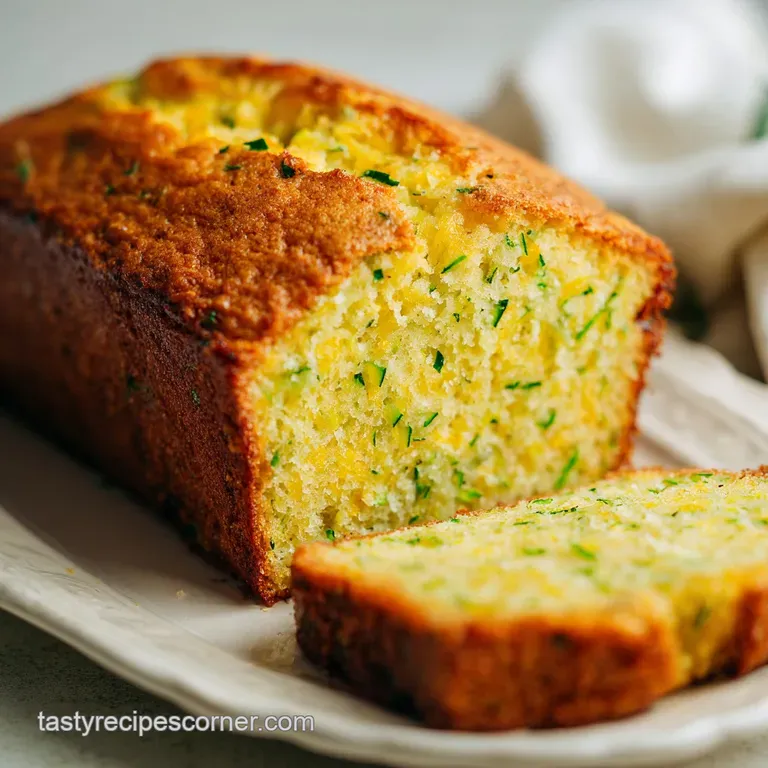
- Flavor/Texture Hook: A tropical, velvety crumb with golden, caramelized edges.
- Perfect for: Elegant weekend brunches or impressive host gifts.
- Bake the Ultimate Moist Pineapple Zucchini Bread Today
- Understanding the Specific Recipe Specs and Timing
- Component Deep Dive and Ingredient Roles
- Choosing Your Elements for the Perfect Flavor Balance
- Essential Kitchen Tools for a Flawless Bake
- Step by Step Guide to a Golden Loaf
- Practical Solutions for Common Baking Obstacles
- Guidelines for Adjusting the Batch Size
- Creative Variations to Personalize Your Sweet Loaf
- Debunking Common Kitchen Myths
- Keeping Your Bread Fresh and Avoiding Waste
- Elegant Ways to Plate and Garnish Your Slice
- Recipe FAQs
- 📝 Recipe Card
Bake the Ultimate Moist Pineapple Zucchini Bread Today
Ever sliced into a loaf of zucchini bread only to have the center slump into a damp, gummy mess? It’s a common tragedy in the home kitchen. Most recipes don’t account for the massive amount of water hidden in zucchini, and when you add pineapple to the mix, you’re basically inviting a flood into your oven.
I used to think the solution was just baking it longer, but that only led to scorched edges and a still rubbery core. It was frustrating and, honestly, a waste of good ingredients.
The fix isn't just about time; it's about the ratio of fats to sugars and how we treat the produce. This specific recipe manages the moisture by lightly draining the pineapple and using the precise amount of leavening to lift the heavy batter.
We’re moving away from the "dense brick" style of quick breads and toward something that feels sophisticated and balanced. You’re going to get a slice that holds its shape, boasts a tender crumb, and delivers a tropical punch that standard zucchini bread just can’t touch.
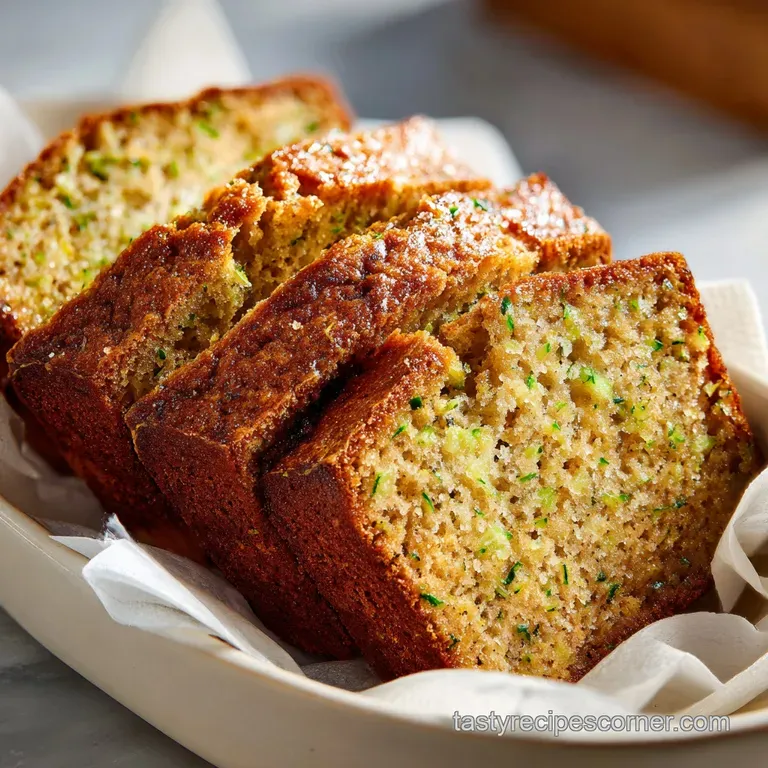
We're going to focus on creating a beautiful color balance here, too. By leaving the skin on the zucchini and ensuring the pineapple pieces are evenly distributed, the interior of the bread looks like a mosaic of emerald and gold.
It’s the kind of bake that makes you look like a pro without requiring any fancy equipment. Let’s get into why this particular method actually holds up under the pressure of all that fruit and veg.
Understanding the Specific Recipe Specs and Timing
Moisture Equilibrium: The 225g of canned crushed pineapple provides acidity that reacts with the 3g of baking soda, creating immediate lift and a softer crumb. This prevents the "heavy" feel often found in veggie based breads.
Sugar Synergy: Using a 1:1 ratio of granulated and light brown sugar (100g each) ensures we get the structural support of white sugar alongside the hygroscopic (moisture retaining) properties of brown sugar.
Fat Suspension: Vegetable oil is used instead of butter because it stays liquid at room temperature, which translates to a bread that feels much "moister" on the tongue even after it has cooled.
Structural Integrity: The 190g of all purpose flour provides just enough gluten to trap the air bubbles without making the bread tough, provided we don't over agitate the batter.
| Method | Time | Texture | Best For |
|---|---|---|---|
| Standard Oven | 55 minutes | Uniform rise, golden crust | Traditional, reliable results |
| Stovetop (Dutch Oven) | 65 minutes | Softer crust, very moist | Summer baking without heating the house |
| Air Fryer (Loaf Pan) | 40 minutes | Darker, crispier exterior | Small batches or quick cravings |
Choosing the right method depends on your kitchen setup, but the oven remains the gold standard for that classic "crack" across the top of the loaf. If you go the stovetop route, you'll need a rack at the bottom of your pot to prevent the bottom from scorching before the middle sets.
Component Deep Dive and Ingredient Roles
| Component | Science Role | Pro Secret |
|---|---|---|
| Fresh Zucchini (200g) | Provides structure and fiber | Don't peel it; the skin adds color and prevents the veg from disappearing entirely into the batter. |
| Crushed Pineapple (225g) | Acidic tenderizer | Reserve exactly 15ml of the juice to boost the tropical aroma without thinning the batter too much. |
| Large Eggs (2 qty) | Emulsification and lift | Use them at room temperature so they incorporate easily without "breaking" the sugar oil mixture. |
| Baking Soda (3g) | Neutralizes acidity | This is what gives the bread its beautiful mahogany brown crust through browning. |
Choosing Your Elements for the Perfect Flavor Balance
- 1.5 cups (190g) all purpose flour: Provides the frame for our bread. Why this? It has the right protein content for a sturdy yet tender loaf.
- Substitute: 1:1 gluten-free baking flour (with xanthan gum) for a denser but delicious alternative.
- 0.5 teaspoon (3g) baking soda: Acts as the primary leavener. Why this? It reacts with the pineapple's acidity for a better rise.
- Substitute: If out, use 1.5 teaspoons extra baking powder, but the crust will be paler.
- 1.5 cups (200g) zucchini: The star of the show. Why this? Fresh zucchini provides unmatched moisture and texture.
- Substitute: Yellow summer squash works perfectly if zucchini isn't available.
- 8 oz (225g) canned crushed pineapple: Adds sweetness and tang. Why this? Canned pineapple is consistent in acidity and moisture levels.
- Substitute: Finely chopped fresh pineapple (ensure it is very ripe).
- 0.5 cup (118ml) vegetable oil: Keeps the crumb velvety. Why this? Oil ensures the bread stays soft for days.
- Substitute: Melted coconut oil for a more tropical flavor profile.
- 0.5 cup (100g) light brown sugar: Adds depth and moisture. Why this? The molasses in the sugar adds a caramel note.
- Substitute: Dark brown sugar for an even richer, more intense flavor.
Essential Kitchen Tools for a Flawless Bake
You don't need a stand mixer for this, which is part of the charm. A large whisk and a sturdy spatula are your best friends here. I actually prefer a metal 9x5 inch loaf pan over glass because metal conducts heat more efficiently, giving you those crisp, defined edges.
If you use glass, you might find the edges get too dark before the center is done.
A box grater is essential for the zucchini. I use the coarse side because I like seeing those little flecks of green in the final slice. If you use a microplane or the fine side, the zucchini will release too much water too quickly, and you'll end up with a soggy loaf.
For the pineapple, a simple fine mesh strainer will help you drain the excess liquid while allowing you to reserve that vital 2 tablespoons of juice.
step-by-step Guide to a Golden Loaf
- Prep the environment. Heat your oven to 175°C (350°F) and prepare your 9x5 inch pan with a coat of grease and a dusting of flour. Note: This ensures the bread releases cleanly with those sharp, professional looking corners.
- Grate the zucchini. Use a box grater to shred 200g of zucchini into coarse strands. Do not squeeze the water out; the recipe is balanced to use that moisture.
- Emulsify the base. Whisk 2 large eggs, 118ml oil, 100g granulated sugar, 100g brown sugar, and 15ml vanilla until the mixture looks pale and slightly thickened.
- Introduce the produce. Stir in the shredded zucchini, the drained 225g of crushed pineapple, and the 2 tablespoons of reserved juice. The aroma should be bright and sweet.
- Sift the dry goods. In a separate bowl, whisk 190g flour, 3g baking soda, 1g baking powder, 3g salt, 4g cinnamon, and 1g nutmeg.
- The gentle fold. Add the dry ingredients to the wet. Use a spatula to fold until just a few streaks of flour remain. Note: Overmixing here will develop gluten and make your bread tough instead of tender.
- Transfer and level. Pour the batter into the pan, smoothing the top slightly.
- Bake for 55 minutes. Place on the center rack until the top is golden brown and a toothpick comes out without wet batter.
- The initial cool. Let the bread sit in the pan for 10 minutes. The edges will pull away slightly as it rests.
- Final rest. Move the loaf to a wire rack to cool completely before slicing. Note: Slicing too early lets steam escape, which can lead to a drier bread the next day.
Practical Solutions for Common Baking Obstacles
Why Your Bread Sinks in the Middle
This usually happens for one of two reasons: either the oven door was opened too early, causing a temperature drop before the structure set, or there was too much moisture. If your zucchini was particularly massive and "watery," it can weigh down the crumb.
Next time, if the zucchini feels more like a water balloon than a vegetable, give it one very gentle pat with a paper towel after grating.
Why Your Bread Is Dense and Heavy
A "lead heavy" loaf is almost always the result of overmixing. Once the flour hits the wet ingredients, you want to move like you're handling a cloud. Stop the moment the white streaks disappear. Another culprit is expired baking soda.
If your soda has been sitting in the back of the pantry for a year, it won't have the "oomph" needed to lift this heavy, fruit filled batter.
| Problem | Root Cause | Solution |
|---|---|---|
| Gummy bottom | Excessive pineapple juice | Ensure you drain the pineapple well, only adding back the 2 tbsp juice. |
| Burnt edges, raw center | Oven temperature too high | Check oven with a thermometer; lower to 165°C and bake longer if needed. |
| Bread falls apart when sliced | Slicing while hot | Wait at least 1 hour; the sugars and starches need time to set. |
Common Mistakes Checklist:
- ✓ Use room temperature eggs to ensure proper emulsification.
- ✓ Do not peel the zucchini; the skin provides necessary fiber and color.
- ✓ Measure your flour using the "spoon and level" method to avoid packing it down.
- ✓ Ensure your baking soda is fresh by dropping a pinch into vinegar (it should fizz violently).
- ✓ Don't skip the 10 minute rest in the pan; it's crucial for the loaf's structure.
Guidelines for Adjusting the Batch Size
If you want to scale this down to a mini loaf (half batch), use a smaller 3x5 inch pan and reduce the baking time by about 20 minutes. For a half egg, whisk one egg in a small bowl and use exactly half of the liquid by weight or volume.
It sounds fussy, but in baking, that extra half egg can make the bread rubbery.
To double the recipe for a bake sale or party, you can't just double everything and hope for the best. While the main ingredients scale linearly, keep the spices at about 1.5 times the original amount to avoid an overpowering cinnamon flavor. Bake in two separate pans rather than one giant one; a double sized loaf will almost certainly burn on the outside before the middle is safe to eat. If you find yourself with extra zucchini, you might enjoy trying my Sourdough Focaccia recipe for a savory twist on garden produce.
| Servings | Flour | Zucchini | Pan Size | Cook Time |
|---|---|---|---|---|
| 5 (Half) | 95g | 100g | 1 Mini Loaf | 35-40 mins |
| 10 (Standard) | 190g | 200g | 9x5 Loaf | 55 mins |
| 20 (Double) | 380g | 400g | Two 9x5 Loaves | 55-60 mins |
Creative Variations to Personalize Your Sweet Loaf
If you're looking for a bit of texture, adding 0.5 cup of chopped toasted walnuts or pecans is the classic move. They provide a "shatter" in every bite that contrasts beautifully with the velvety crumb.
For a more tropical vibe, swap the vegetable oil for melted coconut oil and add 0.5 cup of sweetened shredded coconut to the batter. It smells like a vacation while it's baking.
For those who want something a bit more decadent, you can turn this into a dessert by adding a simple cream cheese glaze once it's completely cooled. If you like the idea of fruit forward breads, you should definitely check out my Orange Glazed Cranberry Bread which uses a similar moisture balancing technique. You can also add 0.5 cup of white chocolate chips to this zucchini version; they melt into little pockets of creaminess that pair perfectly with the pineapple.
If you want a deeper flavor: Replace the white sugar entirely with dark brown sugar for a molasses heavy, "old-fashioned" taste. Add a teaspoon of ground ginger along with the cinnamon to give it a spicy kick.
Brush the top of the loaf with a bit of the reserved pineapple juice mixed with powdered sugar while it's still warm for a crackly, sweet crust.
Debunking Common Kitchen Myths
"Squeezing the water out of zucchini makes a better bread." Actually, if you squeeze all the moisture out, you're removing the natural hydration of the loaf. This recipe is designed to work with that moisture. If you squeeze it dry, you'll end up with a crumb that is tough and thirsty.
"Pineapple enzymes will make the bread mushy." While fresh pineapple contains bromelain (an enzyme that breaks down protein), the canning process heat treats the fruit, deactivating the enzyme.
This is why we use canned crushed pineapple; it gives us the flavor and acidity without the risk of the bread turning into soup.
"You must peel zucchini because the skin is bitter." In a quick bread, the skin softens completely and the bitterness is neutralized by the sugars. Leaving the skin on provides structural support to the slices and creates those beautiful emerald specks that make the bread look "garden fresh."
Keeping Your Bread Fresh and Avoiding Waste
Storage Guidelines
This bread actually tastes better on day two! Once it's completely cooled, wrap it tightly in plastic wrap or store it in an airtight container at room temperature for up to 3 days.
If you live in a very humid environment, it's better to store it in the fridge (up to 5 days) to prevent mold, though the cold can make the crumb feel slightly firmer.
To freeze, wrap the whole loaf (or individual slices) in a double layer of plastic wrap and then a layer of aluminum foil. It will stay fresh for up to 3 months. To reheat, just pop a slice in the toaster oven for a few minutes; it revives the edges and makes the pineapple flavor pop.
Zero Waste Tips
Don't throw away that leftover pineapple juice! It's gold. You can use it to deglaze a pan for a quick pork stir fry, or stir it into a cocktail. If you have a few tablespoons of zucchini "juice" left on your cutting board, toss it into your next smoothie or even into a pot of vegetable soup.
Even the ends of the zucchini that you don't grate can be finely chopped and frozen for your next batch of mirepoix.
Elegant Ways to Plate and Garnish Your Slice
Presentation is where you can really make this simple bread look like a "wow" dessert. For this recipe, I focus on a specific color balance using three distinct accents.
Accent 1: Emerald Green. Since we left the skin on the zucchini, the interior is already dotted with green. Enhance this by serving the slice on a dark plate, which makes those green flecks stand out.
Accent 2: Golden Warmth. The pineapple and brown sugar give the crumb a warm, honey toned hue. To highlight this, I like to serve each slice with a small dollop of salted butter that has been whipped with a touch of honey. As the butter melts into the warm bread, it creates a glossy, golden sheen.
Accent 3: Creamy White. A light dusting of powdered sugar just before serving provides a clean, white contrast to the dark crust. Alternatively, a thin schmear of room temperature cream cheese adds a tangy, velvety finish that mimics the flavors of a tropical carrot cake.
Add these garnishes just before the bread hits the table to ensure the sugar doesn't dissolve and the butter stays fresh.
Whether you're eating this for a quick breakfast or serving it at a fancy tea, the key is the temperature. A slightly warm slice releases the oils and the scent of the cinnamon and nutmeg, making the whole experience feel much more luxurious.
Trust me, your friends will be asking for the recipe before they've even finished their first slice.

Recipe FAQs
What are common zucchini bread mistakes?
Overmixing the batter is the most frequent error. Gently fold your dry ingredients into the wet mixture until just combined to ensure a tender crumb, as overmixing develops too much gluten and leads to a dense, tough loaf.
Can you use fresh pineapple in zucchini bread?
Yes, fresh pineapple works well if it is finely crushed. Ensure the pieces are small enough to distribute evenly throughout the batter, similar to how you would incorporate chunky ingredients when making pumpkin chocolate chip bread.
What does pineapple juice do to bread?
It provides both moisture and subtle acidity. Using the 2 tablespoons of reserved juice helps balance the sweetness of the sugars while ensuring the loaf stays tender throughout the 55-minute bake time.
Do you take the skin off zucchini when making zucchini bread?
How to ensure the loaf releases from the pan cleanly?
Grease and flour the 9x5 inch loaf pan thoroughly before adding any batter. This physical barrier prevents the sugars and moist zucchini from sticking to the metal, ensuring your loaf maintains perfect corners once removed.
How to tell when the zucchini bread is fully baked?
Insert a toothpick into the center of the loaf. If the toothpick comes out clean after 55 minutes, the bread is finished; if it shows wet batter, continue baking for a few more minutes until set.
How to store the bread for the best texture?
Wrap the bread tightly in plastic wrap once it has cooled completely. Storing it at room temperature for up to 3 days allows the flavors to meld, often making the loaf taste even better on the second day.
Pineapple Zucchini Bread
Ingredients:
Instructions:
Nutrition Facts:
| Calories | 278 kcal |
|---|---|
| Protein | 3.4 g |
| Fat | 12.1 g |
| Carbs | 38.5 g |
| Fiber | 1.2 g |
| Sugar | 22.5 g |
| Sodium | 205 mg |
