Sirloin Steak: the Perfect Pan-Seared Garlic Butter Baste

- The Ultimate Weeknight Sirloin: Why Pan-Searing is King
- Mastering Steak Cookery: The Science Behind the Perfect Texture
- Essential Pantry Items for the Sirloin Steak Recipe
- The Method: How to Pan-Sear Sirloin Steak for a Flawless Finish
- Expert Tips and Troubleshooting for Pan-Seared Results
- Practical Guide: Storing, Reheating, and Meal Prep
- Perfect Pairings: What to Serve Alongside Your Sirloin
- Recipe FAQs
- 📝 Recipe Card
The Ultimate Weeknight Sirloin: Why Pan-Searing is King
You know that sound? That aggressive, joyous sizzle when meat hits a scorching hot pan? That, my friends, is the sound of a perfect meal in progress. Mastering the Sirloin Steak at home means tapping into that moment, creating a crust so beautiful it makes the folks at your favourite steakhouse jealous.
We’re talking about a rich, beefy flavour explosion thanks to the simple combination of high heat, salt, and a truly epic butter baste.
Honestly, people overcomplicate steak. This cut, the Sirloin Steak , is truly a weeknight lifesaver; it’s lean, flavorful, and won’t break the bank like a pricey filet mignon. If you’ve ever felt intimidated by cooking a flawless steak, this recipe is your guaranteed victory.
I swear by this method for achieving tenderness every single time.
This isn't just another set of instructions, though; this is the definitive, no-fail guide to pan-searing. We’re going to cover the dry-brining secret, the physics of the Maillard reaction, and how to use garlic and thyme butter to finish your Sirloin Steak like a pro.
Forget all the complicated techniques you’ve read let’s just cook the best Sirloin Steak you've ever had.
Mastering Steak Cookery: The Science Behind the Perfect Texture
What Makes Sirloin an Underrated Cut?
The Sirloin Steak comes from the upper middle of the steer, meaning it gets enough exercise to develop great flavour but isn't so tough that it requires marathon cooking. It has that wonderful, robust beefiness we crave, making it a stellar choice for pan-searing.
Because it has a lower fat content than, say, a Ribeye, we rely heavily on the external crust and that incredible basting butter to keep things succulent.
Demystifying the Garlic Thyme Butter Baste
The basting process isn't just for show (although it does look extremely dramatic). Adding butter, herbs, and smashed garlic cloves late in the cook time infuses deep, savory aromas directly into the surface of the Sirloin Steak .
As the butter melts and foams, the moisture evaporates, leaving behind pure, nutty milk solids and flavor molecules that cling to the crust. This is where your Thyme garlic butter steak gets its signature restaurant quality finish.
The Magic of the Maillard Reaction Crust
The Maillard reaction is a fancy term for what happens when the amino acids and sugars on the surface of your steak caramelize and brown. This reaction only happens effectively if the surface of the Sirloin Steak is completely dry.
That's why the dry-brine step, where we salt the meat and let it chill, is non-negotiable. It pulls moisture out, dissolves the salt, and then the surface dries out perfectly in the fridge, setting the stage for that deep, dark crust.
The Importance of High Heat and Rest Time
You need incredibly high heat initially to achieve the Maillard reaction quickly you're aiming for crust, not cook through, in the first 2- 3 minutes. If the heat is too low, you’ll steam the meat, ending up with grey, sad steak.
Once the Sirloin Steak is cooked, resting it is paramount. Cutting it immediately releases all the juice onto the board; resting allows those internal juices to redistribute and settle, resulting in a tender, moist, and unforgettable Sirloin Steak .
Achieving Deep Flavor: Temperature Zoning and Searing
We utilize temperature zoning in the pan-searing method. Start with rocket ship high heat to set the initial crust, then immediately reduce the heat to medium low when you introduce the butter.
This prevents the delicate butter solids from burning and turning bitter while allowing you to finish the interior of the Sirloin Steak gently, bathing it in aromatics. This two-zone approach is the secret to even cooking.
The Role of Compound Butter in Tenderizing
While we use the butter as a liquid baste here, the principle is the same: fat equals flavour and perceived tenderness. Since the Sirloin Steak is leaner than some other cuts, the rich, flavorful basting butter lubricates the exterior, making it feel incredibly moist and tender.
When you make this Classic sirloin steak , that basting step is the moment you transition from simple grilled meat to high end dining.
Essential Pantry Items for the Sirloin Steak Recipe
To make the best Sirloin Steak possible, you need the right tools and, crucially, the right ingredients ready to go. Mis-timing the basting butter because you forgot to smash the garlic is a tragedy waiting to happen.
Choosing the Right Thickness and Grade of Sirloin
I always recommend a Sirloin Steak that is 1 to 1.5 inches thick. Thinner steaks cook too fast, making it nearly impossible to develop a deep crust without overcooking the center.
If your butcher only has thin cuts, ask them to butterfly two steaks and tie them together, or adjust your cooking time drastically. Tip: Look for cuts labeled "Top Sirloin" for the best quality.
Sourcing Fresh Thyme and Garlic Cloves
Fresh herbs are vital for this recipe’s aroma. We are using whole sprigs of fresh thyme and lightly smashed garlic cloves, which maximize flavour diffusion into the butter without burning. If you don't have fresh thyme, use 2 sprigs of fresh rosemary instead.
Don't use dried herbs for basting; they tend to burn and lend a dusty flavour to the final result.
Selecting the Best Oil and Butter for over High heat Searing
For the initial over high heat sear, you must use an oil with a high smoke point. I stick to grapeseed or refined avocado oil. Seriously, skip the olive oil here. Save that for finishing salads.
For the baste, stick to unsalted butter; this gives you total control over the sodium level of your final Sirloin Steak .
Adapting the Aromatic Baste: Herb Substitutions
Sometimes you’re out of thyme, and that’s fine! The heart of the basting process is the fat and the heat, but the herbs add the soul.
| Original Ingredient | Recommended Substitute | Notes on Flavor Profile |
|---|---|---|
| Thyme | Rosemary or Oregano | Rosemary is potent and earthy; use slightly less. |
| Garlic | Shallots (thick slices) | Shallots add a milder, sweeter oniony note. |
| Unsalted Butter | Ghee (Clarified Butter) | Perfect for dairy-free needs; keeps the rich, nutty flavour. |
The Method: How to Pan-Sear Sirloin Steak for a Flawless Finish
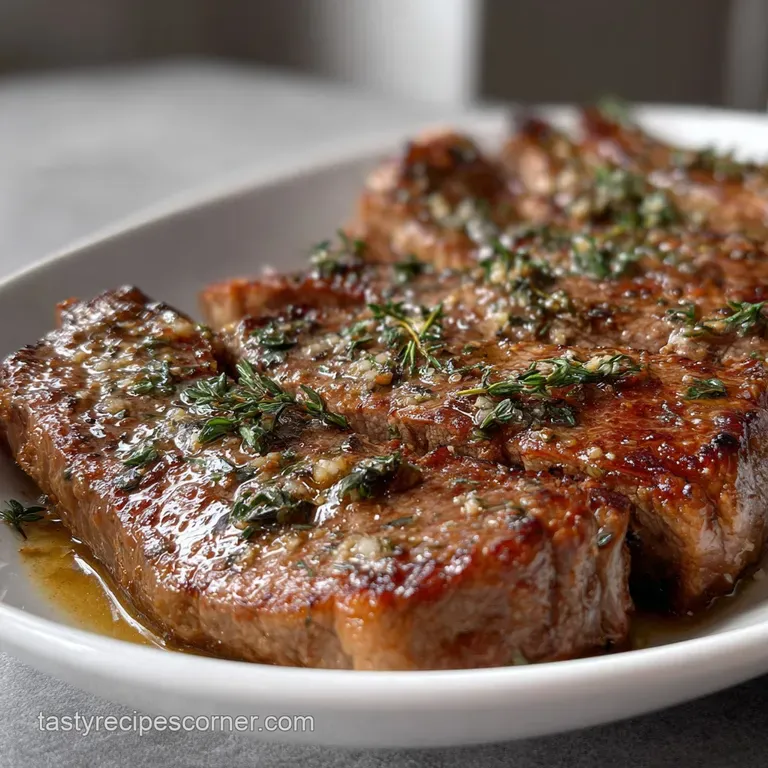
This is the exact method I use every time. If you want to know how to cook sirloin steak perfectly, stick to these steps and timings.
Phase 1: Preparing and Seasoning the Steak (Crucial Dry Prep)
First, pat your two Sirloin Steaks completely dry with paper towels. You want them desert level dry. Season them heavily with coarse kosher salt I mean, really cover them.
Then, place them on a wire rack over a tray and chill for at least 30 minutes, or even four hours. This is your dry brine, and it's essential. Before you cook, take them out 40 minutes ahead to reach room temp, and pat them dry one last time .
Then hit them with the black pepper.
Phase 2: Achieving the Initial Crust (Searing Technique)
Get that heavy bottomed skillet screaming hot over high heat. Add the over high heat oil. The oil should be shimmering, just moments away from smoking. Carefully lay the Sirloin Steak into the pan away from you. Listen to that immediate, aggressive sizzle!
Do not touch, move, or peek at the steak for 2 to 3 full minutes. You are building the foundation of flavor. Flip the steak with tongs and sear the second side for another 2 minutes.
Phase 3: The Garlic Thyme Butter Basting Process
Now, reduce the heat to medium low instantly. Add the butter cubes, the smashed garlic, and the thyme sprigs. As the butter melts, it should foam beautifully, turning golden brown. Tilt the pan gently toward you so the melted butter pools on one side.
Using a large spoon, continuously scoop the aromatic foam and pour it generously over the top of the Sirloin Steak . Keep basting for 60 to 90 seconds, turning the steak every 30 seconds to ensure even cooking and coating.
Chef’s Note: Use the instant read thermometer now. Insert it horizontally into the thickest part of the meat, aiming for 130°F (54°C) if you want that perfect medium rare center.
I usually pull my Sirloin Steak at 130°F, knowing it will rise 5 degrees while resting.
The Essential Final Step: The Art of Resting Steak
As soon as the steak hits your target temperature, yank it out of the pan. Place the cooked Sirloin Steak back on the wire rack. Pour all the leftover basting butter over the steak this is non-negotiable flavor gold!
Now, you must wait 8 to 10 minutes. Seriously, don't touch the knife. I once cut into a perfectly seared steak five minutes early, and all the precious juices ran out. Learn from my mistake! This rest locks in the moisture and makes every bite tender.
Expert Tips and Troubleshooting for Pan-Seared Results
If you follow the outline, you’ll nail this Sirloin Steak recipe , but these Sirloin steak tips will help you anticipate problems.
Temperature Guide: Internal Doneness Levels (Rare to Well)
Always rely on a thermometer, not guesswork. This is the difference between good results and repeatable, predictable excellence. Remember to remove the meat 5°F below the final target, as carry over cooking will do the rest of the work.
| Doneness | Target Temperature (Remove 5°F lower) |
|---|---|
| Rare | 125°F (52°C) |
| Medium Rare (Recommended) | 135°F (57°C) |
| Medium | 145°F (63°C) |
| Medium Well | 150°F (66°C) |
Avoiding the Pitfall of an Overcrowded Pan
If you try to squeeze four Sirloin Steaks into a small pan, you drop the temperature too fast. This causes the steaks to steam instead of sear, and you get no crust. If you are cooking more than two steaks, use two separate pans or sear in batches.
How to Correctly Slice Sirloin Against the Grain
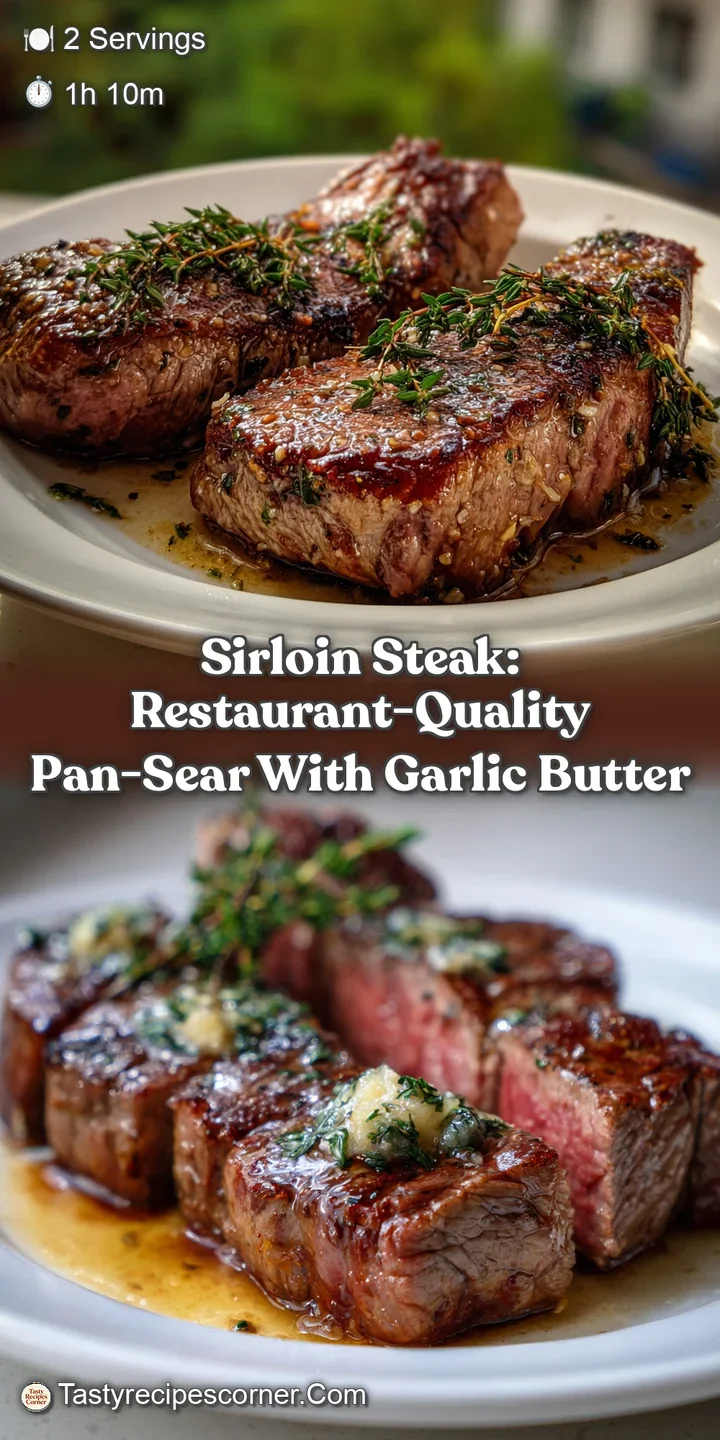
Once your beautifully rested Sirloin Steak is ready, you need to slice it correctly to maximize tenderness. Look closely at the meat surface; you’ll see the long parallel lines of the muscle fibers that is the grain. You must slice perpendicular (against) those lines.
This shortens the fibers, making the chewing experience incredibly easy.
Practical Guide: Storing, Reheating, and Meal Prep
Storing Leftover Pan-Seared Steak (Safety Guidelines)
If you happen to have any leftover Sirloin Steak (a rare phenomenon in my house, honestly), store it in an airtight container in the fridge. Because this is a pan-seared steak that has been finished relatively quickly, it should be consumed within 3 days.
Best Practices for Reheating Steak Without Drying It Out
Reheating steak quickly is the fastest way to turn it into shoe leather. To restore that juicy texture, preheat your oven to a low temperature, around 250°F (120°C). Place the sliced Sirloin Steak on a wire rack and warm it for about 10– 15 minutes until it is warmed through but not actively cooking. Alternatively, slice it cold and toss the meat into another recipe, like my famous Leftover Steak Recipes: Flaky Steak Stilton Pasties .
Can I Freeze Cooked Sirloin Steak?
Yes, you can freeze cooked Sirloin Steak , but the texture will suffer slightly, especially if you sliced it first. Wrap it tightly in plastic wrap, then place it in a freezer bag, squeezing out all the air. It will keep well for up to three months.
Thaw overnight in the fridge, then use the slow oven reheating method above.
Perfect Pairings: What to Serve Alongside Your Sirloin
You've put in the effort to create a masterpiece Sirloin Steak , so don’t serve it with dull sides!
A classic Sirloin Steak deserves a rich complement. I love serving this with creamy mashed potatoes (made with way too much butter) and some wilted garlic spinach. If you want something truly decadent, try a Green Peppercorn Sauce.
The sharp, spicy notes cut through the richness of the garlic thyme butter beautifully.
For those looking for something fast and fun with a beef theme, leftover sliced sirloin is amazing in a quick, elevated sandwich almost like a high end Philly Cheesesteak: The Ultimate Recipe with Creamy Whiz but with fresher herbs. Seriously, there are so many excellent sirloin steak recipes out there once you master this basic searing method! Enjoy your ridiculously good Sirloin Steak dinner.
Recipe FAQs
Why didn't I get a deep, brown crust (Maillard reaction) on my sirloin?
The most common cause is excess moisture on the steak or insufficient pan temperature. Ensure you thoroughly pat the sirloin dry with paper towels before seasoning, and preheat your skillet until the oil is shimmering and almost smoking before adding the steak.
What is the proper internal temperature for a Medium Rare sirloin steak?
A perfect Medium Rare steak is achieved when the internal temperature registers between 130 135°F (54 57°C). Always use an instant read thermometer inserted into the thickest part of the steak, ensuring you avoid bone or thick fat pockets for the most accurate reading.
How long must I rest the steak after cooking, and is it really necessary?
Resting is absolutely mandatory and should last 5 to 10 minutes, depending on the steak's thickness. This critical step allows the contracted muscle fibres to relax and reabsorb the internal juices, ensuring a tender, moist steak rather than one that bleeds flavour onto the cutting board.
My garlic and herbs started burning during the butter baste. What went wrong?
The heat level was likely too high when you introduced the butter and aromatics. Reduce the heat to medium low right before adding the basting ingredients; the butter should foam gently, not sizzle violently, which causes the milk solids, garlic, and herbs to scorch.
Can I prepare the sirloin steak ahead of time?
Yes, you can salt the sirloin steak up to 24 hours in advance and keep it uncovered in the refrigerator. This dry-brining process tenderizes the meat and enhances the beef flavour, but only add black pepper immediately before cooking as it can burn.
Can I use a different cut of beef, like Ribeye or New York Strip, with this method?
Definitely; this pan-searing and basting technique is standard for most premium steak cuts. While cook times will vary slightly based on the fat content and thickness, follow the same method, adjusting only the searing and basting duration to hit the desired internal temperature.
How do I safely store and reheat leftover sirloin steak?
Store leftovers sliced or whole in an airtight container in the refrigerator for up to three days. To reheat, slice the steak thinly and warm gently in a barely oiled skillet over low heat, or use a warm oven, ensuring it is only heated through and not cooked further.
Pan Seared Sirloin Steak Secrets
Ingredients:
Instructions:
Nutrition Facts:
| Calories | 445 kcal |
|---|---|
| Protein | 19.4 g |
| Fat | 38.1 g |
| Carbs | 3.0 g |
