Creamy One Pot Stovetop Mac and Cheese
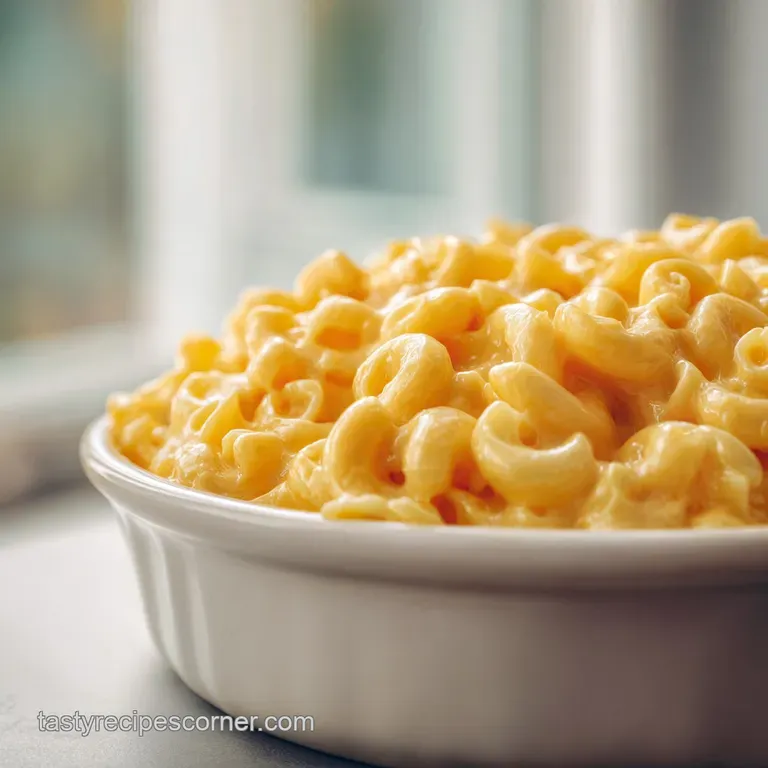
- Time: Active 5 mins, Passive 15 mins, Total 20 mins
- Flavor/Texture Hook: Deeply cheesy and incredibly velvety
- Perfect for: Stressful weeknights and kid friendly soul warming comfort
- Master Starch Techniques for Velvety Mac and Cheese
- Essential Specifications for Your Stovetop Pasta Masterpiece
- Selecting the Best Elements for Flavorful Cheese Sauce
- The Only Tools Needed for a One Pot Meal
- Mastering the Method for Creamy One Pot Success
- Common Hurdles and Quick Fixes for Perfect Sauce
- Creative Ways to Personalize Your Cheesy Pasta Dish
- Guidelines for Storing and Reheating Your Cheesy Leftovers
- Ideal Side Dishes to Serve Alongside This Comfort Meal
- Very High in Sodium
- Recipe FAQs
- 📝 Recipe Card
Master Starch Techniques for Velvety Mac and Cheese
I remember a particularly grey, rainy Tuesday in my Tennessee kitchen when the thought of boiling a massive pot of water and then washing a separate sauce pan felt like an impossible mountain to climb. I had a pound of macaroni and a block of cheddar, but my energy was on empty.
I decided right then to throw the dry pasta directly into a pot with milk and water, holding my breath as it started to bubble. I worried I was creating a gummy mess, but instead, something miraculous happened.
The liquid didn't just cook the pasta; it transformed. As the elbows softened, they released their starch into the milk, creating a natural, silky thickener. By the time I folded in the cheese, I realized I’d accidentally discovered the secret to the most soul warming Mac and Cheese I’d ever tasted.
It wasn't just easier; it was better. The flavor was more concentrated, and every single noodle was saturated with cheese from the inside out.
We've all been taught that you must drain pasta water, but that liquid gold is actually the key to a perfect emulsion. In this recipe, we embrace the starch rather than tossing it down the drain.
This method creates a sauce that clings to the macaroni with a stubborn, velvety grip that traditional methods just can't match. Trust me on this: once you go one pot, you'll never stand over a colander again.
The Magic of Starch Suspension
- Starch Emulsification: Simmering pasta in a limited amount of liquid keeps the starch molecules in the pot, which naturally thickens the sauce without needing a flour based roux.
- Casein Binding: The proteins in the whole milk bind with the starches, creating a stable network that prevents the cheese from breaking into an oily mess.
- Moisture Absorption: Starting with cold water allows the pasta to hydrate slowly, ensuring the center of the noodle is tender while the outside remains structurally sound.
| Feature | Stovetop Method | Oven Baked Method |
|---|---|---|
| Texture | Ultra creamy and glossy sauce | Denser, custard like with crust |
| Total Time | 20 minutes start to finish | 45-60 minutes total |
| Effort Level | Minimal cleanup (one pot) | Multiple pans and baking dish |
When we choose the stovetop, we are prioritizing that silky, immediate gratification that reminds me of the blue box classics but with the quality of a five star kitchen. It's a trade off where you lose the "shatter" of a breadcrumb topping but gain a sauce that is significantly more fluid and luxurious.
Essential Specifications for Your Stovetop Pasta Masterpiece
The success of this dish relies on the ratio of liquid to solid. We are using exactly 1 lb elbow macaroni with 2 cups whole milk and 2 cups cold water. This might seem like too little liquid at first, but as the pasta absorbs the moisture, the sauce will tighten up perfectly.
If you use a different pasta shape, like penne or cavatappi, you might need an extra splash of milk at the end, but elbows are the gold standard for a reason they have the perfect surface area for this specific science.
| Component | Science Role | Pro Secret |
|---|---|---|
| Elbow Macaroni | Starch Provider | Use standard semolina pasta, not "quick cook" versions. |
| Whole Milk | Fat and Protein Base | Cold milk prevents the starch from clumping too early. |
| Sharp Cheddar | Flavor and Body | Always grate from a block to ensure a smooth melt. |
| Ground Mustard | Emulsification Aide | The lecithin in mustard helps keep the oil and water bonded. |
The cubed butter is added at the very end. This technique, known in French cooking as monter au beurre, adds a final layer of gloss and a rich mouthfeel that makes the sauce feel professional. It’s the difference between a good meal and one that makes everyone at the table go silent after the first bite.
Selecting the Best Elements for Flavorful Cheese Sauce
- 1 lb elbow macaroni: The vessel for our sauce. Why this? The hollow center traps the cheese sauce for maximum flavor delivery.
- Substitute: Cavatappi or shells. (These also hold sauce well but may require 2-3 extra minutes of simmering).
- 2 cups whole milk: Provides the fat needed for creaminess. Why this? Lower fat milks will result in a thinner, less soul warming sauce.
- Substitute: 2% milk. (Note: The sauce will be slightly less velvety and may require a bit more cheese to thicken).
- 2 cups cold water: Necessary to cook the pasta without making the milk too thick too fast.
- Substitute: Chicken broth. (Adds a savory depth, but be careful with the salt levels).
- 3 cups sharp cheddar cheese: The main flavor driver. Why this? Sharp cheddar provides the necessary acid to cut through the heavy creaminess.
- Substitute: Extra sharp white cheddar. (Gives a more sophisticated, tangy profile).
- 1 cup Monterey Jack cheese: For the ultimate melt. Why this? It has a high moisture content and a low melting point, preventing graininess.
- Substitute: Gouda or Havarti. (Both offer incredible meltability and a buttery finish).
- 4 tbsp unsalted butter: Added for a glossy finish.
- Substitute: Salted butter. (Just reduce the added sea salt by half).
- Spices (Garlic powder, smoked paprika, mustard, pepper): The flavor layers.
- Substitute: A dash of hot sauce instead of paprika for a vinegar based kick.
Using a Super Rich Lobster recipe as inspiration can show you how to take these base elements and make them even more decadent for special occasions, but for a standard night, this blend of cheddar and jack is unbeatable.
The Only Tools Needed for a One Pot Meal
You don't need a pantry full of gadgets for this. A heavy bottomed pot is your best friend here. I prefer a Dutch oven because the thick walls distribute heat evenly, which prevents the milk from scorching on the bottom.
If you use a thin stainless steel pot, you'll need to stir more frequently to keep the pasta from sticking.
A sturdy silicone spatula is better than a whisk for the first stage. You want to be able to scrape the bottom and corners of the pot to ensure no starch gets burnt. Once you add the cheese, a large wooden spoon works wonders for folding everything together without breaking the delicate cooked noodles.
Finally, a box grater is non negotiable. Don't even look at the bags of pre shredded cheese; they are coated in potato starch or cellulose which will make your sauce feel like sandpaper.
Mastering the Method for Creamy One Pot Success
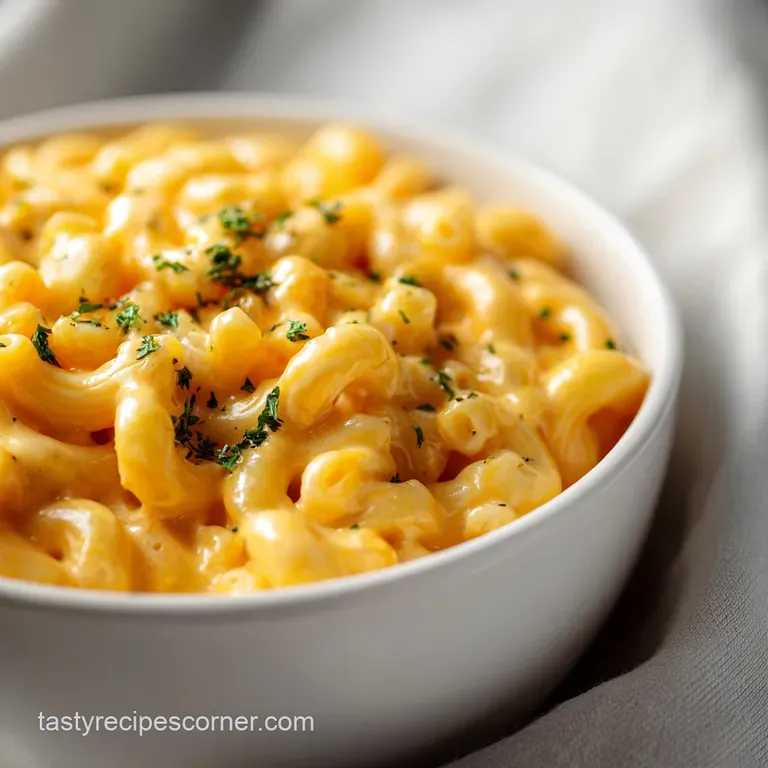
Phase 1: The Controlled Simmer
- Combine ingredients. Place 1 lb elbow macaroni, 2 cups whole milk, 2 cups cold water, and 1 tsp sea salt into your pot. Note: Starting with cold liquids ensures the pasta doesn't stick together immediately.
- Bring to a simmer. Turn the heat to medium high until the liquid begins to bubble around the edges.
- Adjust the heat. Lower the flame to medium low to maintain a gentle bubble. Note: Too much heat will curdle the milk and evaporate the liquid before the pasta is cooked.
- Stir frequently. Cook for about 8-10 minutes until the pasta is tender and most liquid is absorbed. It should look like a thick, starchy slurry at the bottom.
Phase 2: The Emulsion
- Add the spices. Stir in 1/2 tsp garlic powder, 1/2 tsp smoked paprika, 1/4 tsp ground mustard, and 1/4 tsp black pepper.
- Incorporate butter. Toss in the 4 tbsp cubed butter until it is fully melted and the sauce looks shiny.
- Remove from heat. This is the most important step. Take the pot off the burner entirely. Note: Excess heat after adding cheese is the number one cause of a broken, oily sauce.
Phase 3: The Cheese Fold
- Add cheese in batches. Stir in the 3 cups sharp cheddar and 1 cup Monterey Jack one handful at a time.
- Stir gently. Continue stirring until the cheese is completely melted and the sauce is perfectly smooth.
- Rest briefly. Let it sit for 2 minutes until the sauce thickens and clings to the noodles.
Chef's Tip: If the sauce looks too thick after the cheese is added, stir in a tablespoon of warm milk at a time until you reach your desired consistency. The residual heat will continue to thicken the dish as it sits.
Common Hurdles and Quick Fixes for Perfect Sauce
Understanding Starch Rich Pasta Water
Many people panic when they see the bubbling, slightly grey liquid in the pot halfway through cooking. This is not a mistake! That is the starch being pulled from the pasta. If you find the liquid is disappearing too fast before the noodles are soft, simply add another quarter cup of water.
You want the noodles to be submerged about halfway throughout the process to ensure even cooking.
The Secret Off Heat Technique
If your cheese sauce ever looks "broken" or oily, it’s usually because the heat was too high. Cheese is an emulsion of fat and water held together by protein. When you hit it with high heat, the protein tightens up and squeezes out the fat.
By taking the pot off the stove before adding the cheese, you use the residual heat of the pasta to melt the cheese gently, keeping that emulsion intact.
Benefits of Blending Cheeses
Using only sharp cheddar can sometimes lead to a slightly grainy texture because cheddar doesn't melt quite as smoothly as other varieties. By mixing in Monterey Jack, you’re adding a "bridge" cheese that helps the cheddar stay suspended in the sauce. It acts as a lubricant for the sharper, more flavorful cheese.
| Problem | Root Cause | Solution |
|---|---|---|
| Gritty or grainy sauce | Pre shredded cheese or too much heat | Use block cheese and melt off the heat. |
| Pasta is crunchy | Not enough liquid or heat too high | Add 1/4 cup water and cover with a lid for 2 mins. |
| Sauce is thin/soupy | Too much liquid left before adding cheese | Simmer for 2 more mins before adding cheese. |
Common Mistakes Checklist:
- ✓ Never rinse the pasta before or after cooking; you need every bit of that starch.
- ✓ Shred your own cheese; the anti clumping agents in bags ruin the texture.
- ✓ Don't walk away from the pot; milk based liquids can boil over in seconds.
- ✓ Use whole milk; lower fat options won't provide the same creamy mouthfeel.
- ✓ Cube your butter so it melts quickly and evenly into the sauce.
Creative Ways to Personalize Your Cheesy Pasta Dish
If you're cooking for a smaller crowd, you can easily cut this recipe in half. Just use a smaller pot and reduce the cooking time by about 20%. For those looking to scale up for a potluck, doubling the recipe works well, but you'll need to be extra diligent about stirring.
When doubling, I suggest using only 1.5x the spices initially and tasting at the end; spices can sometimes become overwhelming when scaled linearly.
Spicy Buffalo Style Ideas
To give this a kick, stir in two tablespoons of Buffalo wing sauce and top with blue cheese crumbles. The vinegar in the wing sauce actually helps brighten the heavy fats of the cheddar. You can even add some shredded rotisserie chicken to make it a full meal.
This is a favorite in our house during football season when we need something hearty and comforting.
Plant Based Modification Ideas
While this recipe is built on dairy, you can adapt it. Use a high fat oat milk and a vegan cheese brand that is specifically designed for melting (look for those containing coconut oil). You may need to add a teaspoon of cornstarch to the cold oat milk to mimic the protein structure of cow's milk.
The flavor will be different, but the one pot method still works effectively.
If you are looking for other creamy options, our High Protein Cottage recipe uses similar principles of blending dairy for a rich, satisfying finish.
Guidelines for Storing and Reheating Your Cheesy Leftovers
Storage: This Mac and Cheese will keep in the fridge for up to 4 days. Store it in an airtight container as soon as it reaches room temperature. Because the pasta will continue to absorb moisture as it sits, it will be much thicker the next day.
Freezing: You can freeze this for up to 2 months. I recommend freezing it in individual portions. To reheat from frozen, let it thaw in the fridge overnight.
Reheating: Never use the microwave on high power, or the cheese sauce will break. Instead, put the leftovers in a small saucepan with a splash of milk. Heat over low, stirring gently, until the sauce becomes creamy again.
This "waking up" of the sauce with fresh milk is the only way to restore that original velvety texture.
Zero Waste Tip: If you have leftover cheese ends that are too small to grate, throw them into a freezer bag. Once you have a cup's worth, chop them finely and use them for your next batch.
Also, don't toss the slightly overcooked noodles if you make a mistake; they can be pressed into a pan, chilled, sliced, and fried into "Mac and Cheese fries."
Ideal Side Dishes to Serve Alongside This Comfort Meal
This dish is heavy, so it needs something bright or acidic to balance the plate. A simple green salad with a sharp lemon vinaigrette is my go to. The acidity of the lemon cuts right through the richness of the Monterey Jack and cheddar, refreshing your palate between bites.
If you want to keep with the soul warming theme, a side of roasted broccoli or Brussels sprouts with a bit of charred edge provides a great textural contrast. The slight bitterness of the charred vegetables works beautifully with the creamy sauce. For a fun lunch pairing, you might even consider a Hawaiian Mac Salad Recipe if you’re hosting a barbecue and want to offer two very different expressions of pasta salad.
Debunking Kitchen Myths
- Myth: You must salt the water like the sea. Truth: Since we aren't draining the water, use less salt than usual (1 tsp for this recipe). All the salt stays in the pot, so over salting at the start will make the final dish inedible.
- Myth: Oil in the water prevents sticking. Truth: Oil just prevents the sauce from sticking to the pasta. Constant stirring and starting with cold water are much more effective at preventing clumps.
- Myth: High heat melts cheese faster. Truth: High heat actually causes the cheese to seize and become stringy or oily. Gentleness is the key to a smooth sauce.
This one pot Mac and Cheese is more than just a shortcut; it's a better way to cook. It respects the ingredients and uses the natural science of the kitchen to create something truly special. Next time the rain is hitting the windows and you need a hug in food form, grab one pot and let the starch do the work for you.

Very High in Sodium
1330 mg mg of sodium per serving (58% of daily value)
The American Heart Association recommends limiting sodium intake to no more than 2,300mg per day for most adults. High sodium intake can increase blood pressure and the risk of heart disease.
Tips to Reduce Sodium in Your Mac and Cheese
-
Low-Sodium Cheese-20%
Substitute regular cheddar and Monterey Jack cheese with low-sodium or reduced sodium versions. This simple swap can significantly cut down on the sodium content, as cheese is a major contributor. Aim for cheeses with less than 100mg sodium per serving.
-
Reduce Added Salt-25%
Eliminate the 1 tsp of sea salt entirely. The cheese already contains sodium, and other spices will compensate for the flavor. Taste and add a tiny pinch if absolutely needed, but start without it.
-
Unsalted Butter-5%
Make sure you are using unsalted butter. Using salted butter would unnecessarily increase the amount of sodium in the recipe. Most recipes account for the salt, so stick with unsalted.
-
Spice It Up!
Enhance flavor with sodium free spices and herbs like onion powder, fresh parsley, or a pinch of cayenne pepper. Experiment with different flavors to create a more complex and satisfying dish without relying on salt.
Recipe FAQs
Can I substitute the whole milk with low-fat milk without ruining the texture?
No, it is not recommended. low-fat milk lacks the necessary fat content to create the rich, velvety mouthfeel this one-pot method requires; you will likely end up with a thinner, less emulsified sauce.
How to avoid grainy cheese sauce in Mac and Cheese?
Remove the pot from the heat entirely before adding the cheese. High, direct heat causes the proteins in the cheese to seize and squeeze out the fat, resulting in an oily, grainy texture.
How to thicken the sauce if it seems too thin after adding the cheese?
Stir in a tablespoon of warm milk or reserved pasta water at a time. The sauce will continue to tighten as it rests off the heat; if it remains too loose after 5 minutes, slowly incorporate more liquid until the desired cling is achieved.
Is it true that you should never rinse pasta, even when making a cheesy sauce?
Yes, this is crucial for this recipe. You must leave the surface starch on the macaroni because it is essential for thickening the milk and water into a stable, glossy sauce base.
How to substitute the cheese blend for a sharp, tangy flavor profile?
Replace the sharp cheddar and Monterey Jack with an equal volume of extra sharp white cheddar and Gruyère. The combination provides great flavor depth and superior meltability, similar to the principles we use for a well balanced base in our Traditional Dutch Oven Shepherd's Pie: Hearty Comfort Dinner.
How to ensure the pasta is cooked perfectly without making the sauce evaporate?
Maintain a gentle simmer, not a rolling boil, after the initial heat up. Stir frequently, especially near the bottom, and if the liquid level drops too low before the pasta is tender, add a splash of cold water.
What is the best way to reheat leftover Mac and Cheese without breaking the sauce?
Reheat gently on the stovetop with a splash of fresh milk added. Never use high microwave power; use low heat and stir constantly to reincorporate the moisture back into the solidified cheese emulsion.
One Pot Stovetop Mac

Ingredients:
Instructions:
Nutrition Facts:
| Calories | 1045 kcal |
|---|---|
| Protein | 47 g |
| Fat | 54 g |
| Carbs | 92 g |
| Fiber | 4 g |
| Sugar | 7 g |
| Sodium | 1330 mg |
