Omelette Recipe: Silky & Molten
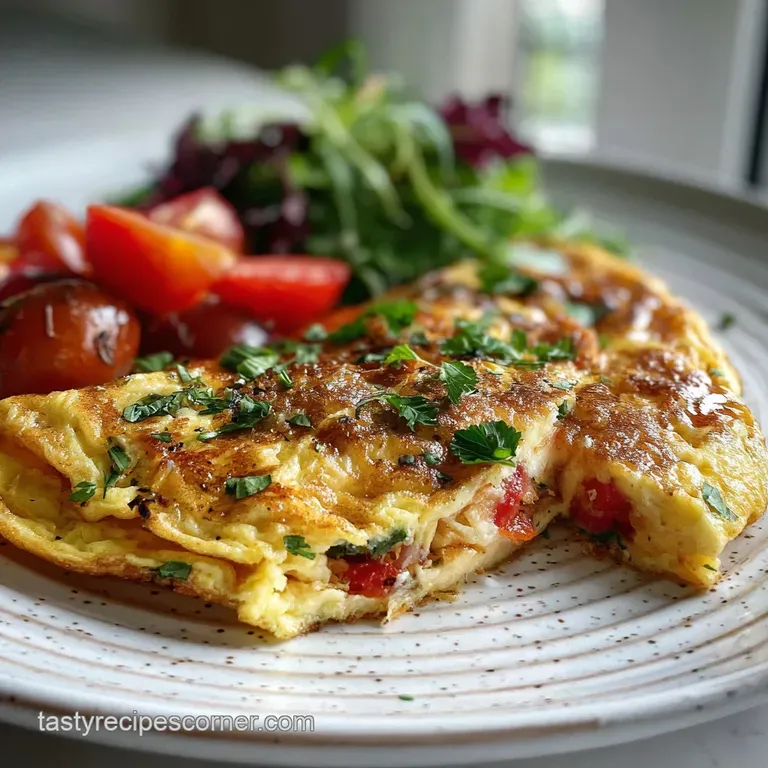
- Time: Active 2 mins, Passive 3 mins, Total 5 mins
- Flavor/Texture Hook: Silky, buttery curds with a nutty Gruyère finish
- Perfect for: High energy mornings when you need a protein heavy win fast
- Why This Simple Omelette Recipe Works For Every Busy Morning
- Essential Metrics for Achieving a Flawless Five Minute Breakfast
- An Ingredient Deep Dive into Silky Textures and Rich Flavors
- Minimal Equipment Needed for Professional Results in Your Own Kitchen
- From Prep to Plate with These Easy Step by Step Instructions
- Solving Common Kitchen Blunders to Save Your Morning Meal
- Make it Your Own with These Creative Flavor Variations
- Keeping it Fresh with Proper Storage and Reheating Guidelines
- Perfect Complements to Round Out Your Nutritious Morning Routine
- Recipe FAQs
- 📝 Recipe Card
Why This Simple Omelette Recipe Works For Every Busy Morning
The magic of this 3 egg wonder isn't in some expensive gadget or a secret ingredient from a hidden valley. It’s pure thermodynamics. We're essentially creating a "thermal envelope." By keeping the eggs moving constantly at the start, we create thousands of tiny curds instead of one big, tough sheet of protein.
This results in a texture that feels more like a cloud and less like a sponge.
- Kinetic Agitation: Stirring the eggs rapidly in the first 30 seconds breaks up protein bonds before they can form a tough, rubbery lattice.
- Residual Heat Mastery: We pull the pan off the burner while the top still looks "wet," allowing the internal temperature to finish the job without overcooking the exterior.
- Fat Emulsification: The 1 tsp heavy cream provides just enough extra fat to coat the egg proteins, making them slide past each other for a more supple bite.
- Moisture Suspension: Using 1 tbsp unsalted butter creates a steam barrier between the egg and the pan, ensuring the bottom stays tender rather than browning.
Chef's Tip: Use a cold pan test. If a drop of water flicked onto the pan bounces and "dances" across the surface, your pan is actually too hot. You want the butter to foam but not turn brown instantly.
If you are looking for a more substantial side to serve with this, you might want to try my Buttermilk Biscuits Recipe which adds a flaky, salty crunch to the meal.
| Method | Time | Texture | Best For |
|---|---|---|---|
| over High heat French | 2 minutes | Smooth, pale, custardy | Pure egg purists |
| over Medium heat American | 5 minutes | Golden, fluffy, structural | Heavy fillings/veggies |
| over Low heat Slow Fold | 8 minutes | Ultra creamy, dense | Lazy weekend mornings |
Choosing your method depends on how much coffee you've had. On a Tuesday, I'm a over High heat French fan all the way. It’s speedy, efficient, and gets me out the door with a smile.
Essential Metrics for Achieving a Flawless Five Minute Breakfast
When you're working with something as delicate as eggs, numbers actually matter. We aren't just "winging it" here. To get that silky result every single time, I keep these three checkpoints in mind.
First, your eggs should be at room temperature if possible; cold eggs can drop the pan temp too fast and lead to sticking. Second, the pan size is non negotiable. An 8 inch non stick skillet is the sweet spot for a 3 egg portion.
Any larger and the eggs spread too thin; any smaller and they become a thick, unmanageable cake.
Third, the visual cues are your best friend. You are looking for "agitated curds" that look like soft set scrambled eggs before you even think about adding the cheese. If you let it set into a solid disc before stirring, you’ve lost the battle for creaminess.
Trust your eyes more than your timer, though the 3 minute cook time is a very reliable baseline for most stovetops.
| Component | Science Role | Pro Secret |
|---|---|---|
| 3 Large Eggs | Structural Base | Whisk until no "slimy" strands of white remain for total homogeneity |
| 1 tbsp Unsalted Butter | Lubrication & Steam | Use "cold" butter to slow down the initial temp spike |
| 1 tsp Heavy Cream | Fat Buffer | Prevents the proteins from "tightening" too much during the sear |
An Ingredient Deep Dive into Silky Textures and Rich Flavors
Let's talk about what's going into your bowl. You need 3 large eggs, and honestly, the fresher the better. Fresh eggs have stronger proteins that hold air more effectively. I always add 0.25 tsp fine sea salt and a pinch of white pepper right before they hit the pan.
Why white pepper? It blends in perfectly without those little black specks, keeping the look clean and professional.
Then there’s the 1 tsp heavy cream. Don't skip this. It acts as a lubricant for the egg proteins. For the filling, 2 tbsp shredded Gruyère cheese is my gold standard. It melts beautifully and brings a nutty, sophisticated saltiness that plain cheddar just can't match.
Finally, 1 tsp minced chives added at the very end provides a hit of bright green color and a mild onion "zing" that cuts through the richness of the butter.
Quick Substitutions for the Busy Cook
| Original Ingredient | Substitute | Why It Works |
|---|---|---|
| Gruyère Cheese | Sharp White Cheddar | High fat content and similar meltability. Note: Slightly more oily. |
| Heavy Cream | Full fat Greek Yogurt | Adds a slight tang while providing the necessary fat barrier. |
| Fresh Chives | Scallion Greens | Provides the same "allium" bite. Note: Use only the greenest tips. |
If you happen to find yourself with extra eggs at the end of the week, don't let them go to waste. My Egg Salad Sandwich recipe is a fantastic way to prep a quick lunch using the same high-quality ingredients.
Minimal Equipment Needed for Professional Results in Your Own Kitchen
You don't need a pantry full of gadgets to pull this off. In fact, a cluttered workspace is the enemy of a speedy morning. All you really need is an 8 inch non stick skillet (the coating must be in good shape, or you’ll be scraping eggs off for an hour) and a silicone spatula.
I prefer a "fish spatula" or a very thin, flexible silicone one that can get right under the edge of the eggs without tearing the delicate skin.
A small glass bowl for whisking and a standard dinner fork are better than a balloon whisk here. A whisk incorporates too much air, which leads to a "soufflé" effect. We want a dense, creamy omelette, not a sponge. Finally, have your warmed plate ready.
Eggs wait for no one, and a cold plate will suck the heat right out of your hard work.
From Prep to Plate with These Easy step-by-step Instructions
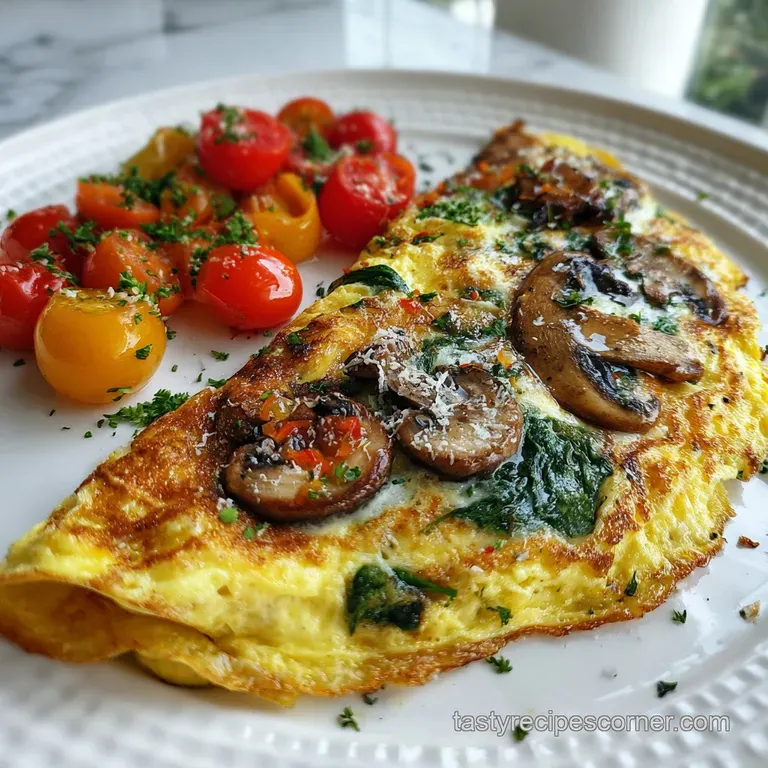
- Whisk the eggs. Combine the 3 large eggs, salt, white pepper, and 1 tsp heavy cream in your bowl. Note: Use a fork to beat them for about 45 seconds until the mixture is uniform and pale.
- Heat the pan. Place your 8 inch skillet over medium high heat.
- Add the butter. Toss in the 1 tbsp unsalted butter and swirl it until it foams and the bubbling subsides.
- Pour and stir. Add the egg mixture and immediately begin stirring with your spatula in a circular motion while shaking the pan.
- Create the curds. Continue stirring for about 30-45 seconds until the eggs look like very wet, loose scrambled eggs.
- Smooth and set. Use the spatula to smooth the eggs into an even layer across the bottom of the pan.
- Add the cheese. Sprinkle the 2 tbsp shredded Gruyère across the center third of the eggs.
- The first fold. Slide the spatula under one side and fold it over the center until the cheese is partially covered.
- The final roll. Tilt the pan and use the spatula to roll the omelette onto the plate, seam side down.
- Garnish and serve. Sprinkle with 1 tsp minced chives until the green pops against the yellow.
Solving Common Kitchen Blunders to Save Your Morning Meal
Even the pros have "off" mornings. Maybe the phone rang, or you got distracted by the sunrise. The most common issue I see is the "rubbery" texture. This almost always comes from leaving the eggs on the heat too long. Remember, eggs are about 75% water; once that water evaporates, you're left with dry, tough protein.
Why Your Omelette is Rubbery
When eggs are exposed to high heat for too long, the protein molecules (mostly ovalbumin) coagulate so tightly that they squeeze out all the moisture. This process, called syneresis, turns a silky breakfast into something resembling a pencil eraser.
To fix this, always err on the side of "undercooked" when the eggs are still in the pan.
| Problem | Root Cause | Solution |
|---|---|---|
| Browned Bottom | Pan was too hot or too little butter | Reduce heat to medium and use the full 1 tbsp of butter. |
| Omelette Tearing | Sticking to the pan or folding too early | Check your non stick coating and wait for the "skin" to set. |
| Liquid Seeping | Undercooked center or watery fillings | Let the omelette sit for 30 seconds on the warm plate before cutting. |
Common Mistakes Checklist
- ✓ Never add watery veggies (like raw mushrooms) directly to the eggs; sauté them separately first.
- ✓ Don't over whisk the eggs until they are frothy; you want a smooth liquid, not a bubble bath.
- ✓ Avoid using a pan that is scratched; even a tiny nick can cause the eggs to catch and tear.
- ✓ Ensure your butter is "foaming" but not "browning" before the eggs hit the surface.
- ✓ Resist the urge to walk away; this recipe requires your full attention for all 180 seconds.
Make it Your Own with These Creative Flavor Variations
Once you’ve mastered the base technique, the world is your oyster. Or your mushroom. Or your bell pepper. I love a good garden veggie variation. Just remember: any filling you add must be pre cooked and warm. Cold fillings will prevent the cheese from melting and leave you with a lukewarm center.
- If you want a Mediterranean vibe, do a mix of feta, sun dried tomatoes, and spinach.
- If you want a savory kick, go with sautéed shallots and a dollop of goat cheese.
- If you want a classic diner feel, use sharp cheddar and some diced ham.
Making an omelette recipe for dinner? Add a side of roasted potatoes or a light arugula salad with lemon dressing. It turns a "speedy breakfast" into a sophisticated, low effort meal that feels way more expensive than it actually is.
Keeping it Fresh with Proper Storage and Reheating Guidelines
Let’s be real: omelettes are best eaten the second they hit the plate. However, life happens. If you find yourself with leftovers, you can store them in an airtight container in the fridge for up to 2 days.
I don't recommend freezing them; the texture of the eggs changes significantly and becomes "weepy" upon thawing.
When it comes to reheating, the microwave is your enemy. It will turn your silky eggs into rubber in seconds. Instead, place the omelette in a cold pan with a teaspoon of water, cover it with a lid, and heat it over low for 2-3 minutes.
The steam will gently revive the eggs and remelt the Gruyère without toughening the exterior. For the zero waste enthusiasts, chop up leftover omelette and toss it into a fried rice dish the next night!
Perfect Complements to Round Out Your Nutritious Morning Routine
I'm a firm believer that an omelette is only as good as its neighbors on the plate. If I have an extra ten minutes, I’ll whip up some crispy hash browns or thick cut bacon. But on those really speedy mornings, a simple piece of toasted sourdough with a thick swipe of salted butter is all you need.
For a Southern inspired twist, you could even serve this alongside a bowl of slow cooked legumes. My Crock Pot Black recipe offers a smoky, earthy contrast to the rich, buttery eggs.
The Myth of the over High heat Sear
Many people think you need a screaming hot pan to "sear" the eggs. This is a myth. High heat actually causes the proteins to seize up instantly, leading to a tough exterior and a raw interior. A steady medium high heat with constant movement is the real secret to that professional "baveuse" (moist) center.
The Milk vs. Cream Debate
Adding milk to eggs actually dilutes the flavor and can lead to a watery omelette. The heavy cream we use here is different because it adds fat without as much water. This fat coats the proteins, ensuring they stay tender even if you accidentally leave them on the heat for an extra ten seconds. Trust the cream!

Recipe FAQs
What ingredients go well in an omelette?
Many ingredients work well. Consider cheese (Gruyère, cheddar), pre-cooked meats (ham, bacon), sautéed vegetables (mushrooms, spinach, peppers), and fresh herbs (chives, parsley).
What is the secret to a good omelette?
Control the heat and don't overcook. Whisk eggs just enough, use medium high heat with constant agitation initially, and pull the pan off the heat when the eggs are still slightly wet on top; residual heat will finish cooking. If you enjoyed mastering sensory doneness cues here, apply them to our Cottage Cheese Scrambled Eggs: Silky & Protein Rich for perfect results.
How to make a simple omelette?
Whisk eggs with salt and pepper, then pour into a hot, buttered non-stick skillet. Stir the eggs with a spatula for about 30 seconds until they form loose curds. Smooth the surface, add fillings to one half, and fold the other half over.
Do you add milk or water to an omelette?
No, it's generally not recommended. Milk can dilute the flavor and lead to a watery omelette. A small amount of heavy cream adds fat for tenderness without adding excess moisture.
What is the best type of pan for making an omelette?
A non-stick skillet is essential. An 8 inch size is ideal for a 2-3 egg omelette, ensuring even cooking and easy folding without sticking or tearing.
Should I pre-cook fillings for an omelette?
Yes, always pre-cook fillings. Raw vegetables or meats will release moisture and cool the eggs down, preventing even cooking and proper melting of cheese. Warm fillings ensure a perfectly cooked omelette.
How long should I cook an omelette?
About 2-3 minutes of active cooking. The key is to cook until the eggs are just set, with a slightly wet surface, then allow residual heat to finish the job after folding. Overcooking is the main culprit for a tough omelette.
Omelette Recipe
Ingredients:
Instructions:
Nutrition Facts:
| Calories | 418 kcal |
|---|---|
| Protein | 25.1 g |
| Fat | 34.2 g |
| Carbs | 1.4 g |
| Fiber | 0.1 g |
| Sugar | 1.1 g |
| Sodium | 732 mg |
