Oatmeal Cream Pies: Chewy Spiced Oats
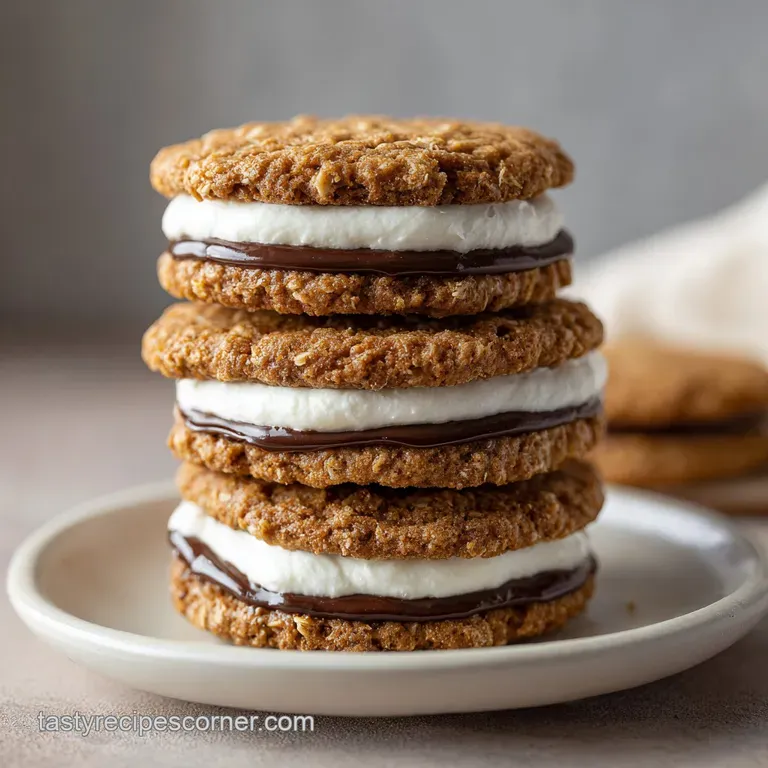
- Time: Active 25 minutes, Passive 10 minutes, Total 35 minutes
- Flavor/Texture Hook: Chewy spiced oats with velvety cream
- Perfect for: Nostalgic gifting or weekend baking
- Mastering Professional Homemade Oatmeal Cream Pies
- Technical Specs for Reliable Baking
- Selecting Essential Quality Ingredients
- Necessary Gear for Uniform Results
- Perfecting the Cookie Assembly Process
- Fixing Texture and Structural Issues
- Inspired Variations and Flavor Shifts
- Preserving Freshness and Texture Integrity
- Elegant Presentation and Serving Ideas
- Recipe FAQs
- 📝 Recipe Card
Mastering Professional Homemade Oatmeal Cream Pies
The kitchen smells like a warm hug when the dark molasses hits the softened butter. It is a scent that immediately transports me back to the elementary school cafeteria, though back then, I was desperately trying to trade my bruised apple for one of those crinkly wrapped, factory made pies.
Those plastic wrapped ones were always a bit too sweet and weirdly oily, but the idea of them was pure magic.
Once I started baking these at home, I realized the secret isn't just in the oats - it's in the moisture. I spent years perfecting a cookie that stays bendy even after it cools. If the cookie snaps, the filling squishes out the sides, and you're left with a mess.
This version stays soft, holding that velvety cream in place for the perfect bite.
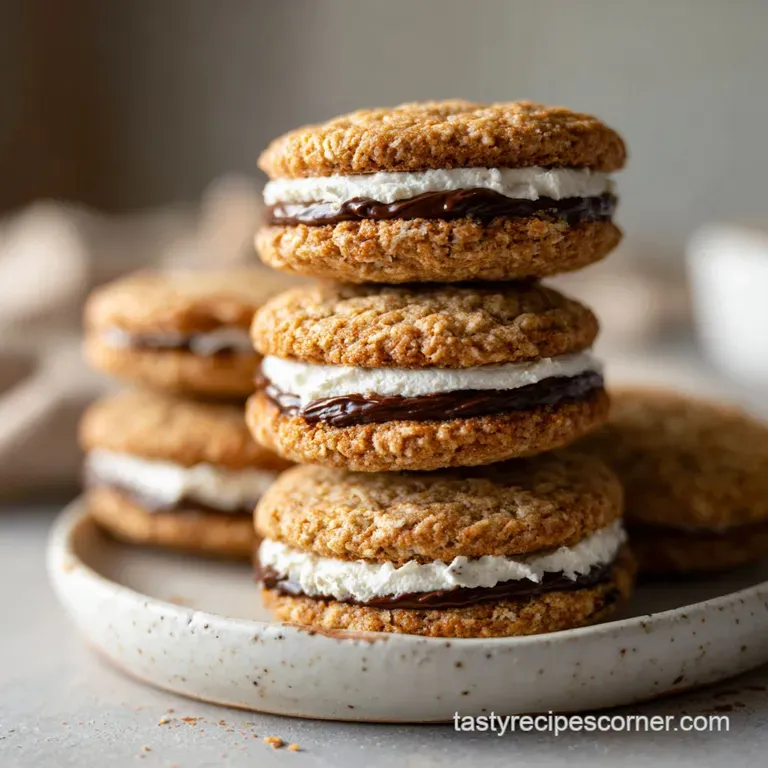
We are going for a texture that is dense and chewy, not cakey or crisp. We want that signature crinkle on top and a middle that feels almost fudgy. Trust me on this, once you peel one of these off the parchment paper and sandwich it with that vanilla bean paste filling, you'll never look at the boxed version the same way again.
The Molasses Moisture Trap
Science
Hygroscopic Action: The high glucose content in dark molasses pulls moisture from the air into the cookie, ensuring a soft, bendy texture. This prevents the starch in the oats from becoming brittle or dry after the bake.
| Method | Time | Texture | Best For |
|---|---|---|---|
| Standard Oven | 10 minutes | Uniformly soft and chewy | Traditional bakery results |
| Stovetop Skillet | 14 minutes | Crispy edges, gooey center | Small batches or "deep dish" pies |
Right then, choosing your method matters because heat distribution changes how the oats hydrate. While the oven is the gold standard for getting that even rise, a heavy skillet can actually create a fascinating contrast if you are only making a couple for a late night craving. If you love the comfort of a handheld fruit dessert, you'll also adore this Apple Pie Pies recipe for your next weekend project.
Technical Specs for Reliable Baking
Before we get our hands messy, we need to talk about the numbers that actually matter. Most people fail because their butter is too warm or their oats are too coarse. We are using quick cooking oats here because they have more surface area to absorb moisture, which leads to that specific "bend" we need.
Chef's Tip: Freeze your butter for exactly 10 minutes before grating it if your kitchen is over 22°C; this prevents the cookies from spreading into one giant pancake.
| Metric | Value | Why It Matters |
|---|---|---|
| Butter Temp | 18°C (65°F) | Ensures proper aeration without melting |
| Bake Time | 10 minutes | Prevents the sugars from hardening into a snap |
| Cooling Time | 15 minutes | Sets the structure so the filling doesn't melt |
One thing I've learned the hard way: do not overbake. When they come out of the oven, they will look slightly underdone and pale in the center. That's exactly what you want. The carryover heat from the baking sheet finishes the job while keeping the center silky.
Selecting Essential Quality Ingredients
The ingredient list is straightforward, but the quality of your molasses and vanilla bean paste determines the "wow" factor. Avoid light molasses; it lacks the acidic punch needed to react with the baking soda for that beautiful crinkle.
- Unsalted Butter (226g + 113g): Use high-quality butter with at least 82% fat content. Why this? Provides the structural fat and flavor base for both cookie and cream.
- Dark Brown Sugar (150g): Essential for the chewy texture and deep caramel notes. Why this? Contains more molasses than light brown sugar, aiding moisture retention.
- Quick Cooking Oats (240g): Do not swap for Old-fashioned or steel cut. Why this? Small pieces integrate better into the dough for a uniform bite.
- Dark Molasses (40g): The secret to the nostalgic flavor and soft crumb. Why this? Provides the acidity needed for the baking soda to lift the dough.
- Vegetable Shortening (95g): Used in the filling for stability. Why this? Keeps the cream from melting at room temperature unlike pure butter.
- Vanilla Bean Paste (1 tsp): Better than extract for the filling. Why this? Adds those gorgeous black specks and a more intense, floral aroma.
| Component | Science Role | Pro Secret |
|---|---|---|
| Baking Soda | Leavening & Browning | Reacts with molasses to create the signature dark, crinkly top |
| Quick Oats | Structural Fiber | Acts like a sponge, soaking up fats to prevent greasy cookies |
| Shortening | Emulsion Stability | Creates a higher melting point in the filling so it stays fluffy |
When you are mixing the cream, ensure your powdered sugar is sifted. I used to skip this step until I realized that tiny lumps of sugar are the enemy of a velvety mouthfeel. If you are looking for another creamy, chilled treat, check out this Lemonade Cream Cheese recipe which uses a similar aeration technique for the filling.
Necessary Gear for Uniform Results
You don't need a professional kitchen, but a few specific tools make this much easier. A cookie scoop is non negotiable if you want your "sandwiches" to actually match up in size.
- Stand Mixer: A KitchenAid with the paddle attachment is best for creaming the butter and sugar without over incorporating air.
- Cookie Scoop (medium): Ensures every cookie is exactly the same weight for even baking.
- Silicone Baking Mats: These provide a bit of insulation from the bottom of the pan, preventing the sugar from burning.
- Fine Mesh Sifter: For the powdered sugar to ensure the filling is as smooth as possible.
Perfecting the Cookie Assembly Process
Creaming and Binding Steps
- Cream the butter. Beat the 226g of butter with both sugars for 3 full minutes until pale and fluffy. Note: This creates the air pockets needed for a light texture.
- Add liquids. Mix in the egg, 40g of molasses, and vanilla extract until fully combined.
- Whisk dry ingredients. In a separate bowl, sift together the 190g of flour, baking soda, salt, and cinnamon.
Dry Integration Techniques
- Combine. Gradually add the flour mixture to the wet ingredients on low speed. Stop as soon as the white streaks disappear.
- Fold in oats. Use a spatula to stir in the 240g of quick oats by hand. Note: Over mixing here will make the cookies tough.
- Scoop and chill. Use your scoop to place dough balls on a tray and chill for 10 minutes.
Precision Baking Cues
- Bake. Place on a parchment lined sheet at 180°C for exactly 10 minutes. Bake until edges are set but centers look soft.
- Cool. Let them sit on the hot pan for 5 minutes before transferring to a wire rack.
Assembly and Filling Tips
- Make filling. Beat the 113g of butter, shortening, sifted powdered sugar, cream, and vanilla bean paste until very white and airy.
- Sandwich. Pipe or spoon the filling onto the flat side of one cooled cookie and press another on top. Press until the filling reaches the very edge.
Fixing Texture and Structural Issues
Crunchy Cookie Solutions
If your cookies come out like crackers, you likely overbaked them or your oven runs hot. Oatmeal cookies continue to firm up as they cool. If you realize they are too hard, place them in a sealed container with a slice of white bread for 4 hours; the cookies will pull the moisture from the bread and soften right up.
Sliding Filling Corrections
A common headache is the filling sliding out when you take a bite. This happens if the filling is too warm or lacks enough structural fat. Make sure your butter and shortening ratio is correct and that you've whipped it long enough to create a stable emulsion.
| Problem | Root Cause | Solution |
|---|---|---|
| Flat Cookies | Butter was too melted | Chill the scooped dough for 20 minutes before baking |
| Filling is Gritty | Sugar wasn't sifted | Always sift powdered sugar through a fine mesh strainer |
| Oats are Crunchy | Used Old-fashioned oats | Pulsing Old-fashioned oats in a blender for 2 seconds fixes this |
Common Mistakes Checklist
- ✓ Using cold eggs (this breaks the butter emulsion)
- ✓ Forgetting to pack the brown sugar (leads to dry cookies)
- ✓ Measuring flour by volume instead of weight (leads to dense, heavy pies)
- ✓ Filling the cookies while they are still slightly warm (melts the cream)
- ✓ Skipping the salt in the filling (the cream will taste cloying)
Inspired Variations and Flavor Shifts
Once you have the classic down, it is fun to play with the flavor profiles. You can change the entire vibe of the Oatmeal Cream Pies by just swapping one or two small components.
Salted Caramel Variations
Add a teaspoon of sea salt and two tablespoons of thick caramel sauce to the cream filling. It cuts through the sweetness beautifully and pairs perfectly with the molasses in the cookie.
Spiced Chai Inspirations
Whisk cardamom, ginger, and ground cloves into your flour mix. This gives the cookies a sophisticated, tea inspired warmth that feels very high end.
gluten-free Adaptations
You can swap the all purpose flour for a 1 to-1 gluten-free flour blend. Just make sure your oats are certified gluten-free, as many are processed in facilities with wheat. The texture stays remarkably similar due to the high moisture from the molasses.
Preserving Freshness and Texture Integrity
These actually taste better on day two! The moisture from the filling seeps into the cookie slightly, making the whole thing one cohesive, soft unit. Store them in an airtight container at room temperature for up to 3 days, or in the fridge for up to a week.
If you want to freeze them, wrap each pie individually in plastic wrap before putting them in a freezer bag. They will stay fresh for 3 months. To eat, just let them thaw on the counter for about 20 minutes.
For zero waste, take any broken cookie pieces or the "dust" at the bottom of the oat bag and fold them into vanilla ice cream for a DIY oatmeal pie swirl.
Elegant Presentation and Serving Ideas
You can serve these as a casual snack, but with a few tweaks, they can look quite sophisticated. The way you plate them changes the perception from "lunchbox snack" to "bakery centerpiece."
| Level | Technique | Visual Effect |
|---|---|---|
| Simple | Stacked on a wooden board | Rustic and approachable |
| Polished | Wrapped in parchment with twine | Artisan gift ready |
| Restaurant | Dusted with cinnamon, served with a milk carafe | High end nostalgic dessert |
For a dinner party, I like to use a smaller cookie scoop to make "mini" pies. They look adorable on a white platter and are much easier for guests to eat in two bites. If you're feeling fancy, dip half of the finished pie in melted dark chocolate and sprinkle with flaky salt.
It adds a bit of bitterness that balances the sweet cream beautifully.
The real magic happens when you hand one of these to a friend who hasn't had an oatmeal pie since they were ten years old. The look on their face when they realize how much better the homemade version is? That is exactly why we bake.
It's about taking those simple childhood memories and giving them a serious upgrade with real butter, good molasses, and a little bit of kitchen science. Enjoy every chewy, velvety bite.
Frequently Asked Questions
Can I use Old-fashioned oats instead of quick cooking oats?
While you can use them, the texture will be significantly different. Old-fashioned oats are larger and heartier, which can make the cookies more rugged and likely to crumble. For that classic, soft, and uniform "Little Debbie" texture, quick cooking oats are the best choice as they integrate smoothly into the dough.
Why is my filling too runny or soft?
This usually happens if your butter was too warm when you started mixing the filling, or if you didn't include the vegetable shortening. Shortening has a higher melting point than butter, which provides the stability needed for the filling to hold its shape at room temperature.
If it's already runny, try chilling it in the fridge for 15 minutes before whipping it again.
Do I really need molasses for this recipe?
Yes, molasses is the "secret ingredient" that provides both the deep, spiced flavor and the soft, bendy texture. Without it, the cookies will taste like standard oatmeal cookies and may become too crisp. The acidity in molasses also reacts with the baking soda to help the cookies rise and crinkle.
Can I make the dough in advance?
Absolutely. You can prepare the dough and keep it in the refrigerator for up to 48 hours before baking. In fact, chilling the dough can help the flavors meld and prevent the cookies from spreading too much in the oven.
Just let the dough sit at room temperature for about 10 minutes before scooping so it's easier to handle.
How do I get perfectly round cookies?
The best way to ensure uniform, round cookies is to use a spring loaded cookie scoop. If they come out of the oven slightly misshapen, you can use a large circular glass or a cookie cutter to gently "scoot" the edges of the hot cookies back into a perfect circle immediately after removing them from the oven.

Recipe FAQs
Do they still sell oatmeal cream pies?
Yes, commercially available versions are widely sold. Brands like Little Debbie maintain high production volumes, but homemade versions offer superior texture due to fresh ingredients like dark molasses.
How much did a carton of Little Debbie oatmeal cream pies cost in 1960?
Exact 1960 pricing is difficult to pinpoint precisely. In that era, packaged snack cakes often cost around ten cents per individual serving, meaning a full box would have been less than a dollar.
Does Nick Saban eat oatmeal cream pies?
There is no publicly confirmed record of Nick Saban’s specific preference for oatmeal cream pies. Athletes generally adhere to strict, high protein diets, making commercially packaged sweets unlikely choices for routine consumption.
How long does it take for oatmeal cream pies to go bad?
Homemade pies are best eaten within 3 days at room temperature. Due to the high moisture and fat content, they can safely last a week if refrigerated in an airtight container, though the cookie may firm up slightly.
Is it true that I must use dark molasses for the cookie dough?
No, this is a common misconception that light molasses can be substituted easily. Dark molasses contains necessary acidity to react with baking soda, creating the signature crinkle and chewy texture you need.
How to make the cream filling stable enough to hold its shape?
Whip the fat base until it is pale and almost doubled in volume. Incorporating vegetable shortening alongside butter raises the melting point, keeping the cream fluffy and preventing it from oozing out of the sandwich.
How to ensure the cookies remain soft and chewy after cooling?
Bake the cookies until the edges are set but the center still looks slightly underdone. The residual heat of the baking sheet will finish the center while preventing the sugars from crystalizing into a hard snap.
Oatmeal Cream Pies Recipe
Ingredients:
Instructions:
Nutrition Facts:
| Calories | 623 calories |
|---|---|
| Protein | 5g |
| Fat | 33g |
| Carbs | 79g |
| Fiber | 2g |
| Sugar | 53g |
| Sodium | 204mg |
