Best New Years Eve Dinner Recipe with Prime Rib
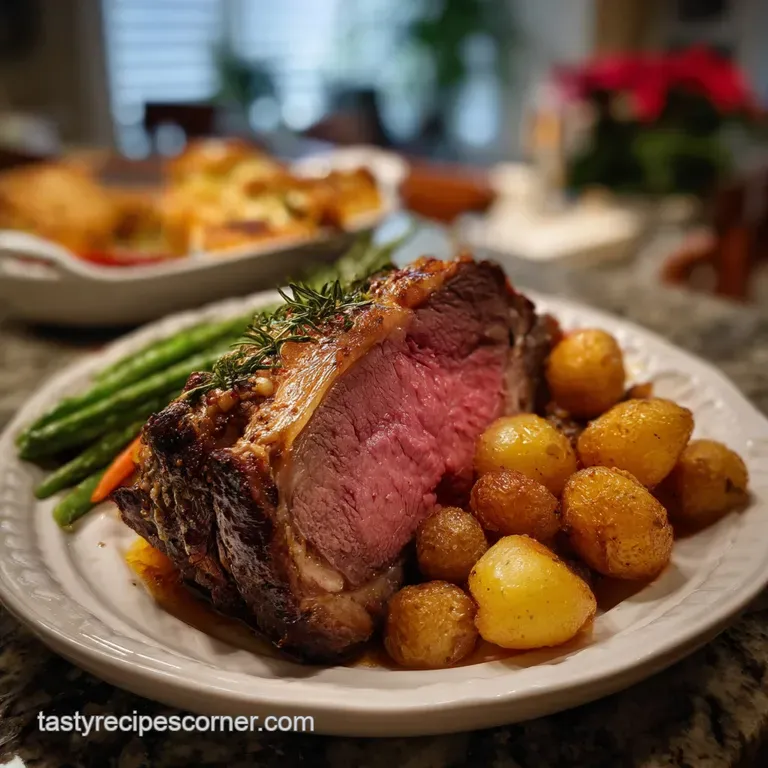
- Time: Active 40 minutes, Passive 26 hours 40 mins, Total 27 hours 20 mins
- Flavor/Texture Hook: Shattering herb crust and velvety, butter tender beef
- Perfect for: A festive New Year's Eve family gathering
- Creating the Best New Years Eve Dinner Recipe with Prime Rib
- Precise Timing for Your Holiday Feast
- Essential Elements for Hearty Soul Warming Beef
- Basic Tools for Your Tennessee Kitchen
- Essential Ingredients and Smart Substitutes
- Forging Layers of Flavor and Texture
- Fixing Common Roasting Disasters Fast
- Variations to Keep the Table Exciting
- Debunking Common Kitchen Tales
- Saving Every Hearty Scraps for Later
- Plating a Festive and Comforting Centerpiece
- Answers for the Curious Home Cook
- Recipe FAQs
- 📝 Recipe Card
Imagine the smell of woodsmoke and fresh rosemary wafting through a cozy Tennessee kitchen while the winter wind howls outside. That first sizzle when the cold beef hits the hot pan is like music to a home cook's ears, isn't it? This recipe guarantees a memorable New Year's Eve dinner featuring a delicious prime rib.
I've spent years figuring out how to get that holiday roast just right without the stress of overcooking a pricey piece of meat. We are talking about a meal that sticks to your ribs and makes the whole family lean back in their chairs with a satisfied sigh.
Honestly, the secret isn't some fancy gadget, it's just patience and a little bit of science.
Right then, let's get into the heart of this feast. We aren't just making dinner, we are creating a centerpiece that feels like a warm hug. Trust me on this, once you try the reverse sear method, you'll never go back to those over high heat recipes that leave you with a gray, chewy ring around the edges.
Creating the Best New Years Eve Dinner Recipe with Prime Rib
To get that soul warming result, we have to understand how heat interacts with the muscle fibers of a 9 lb Bone in Standing Rib Roast. It's about moving slow and steady to keep every ounce of moisture inside the meat where it belongs.
Mechanism: Salt draws moisture out via osmosis, dissolves into a brine, and then re absorbs, seasoning the meat deeply while breaking down tough proteins.
Mechanism: Holding the beef at a low temperature allows endogenous enzymes (calpains and cathepsins) to remain active longer, which naturally tenderizes the meat as it cooks.
Maillard Reaction: Searing at the very end creates hundreds of new flavor compounds on the surface through the interaction of amino acids and reducing sugars.
Carryover Cooking: The internal temperature continues to rise 5-10 degrees after removal from the heat because the outer layers transfer their energy to the cooler center.
1. The Science of the 24 Hour Dry Brine
When you rub 3 tbsp Coarse Kosher Salt over the surface a full day early, you aren't just seasoning the surface. The salt actually changes the structure of the protein strands, allowing them to hold onto more water during the roasting process. This is how we ensure the beef stays velvety rather than dry.
2. The Low Temperature Enzyme Activation
By keeping the oven low, around 225°F, we give the natural enzymes in the beef more time to work. These enzymes are like tiny biological tenderizers that shut down once the meat gets too hot. A slow climb ensures a texture that's soft enough to cut with a butter knife.
3. The 30 Minute Mid Process Rest
Resting isn't just for the end. If you pull the roast out before the final sear, it allows the moisture to redistribute. This prevents all those precious juices from running out onto your carving board when you finally slice into your Years Eve Dinner Recipe with Prime Rib to Ring in the New Year.
Precise Timing for Your Holiday Feast
Managing a big meal requires knowing exactly when things need to happen. This New Years Eve Dinner Recipe with Prime Rib to Ring in the New Year relies on a specific timeline to ensure the beef is resting just as your guests are finishing their appetizers.
| Component | Checkpoint | Sensory Cue |
|---|---|---|
| Dry Brine | 24 hours | Surface looks tacky and dark red |
| Internal Temp | 120°F | Meat feels firm but gives to pressure |
| Final Sear | 8 minutes | Crust is dark brown and crackling |
Chef's Note: I always use a wired probe thermometer like a ThermoWorks Dot. It's the only way to be 100% sure you haven't overshot your mark while you're busy chatting with family.
If you are looking for a lighter start to the evening, this roast pairs beautifully with a fresh New Years Eve recipe featuring figs and cheese.
Essential Elements for Hearty Soul Warming Beef
The quality of your ingredients is the foundation of this meal. In my Tennessee kitchen, I always look for a roast with plenty of marbling, as that fat is where all the soul warming flavor lives.
| Ingredient | Science Role | Pro Secret |
|---|---|---|
| 9 lb Bone in Standing Rib Roast | Structural Fat | Keep the bones on; they act as an insulator for more even cooking. |
| Diamond Crystal Kosher Salt | Protein Denaturation | The large flakes cover more surface area without over salting the interior. |
| Beef Bone Broth | Gelatin Base | Use a high-quality broth for a velvety mouthfeel in the final jus. |
| Dry Red Wine | Acid Balance | Cabernet or Merlot cuts through the heavy fat of the Prime Rib to Ring in the New Year. |
Basic Tools for Your Tennessee Kitchen
You don't need a professional kitchen, but a few heavy duty items make this much easier. I swear by my Lodge Cast Iron Skillet for the final sear because it holds heat like nothing else.
- Roasting Pan: A heavy duty pan that won't warp under the weight of a 9 lb roast.
- Wire Rack: Essential for airflow so the bottom of the meat doesn't steam in its own juices.
- Butcher's Twine: To tie the roast tightly, ensuring it cooks at a uniform rate.
- Chef's Knife: A sharp 8 inch blade like a Wusthof Classic for clean slices.
Essential Ingredients and Smart Substitutes
For the Prime Rib to Ring in the New Year, using fresh herbs is non negotiable for that aromatic crust. However, I know life happens and sometimes the store is out of what you need.
3 Ingredients for the Roast
- 9 lb Bone in Standing Rib Roast: Use a boneless roast if needed. Why this? Bones provide flavor and protect the meat from overcooking.
- 3 tbsp Coarse Kosher Salt: Sea salt works too. Why this? Salt is the primary agent for moisture retention.
- 2 tbsp Coarsely cracked black peppercorns: White pepper for less heat. Why this? Provides a pungent contrast to the rich fat.
5 Ingredients for the Herb Rub
- 4 tbsp Extra Virgin Olive Oil: Avocado oil. Why this? Carries the fat soluble herb flavors into the crust.
- 6 cloves Garlic, minced: 1.5 tsp garlic powder. Why this? Creates a savory, pungent base for the rub.
- 2 tbsp Fresh Rosemary, finely chopped: Dried rosemary (use half). Why this? Essential woodsy aroma for a holiday feel.
- 2 tbsp Fresh Thyme, finely chopped: Dried thyme. Why this? Adds a subtle earthy note to the Prime Rib to Ring in the New Year.
- 1 tsp Smoked Paprika: Sweet paprika. Why this? Adds a hint of "hickory" flavor without a smoker.
4 Ingredients for the Clean Eating Jus
- 2 cups Beef Bone Broth: Vegetable stock. Why this? Provides the liquid volume and deep umami base.
- 0.5 cup Dry Red Wine: 1 tbsp balsamic vinegar plus water. Why this? Acidity brightens the heavy flavors of the beef.
- 2 Shallots, minced: Half a small yellow onion. Why this? Provides a delicate, sweet onion flavor to the sauce.
- 1 sprig Fresh Rosemary: Thyme sprig. Why this? Infuses the final sauce with fresh herbal notes.
| Original Ingredient | Substitute | Why It Works |
|---|---|---|
| Extra Virgin Olive Oil | Ghee | Ghee has a higher smoke point and adds a buttery depth. |
| Beef Bone Broth | Mushroom Broth | Adds intense umami without using animal products for the sauce. |
| Dry Red Wine | Pomegranate Juice | Provides the same acidity and tannin structure without the alcohol. |
Forging Layers of Flavor and Texture
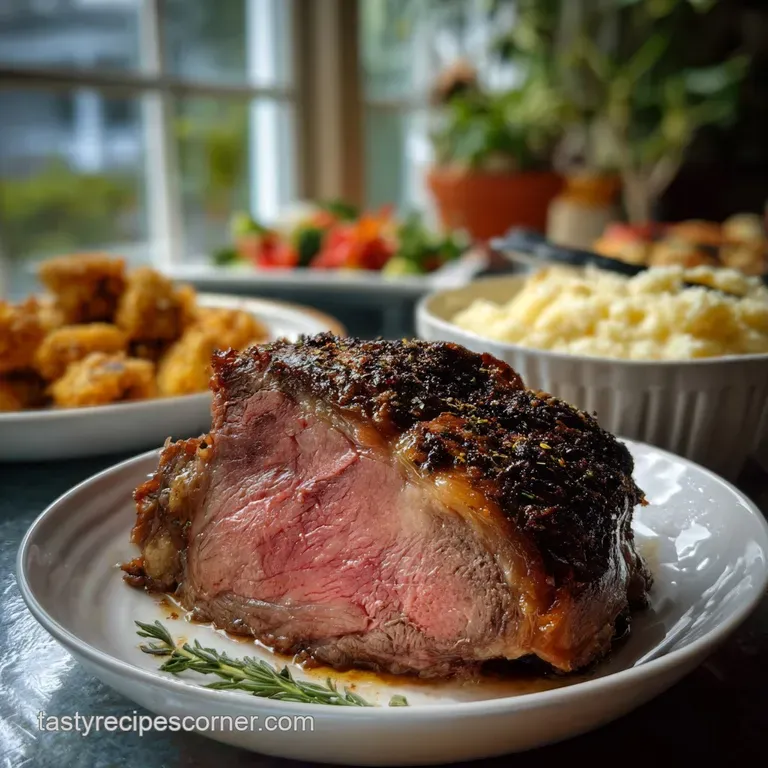
The process for the Years Eve Dinner Recipe with Prime Rib to Ring in the New Year is broken down into stages to build complexity. Don't rush the drying phase, as a wet roast will never get that crispy skin we're looking for.
1. The 24 Hour Preparation
- Pat the 9 lb Bone in Standing Rib Roast completely dry with paper towels. Note: Surface moisture is the enemy of a good crust.
- Rub the 3 tbsp Coarse Kosher Salt and 2 tbsp Coarsely cracked black peppercorns all over the meat.
- Place the roast on a wire rack over a sheet tray and leave it uncovered in the fridge for 24 hours.
2. The Low and Slow Roast
- Whisk together 4 tbsp Extra Virgin Olive Oil, 6 cloves Garlic, 2 tbsp Fresh Rosemary, 2 tbsp Fresh Thyme, and 1 tsp Smoked Paprika in a small bowl.
- Slather the herb paste over the cold roast and let it sit at room temperature for 1 hour before cooking.
- Preheat your oven to 225°F and place the roast inside.
- Cook until the internal temperature reaches 120°F for medium rare. Expect this to take about 3 hours.
3. The Resting Period and Jus
- Remove the roast and tent it loosely with foil for at least 30 minutes. Note: This is the most important step for a juicy result.
- While resting, sauté 2 Shallots in the roasting pan drippings, then deglaze with 0.5 cup Dry Red Wine.
- Add 2 cups Beef Bone Broth and 1 sprig Fresh Rosemary, simmering until reduced by half.
4. The Shattering Crust Finish
- Crank the oven to 500°F or use a heavy cast iron skillet.
- Place the rested roast back in for 6 to 10 minutes until the exterior is dark, sizzling, and crackling.
This method is quite different from a standard Winter Dinner Recipe where you might sear first. By searing last, we ensure the heat doesn't over penetrate the meat.
Fixing Common Roasting Disasters Fast
Even with the Best New Years Eve Dinner Recipe with Prime Rib, things can get tricky. If your oven runs hot or your meat thermometer is acting up, don't panic.
1. Internal Temp Rising Fast
If you notice the temp hitting 110°F after only 2 hours, your oven might be hotter than the dial says. Turn the oven down to 200°F immediately and crack the door for a minute to let out the excess heat.
2. Crust Isn't Browning
Sometimes the herb rub stays a bit pasty. If the 500°F oven isn't doing the trick after 5 minutes, switch to the broiler for 2 minutes. But watch it like a hawk! It can go from golden to burnt in seconds.
| Problem | Cause | Fix | Pro Tip |
|---|---|---|---|
| Tough meat | Cooked too fast | Lower oven temp next time | Use a "stay in" probe thermometer. |
| Gray ring of meat | Searing too early | Always sear at the very end | Rest the meat fully before the final sear. |
| Bland interior | Not enough salt | Increase dry brine time | Salt the meat at least 24 hours in advance. |
Variations to Keep the Table Exciting
Sometimes you want to deviate from the classic herb profile. Here is how you can tweak the Best New Years Eve Dinner Recipe with Prime Rib to fit your specific cravings.
1. The Umami Bomb Variation
Instead of the olive oil rub, use a mixture of 2 tbsp white miso paste and 1 tbsp soy sauce mixed with the garlic and rosemary. This creates a deeply savory, fermented depth that pairs incredibly well with the natural beefiness of the rib.
2. The Paleo Horseradish Sauce
If you want a kick, skip the jus and mix 1 cup of coconut cream with 3 tbsp of freshly grated horseradish and a splash of apple cider vinegar. It's sharp, creamy, and keeps the meal dairy-free while still feeling indulgent.
- For a smoky finish
- Add 1 tsp of liquid smoke to the beef broth in the roasting pan.
- For a sweeter crust
- Mix 1 tbsp of dark brown sugar into the herb rub for extra caramelization.
- For a spicy kick
- Add 1/2 tsp of cayenne pepper to the salt and pepper dry brine.
Debunking Common Kitchen Tales
One mistake I once made was believing that searing meat "seals in the juices." Honestly, don't even bother worrying about that. Science tells us that searing actually causes moisture loss on the surface due to high heat.
The reason we sear is purely for flavor and texture that wonderful crust is the goal, not "sealing" anything.
Another myth is that you need to let the meat come to room temperature for hours before roasting. For a 9 lb roast, it would take half a day to reach room temperature, which isn't safe. Cold meat actually takes the sear better at the end because the interior stays protected from the blast of high heat.
Saving Every Hearty Scraps for Later
Don't let any of that Prime Rib to Ring in the New Year go to waste! The leftovers are often the best part of the holiday.
- Fridge: Store slices in an airtight container for up to 4 days. Keep the jus in a separate jar.
- Freezer: Wrap individual slices tightly in plastic wrap and then foil. They stay good for 2 months.
- Zero Waste: Save the bones! Toss them into a slow cooker with some onion scraps and water for 24 hours to make the most incredible beef stock you've ever tasted. You can also use the fat cap trimmings to sauté potatoes the next morning.
For another festive option, you might enjoy this New Year s recipe which offers a different take on a velvety finish.
Plating a Festive and Comforting Centerpiece
When it comes to serving, presentation is everything for a Years Eve Dinner Recipe with Prime Rib to Ring in the New Year. I like to carve the roast right at the table for a bit of drama.
1. How to Know It's Done
Use a thermometer, not your finger. 120°F to 125°F is the sweet spot for medium rare. The meat will look bright pink in the center and the fat should look translucent and melty, not white and solid.
2. Carving a Bone in Roast
Run your knife along the curve of the bones to remove the entire eye of the roast in one piece. Then, slice the meat across the grain into thick, hearty portions. This ensures every bite is as tender as possible. Serve with a generous spoonful of that red wine jus right over the top.
Answers for the Curious Home Cook
Using a Boneless Roast?
Yes, you can use a boneless roast with this same method. Just reduce the initial roasting time by about 20% since the bones act as an insulator and slow down the cooking process.
No Roasting Rack?
If you don't have a rack, you can create a natural one by lining the bottom of the pan with thick slices of onion and celery. It keeps the meat elevated and adds extra flavor to your drippings.
Skipping the Dry Brine?
You can skip it if you're in a rush, but the texture won't be as velvety. If you must skip it, salt the meat heavily at least 2 hours before it goes into the oven.
Is Grass Fed Beef Better?
Grass fed beef is leaner and has a more mineral like flavor. If using it for this Best New Years Eve Dinner Recipe with Prime Rib, reduce the cooking temperature to 200°F, as it can dry out much faster than grain finished beef.
Searing at the End?
Searing at the end (the reverse sear) allows for a more even cook from edge to edge. If you sear first, you end up with a large gray band of overcooked meat around the outside of your beautiful roast.
| Feature | Fresh Herbs | Dried Herbs |
|---|---|---|
| Aroma | Bright and pungent | Concentrated and earthy |
| Texture | Soft and integrated | Can be "woody" if not hydrated |
| Potency | Use 3x the amount of dried | Use 1/3 the amount of fresh |
This soul warming meal is all about taking the time to do things right. When you sit down with your family to ring in the New Year, that first bite of perfectly cooked beef will make every minute of the 24 hour wait worth it. Let's crack on and get that roast started!
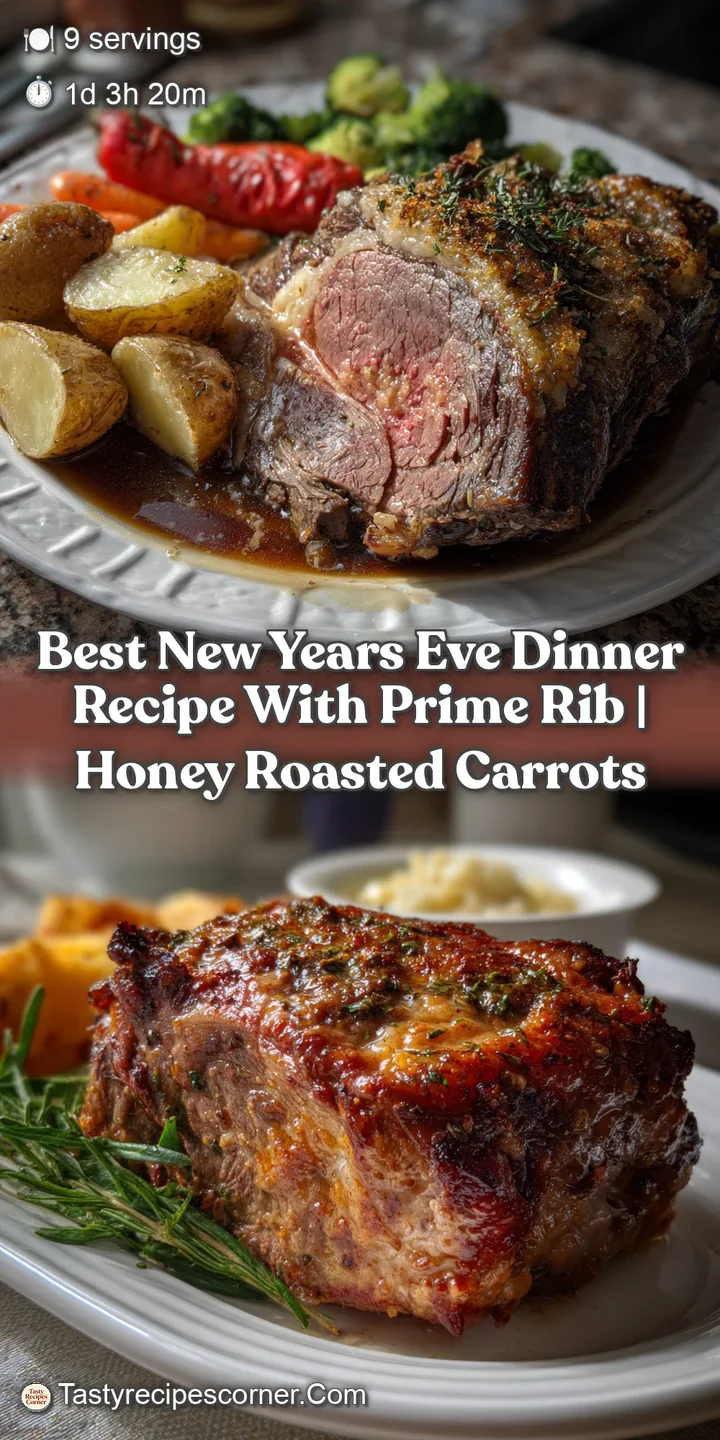
Recipe FAQs
What is the ideal final internal temperature for medium rare Prime Rib?
120°F to 125°F. This range ensures a bright pink, velvety interior before accounting for carryover cooking. Remember, the temperature will rise another 5 10 degrees after you remove it from the heat, so pull it slightly early.
Must I dry brine the Prime Rib for 24 hours before roasting?
No, but it is highly recommended. The 24-hour dry brine allows the salt to fully penetrate and tenderize the muscle fibers, significantly improving moisture retention. If time is tight, salt it heavily at least 2 hours prior.
Can I use a boneless roast instead of a bone-in roast for this recipe?
Yes, you can substitute a boneless roast. Since the bones insulate the meat, you should plan to reduce the low-temperature roasting time by approximately 20% to prevent overcooking the leaner structure.
Why is searing the beef after low-temperature roasting better?
Searing last achieves better edge-to-edge color and texture. Searing first creates a large, gray band of overcooked meat surrounding the center, whereas reverse searing locks the internal temperature while only crisping the surface crust.
What should I serve with the Prime Rib for a complete meal?
This rich roast pairs wonderfully with crisp, acidic sides. Consider pairing it with a lighter side dish like our New Year s Day Lucky Food with Black Eyed Peas: Smoky & Creamy recipe to balance the richness.
My herb crust seems dry; is there a fix mid-cook?
No, avoid adding oil mid-cook; you must fix the rub beforehand. The oil in the herb rub is crucial for carrying the flavor into the crust during the final high heat blast. If the crust didn't brown, it’s because the roast surface wasn't dry enough before you applied the paste.
How long should the Prime Rib rest after taking it out of the oven?
Rest the roast for a minimum of 30 minutes, tented loosely with foil. This crucial resting period allows the muscle fibers to relax and redistribute the internal moisture before carving, guaranteeing maximum juiciness. If you skip this, the juices will run out immediately.
Nye Prime Rib Dinner Recipe
Ingredients:
Instructions:
Nutrition Facts:
| Calories | 748 calories |
|---|---|
| Protein | 54 g |
| Fat | 56 g |
| Carbs | 3 g |
| Fiber | 1 g |
| Sugar | 1 g |
| Sodium | 1940 mg |
