Authentic New York Bagels Recipe
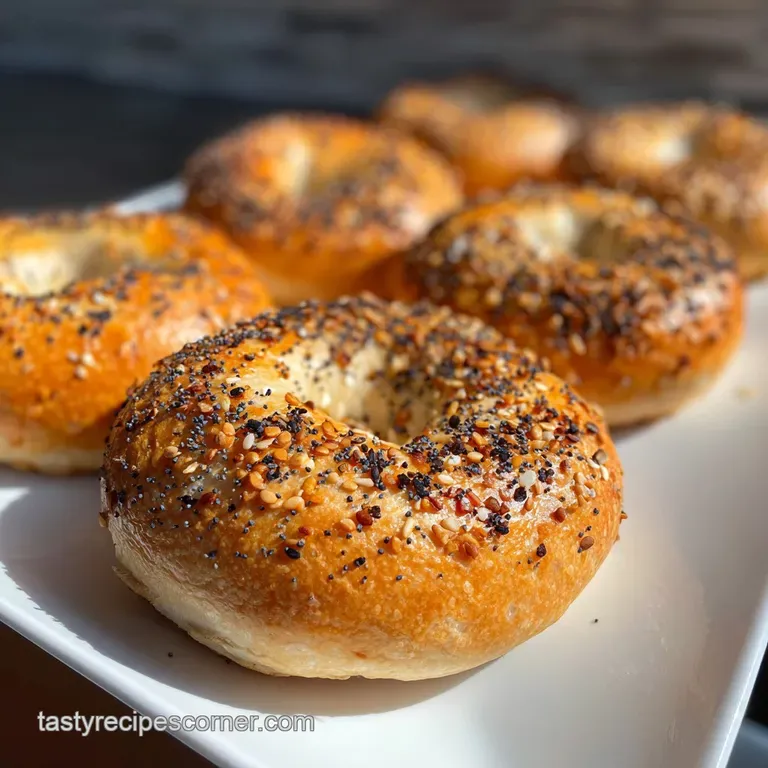
- Time: Active 45 minutes, Passive 12 hours 20 mins, Total 13 hours 5 mins
- Flavor/Texture Hook: Malt sweetened dough with a shatter crisp crust and velvety interior
- Perfect for: Weekend brunch or waking up early for a fresh bake
- Achieve the Iconic New York Bagels Recipe
- Vital Stats and Time Estimates
- Building the Perfect Bagel Dough
- The Gear You Actually Need
- Ingredient Deep Dive
- Step by Step Morning Bake
- Fixing Common Baking Blunders
- Scaling Tips for Big Batches
- Fun Ways to Customize Flavors
- Storage and Refreshing Your Haul
- Perfect Pairings for Morning Meals
- Myths About Bagel Making
- Recipe FAQs
- 📝 Recipe Card
Achieve the Iconic New York Bagels Recipe
The first time I pulled a tray of these out of the oven, the sound was incredible. As they hit the cool air, the crust actually started to crackle and sing, a tiny "snap crackle" symphony that told me I’d finally nailed the hydration.
The aroma of toasted barley malt filled my kitchen, smelling exactly like those corner shops in Manhattan where the steam hits your face the second you walk in.
I used to think you needed special "New York water" to get that specific density, but honestly, that’s just a legend. It’s all about the low moisture and the patience to let the dough rest in the cold.
We're talking about a dough that’s stiff, almost stubborn to work with, but that resistance is exactly what transforms into the chewy tug we all crave by breakfast time.
Right then, let's get into it. You don't need a massive budget for this, just some high protein flour and a bit of muscle. This recipe is designed to work in a standard home oven, giving you that authentic experience without the flight to JFK.
Trust me on this, once you hear that crust shatter under your knife, you'll never go back to those soft, bread like grocery store rings.
Vital Stats and Time Estimates
Before we start mixing, it helps to see how this method compares to other ways you might be tempted to cook your bagels. While an air fryer is speedy, nothing beats the traditional boil and bake for that specific glossy finish.
| Method | Time | Texture | Best For |
|---|---|---|---|
| Stovetop Boiling | 1 min/side | Thick, glossy crust | Authentic NY style |
| Steam Oven | 20 mins | Softer, thin skin | Montreal style vibes |
| Air Fryer | 12 mins | Extra crispy, dry | Quick morning snack |
Getting the timing right is the biggest hurdle for most home cooks. To help you plan your morning, I've broken down the three most important numeric checkpoints you need to hit for success.
- Dough Weight: Each portioned ball should weigh exactly 100g to ensure even baking.
- Water Temp: The water for the yeast must be 32°C; any hotter and you risk killing the rise.
- Internal Temp: The bagels are done when they hit 88°C to 90°C in the center.
Building the Perfect Bagel Dough
The Physics of Snap
- Cold Retardation: Slow fermentation in the fridge allows yeast to produce gas slowly, creating tiny bubbles that result in a dense, chewy crumb instead of a fluffy bread like texture.
- Starch Gelatinization: The brief boiling bath pre cooks the outer starch layer, which locks in moisture and ensures the bagel expands only slightly in the oven for a thick skin.
- Protein Bond: Using flour with 14% protein creates a tight gluten network that provides the signature "tug" when you bite into the finished product.
Component Analysis
| Ingredient | Science Role | Pro Secret |
|---|---|---|
| High Gluten Flour | Structure and stretch | Look for "14% protein" on the label for the best tug |
| Barley Malt Syrup | Maillard reaction | Provides deep earthy sweetness and that dark brown crust |
| Sea Salt | Flavor and control | Tightens gluten strands for a more consistent snap |
Just like the technique used in our Buttermilk Biscuits Recipe, how you handle the starch and fat or in this case, the lack of fat defines the final bite. Bagels are unique because they don't use oils or butter in the dough, relying entirely on the flour’s strength.
The Gear You Actually Need
You don't need a fancy commercial mixer for this new york bagels recipe, though a sturdy stand mixer like a KitchenAid makes the stiff dough easier to manage. If you’re mixing by hand, prepare for a workout!
You’ll also need a wide, shallow pot for the boiling bath something like a 5 quart Dutch oven works perfectly.
A digital scale is non negotiable here because volume measurements for flour can vary by 20% depending on how you scoop it. For the baking surface, a heavy duty baking sheet lined with a silicone mat or high-quality parchment paper is essential to prevent sticking after the bagels come out of the water.
Finally, a wire cooling rack is vital; if they sit on the hot pan for too long, the bottoms get soggy instead of staying crispy.
Ingredient Deep Dive
- 500g high gluten flour (14% protein): Substitute: Bread flour mixed with 1 tbsp vital wheat gluten.Why this? Essential for that signature New York "tug" and dense crumb.
- 275g warm water (90°F/32°C): Substitute: Filtered tap water.Why this? Precise temperature activates yeast without causing a rapid, airy over proof.
- 10g sea salt: Substitute: Kosher salt (use 12g).Why this? Enhances flavor and regulates yeast activity during the long cold ferment.
- 5g instant yeast: Substitute: 7g active dry yeast (must bloom in water first).Why this? Provides a reliable rise during the overnight chill.
- 20g barley malt syrup: Substitute: Dark brown sugar or honey.Why this? Gives the dough its distinct, non bread like malty depth.
- 30g barley malt syrup (for boiling bath): Substitute: Molasses.Why this? Carmelizes the exterior quickly in the oven for a dark finish.
- 1 tsp baking soda: Substitute: None.Why this? Increases the pH of the water to encourage heavy browning.
- 3 quarts water: Substitute: Tap water.Why this? Enough volume to keep the temperature stable when adding cold dough.
step-by-step Morning Bake
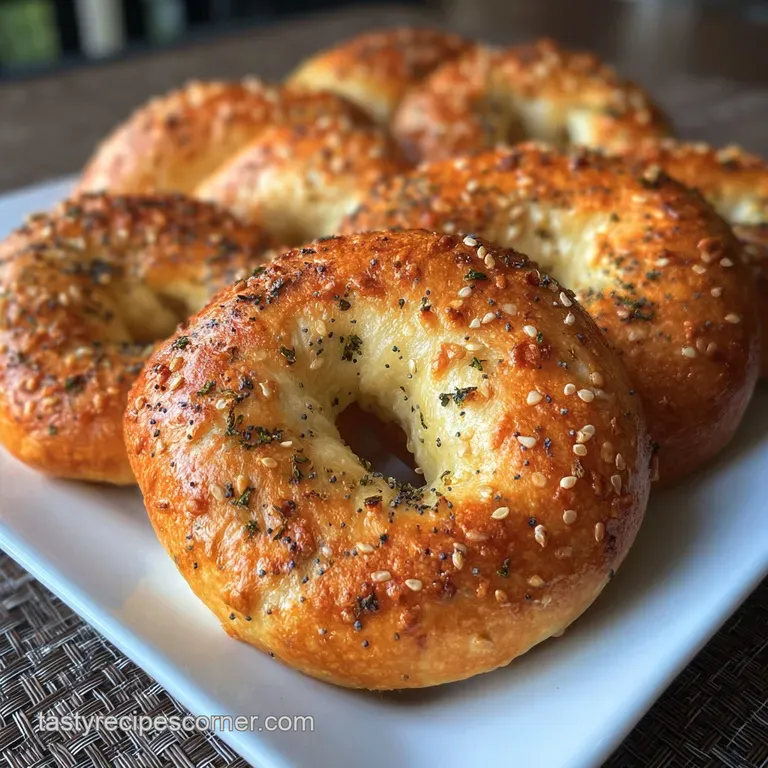
- Mix the base. Combine 500g high gluten flour, 10g sea salt, and 5g instant yeast in a bowl. Note: Mixing dry first prevents salt from hitting yeast directly.
- Hydrate the dough. Add 275g warm water and 20g barley malt syrup to the dry mix. Knead until the dough is smooth but very stiff, about 10 minutes by machine or 15 by hand.
- Portion and rest. Divide the dough into 8 pieces (roughly 100g each) and roll into tight balls. Let them rest 20 mins until the dough relaxes enough to stretch.
- Shape the rings. Poke a hole through the center of each ball and gently stretch until the hole is about 2 inches wide. It will look too big, but it shrinks back.
- The cold cure. Place shaped bagels on a lined tray, cover tightly with plastic, and refrigerate for 12 hours. Note: This builds flavor and creates the thick skin.
- Boiling ritual. Preheat your oven to 220°C and bring 3 quarts of water, 30g malt syrup, and 1 tsp baking soda to a boil. Drop bagels in until they float, usually 30-60 seconds per side.
- Top them. Remove with a slotted spoon and immediately dip into your desired seasonings while still wet. The moisture acts as the glue.
- The final bake. Place on the baking sheet and bake for 20 mins until deep mahogany brown and sounding hollow when tapped.
Chef's Tip: To get that professional sheen, let the boiled bagels air dry for exactly 2 minutes before putting them in the oven. This allows the starch to set into a glossy film.
Fixing Common Baking Blunders
Why Your Bagels Deflated
If your bagels look great in the fridge but turn into flat pancakes the second they hit the boiling water, they are likely over proofed. This happens if your fridge isn't cold enough or if they sat out too long before chilling. The yeast has exhausted its energy, and the structure collapses.
Why Your Bagels are Matte
A dull, floury surface usually means there wasn't enough sugar or alkalinity in the boiling water. The barley malt syrup in the bath is what creates that shiny, lacquered look. If you don't have syrup, you can use a mix of honey and a little extra baking soda to help the exterior caramelize.
| Problem | Root Cause | Solution |
|---|---|---|
| Bagels are too airy | Too much water or yeast | Stick to the 55% hydration ratio precisely |
| Skin is tough/rubbery | Boiled for too long | Limit boil to 60 seconds per side maximum |
| Bottoms are burnt | Sugar in dough settled | Use a heavy duty pan or double up the trays |
Common Mistakes Checklist
- ✓ Don't skip the barley malt syrup in the water bath; it's essential for that NY color.
- ✓ Always use a digital scale for the flour; cups are far too inconsistent for this stiff dough.
- ✓ Keep the dough covered during the rest to prevent a dry "skin" from forming early.
- ✓ Ensure your oven is fully preheated for at least 30 minutes to maintain high heat.
- ✓ Don't overcrowd the boiling pot; work in batches of 2-3 so the water temp doesn't drop.
Scaling Tips for Big Batches
When you want to double this recipe for a big Sunday brunch, don't just double everything blindly. For the salt and yeast, I recommend using 1.5x the original amount instead of 2x to avoid an overly salty dough or one that rises too fast.
The liquids should be reduced by about 10% because larger masses of dough retain moisture more efficiently.
If you are scaling down to just 2 or 4 bagels, keep the boiling bath measurements the same. You need that volume of water to ensure the bagels have room to move. For a half batch of dough, use a smaller bowl for kneading so the dough hook can actually catch the ingredients.
| If you want... | Then do this... |
|---|---|
| Extra Shine | Increase boiling time to 90 seconds per side |
| Softer Bite | Swap 50g of high gluten flour for All Purpose flour |
| Max Flavor | Extend the cold fridge ferment to a full 24 hours |
Fun Ways to Customize Flavors
The beauty of a plain new york bagels recipe is that it's a blank canvas. To make "Everything" bagels, mix together dried garlic, dried onion, poppy seeds, sesame seeds, and flaky salt. Always apply toppings immediately after the boil so they stick without needing an egg wash.
For a cinnamon raisin version, knead 50g of raisins and 1 tbsp of cinnamon into the dough during the last 2 minutes of mixing. Be careful not to add too much cinnamon early on, as it can actually inhibit yeast growth.
If you're feeling adventurous, a jalapeño cheddar version is fantastic just press sliced peppers and shredded cheese onto the tops right before they go into the oven.
Storage and Refreshing Your Haul
Storage: Keep fresh bagels in a paper bag at room temperature for up to 2 days. Never put them in the fridge once baked, as this accelerates staling through a process called starch retrogradation.
Freezing: These freeze beautifully! Slice them first, then wrap tightly in plastic and place in a freezer bag for up to 3 months. You can pop a frozen slice directly into the toaster.
Zero Waste: If you have bagels that have gone rock hard, don't toss them. Slice them into thin rounds, toss with olive oil and salt, and bake at 150°C until crisp. They make the best bagel chips you've ever had. You can also pulse stale pieces in a food processor for coarse breadcrumbs that add amazing texture to a Breakfast Casserole recipe.
Perfect Pairings for Morning Meals
A New York bagel demands a heavy schmear of cream cheese. I personally love a scallion cream cheese, which provides a sharp bite against the malty sweetness of the dough. If you're going for the full experience, add some high-quality smoked salmon, capers, and very thinly sliced red onion.
For a heartier meal, these bagels are sturdy enough to hold a thick breakfast sandwich. Try them with a folded egg, crispy bacon, and a slice of sharp cheddar. Because the crust is so resilient, it won't get soggy even if you pack the sandwich for a morning commute.
It’s the ultimate way to start your day with purpose.
Myths About Bagel Making
"You need New York tap water for the right taste." This is the most common myth in the baking world. While NY water is "soft" (low in minerals), you can achieve the same results anywhere by using filtered water and focusing on high protein flour.
The texture comes from the boiling and the cold ferment, not the mineral count.
"Salty water is better for boiling." Some people think the boiling water should be as salty as the sea, like pasta water. In reality, salt in the water can toughen the skin too much. You want alkalinity (baking soda) and sugar (malt syrup) in the water to help with browning and shine, not saltiness.
"Checking for 'the float' is the only way to tell if it's ready." While the float test is a good indicator that the dough has enough air to be light, it doesn't mean the bagel is proofed.
You still need that overnight chill to develop the complex sugars that give the new york bagels recipe its characteristic flavor profile.
Recipe FAQs
What is the secret to New York bagels?
A proper cold ferment. This slow, overnight rise in the refrigerator develops complex flavors and the signature dense, chewy texture that makes New York bagels so distinct, far beyond what a simple bread recipe could achieve.
What makes a New York style bagel?
A combination of factors: high protein flour, a short boil, and a cold proof. The high gluten flour provides the necessary chew, the boil creates the glossy, crisp crust, and the overnight refrigeration in the fridge builds deep flavor and density.
What is the difference between a New York bagel and a regular bagel?
Texture, density, and crust are key differentiators. New York bagels are boiled before baking, giving them a chewier interior and a shinier, crisper crust compared to a more bread like, often softer "regular" bagel.
What are the ingredients in New Yorker bagels?
Core ingredients are high gluten flour, water, yeast, salt, and barley malt syrup. The barley malt is crucial for that distinct malty sweetness and helps achieve the characteristic dark, glossy crust after boiling and baking.
How do I get the signature New York bagel chew?
Use high gluten flour and don't over knead. A flour with around 14% protein content creates the strong gluten network needed for that satisfying "tug." Over kneading can make the dough too tender.
Why are New York bagels boiled?
The boiling step gelatinizes the starches on the exterior. This brief dip in water before baking locks in moisture, creates the signature glossy crust, and contributes to the unique chewy texture that differentiates them from baked only breads.
Can I make New York bagels without a stand mixer?
Yes, but it requires more effort. The dough is quite stiff, so mixing and kneading by hand will give you a significant workout, similar to how mastering the dough handling in Empanada Dough: The Flakiest All-Purpose Recipe for Baking or Frying requires patience and technique.
New York Bagels
Ingredients:
Instructions:
Nutrition Facts:
| Calories | 239 kcal |
|---|---|
| Protein | 8.8 g |
| Fat | 0.9 g |
| Carbs | 46.1 g |
| Fiber | 1.7 g |
| Sugar | 2.4 g |
| Sodium | 634 mg |
