New Years Cocktail with Champagne
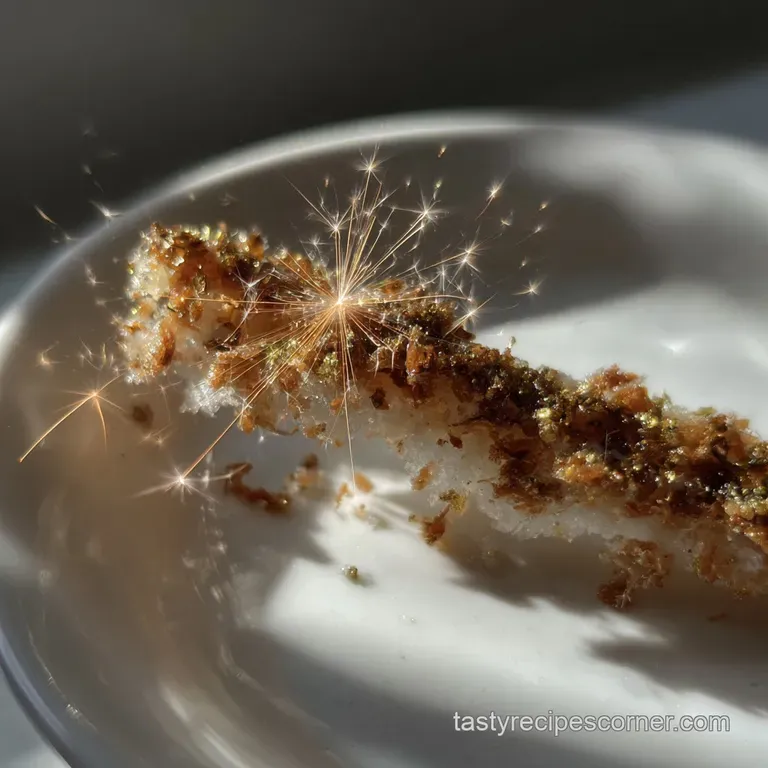
- Effort/Time: 5 minutes
- Flavor Hook: Floral botanicals meet crisp, effervescent citrus
- Perfect for: High-end New Year's Eve parties and black-tie gatherings
- Master the Ultimate New Years Cocktail with Champagne for Elegance
- The Chemistry of Effervescence and Botanical Balance
- Precision Metrics and Occasion Timing for Your Toast
- The Molecular Foundations: Selecting Your Elements
- Essential Barware for Professional Grade Aeration and Chill
- The Execution Protocol for a Flawless Midnight Pour
- Correcting Structural Flaws in Your Festive Beverage
- Customizing Your Sparkle and Scaling for the Crowd
- Maximizing Freshness and the Zero Waste Prep Philosophy
- Curating the Perfect Midnight Toast Presentation
- Recipe FAQs
- 📝 Recipe Card
Master the Ultimate New Years Cocktail with Champagne for Elegance
Nothing kills a party mood faster than serving a lukewarm, flat drink in a smudged glass. I remember my first holiday hosting gig where I pre-poured the Champagne twenty minutes early; by the time the countdown started, the "bubbles" were just sad, sugary water.
It was an expensive mistake that taught me everything about the physics of carbonation and the necessity of temperature control when working with a New Years Cocktail with Champagne.
I once thought "shaking" was just for show, leading me to stir a batch of gin-based drinks that ended up syrupy and cloying. I hadn't accounted for the necessary dilution that occurs during a vigorous 12 second shake with high-quality ice.
This lack of aeration meant the botanicals in the London Dry Gin stayed trapped, rather than blooming into the elegant, botanical profile I was aiming for.
The secret to this New Years Cocktail with Champagne isn't just the gold luster dust; it’s the science of nucleation. By chilling the glass to 32°F and using honey syrup instead of grainy sugar, we provide a smooth surface area that preserves the Champagne’s effervescence.
The result is a drink that offers a shattering crispness on the first sip, followed by a velvety elderflower finish that lingers long after the toast.
The Chemistry of Effervescence and Botanical Balance
To understand why this New Years Cocktail with Champagne works, we have to look at the interaction between CO2 and sugar density. When you combine these elements correctly, you create a drink that is both structurally sound and sensory focused.
- Gas Solubility: CO2 stays dissolved longer in liquids at lower temperatures, preventing your drink from going flat mid-toast.
- Brix Alignment: The 1:1 honey syrup provides a viscous mouthfeel that coats the palate, allowing the sharp acidity of the lemon to feel rounded rather than biting.
- Aromatic Volatilization: Shaking the gin and elderflower liqueur aerates the spirit, releasing delicate esters that would otherwise remain dormant in a stirred drink.
- Surface Tension Modification: The citrus oils from the lemon twist interact with the bubble surface, creating a more stable foam (mousse) when the Champagne is poured.
Precision Metrics and Occasion Timing for Your Toast
When planning for a crowd, timing is your most critical ingredient. A Years Cocktail with Champagne requires a "just-in-time" assembly to ensure the temperature remains optimal.
| Feature | Fast Method (Batching) | Classic Method (A La Minute) | ||||
|---|---|---|---|---|---|---|
| Temperature | 38°F (Fridge Temp) | 33°F (Ice Chilled) | ||||
| Effervescence | Medium (Fades in 5 mins) | High (Vibrant for 15 mins) | ||||
| Presentation | Standard | Elegant & High Impact | Problem | Root Cause | Fix | |
| :--- | :--- | :--- | ||||
| Excessively Foamy | Champagne is too warm | Chill bottle to 40°F for 4 hours | ||||
| Muddy Flavor | Old lemon juice | Use juice squeezed within 2 hours | ||||
| Weak Bubbles | Scratched glassware | Hand wash with microfiber only |
The Molecular Foundations: Selecting Your Elements
Selecting ingredients for your Years Cocktail with Champagne requires an eye for chemical compatibility. Each component plays a specific role in the architecture of the drink.
| Ingredient | Chemical/Physical Role (Science) | The Pro Secret (Why This Matters) |
|---|---|---|
| London Dry Gin | High ethanol content for botanical extraction | Use Beefeater London Dry Gin for a juniper forward structural spine. |
| St-Germain | Sugar rich floral esters (Elderflower) | Acts as the "glue" between the harsh gin and the acidic lemon. |
| Lemon Juice | Citric acid for pH balance | Why this?Fresh acid triggers salivation, making the floral notes more perceptible. |
| Brut Champagne | CO2-induced carbonic bite | Why this?Dry (Brut) styles prevent the drink from becoming cloying. |
For the honey syrup, use a Golden Harvest Clover Honey mixed 1:1 with filtered water. The floral notes of clover honey bridge the gap between the elderflower and the gin. If you enjoy this flavor profile, you might also find the balance in a Lemon Drop Cocktail recipe intriguing for your next gathering.
Essential Barware for Professional Grade Aeration and Chill
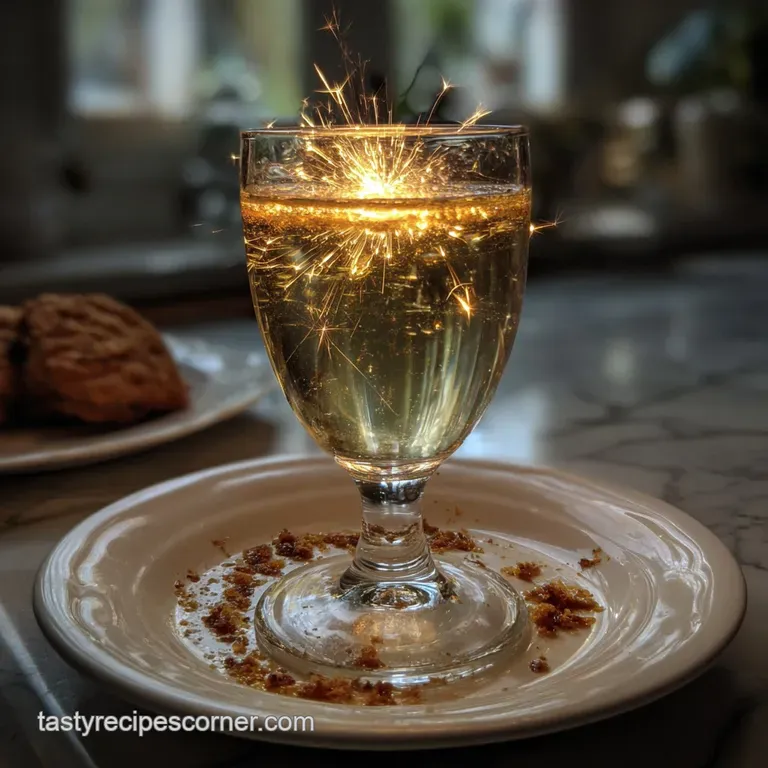
To achieve "Masterclass" results, the tools you use are just as important as the liquid inside them. You aren't just mixing; you are managing thermal energy.
- Barfly Boston Shaker: The stainless steel construction allows for rapid heat transfer, chilling the base liquid to sub-zero temperatures in seconds.
- Riedel Vinum Champagne Flutes: The narrow rim concentrates the CO2, ensuring the "snap" of the bubbles hits the nose first.
- Japanese Style Jigger: Precision is non-negotiable; even 0.10 oz of extra honey syrup can throw off the brix balance.
- Hawthorne Strainer: The tight coils catch ice shards that would otherwise melt and dilute your Cocktail with Champagne too quickly.
Chef's Note: Always freeze your glassware for at least 20 minutes before serving. A room temperature glass can raise the drink's temperature by 5 8 degrees instantly, causing the CO2 to escape in a violent, messy rush.
The Execution Protocol for a Flawless Midnight Pour
Follow these steps exactly to ensure the structural integrity of your New Years Cocktail with Champagne. Accuracy here prevents the "separation" often seen in poorly made sparkling drinks.
- Chill a Riedel Champagne Flute for 15 minutes until a thick frost forms on the exterior.
- Paint 1 tsp Gold Luster Dust onto the inner rim until it creates a shimmering, metallic band.
- Measure 1.5 oz Beefeater London Dry Gin into the small tin of a Barfly Boston Shaker.
- Add 0.5 oz St-Germain Elderflower Liqueur to the tin.
- Pour 0.5 oz fresh Lemon Juice through a fine mesh strainer until no pulp remains.
- Incorporate 0.25 oz Honey Syrup (1:1 ratio) to provide body.
- Add 2 dashes Orange Bitters to enhance the citrus top notes.
- Fill the shaker with large, 1 inch ice cubes until the tin is three quarters full.
- Shake vigorously for 12 seconds until the shaker is painfully cold to the touch.
- Fine strain the mixture into the chilled flute until the gold dust is undisturbed by the liquid.
- Top with 3.5 oz Chilled Brut Champagne, pouring slowly down the side of the glass until the bubbles reach the rim.
- Express 1 Lemon Twist over the surface until oil droplets are visible on the foam.
Correcting Structural Flaws in Your Festive Beverage
Why Your Cocktail with Champagne Goes Flat
If your bubbles disappear within minutes, it’s likely a surface tension issue. Residual soap on glassware or room temperature ingredients are the usual suspects. When CO2 molecules hit a "rough" or warm surface, they transition to gas rapidly, leaving the liquid still.
| Problem | Root Cause | The Fix | Pro Protocol |
|---|---|---|---|
| Rapid Deflation | Soap residue on glass | Rinse with distilled water | Use a "steam polish" method for glasses |
| Overly Sour | Under ripe lemons | Increase honey syrup by 0.10 oz | Always taste test your lemon juice first |
| Muddy Visuals | Luster dust clumped | Apply to dry glass only | Use a fan brush for even distribution |
The Science of Nucleation Control
Nucleation occurs when CO2 gas gathers at "sites" like dust or scratches. By using a polished glass and a filtered honey syrup, you minimize these sites, forcing the bubbles to stay in the liquid longer. This creates that "shattering" crispness that defines a high end sparkling drink.
Customizing Your Sparkle and Scaling for the Crowd
While the base recipe is designed for elegance, you can adapt it for different flavor profiles or larger guest lists.
| Original Ingredient | Substitute | Why It Works |
|---|---|---|
| London Dry Gin | Vodka (High End) | Cleaner finish, lets the elderflower dominate. |
| Honey Syrup | Agave Nectar | Lower glycemic index, adds a subtle earthy note. |
| Champagne | Prosecco Superiore | More fruit forward (peach/pear) but less yeasty/bready. |
For a more tropical variation, you might look at how acidity is handled in a Caipirinha Recipe, which uses muddled lime to create a different textural experience.
⚗️ The Scaling Lab
- The Evaporation Paradox
- If you pre-mix the gin, lemon, and honey, do not add the bitters until serving. Bitters contain high concentrations of ethanol that can evaporate, dulling the flavor profile over time.
- Thermal Mass
- Doubling the liquid in a shaker requires 50% more ice to achieve the same chill. Cook in batches of no more than two drinks at a time to maintain the necessary sub-zero temp.
- Flavor Saturation
- If scaling to 10+ servings, reduce the Orange Bitters to 1.5 dashes per drink. Spices accumulate non-linearly on the palate and can easily overpower the delicate elderflower.
Maximizing Freshness and the Zero Waste Prep Philosophy
Storage and Longevity
The base of this New Years Cocktail with Champagne (everything except the bubbles) can be pre-mixed up to 4 hours in advance. Store this "pre-mix" in a sealed glass bottle in the coldest part of your refrigerator.
Do not store in plastic, as the lemon juice's acidity can leach chemicals and alter the flavor.
- Fridge: Pre-mix stays fresh for 6 hours.
- Freezer: Do not freeze the pre-mix; the lemon juice will separate and the honey syrup will thicken into an unpourable sludge.
💡 ZERO WASTE PHILOSOPHY
Don't discard the lemon rinds after squeezing. Transform: Toss them with sugar to create an Oleo Saccharum. Science: The sugar draws out the essential oils via osmotic pressure, creating a potent citrus syrup that can be used in future cocktails or desserts.
Curating the Perfect Midnight Toast Presentation
To truly wow guests, the presentation must match the flavor profile. The New Years Cocktail with Champagne is a visual medium.
- The Midnight Toast Pairing: Serve this with salty, high fat appetizers. Think Chicken Liver Pâté recipe on toasted brioche. The acidity of the Champagne cuts through the richness of the pâté, cleansing the palate for the next bite.
- Acoustic Detail: When pouring the Champagne, listen for the high pitched "crackle." This is the sound of thousands of tiny CO2 bubbles bursting a sensory cue that the drink is at its peak freshness.
- Lighting: Serve in a room with warm, low lighting. The gold luster dust will catch the ambient light, creating a "shimmering" effect within the glass that feels inherently festive.
Decision Shortcut: If you want a crisper drink, use an Extra Brut Champagne. If you want a softer finish, increase the St-Germain by 0.25 oz. If you want maximum sparkle, ensure the Champagne is opened seconds before pouring.
Common Myths:Myth: Putting a silver spoon in a Champagne bottle keeps it bubbly. Truth: This is a debunked old wives' tale. Carbonation is preserved by cold temperatures and a pressurized seal, not a spoon's thermal conductivity.
Myth: Any sparkling wine is "Champagne." Truth: Only wine from the Champagne region of France, made via Méthode Champenoise, has the specific yeast autolysis notes (brioche, toast) that balance the botanicals in this recipe.
By following these precision steps and respecting the science of the pour, your New Years Cocktail with Champagne will be the undisputed highlight of the night. Let's crack on and get those bottles chilling!
Recipe FAQs
Why do we drink Champagne on New Year's Eve?
Historically, sparkling wine symbolized luxury and celebration. Its carbonation and effervescence suggest excitement and new beginnings, making it the traditional toast for midnight transitions worldwide.
Does using gold luster dust affect the flavor profile?
No. Edible gold is inert and flavorless at these trace concentrations. Luster dust is purely mineral based and fails to dissolve, offering zero impact on taste or mouthfeel.
Can I substitute the Gin with a different spirit, like Vodka?
Vodka offers a cleaner finish, letting the elderflower dominate. Gin provides structural juniper notes crucial for complexity; vodka results in a simpler, less botanical profile. If you enjoyed controlling the sweet tart balance here, see how we adapt acid control in our Piña Colada: Velvety Smooth Puerto Rican Cocktail Recipe for a tropical twist.
Why did my cocktail taste overwhelmingly sour, even with the honey syrup?
The acidity of the lemon juice was too high for the chosen dilution. Fresh lemon juice contains highly reactive citric acid that needs balancing viscosity to feel rounded on the palate. When the acid overwhelms the syrup's Brix level, the flavor registers as harsh.
- Use juice extracted within 2 hours
- Increase honey syrup by 0.10 oz
- Ensure full 12-second vigorous shake
Should I shake or stir this cocktail recipe?
Shake vigorously for necessary aeration and chill. Stirring traps volatile aromatic compounds, resulting in a duller, syrupy texture, whereas shaking achieves rapid chilling and proper dilution crucial for sparkling wine integration.
Myth: A room temperature bottle of Champagne is fine to use if I mix it fast.
Myth: A room temperature bottle of Champagne is fine to use if I mix it fast. Reality: Warmer Champagne releases CO2 immediately upon pouring, leading to excessive foaming and a flat drink within minutes. Optimal storage temperature is below 40°F to maximize gas solubility.
What is the best glassware: Champagne flute or coupe?
The Champagne flute is superior for preserving carbonation. The narrow opening concentrates the CO2 aromatics at the top while slowing the surface area where gas escapes compared to the wide surface of a coupe.
New Years Champagne Toast
Ingredients:
Instructions:
Nutrition Facts:
| Calories | 245 kcal |
|---|---|
| Protein | 0.3 g |
| Fat | 0.1 g |
| Carbs | 12.4 g |
| Fiber | 0.1 g |
| Sugar | 10.8 g |
| Sodium | 6 mg |
