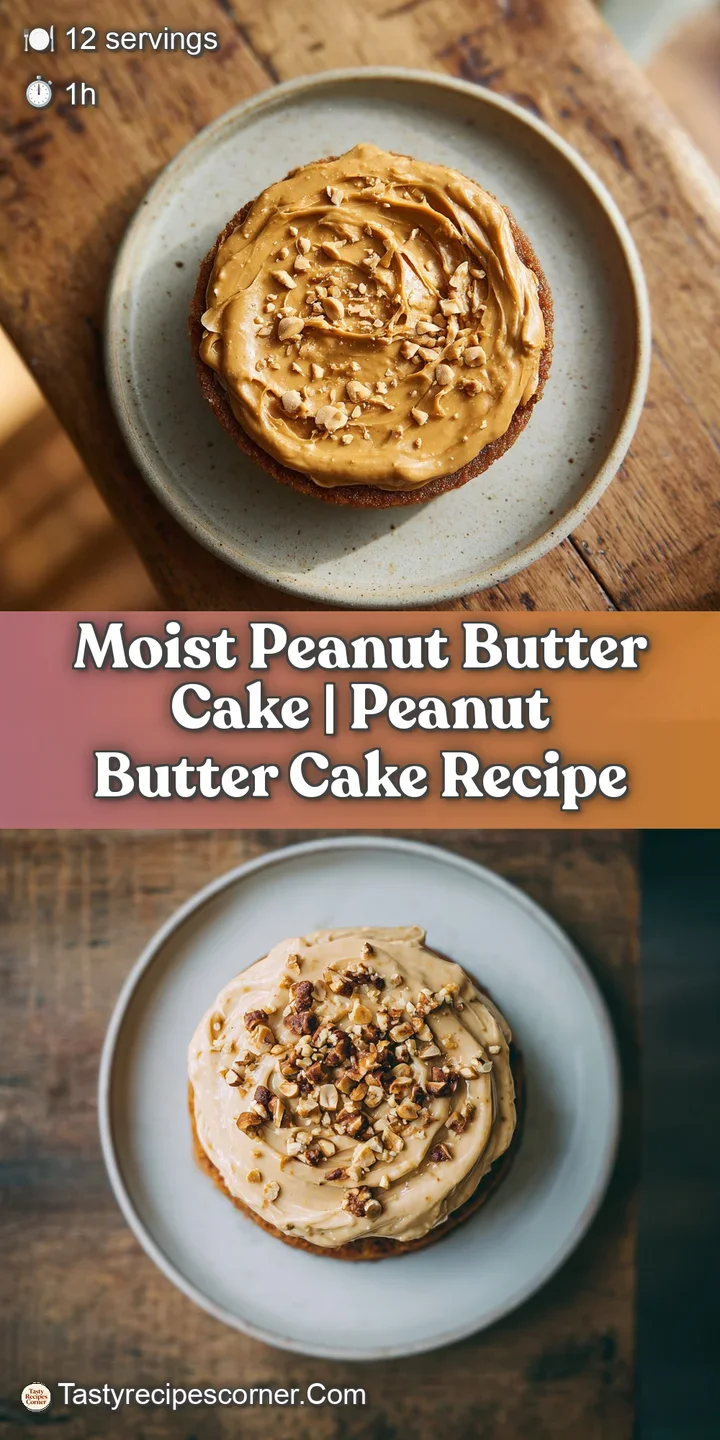
Moist Peanut Butter Cake Recipe
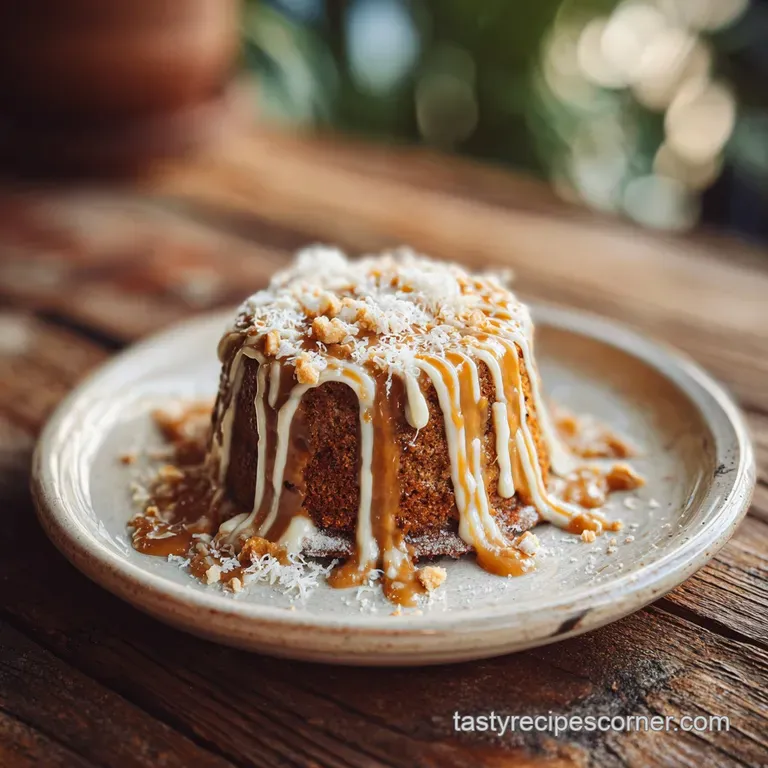
- Time: Active 25 mins, Passive 35 mins, Total 1 hour
- Flavor/Texture Hook: Velvety crumb with a salty sweet satin finish
- Perfect for: Milestone birthdays, elegant tea parties, or weekend treats
- Crafting the Ultimate Peanut Butter Cake
- Achieving Texture Success
- The Science of the Ingredients
- Selecting Your Baking Elements
- Essential Tools for Baking
- The Mixing and Baking Process
- Fixing Texture and Rise Issues
- Adjusting the Yield
- Debunking Common Baking Tales
- Saving Every Last Crumb
- Creative Recipe Alternatives
- Sophisticated Serving Pairings
- Recipe FAQs
- 📝 Recipe Card
Crafting the Ultimate Peanut Butter Cake
Remember that one time I tried to make a "healthy" version of this for my niece's birthday? I swapped the butter for applesauce and the sugar for dates. It was... well, let's just say the kids used it as a doorstop. Lesson learned: when it comes to a proper Peanut Butter Cake, you have to lean into the richness.
You want that specific aroma the kind that hits you the second the oven door cracks open, smelling like toasted nuts and warm vanilla.
I've spent years tweaking this because I was tired of cakes that tasted like sawdust. Most recipes are either too dry or so dense they feel like a lead weight. After a dozen "meh" batches, I finally nailed the ratio that keeps the crumb springy but moist.
It’s about that specific dance between buttermilk and peanut butter fats that creates a texture that doesn't just sit there it practically glows.
We're going for a presentation that looks like it belongs in a boutique bakery window but feels as comforting as a hug. If you've ever struggled with frosting that tears your cake apart or a base that crumbles into nothing, trust me on this one.
We're going to fix all of that today and get you a result that will actually wow guests.
Achieving Texture Success
- Protein Interference: Peanut butter contains solids that physically get in the way of gluten strands, ensuring the crumb stays tender rather than chewy.
- Acidic Tenderizing: Buttermilk breaks down tough flour proteins, creating a velvety texture that feels expensive on the tongue.
- Hygroscopic Sugars: The combination of brown and granulated sugar pulls moisture from the air, preventing the cake from drying out after it cools.
- Emulsion Stability: Using eggs at room temperature allows the fats and liquids to bind properly, preventing the batter from curdling or separating.
| Method | Prep Time | Texture Result | Best Use Case |
|---|---|---|---|
| Fast (Box Mix Hack) | 10 mins | Airy but artificial | Last minute kids' party |
| Classic (This Recipe) | 25 mins | Dense, rich, and velvety | Elegant dinner parties |
| Flourless Version | 15 mins | Fudgy and heavy | gluten-free requirements |
Before we start mixing, let's look at the "how" behind the ingredients. It isn't just about throwing things in a bowl; it's about how those elements react under heat. For example, if you love this nutty profile, you might also enjoy my Peanut Butter Balls recipe for a smaller, bite sized treat.
The Science of the Ingredients
| Ingredient | Science Role | Pro Secret |
|---|---|---|
| Buttermilk | Protein Tenderizer | Never use cold; it shocks the fats and ruins the emulsion. |
| Creamy Peanut Butter | Structural Fat | Stick to standard brands like Jif or Skippy for the best stability. |
| Brown Sugar | Moisture Retention | Pack it tight to ensure the molasses content is exactly right. |
| Fine Sea Salt | Flavor Contrast | It cuts through the fat to make the peanut flavor pop. |
Chef's Tip: Freeze your butter for 10 minutes before grating it into the sugar if your kitchen is warm; this prevents the fat from melting prematurely and ensures a better rise.
Selecting Your Baking Elements
- 2.5 cups (315g) all purpose flour | Sub: Cake flour for a more delicate crumb. Why this? Provides the structural backbone without being too heavy.
- 1.5 cups (300g) granulated sugar | Sub: Extra brown sugar (though it will be denser). Why this? Essential for a light, airy crumb structure.
- 0.5 cup (100g) light brown sugar | Sub: Dark brown sugar for a deeper caramel note. Why this? Adds moisture and a hint of molasses depth.
- 1 tsp baking powder | Sub: 1/4 tsp baking soda + 1/2 tsp cream of tartar. Why this? Provides the initial lift during the first 10 minutes of baking.
- 0.5 tsp baking soda | Sub: Extra 1.5 tsp baking powder (less effective). Why this? Reacts with buttermilk to create a tender, soft interior.
- 0.75 tsp fine sea salt | Sub: Table salt (use slightly less). Why this? Sharpens the nutty notes and balances the sweetness.
- 0.5 cup (113g) unsalted butter, softened | Sub: Salted butter (but omit the extra salt). Why this? For a buttery, traditional cake flavor.
- 0.75 cup (185g) creamy peanut butter | Sub: Sunflower butter for nut allergies. Why this? The core flavor profile and fat source for this dish.
- 3 large eggs, room temperature | Sub: Flax eggs (though the rise will be significantly less). Why this? Binds the fats and provides structure to the rise.
- 1 tbsp pure vanilla extract | Sub: Vanilla bean paste for those beautiful black specks. Why this? Rounds out the earthy peanut flavor with floral notes.
- 1 cup (240ml) buttermilk, room temperature | Sub: 1 cup milk + 1 tbsp lemon juice (let sit 5 mins). Why this? Key for the velvety, acidic tenderized crumb.
- 0.25 cup (60ml) neutral vegetable oil | Sub: Melted coconut oil. Why this? Guarantees a moist mouthfeel even when the cake is cold.
- 1 cup (250g) creamy peanut butter (frosting) | Sub: Chocolate hazelnut spread. Why this? Creates the thick, pipeable base for the topping.
- 0.5 cup (113g) unsalted butter, softened (frosting) | Sub: Vegan butter sticks. Why this? Allows the frosting to whip into a satin like texture.
- 3 cups (375g) powdered sugar, sifted | Sub: Coconut sugar (must be pulverized in a blender). Why this? Provides sweetness and a silky, non gritty finish.
- 4 tbsp heavy cream | Sub: Whole milk or oat milk. Why this? Thins the frosting to the perfect spreading consistency.
- 1 tsp vanilla extract (frosting) | Sub: Almond extract for a cherry like undertone. Why this? Adds a final layer of aromatic complexity.
Essential Tools for Baking
To get that professional finish, you'll want a few specific items. A stand mixer is your best friend here because we need to beat that butter and sugar for a full five minutes to get the aeration right. If you don't have one, a sturdy hand mixer works, but prepare for a bit of an arm workout.
You will also need two 20cm (8 inch) round cake pans. I highly recommend using parchment paper liners on the bottom. There is nothing more heartbreaking than a cake that decides to stay in the pan while you're trying to flip it.
A wire cooling rack is also vital if the cake sits in the hot pan for too long, it continues to cook and turns dry.
The Mixing and Baking Process
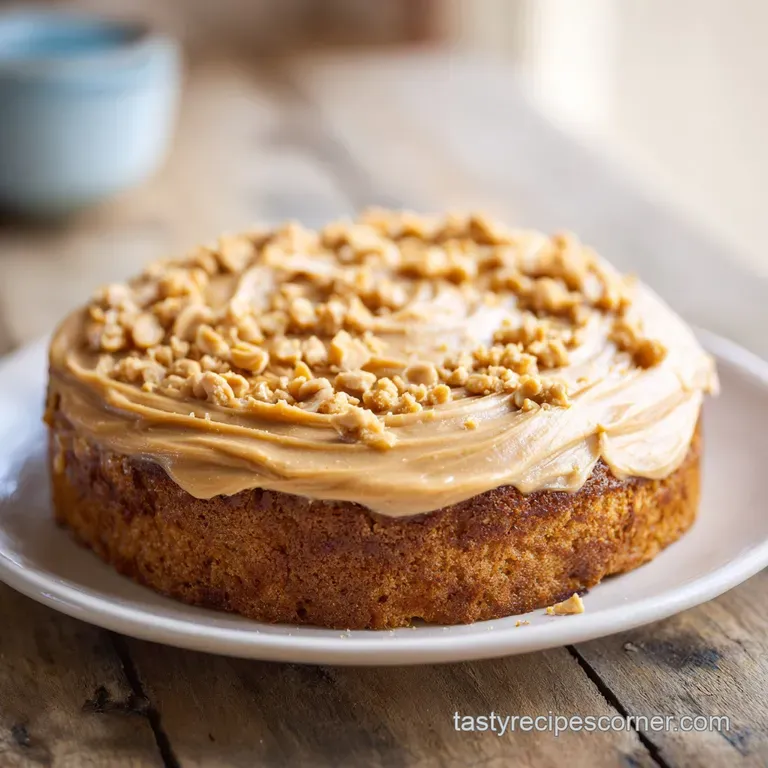
1. Aerating the Fat Base
Preheat your oven to 180°C (350°F). Cream the 113g of butter, 300g granulated sugar, and 100g brown sugar together for 5 minutes until pale and fluffy. Note: This creates the micro bubbles needed for a light texture.
2. Emulsifying the Liquids
Add the 185g of creamy peanut butter and 60ml oil to the butter mixture, beating until completely smooth and integrated.
3. Incorporating the Eggs
Add the 3 large eggs one at a time, beating well after each addition until the batter looks like liquid gold. Stir in the 1 tbsp vanilla extract.
4. Alternating the Dry Goods
Whisk the 315g flour, baking powder, baking soda, and salt together. Add 1/3 of the dry ingredients to the bowl, then 1/2 of the 240ml buttermilk, repeating until just combined and no white streaks remain. Note: Overmixing here will make the cake tough, so be gentle.
5. Baking to Perfection
Divide the batter between the two prepared pans. Bake for 30-35 minutes until a toothpick comes out with just a few moist crumbs.
6. Cooling Strategy
Let the cakes cool in the pans for 10 minutes, then invert onto a wire rack until completely cold to the touch. Note: Frosting a warm cake is a recipe for a melted disaster.
7. Whipping the Satin Frosting
In a clean bowl, beat the 250g peanut butter and 113g butter until creamy and light.
8. Achieving the Finish
Gradually add the 375g sifted powdered sugar, 4 tbsp heavy cream, and 1 tsp vanilla. Beat on high for 3-4 minutes until the frosting is silky and holds a soft peak.
9. Assembly
Place one cake layer on a plate, spread a generous layer of frosting, and top with the second layer. Frost the top and sides until the cake is fully encased in nutty silk.
Fixing Texture and Rise Issues
Preventing a Sunken Center
This usually happens if the oven door is opened too early or if the leavening agents are expired. The cake needs that consistent heat to set the structure. If you notice a dip forming, keep the door closed! It’s better to have a slightly uneven top than a raw middle.
Fixing Grainy Frosting
If your frosting feels like sand, it’s likely because the powdered sugar wasn't sifted or the butter was too cold. You can often fix this by adding a tiny splash of warm cream and beating it for another two minutes. The warmth helps dissolve those tiny sugar crystals.
| Problem | Root Cause | Solution |
|---|---|---|
| Dry Crumb | Overbaking | Reduce oven time by 3 mins next time. |
| Dense Cake | Under creaming butter/sugar | Beat butter and sugar for full 5 mins. |
| Frosting Tearing Cake | Cake was too warm | Chill cake layers for 30 mins before frosting. |
Common Mistakes Checklist
- ✓ Ensure eggs and buttermilk are at room temperature to prevent curdling.
- ✓ Sift your powdered sugar no exceptions if you want a silky finish.
- ✓ Measure your flour by weight (grams) rather than volume for precision.
- ✓ Don't skip the oil; it provides the "moist" insurance policy.
- ✓ Wait until the cake is 100% cold before you even think about frosting it.
If you find yourself with extra chocolate chips in the pantry after finishing this, you should definitely try my Chocolate Chip Cookie recipe for another crowd pleasing dessert.
Adjusting the Yield
Cutting the Recipe in Half
To make a single layer cake, halve all ingredients. Use a 20cm (8 inch) pan but reduce the baking time by about 5-8 minutes. For the 1.5 eggs, beat one egg in a cup and use exactly half of it by weight or volume.
Doubling for a Crowd
When doubling, be careful with the spices. Use only 1.5x the salt and vanilla to avoid overpowering the palate. You will likely need to bake in batches unless you have a commercial sized oven, as crowding the racks can lead to uneven heat distribution.
Precision Checkpoints
- 5 Minutes: The exact time you should cream the butter and sugar for maximum aeration.
- 180°C: The oven temperature (350°F) that balances the rise with a golden exterior.
- 315 Grams: The precise weight of flour needed to ensure the cake isn't a brick.
Debunking Common Baking Tales
"Natural peanut butter makes a better cake." This is a total myth. Natural peanut butter (the kind you have to stir) often separates during the baking process, leaving you with an oily mess and a dry cake.
The stabilizers in brands like Jif or Skippy are actually your friend in this specific scenario because they keep the fat emulsified.
"You can swap buttermilk for regular milk 1:1." While you can do it, you shouldn't. Regular milk lacks the acidity needed to react with the baking soda. Without that reaction, your cake won't have that signature Velvet like lift and will likely taste a bit "flat."
Saving Every Last Crumb
Storage Guidelines: Keep this cake in an airtight container at room temperature for up to 2 days. For longer storage, the fridge is fine for 4 days, but the cold will firm up the butter, so let a slice sit out for 20 minutes before eating.
You can freeze the unfrosted layers for up to 2 months just wrap them tightly in plastic wrap and then foil.
Zero Waste Tips: If you have leftover cake scraps or a layer that broke, don't toss them! Crumble the cake and mix it with a spoonful of leftover frosting to make cake pops. Or, layer the crumbs with whipped cream and berries for a quick trifle.
If you find yourself with leftover frosting, it makes an incredible dip for apple slices or pretzels.
Creative Recipe Alternatives
The Chocolate Peanut Butter Cake Twist
Add 0.5 cup of high-quality cocoa powder to the dry ingredients and increase the buttermilk by 2 tablespoons. This creates a deep, dark contrast that pairs beautifully with the salty frosting.
The Peanut Butter Sheet Cake
If you are serving a large group, bake the batter in a 9x13 inch (23x33cm) rectangular pan. The baking time will be roughly the same, but it's much easier to transport to a potluck. For another festive option, consider my German Chocolate Cake recipe which is always a hit at gatherings.
The "Elvis" Style
Add two mashed bananas to the wet ingredients and top the frosted cake with crumbled crispy bacon. It sounds wild, but the salty sweet funky combination is legendary for a reason.
Sophisticated Serving Pairings
For a truly elegant presentation, serve a slice of this cake with a small dollop of tart raspberry jam on the side. The acidity of the berries cuts through the heavy fat of the peanut butter perfectly. It's like a grown up version of a PB&J that feels much more refined.
If you're serving this after dinner, a cup of dark, smoky coffee or a glass of cold brew is the way to go. The bitterness of the coffee acts as a "palate cleanser" between rich, velvety bites. For those who prefer tea, an Earl Grey with its citrusy bergamot notes provides a lovely, floral contrast to the earthy nuts. If you're looking for a different kind of cake texture, the Sticky Toffee Pudding recipe is another fantastic choice for a rich dessert finale.
Recipe FAQs
Can I put peanut butter in cake batter?
Yes, absolutely, it provides fat and flavor structure.
It works similarly to adding heavy cream or sour cream, adding richness and tenderness to the crumb by interfering with gluten development.
What is Kamala Harris' favorite cake?
This information is not publicly documented, so we cannot confirm her favorite type.
However, given her reported love for chocolate, a rich chocolate cake would likely be a strong contender for her preference.
What is the 1234 cake rule?
No, this is not a standard baking rule, though it sounds like a ratio guideline.
The most common foundational recipe guide is the "One-Two-Three Four" cake, which uses equal volume parts of sugar, flour, butter, and eggs (e.g., 1 cup sugar, 2 cups flour, etc.).
Why is it called depression cake?
No, this cake is not a depression cake; it is fundamentally rich in fat.
Depression cakes (or Wacky Cakes) were developed during times of scarcity, intentionally omitting expensive ingredients like eggs, butter, and milk, which this recipe heavily relies on.
How do I prevent my peanut butter cake from being too dense?
Cream the butter and sugar for a full five minutes until the mixture is pale and fluffy.
This aeration step incorporates necessary air bubbles that provide the initial lift, crucial for a lighter texture, similar to how we incorporate air into our Chocolate Chip Cookies recipe base.
Is it true that using room temperature ingredients ruins the texture?
False, using cold ingredients will negatively impact the texture.
Cold butter or eggs shock the batter, leading to a curdled emulsion and a final product that is denser because the fat hasn't properly bound with the liquids.
How to substitute buttermilk if I don't have any on hand?
Measure one cup of whole milk and stir in one tablespoon of white vinegar or lemon juice.
Allow this mixture to sit undisturbed for five minutes until it visibly curdles slightly; this creates the necessary acidity to tenderize the flour proteins.
Moist Peanut Butter Cake
Ingredients:
Instructions:
Nutrition Facts:
| Calories | 781 kcal |
|---|---|
| Protein | 13.8 g |
| Fat | 41.4 g |
| Carbs | 94.1 g |
| Fiber | 3.1 g |
| Sugar | 64.8 g |
| Sodium | 385 mg |
