Korean Ground Beef Bowl: Caramelized & Savory
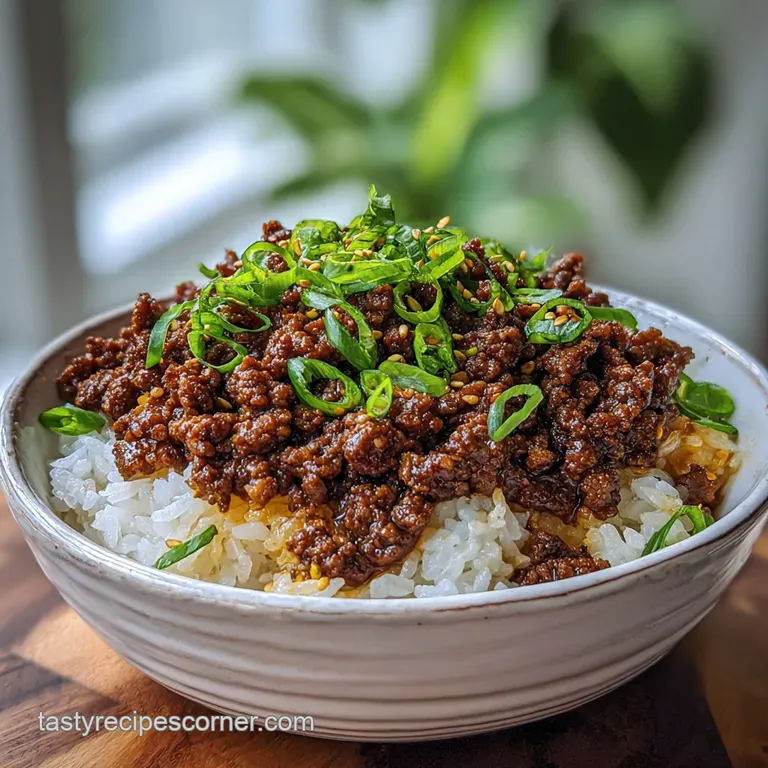
- Time: Active 5 minutes, Passive 10 minutes, Total 15 minutes
- Flavor/Texture Hook: Sizzling beef with a velvety, spicy sweet glaze
- Perfect for: Hectic weeknight dinners or meal prep fans
- Create Intense Flavor with Korean Ground Beef Bowl
- Specs for a Soul Warming Dinner
- Component Analysis for Building Depth
- Essential Tools for a Velvety Glaze
- Step by Step Cooking Success
- Avoid Common Beef Texture Pitfalls
- Adapting Your Bowl for Families
- Storage and Zero Waste Strategies
- Complements to Round Out Your Meal
- HIGH in Sodium
- Recipe FAQs
- 📝 Recipe Card
Create Intense Flavor with Korean Ground Beef Bowl
Ever had one of those nights where the fridge looks empty, but your stomach is demanding something that actually tastes like effort? That was me last Tuesday, standing in my Tennessee kitchen, staring at a pack of ground beef.
I used to think a Korean Ground Beef Bowl required hours of marinating, but I learned that the secret is all in the over high heat sear and the right balance of fermented funk.
When that beef hits the hot pan, the sizzle is immediate. You'll smell the ginger and garlic blooming in the fat, and honestly, it's better than any candle you could buy. This isn't just a meal; it's a way to reclaim your evening without spending it hunched over a stove.
We are building layers here, from the crispy bits of meat to the fresh, cold crunch of the cucumbers on top.
This recipe is a staple in our house because it satisfies that craving for something hearty and comforting while keeping things light enough that you don't need a nap afterward. We've refined the ratios to make sure the Gochujang provides warmth without blowing your head off, making it a hit for kids and spice lovers alike.
Trust me on this, once you master the glaze, you'll never look at a pound of ground beef the same way again.
Specs for a Soul Warming Dinner
Before we get the pans hot, let's talk about the baseline for this Ground Beef Bowl Recipe. It's built on a foundation of 90/10 lean beef, which gives us just enough fat to carry the aromatics without leaving a puddle of grease in your bowl. We're aiming for four solid servings that feel like a proper hug in a bowl.
The Science of Why it Works
Maillard Reaction: High heat triggers a chemical reaction between amino acids and reducing sugars, creating that mahogany crust and deep savory complexity. Emulsification: The honey and starch in the Gochujang bind the rendered fat and soy sauce into a cohesive, velvety glaze that coats the meat instead of sliding off.
Chef's Tip: Grate your ginger while it's still frozen. The fibers won't get stringy, and it melts instantly into the sauce, giving you a much smoother texture.
Precision Checkpoints for Success
- Weight: Exactly 1 lb of beef provides the perfect surface area to sauce ratio in a 12 inch skillet.
- Temperature: Ensure the skillet is preheated until a drop of water dances and evaporates instantly (about 400°F).
- Time: Do not stir the beef for the first 3 minutes; this is non negotiable for achieving the "shatter" texture on the edges.
Component Analysis for Building Depth
To get this Easy Korean Ground Beef Bowl right, we need to understand how each piece of the puzzle contributes to the final bite. It isn't just about throwing things in a pan; it's about how the ingredients interact under heat.
| Ingredient | Science Role | Pro Secret |
|---|---|---|
| Lean Ground Beef (1 lb) | Protein Structure | Pat it dry with paper towels to ensure browning instead of steaming. |
| Gochujang (1 tbsp) | Fermented Umami | Fry it briefly in the beef fat to unlock fat soluble flavor compounds. |
| Low sodium Soy Sauce (1/4 cup) | Salt & Pigment | Use low sodium to control the saltiness as the sauce reduces and intensifies. |
When choosing your aromatics, the difference between fresh and pantry staples is massive. While powders are convenient, they lack the volatile oils that make this Korean Ground Beef Rice Bowl pop. If you are in a pinch, you can swap, but the soul of the dish changes slightly.
| Feature | Fresh Aromatics | Shortcut Powders |
|---|---|---|
| Aroma | Pungent, bright, and floral | Muted, earthy, and one dimensional |
| Texture | Adds tiny, crispy bits of interest | Completely dissolves into the liquid |
| Heat Impact | Mellows and sweetens as it cooks | Can turn bitter if scorched at high heat |
For those who love making their own meat mixes, you might find that the seasoning profile here is quite similar to a Beef Sausage Recipe but with a distinct East Asian fermented twist. The goal is always a balance of salt, fat, acid, and heat.
Essential Tools for a Velvety Glaze
You don't need a professional kitchen, but a heavy bottomed skillet is your best friend here. I prefer cast iron because it holds heat like a champ. When you add a pound of cold meat to a thin pan, the temperature drops instantly, and you end up with gray, boiled looking beef. A heavy pan prevents that.
You'll also want a sturdy wooden spoon or a meat masher. Breaking the beef into small, uniform crumbles ensures that every single piece gets coated in that shiny, Gochujang laced sauce. If the pieces are too big, the inside remains bland while the outside gets salty.
Finally,, have your bowls ready. This is a fast moving recipe. Once the sauce thickens, it can go from "perfectly glossy" to "burnt sugar" in about 60 seconds. Having your rice and veggies prepped means you can serve the beef while it's still sizzling and the fat is perfectly rendered.
step-by-step Cooking Success

Right then, let's crack on with the actual cooking. Follow these steps closely, and you'll have a meal that looks like it came from a professional kitchen.
- Prepare the base. Place the cooked jasmine rice in four bowls. Note: Using warm rice helps keep the beef hot during assembly.
- Heat the pan. Set a large skillet over medium high heat.
- Brown the beef. Add 1 lb lean ground beef to the dry pan. Break it up slightly but leave it alone for 3 minutes until a dark, crispy crust forms on the bottom.
- Incorporate aromatics. Stir in 3 cloves minced garlic and 1 tbsp grated fresh ginger. Cook for 1 minute until the fragrance fills the room.
- Whisk the sauce. In a small jar, combine 1/4 cup soy sauce, 1 tbsp Gochujang, and 1 tbsp honey.
- Glaze the meat. Pour the sauce over the beef. Stir constantly for 2 minutes until the liquid reduces into a thick, sticky coating.
- Finish with oil. Turn off the heat and stir in 1 tsp toasted sesame oil. Note: Adding this at the end preserves its delicate aroma.
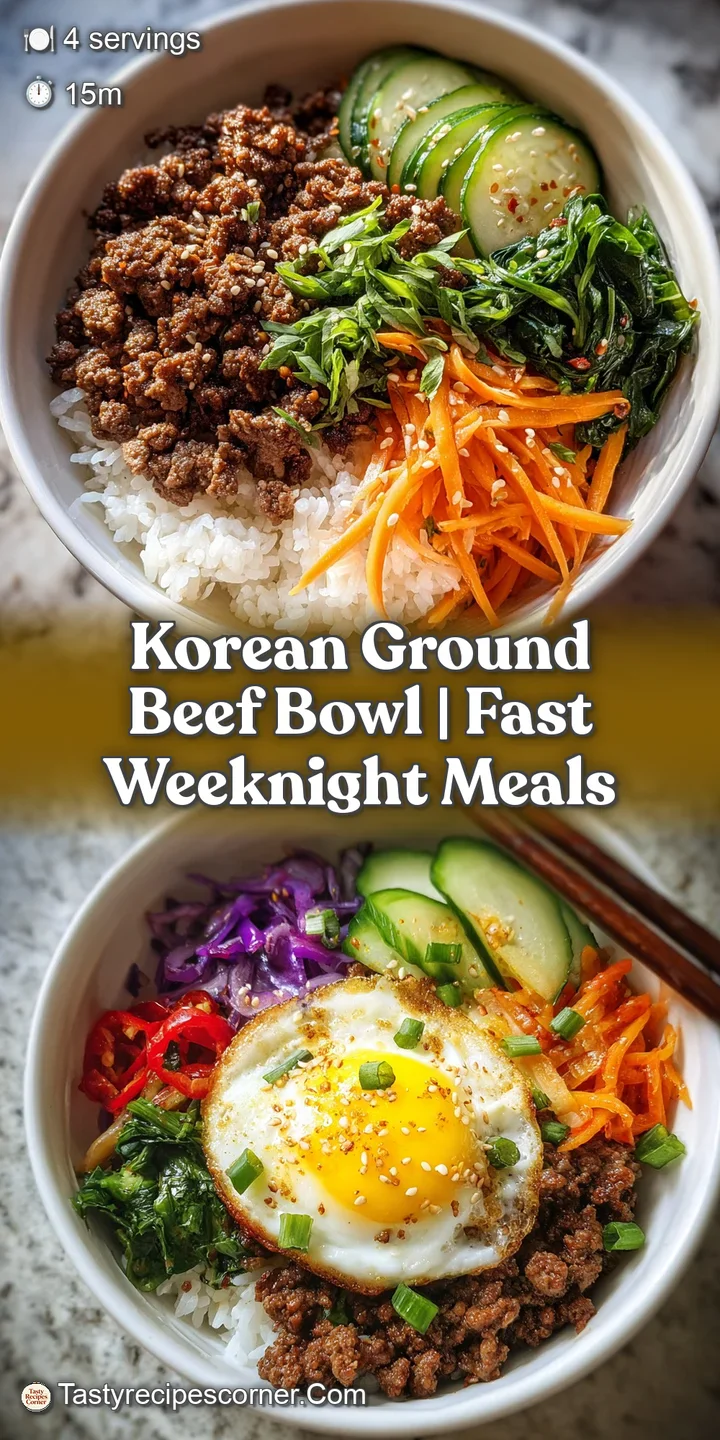
- Add the crunch. Top each bowl with 1/4 cup shredded carrots and slices of Persian cucumber.
- Garnish and serve. Sprinkle with toasted sesame seeds and sliced green onions, then add a dollop of chopped kimchi.
Chef's Tip: If your sauce is too thin, don't keep cooking the beef or it will get tough. Instead, move the beef to one side and let the sauce bubble on the empty half of the pan for 30 seconds to thicken it instantly.
Avoid Common Beef Texture Pitfalls
The biggest mistake I ever made was crowding the pan. I tried to double the recipe in one skillet and ended up with a soggy mess. If you want that "shatter" on the beef, the moisture needs to escape as steam immediately.
If the pan is too full, that steam gets trapped under the meat, and you lose all that beautiful browning.
The Gray Beef Texture Problem
This happens when the pan isn't hot enough or the meat has too much moisture. The beef releases its juices, but the heat can't evaporate them fast enough, so the meat "boils" in its own liquid. To fix this, always pat your meat dry and make sure the pan is smoking slightly before you start.
| Problem | Root Cause | Solution |
|---|---|---|
| Tough or Chewy Beef | Overcooking after sauce is added | Remove from heat as soon as the sauce coats the meat. |
| Overly Salty | Using regular soy sauce instead of low sodium | Add a splash of water or a squeeze of lime to balance. |
| Bitter Aftertaste | Burnt garlic or ginger | Add aromatics only after the beef has released some fat to protect them. |
The Sticky Sauce Failure
Sometimes the sauce refuses to thicken. This usually means there wasn't enough sugar (honey) or the heat was too low. The honey needs to reach a certain temperature to caramelize and create that "tacky" feel. If it's still watery, crank the heat for 30 seconds while stirring vigorously to jumpstart the reduction.
Adapting Your Bowl for Families
We all have that one person in the family who hates spice or the one who is trying to cut carbs. The beauty of a Korean Ground Beef Bowl is how easily it shifts to fit those needs. For a Healthy Korean Ground Beef Bowl, I often swap the rice for cauliflower rice or even a bed of shredded cabbage.
It still feels hearty because the beef is so flavorful.
If you are looking to change the protein entirely, this method works brilliantly with ground turkey or chicken. Just keep in mind that poultry has less fat, so you might need to add a teaspoon of neutral oil to the pan before browning to prevent sticking. For a fun twist on flavors, you can even look at How To Make recipe techniques to give the ground beef a different savory profile before adding the Korean glazes.
| Original Ingredient | Substitute | Why It Works |
|---|---|---|
| Lean Ground Beef | Ground Turkey (93/7) | Lower calorie option. Note: Drier texture; requires 1 tsp extra oil. |
| Gochujang | Sriracha + Miso Paste | Provides heat and fermented depth if you can't find the real deal. |
| Jasmine Rice | Cauliflower Rice | Cuts carbs significantly while providing a similar neutral base. |
- Extra Crispy Bits
- Spread the beef thin and don't touch it for 5 minutes.
- Low Carb
- Serve over a "slaw" of shredded cabbage and kale.
- Kid Friendly
- Halve the Gochujang and double the honey for a "Bulgogi" style sweetness.
Storage and Zero Waste Strategies
This is one of those rare dishes that actually tastes better the next day. As it sits in the fridge, the ginger and garlic continue to penetrate the meat fibers. I usually make a double batch on Sunday for quick lunches. It stays fresh in an airtight container for up to 4 days.
For the freezer, the cooked beef holds up perfectly for 2 months. I recommend freezing the beef separately from the rice and vegetables. When you're ready to eat, thaw it overnight in the fridge and reheat it in a dry skillet.
Avoid the microwave if you can; the skillet will bring back some of those crispy edges that the microwave turns rubbery.
Don't toss those green onion roots or the ends of your Persian cucumbers! Put the onion roots in a small jar of water on your windowsill, and they'll regrow in a week. As for the cucumber ends and leftover kimchi juice, they make a killer quick pickle brine for any other veggies you have lying around.
It's soul warming to know nothing in your Tennessee kitchen is going to waste.
Complements to Round Out Your Meal
While the Korean Ground Beef Bowl is a star on its own, adding a few sides can turn it into a full blown feast. I love serving this with a side of steamed broccoli or a quick snap pea stir fry. The green, snappy texture of the veggies cuts through the richness of the beef perfectly.
If you want to lean into the breakfast for-dinner vibe, a fried egg with a runny yolk on top is a game changer. When that yolk breaks and mingles with the Gochujang sauce and the rice, it creates a whole new level of creaminess. It's very similar to the comfort you get from a Breakfast Sausage Beef recipe, providing that savory protein punch that keeps you full for hours.
Debunking Common Preparation Myths
"You must marinate ground meat for flavor." This is simply not true. Because ground beef has so much surface area, the sauce coats every nook and cranny instantly during the glaze stage. Marinating ground meat often results in a mushy texture because the salt breaks down the proteins too early.
"Gochujang is just hot sauce." Not even close. While it has heat, it's primarily a fermented bean paste. It provides a thick, syrupy body and a funky depth that Sriracha or Frank's simply cannot replicate. It's the "secret sauce" that makes this a Weeknight Korean Ground Beef Bowl rather than just spicy hamburger meat.
"Rinsing rice removes all the nutrients." While it removes some surface starch, rinsing is essential for this Ground Beef Bowl Recipe. If you don't rinse your jasmine rice, it will be gummy and clumpy. We want distinct, fluffy grains that can soak up that velvety beef glaze without turning into porridge.
It's a small step that makes a massive difference in the final mouthfeel of the dish.
HIGH in Sodium
845 mg 845mg of sodium per serving (37% 37% of daily value)
The American Heart Association recommends limiting sodium intake to about 2,300mg per day for overall cardiovascular health.
Smart Swaps to Reduce Sodium:
-
Dilute Soy Sauce-25%
Use half the amount of low-sodium soy sauce called for in the recipe, and replace the rest with water or a no-sodium added broth. This significantly cuts down on the sodium from the sauce.
-
Reduce Gochujang-20%
Gochujang can be quite salty. Use half the amount, and supplement with a pinch of red pepper flakes to maintain the desired level of spiciness.
-
Limit Kimchi-15%
Kimchi contributes a significant amount of sodium. Use half the amount suggested, or consider using a low-sodium kimchi alternative, if available.
-
Rinse the Beef-10%
Rinse the ground beef after cooking to remove excess fat and some sodium that may have been added during processing. Make sure to thoroughly drain.
-
Flavor Boost
Enhance flavor with sodium free options like fresh herbs (cilantro, basil), spices (ginger, garlic powder, black pepper), lemon juice, or vinegar. Experiment to find your favorite flavor combinations!
Recipe FAQs
What goes in a Korean Beef Bowl?
Ground beef, soy sauce, gochujang, honey, garlic, and ginger are key. You'll also typically find aromatics like green onions and sesame seeds, often served over rice with vegetables like carrots or cucumbers.
What is a Korean Beef Bowl called?
It's commonly known as a Korean Ground Beef Bowl. While there isn't one single, universally accepted Korean name, this English translation accurately describes the dish featuring seasoned ground beef served over rice.
What is a traditional Korean beef dish?
Bulgogi is a very traditional Korean beef dish. This dish typically involves thinly sliced marinated beef, often sirloin or ribeye, grilled on a barbecue or stove top. Our Korean Ground Beef Bowl offers a similar flavor profile with the convenience of using ground beef.
What is Korean ground beef?
Korean ground beef refers to ground beef seasoned with characteristic Korean flavors. This usually includes soy sauce, garlic, ginger, and gochujang (Korean chili paste) for a sweet, savory, and slightly spicy profile, often served as a quick meal over rice.
Can I substitute ground chicken for ground beef?
Yes, you can substitute ground chicken. It will offer a lighter flavor and texture, similar to how using poultry can alter recipes like our Beef Breakfast Sausage: The Best Homemade Recipe. Ensure you add a little oil to the pan as chicken has less fat.
How do I make the sauce thicker for my Korean Ground Beef Bowl?
Simmer the sauce uncovered over medium high heat. This allows excess liquid to evaporate, concentrating the flavors and creating a thicker, syrupy glaze. Alternatively, a cornstarch slurry can be added for a quicker thickening solution.
Is it true that marinating ground beef is unnecessary for this recipe?
Yes, this is generally true for ground beef. Due to its high surface area, ground meat absorbs flavors quickly during the cooking and glazing process. Marinating can even lead to a mushy texture, unlike with larger cuts like in a Top Round Roast Recipe: Easy, Tender, and Flavorful.
Korean Ground Beef Bowl

Ingredients:
Instructions:
Nutrition Facts:
| Calories | 362 kcal |
|---|---|
| Protein | 25.8 g |
| Fat | 11.2 g |
| Carbs | 37.4 g |
| Fiber | 2.1 g |
| Sugar | 8.3 g |
| Sodium | 845 mg |
