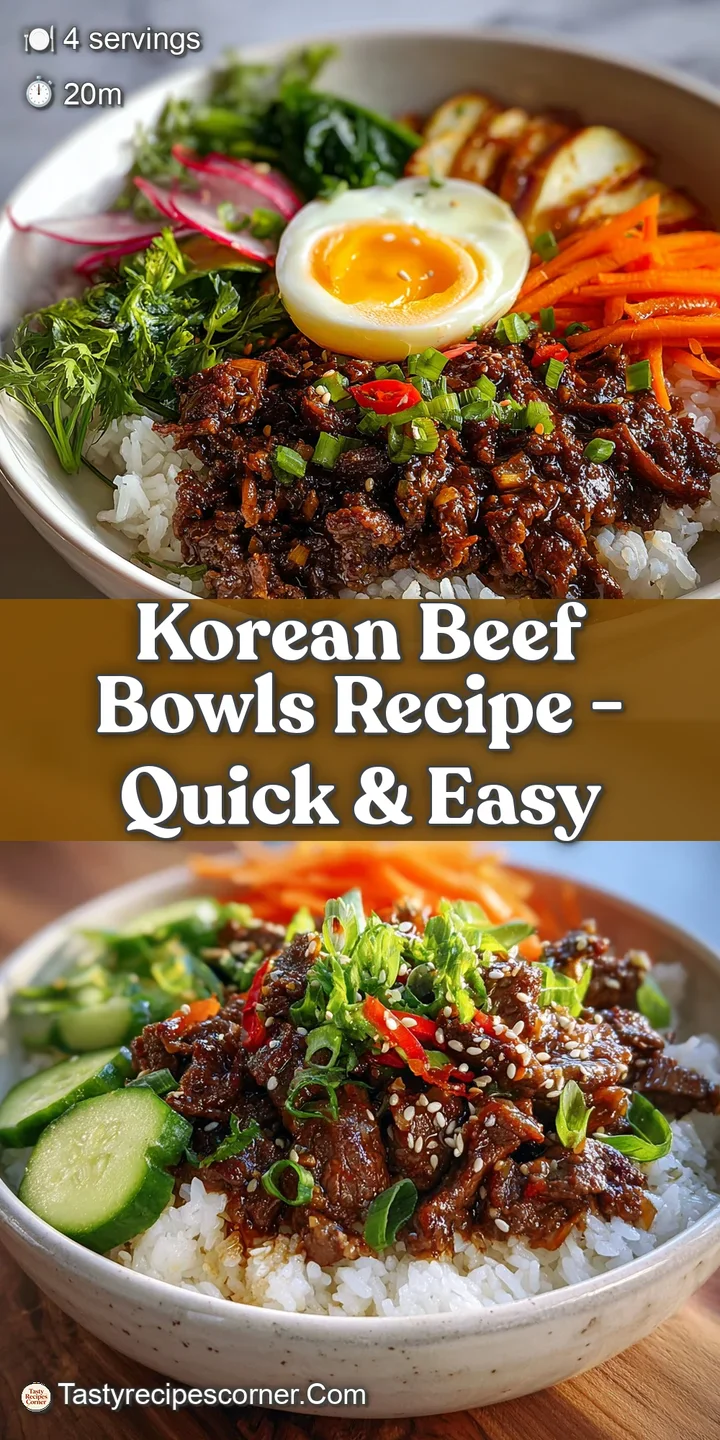
Korean Beef Bowls Recipe: Easy Homemade
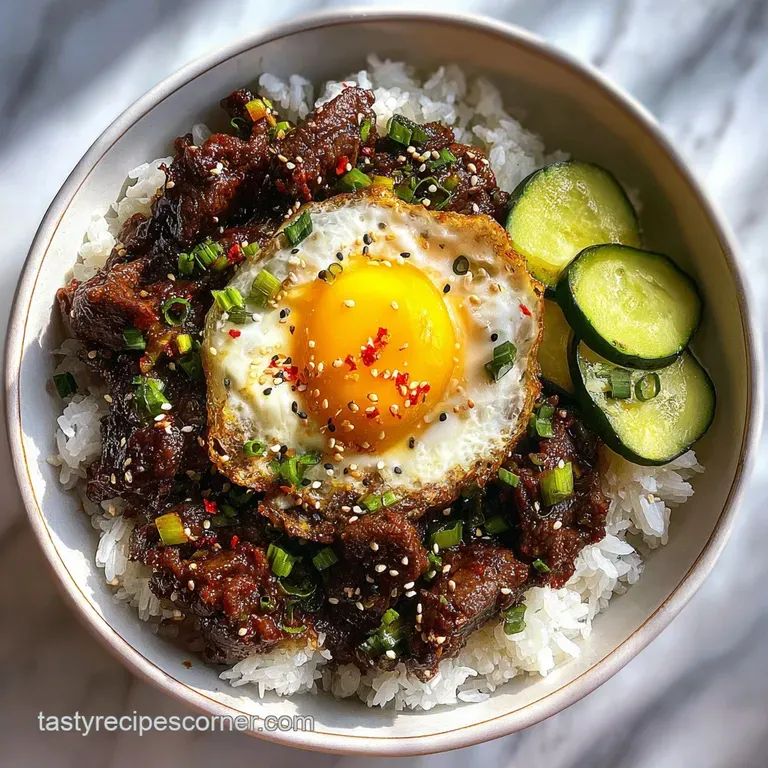
- Time: Active 10 minutes, Passive 10 minutes, Total 20 minutes
- Flavor/Texture Hook: Caramelized, sticky sweet glaze with a subtle gochujang kick and crisp cucumbers
- Perfect for: Busy weeknight dinners, meal prep enthusiasts, and beginner cooks looking for big flavor
- Make My Favorite Savory Korean Beef Bowls Recipe
- Essential Techniques for Perfect Browning
- Success Checkpoints for Your Meal
- Soul Warming Components for Your Base
- Simple Kitchen Tools You Need
- Step-by-Step Sizzling Beef Guide
- Solving Common Kitchen Mishaps
- Creative Substitutions to Try
- Storage and Reheating Tips
- Hearty Side Dishes for Your Bowl
- Korean Beef Bowls Recipe FAQs
- 📝 Recipe Card
Make My Favorite Savory Korean Beef Bowls Recipe
There's a specific sound in my kitchen that always means a good night is coming, it's that sharp, aggressive sizzle when cold ground beef hits a screaming hot cast iron skillet. On those damp, chilly Tennessee evenings when the wind is rattling the windowpane, I crave something that hits every corner of my palate.
This dish isn't just about hunger, it's about that intoxicating aroma of toasted sesame oil and fresh ginger filling the room, making everyone drift toward the stove before the rice is even done.
I remember the first time I tried making this, I was so worried about the "authentic" labels that I overthought every single step. But honestly, the beauty of this korean beef bowls recipe lies in its simplicity and the way the flavors build on top of each other.
We're talking about a humble pound of beef that gets a complete makeover with a few pantry staples. It’s hearty, it’s comforting, and it’s become the most requested meal in our house when we need a win.
We’re going to focus on getting those crispy, caramelized bits of meat that provide so much texture. You’ll see how a little bit of gochujang provides a deep, smoky warmth without blowing your head off with heat.
By the time you’re layering that glossy beef over a bed of fluffy jasmine rice, you’ll understand why this is my go to soul warming meal. Let's get that skillet hot and get to work.
Essential Techniques for Perfect Browning
The Maillard Reaction and Sugar Bonds: When the proteins in the beef hit high heat and mingle with the brown sugar, they undergo a chemical reaction that creates hundreds of new flavor compounds and a dark, savory crust.
This caramelization is what separates a bland bowl from one that tastes like it came from a professional kitchen.
- over High heat Searing: Start with a dry, hot pan to ensure the meat browns rather than steams in its own juices.
- Cold Rice Contrast: Serving the hot, glazed beef over slightly cooled rice prevents the grains from becoming mushy and keeps the textures distinct.
- Aromatics Layering: Adding the ginger and garlic after the meat is browned protects their delicate oils from burning and becoming bitter.
- Emulsified Glaze: The gochujang acts as a thickener, binding the soy sauce and oil into a velvety coating that clings to every morsel of meat.
If you enjoy the way these flavors come together, you might also want to try my Spicy Korean BBQ recipe for your next weekend cookout.
| Meat Thickness | Finishing Temp | Rest Time | Visual Cue |
|---|---|---|---|
| Ground Crumbles | 160°F | 2 minutes | Dark brown with no pink |
| Flank Steak Strips | 145°F | 5 minutes | Slight pink in the center |
| Beef Patties | 160°F | 3 minutes | Clear juices when pressed |
A quick tip from my kitchen to yours: always let your ground beef sit on the counter for about 15 minutes before cooking. If the meat is ice cold when it hits the pan, it drops the temperature too fast, and you’ll end up with grey, boiled looking meat instead of those beautiful charred edges we’re after.
Success Checkpoints for Your Meal
Cooking is just as much about timing as it is about ingredients. In this recipe, we are looking for specific cues that tell us the flavor is developing correctly. When you add the brown sugar, watch for the liquid to transition from a thin sauce to a bubbling, sticky glaze that leaves a trail when you pull a spoon through it.
That is the sweet spot where the sugar has reached the right concentration to coat the beef without turning into hard candy.
| Component | Science Role | Pro Secret |
|---|---|---|
| Gochujang | Fermented Umami | Adds depth that plain chili flakes can't match. |
| Brown Sugar | Caramelization | The molasses content helps create a stickier, darker glaze. |
| Sesame Oil | Aromatic Fat | Use only at the end to keep the delicate scent from evaporating. |
| Fresh Ginger | Enzyme Breakdown | Contains zingibain, which helps slightly tenderize the beef fibers. |
The rice is another checkpoint. Jasmine rice has a floral scent and a slightly sticky texture that is the perfect foil for the savory beef. If you find yourself out of jasmine, a short grain sushi rice works well too, as it holds onto the sauce beautifully.
Just make sure you rinse your rice until the water runs clear to remove excess starch, ensuring you get fluffy grains rather than a gummy block.
Soul Warming Components for Your Base
When gathering your ingredients, remember that the quality of your beef and the freshness of your aromatics will do most of the heavy lifting. I always reach for a lean ground beef so I don't have to drain away all the flavor along with the fat.
- 1 lb Lean Ground Beef (85/15 or 90/10 ratio): Why this? Lean beef browns better and doesn't leave the bowl feeling greasy or heavy.
- 3 cloves Garlic, minced: Why this? Provides the foundational savory aroma that defines the base of the dish.
- 1 tbsp Fresh Ginger, grated: Why this? Offers a bright, peppery bite that cuts through the richness of the meat.
- 2 tbsp Gochujang (Korean red chili paste): Why this? This is the soul of the sauce, providing funk, sweetness, and heat.
- 3 tbsp Low Sodium Soy Sauce: Why this? Adds essential salt and depth without making the dish overly salty.
- 2 tbsp Light Brown Sugar: Why this? Balances the heat of the gochujang and helps the meat caramelize.
- 1 tsp Toasted Sesame Oil: Why this? A little goes a long way for that signature nutty, toasted scent.
- 0.5 tsp Red Pepper Flakes: Why this? Adds an extra layer of heat for those who like a little tingle.
- 2 cups Cooked Jasmine Rice: Why this? The perfect neutral, aromatic base to soak up all the extra sauce.
- 1 cup Shredded Carrots: Why this? Adds a natural sweetness and a much needed crunch to the bowl.
- 1 small Cucumber, thinly sliced: Why this? Provides a cooling contrast to the warm, spicy beef crumbles.
- 2 Green Onions, thinly sliced: Why this? Use both white and green parts for a fresh, oniony finish.
- 1 tsp Toasted Sesame Seeds: Why this? A final touch of texture and a classic visual garnish.
Chef Tip: Freeze your knob of fresh ginger for 10 minutes before grating. It becomes much firmer, and you won't end up with those annoying stringy fibers in your sauce.
Simple Kitchen Tools You Need
You don't need a professional kitchen to pull off a fantastic beef bowl. A large skillet is your best friend here, preferably cast iron or heavy bottomed stainless steel. These materials hold heat much better than thin aluminum pans, which is crucial for getting that sear we talked about.
You will also want a sturdy wooden spoon or a flat edged spatula. This helps you break up the beef into small, uniform crumbles and scrape up the "fond" those delicious brown bits stuck to the bottom of the pan after searing.
A microplane or a fine grater is essential for the ginger and garlic to ensure they melt into the sauce rather than leaving big, spicy chunks in someone's bite.
If you're making this for a larger family, consider using a wok. The high sides allow you to toss the beef and vegetables more vigorously without making a mess on your stovetop. Just remember that if you're doubling the recipe, you may need to work in batches to keep the pan temperature high.
step-by-step Sizzling Beef Guide
- Prep the vegetables. Thinly slice the cucumber and green onions, and shred the carrots. Note: Having these ready prevents the beef from overcooking while you're chopping.
- Heat the skillet. Place a large skillet over medium high heat for 3 minutes until a drop of water flicked onto it dances and evaporates instantly.
- Brown the beef. Add the 1 lb Lean Ground Beef to the hot pan. Cook for 5 to 7 minutes until browned and crispy, breaking it into small crumbles with a spatula.
- Aromatize the meat. Stir in the 3 cloves of minced garlic and 1 tbsp of grated ginger. Sauté for 1 minute until fragrant, being careful not to let the garlic turn dark brown.
- Build the sauce. Add the 2 tbsp Gochujang, 3 tbsp Low Sodium Soy Sauce, and 2 tbsp Light Brown Sugar directly to the pan.
- Glaze the crumbles. Stir the mixture constantly for 2 to 3 minutes until the sauce thickens and coats the beef in a glossy, sticky glaze.
- Add the finishing touches. Stir in the 1 tsp Toasted Sesame Oil and 0.5 tsp Red Pepper Flakes. Heat for 30 seconds until the aroma blooms.
- Prepare the base. Portion the 2 cups of Cooked Jasmine Rice into four bowls.
- Assemble the bowls. Divide the glazed beef over the rice. Arrange the 1 cup of shredded carrots and sliced cucumbers on the side.
- Garnish and serve. Sprinkle with sliced green onions and 1 tsp of toasted sesame seeds before serving warm.
| Original Ingredient | Substitute | Why It Works |
|---|---|---|
| Gochujang | Sriracha + Miso | Sriracha provides heat while miso adds the fermented depth. |
| Ground Beef | Ground Turkey | Lower fat content. Note: Turkey is leaner and may require a splash of oil to brown properly. |
| Jasmine Rice | Cauliflower Rice | Great low carb option. Note: Texture is softer and won't absorb sauce as well. |
If you find yourself with extra ground beef and want a different flavor profile, you might enjoy my Korean Ground Beef recipe which offers a slightly different take on this savory classic. It's a great way to use the same basic ingredients in a new way.
Solving Common Kitchen Mishaps
Even the best of us have nights where things don't go according to plan. The most common issue people face with this dish is "grey meat." This happens when the pan isn't hot enough or is too crowded, causing the meat to release liquid and steam rather than sear. If you see liquid pooling in the pan, don't panic.
Just turn the heat up and wait for the water to evaporate so the browning can finally begin.
Another hurdle is the salt level. Because soy sauce and gochujang are both naturally salty, it can be easy to go overboard. I always recommend using low sodium soy sauce as a baseline. You can always add a pinch of salt at the end, but you can't take it away once it's in there.
If it does end up too salty, a small squeeze of lime juice or a teaspoon of rice vinegar can help balance it out with acidity.
The Beef is Watery and Grey
If your beef looks like it's boiling in the pan, you likely didn't preheat the skillet long enough or you're using meat with a high water content. To fix this, move the meat to the sides of the pan to create a "well" in the center where the liquid can evaporate faster.
The Sauce is Too Salty
Sometimes the combination of soy and gochujang can hit the salt limit quickly. The best fix is to add a little more brown sugar or a splash of water to dilute the intensity without losing the flavor profile.
The Garlic Burnt
Garlic is delicate and burns in seconds at high heat. If yours turned black and bitter, there's no saving it. You'll need to wipe the pan and start that step over. Next time, make sure the beef has plenty of rendered fat or oil to buffer the garlic from the direct heat of the pan.
| Problem | Root Cause | Solution |
|---|---|---|
| Tough Meat | Overcooking after glazing | Remove from heat immediately once the sauce is sticky. |
| Bland Flavor | Not enough ginger/garlic | Ensure aromatics are fresh and use the full recommended amount. |
| Soggy Vegetables | Adding them to the hot pan | Keep vegetables raw and cold for the best textural contrast. |
Common Mistakes Checklist: ✓ Never crowd the pan; if doubling, cook the beef in two separate batches. ✓ Don't skip the ginger; it provides a necessary brightness that balances the heavy beef. ✓ Ensure the rice is hot but the cucumbers are cold for that "pro" restaurant feel.
✓ Wait until the very end to add sesame oil to preserve its delicate flavor. ✓ Use a heavy duty pan like cast iron for the best possible sear.
Creative Substitutions to Try
Sometimes we want to lighten things up or we’re missing a key ingredient. If you’re looking for a healthy korean beef bowl recipe, you can easily swap the jasmine rice for a bed of sautéed kale or even quinoa.
The savory beef glaze is so flavorful that it makes almost any base taste incredible.
- If you want a low carb version, use cauliflower rice or large lettuce leaves to make "Korean Beef Wraps."
- If you want a different protein, ground pork is a fantastic alternative that pairs naturally with the sweetness of the brown sugar.
- If you want it kid friendly, omit the red pepper flakes and reduce the gochujang by half, replacing it with an extra tablespoon of soy sauce.
For those mornings when you want that same savory beef flavor but in a breakfast format, I highly recommend checking out my Beef Sausage Recipe. It uses similar spices to create a hearty start to the day.
When it comes to scaling this recipe, it's quite simple. If you are cooking for two, just halve everything. For a crowd, you can double the ingredients, but remember my batch cooking rule for the beef.
Spices shouldn't always be doubled exactly; I usually start with 1.5 times the red pepper flakes and gochujang and then taste as I go.
Storage and Reheating Tips
This is one of those rare dishes that actually tastes better the next day. As the beef sits in the fridge, the ginger, garlic, and gochujang continue to permeate the meat fibers, deepening the flavor.
- Fridge: Store the beef and rice in separate airtight containers for up to 3 or 4 days. Keeping them separate prevents the rice from soaking up all the sauce and becoming mushy.
- Freezer: The cooked beef crumbles freeze beautifully for up to 3 months. Let them cool completely before placing them in a freezer bag. To use, thaw overnight in the fridge.
- Reheating: For the best texture, reheat the beef in a skillet over medium heat with a tiny splash of water to loosen the glaze. If using a microwave, cover the dish with a damp paper towel to keep the meat from drying out.
To minimize waste, don't throw away the green onion roots or the cucumber ends. You can put green onion bottoms in a jar of water on your windowsill, and they’ll regrow in about a week. Leftover shredded carrots can be tossed into a morning smoothie or a quick slaw for lunch the next day.
Hearty Side Dishes for Your Bowl
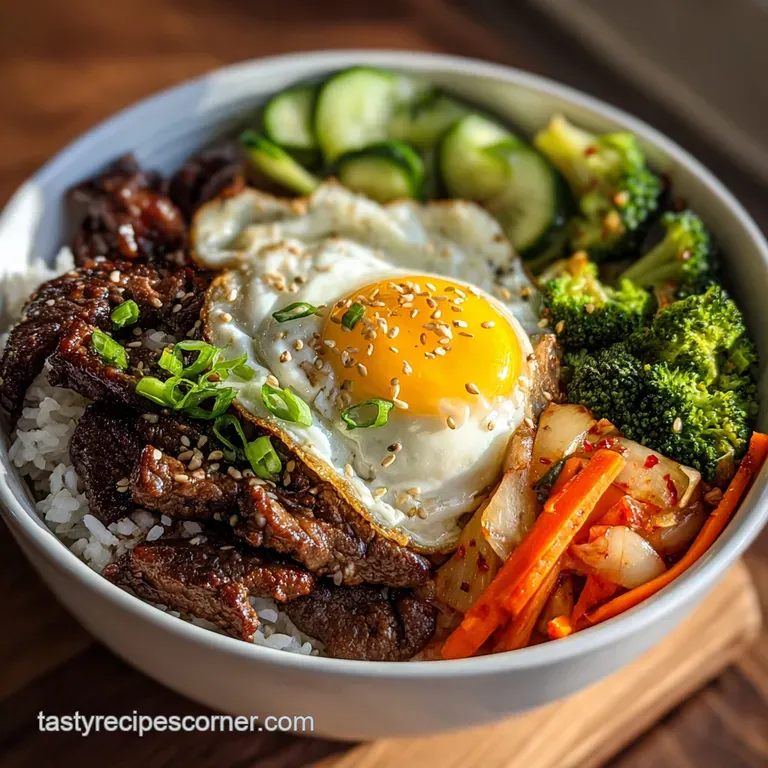
While this korean beef bowls recipe is a complete meal on its own, adding a few extra sides can turn it into a full spread feast. A traditional choice would be a side of kimchi the fermented cabbage adds a sour, spicy crunch that cuts right through the richness of the beef.
If you aren't a fan of kimchi, a simple sesame slaw made with shredded cabbage, rice vinegar, and a touch of honey is a great alternative. For something warmer, try some quick steamed bok choy or broccoli drizzled with a little extra soy sauce and sesame oil.
| Method | Time | Texture | Best For |
|---|---|---|---|
| Stovetop | 10 minutes | Crispy, caramelized bits | Quick weeknight dinners |
| Oven (Broiled) | 8 minutes | Evenly browned crumbles | Larger batches on a sheet pan |
| Slow Cooker | 4 hours | Soft, tender meat | Infusing deep spice flavor |
One myth I hear a lot is that you should always rinse your ground beef to remove fat. Please, don't do that! You lose all the flavor and the ability to get that beautiful sear. If there’s too much fat for your liking, just tilt the pan and spoon it out, or dab the cooked meat with a paper towel.
The goal is a hearty, soul warming meal that leaves everyone satisfied, and a little bit of fat is what carries that flavor home. Trust me, once you see those caramelized edges, you'll never go back to basic ground beef again.
Korean Beef Bowls Recipe FAQs
What's in a Korean beef bowl?
Typically, it includes seasoned, stir fried ground beef served over rice. Common additions are fresh vegetables like shredded carrots and sliced cucumbers, along with a savory glaze made from soy sauce, sugar, and often gochujang for a bit of heat.
What vegetables go with Korean beef bowls?
Shredded carrots and thinly sliced cucumbers are classic. You can also add bell peppers, onions, or even a simple side of steamed broccoli or bok choy for extra freshness and crunch.
What is a traditional Korean beef dish?
Bulgogi is a very popular traditional Korean beef dish. It typically features thinly sliced, marinated beef that is grilled or pan-fried, often with a sweet and savory soy-based marinade.
What is the difference between bulgogi and a beef bowl?
Bulgogi specifically refers to thinly sliced, marinated beef, usually grilled. A Korean beef bowl is a broader term that often uses ground beef (like in this recipe) served over rice with various toppings, offering a quicker preparation.
Can I make Korean beef bowls ahead of time?
Yes, the cooked beef can be made up to 3 days in advance. Store it separately from the rice and fresh vegetables to maintain the best texture; reheat the beef gently before assembling the bowls.
How do I get crispy browned beef for my bowl?
Use a hot skillet and don't overcrowd the pan. Searing the ground beef over medium high heat in batches allows moisture to evaporate, promoting browning and crispy edges, similar to how you'd achieve perfect browning when making homemade beef sausage.
What can I serve with Korean beef bowls?
A simple side of kimchi or a quick sesame slaw pairs wonderfully. Steamed vegetables like bok choy or broccoli, drizzled with a little soy sauce, also complement the savory flavors of the beef.
Korean Beef Bowls Recipe
Ingredients:
Instructions:
Nutrition Facts:
| Calories | 469 kcal |
|---|---|
| Protein | 26.8 g |
| Fat | 14.4 g |
| Carbs | 55.2 g |
| Fiber | 2.1 g |
| Sugar | 10.4 g |
| Sodium | 615 mg |
