Easy Beef Sausage Breakfast: Juicy Homemade Patties
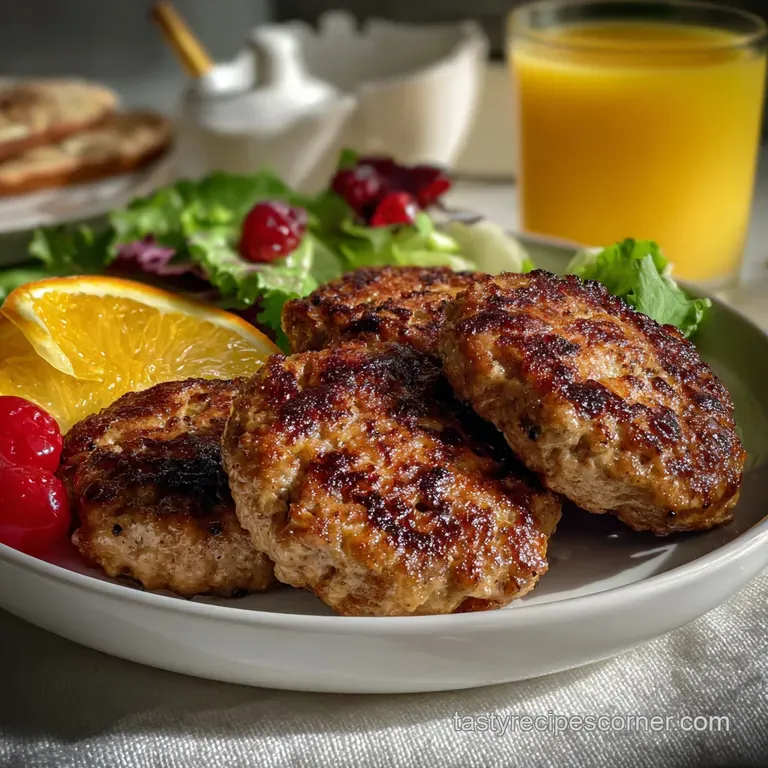
- Effort/Time: 25 minutes total (15 mins prep, 10 mins cook).
- Key Flavor Hook: The aromatic blend of rubbed sage and earthy nutmeg paired with a hint of maple sweetness.
- Perfect for: Weekend brunches, high-protein meal prep, or anyone looking for a pork-free breakfast alternative.
- The Ultimate Beef Sausage Breakfast: A Juicy Pork-Free Alternative
- The Science Behind Why This Savory Beef Sausage Recipe Works
- Essential Ingredients for Your Beef Sausage Breakfast Patties
- Smart Ingredient Substitutions and Customizations
- Step-by-Step Instructions for Making Homemade Beef Sausage
- Expert Tips and Common Mistakes to Avoid
- Safe Storage and Flash-Freezing Guidelines
- Serving Suggestions for a Complete Beef Sausage Breakfast
- Nutrition Information
- Recipe FAQs
- 📝 Recipe Card
The Ultimate Beef Sausage Breakfast: A Juicy Pork Free Alternative
Close your eyes for a second and imagine this: It’s a rainy Saturday morning. The house is quiet, but then you hear it that rhythmic sizzle as cold meat hits a hot cast iron skillet.
Within seconds, the kitchen is flooded with the scent of warm sage, pungent garlic, and a tiny hint of sweet maple. That, my friend, is the smell of a proper beef sausage breakfast .
I used to think that breakfast sausage absolutely had to be pork to be "real." I spent years settling for dry, crumbly beef alternatives that tasted more like a sad hamburger than a breakfast staple. But I was wrong. Totally wrong.
The secret I learned after many, many failed attempts is that a beef sausage breakfast doesn't have to be a compromise. You can get that same "snap," that same juicy interior, and that iconic "breakfast" flavor profile without a single ounce of pork. This recipe is the result of my obsession with the perfect morning patty. It’s a staple in my house now, and once you try it, you’ll see why. If you've been searching for something different, or perhaps you're looking for a juicy alternative to poultry, you might also want to check out my guide on How To Cook Turkey Sausage On The Skillet: Juicy Crispy .
But today, we are talking beef. We’re talking about a recipe that is bold, peppery, and incredibly satisfying. Whether you’re tucking these into a toasted biscuit or serving them alongside a pile of fluffy scrambled eggs, this beef sausage breakfast is going to change your morning routine forever.
Let's get into the nitty gritty of how to make this work.
The Science Behind Why This Savory Beef Sausage Recipe Works
Defining the Perfect Morning Flavor Profile
What makes a sausage taste like "breakfast" rather than just "dinner meat"? It’s all about the spice chemistry. The combination of sage and nutmeg is the DNA of the American breakfast palate. Sage contains aromatic oils that are released when heated, providing an earthy, slightly minty backbone.
Nutmeg, even in tiny amounts, adds a "warmth" that our brains associate with comfort food. When these hit the beef, they transform the flavor profile entirely.
But there’s also the element of sweetness. We use a single tablespoon of maple syrup. Scientifically, this isn't just for flavor. The sugars in the syrup participate in the Maillard reaction —the chemical reaction between amino acids and reducing sugars that gives browned food its distinctive flavor.
This helps the beef sausage breakfast develop a beautiful, deep brown crust in a very short amount of cooking time.
The Role of Fat Ratios in Achieving Juiciness
If you use 90/10 ground beef, I’ll be honest: you’re going to have a bad time. Beef is naturally leaner than pork, and it loses moisture much faster during the cooking process. To get a juicy beef sausage breakfast , you need an 80/20 lean-to-fat ratio.
This 20% fat content is critical because it acts as a thermal insulator for the protein fibers.
As the meat cooks, the fat melts and coats the protein, preventing it from tightening up too much and squeezing out all the juices. This is also why we add a tablespoon of ice-cold water.
It sounds weird, but that water helps create a temporary emulsion with the fat and spices, ensuring the moisture stays trapped inside the patty rather than evaporating the second it hits the heat.
Why Sage and Maple are Essential for Breakfast Authenticity
We use dried rubbed sage specifically because it has a softer, more pervasive flavor than fresh sage in a quick fry application. The "rubbed" version is essentially pulverized, which means it distributes evenly throughout the meat.
Every bite of your beef sausage breakfast will have that consistent herbaceous hit.
The maple syrup acts as a bridge between the salt and the heat from the red pepper flakes. It’s not meant to make the sausage "sweet" like a dessert; it’s there to provide a roundness to the flavor. It balances the "iron" taste that can sometimes be overwhelming in ground beef, making it taste more like a traditional breakfast sausage. For a deeper look at the spice ratios, you can see how this compares to my Beef Breakfast Sausage: The Best Homemade Recipe .
Essential Ingredients for Your Beef Sausage Breakfast Patties
To make this beef sausage breakfast , you need ingredients that work in harmony. We aren't just throwing things in a bowl; we are building a flavor structure.
- 1 lb Ground Beef (80/20): The foundation. Don't go leaner, or you'll end up with "hockey pucks."
- 1 tbsp Maple syrup: Provides the sugar for browning and a hint of sweetness.
- 1 tbsp Ice-cold water: The secret to an emulsified, juicy texture.
- 1 ½ tsp Dried rubbed sage: The primary "breakfast" aromatic.
- 1 tsp Fine sea salt: Enhances all other flavors.
- 1 tsp Freshly cracked black pepper: Provides a slow, floral heat.
- ½ tsp Dried thyme: Adds a subtle woody note.
- ½ tsp Garlic powder & Onion powder: Provides savory depth without the moisture of fresh aromatics.
- ¼ tsp Crushed red pepper flakes: For a tiny bit of "zip."
- ⅛ tsp Ground nutmeg: The "secret" spice that makes it taste authentic.
Smart Ingredient Substitutions and Customizations
I get it sometimes you’re halfway through a recipe and realize the pantry is bare. Or maybe you're trying to tweak the macros. Here is how you can swap things out without ruining your beef sausage breakfast .
| Original Ingredient | Best Substitute | Why It Works / Scientific Function |
| :--- | :--- | :--- |
| 80/20 Ground Beef | Ground Lamb (20% fat) | Provides a similar fat-to-protein ratio. Note: Lamb has a much gamier, distinct flavor that changes the dish entirely. |
| Maple Syrup | Brown Sugar (1 tbsp) | Provides the necessary molasses and sugar for the Maillard reaction. Note: Slightly less "woody" than maple. |
| Dried Rubbed Sage | Fresh Sage (1 tbsp minced) | Provides the same aromatic profile. Note: Fresh sage can be more potent; distribute it very carefully. |
| Fine Sea Salt | Kosher Salt (1.5 tsp) | Controls the seasoning level. Note: Kosher salt crystals are larger, so you need more volume to get the same saltiness. |
| Ground Nutmeg | Ground Allspice (pinch) | Offers a similar warm, aromatic quality. Note: Allspice is stronger; use sparingly to avoid over powering. |
Selecting the Best Ground Beef Blend
When you're at the store, look for "Ground Chuck." It usually sits right at that 80/20 sweet spot. If you can get your butcher to grind it fresh, even better. The looser the grind, the more tender your beef sausage breakfast will be.
If the meat is packed too tightly in the plastic tube (the "chub"), it can lead to a denser, tougher patty.
Measuring Dry Spices for Maximum Impact
Always measure your spices into a small ramekin before adding them to the meat. There is nothing worse than the lid falling off the pepper shaker while you're holding it over a pound of expensive beef.
For the best beef sausage breakfast , make sure your spices aren't three years old. If your sage doesn't smell like anything when you rub it between your fingers, it won't taste like anything in the pan.
step-by-step Instructions for Making Homemade Beef Sausage
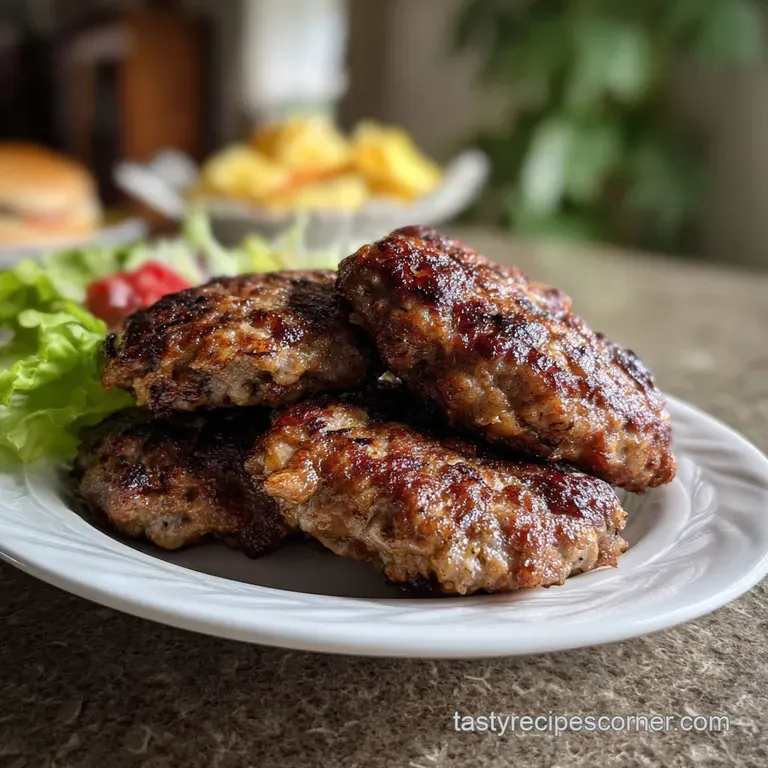
1. Chilling and Mixing the Seasoned Beef
Start with your ground beef straight from the fridge. Keeping the fat cold is the most important rule of sausage making. If the fat gets warm, it "smears" and melts out of the meat before it even hits the pan, leaving you with dry sausage.
In a large bowl, combine the 1 lb of ground beef with the maple syrup, ice-cold water, and all the dry spices. Now, here is the trick: use your hands, but don't "knead" it like bread. Think of it like tossing a salad. You want to distribute the spices and the water without crushing the meat fibers.
Over mixing leads to a rubbery texture. Mix just until the spices are visible throughout.
2. Pro Techniques for Shaping Uniform Patties
Divide the mixture into four equal portions. Gently roll them into balls, then flatten them into discs about 1/2 inch thick.
Chef’s Expert Tip: Use your thumb to make a slight indentation (a dimple) in the center of each patty. Sausages tend to puff up in the middle as the proteins contract during cooking.
This "thumbprint" trick ensures your beef sausage breakfast stays flat and cooks evenly, rather than turning into a meatball.
3. Pan-Searing for a Perfect Maillard Crust
Heat a heavy skillet (cast iron is king here) over medium high heat. You shouldn't need much oil since the beef has 20% fat, but a tiny wipe of neutral oil can help the first batch. Once the pan is shimmering, lay the patties in. Listen for the sizzle.
If you don't hear a loud sizzle, your pan isn't hot enough.
Cook for 4- 5 minutes on the first side. Do not move them! You want that deep, golden brown crust to form that’s where the flavor lives.
Flip and cook for another 4- 5 minutes until the internal temperature reaches 160° F ( 71° C). The patties should be firm to the touch but still give a little when pressed.
4. Alternative Method: Using the Air Fryer
If you’re in a rush, you can make this beef sausage breakfast in the air fryer. Preheat it to 375° F ( 190° C).
Place the patties in a single layer and cook for 8- 10 minutes, flipping halfway through. You won't get quite the same "shatter" on the crust as a cast iron skillet, but it’s a great hands off method for busy mornings.
Expert Tips and Common Mistakes to Avoid
Success in the kitchen is often about what you don't do. Here are the things I've learned the hard way.
Chef’s Expert Note: For the absolute best flavor, mix your meat and spices the night before. This allows the salt to start breaking down the proteins slightly (a process called "denaturing"), which creates a better "snap" or "bind" in the sausage.
It also lets the sage and nutmeg fully hydrate and permeate the meat.
| Common Mistake | Root Cause | The Fix |
| :--- | :--- | :--- |
| Sausage is Dry | Meat was too lean or overcooked. | Use 80/20 beef and use a meat thermometer to pull them at 160° F. |
| Patties Falling Apart | Not enough "bind" or meat was handled too much. | Add the 1 tbsp ice-cold water and let the mixture rest in the fridge for 10 mins before shaping. |
| Gray, Not Brown | Pan wasn't hot enough or pan was crowded. | Heat the skillet until it smokes slightly and cook in batches if necessary. |
| Too Salty | Using Table Salt instead of Sea Salt. | Table salt is denser; if using it, reduce the amount by half. |
Safe Storage and Flash Freezing Guidelines
One of the best things about a beef sausage breakfast is that it is incredibly meal prep friendly. You can make a double or triple batch and have breakfast ready for the whole week.
In the Fridge: Store cooked patties in an airtight container for up to 4 days. I like to put a piece of parchment paper between layers so they don't stick together.
Freezing Raw: This is my favorite method. Shape the patties, place them on a baking sheet lined with parchment paper, and freeze them for 2 hours (this is "flash freezing"). Once they are hard, toss them into a freezer bag. They will keep for 3 months.
You can cook them straight from frozen; just add 2 minutes per side to the cook time.
Freezing Cooked: Follow the same flash freezing method for cooked patties. They are great for quick microwave reheating on busy mornings.
Serving Suggestions for a Complete Beef Sausage Breakfast
Now that you've mastered the patty, what do you do with it? A beef sausage breakfast is the ultimate team player.
How to Prevent Dry or Crumbly Sausage Texture
If you find your sausage is still coming out a bit crumbly, it might be that the meat was too warm when you mixed it. Try freezing your mixing bowl and your beef for 15 minutes before you start. This keeps the fat solid, which is the key to a cohesive, "bouncy" sausage texture.
Optimal Reheating Methods to Maintain Juiciness
Whatever you do, don't microwave these on high for 3 minutes. You'll turn that beautiful beef into leather. The best way to reheat is in a skillet over medium heat with a splash of water and a lid. The steam will gently warm the meat without drying it out.
If you must use a microwave, use 50% power in 30 second bursts.
Best Side Dish Pairings: From Eggs to Biscuits
These patties are incredible when crumbled into a Breakfast Casserole: The Overnight Sourdough Sausage Bake . The savoriness of the beef cuts through the richness of the eggs and bread perfectly. Alternatively, serve them with a side of sweet potato hash or tucked into a toasted English muffin with a slice of sharp cheddar cheese for a world class beef sausage breakfast sandwich .
Meal Prep Ideas: Flash Freezing Raw vs. Cooked Patties
I personally prefer freezing them raw. There is something about the fresh sear of a patty that you just can't replicate with a reheat. However, if you are someone who only has 60 seconds to get out the door, the cooked and frozen method is your best friend.
These also make a great high protein snack post workout just grab a cold one from the fridge (don't judge, it's delicious).
Making a beef sausage breakfast at home is one of those small kitchen wins that makes you feel like a pro. You control the ingredients, you control the quality of the meat, and you avoid all the weird preservatives found in the pre-packaged stuff.
Once you hear that first sizzle and smell that sage hitting the heat, you'll never go back to store-bought again. Happy cooking!

Nutrition Information
| Nutrient | Amount |
|---|---|
| Calories | 222 calories |
| Protein | 19.6 g |
| Fat | 12.8 g |
| Carbs | 3.5 g |
| Fiber | 0.3 g |
| Sugar | 3.2 g |
| Sodium | 595 mg |
Recipe FAQs
How do I make beef breakfast sausage?
To make the sausage, combine ground beef with the aromatic blend of rubbed sage and any required spices, ensuring you mix in the secret cold water technique mentioned in the recipe notes. This technique helps bind the fat correctly, guaranteeing incredibly juicy patties that rival pork versions.
How to make beef breakfast sausage patties?
Form the seasoned mixture into uniform patties before cooking to ensure even results; uniformity is key to achieving that perfect succulence throughout. Remember to use the specified fat ratio provided in the main recipe to prevent the patties from drying out during the forming process.
How to make beef breakfast sausage links?
Yes, you can form them into links, although this recipe focuses primarily on patties; simply stuff the seasoned mixture into natural casings if you prefer a link shape. Ensure the internal temperature reaches safe standards as links generally take slightly longer to cook through than patties.
How to cook beef breakfast sausage?
Cook the sausages over medium heat, turning frequently until they are deeply browned on both sides and cooked through to your desired doneness. Cooking slowly allows the fat ratio to render properly, contributing significantly to the final juicy texture promised by the recipe.
How to cook beef breakfast sausage links?
Links require careful cooking to ensure the center is done without splitting the casing; try pan-frying gently over medium low heat to start, allowing the heat to penetrate slowly. This method respects the casing integrity while achieving the savory, classic morning feast flavor profile.
Can I make these sausage ahead of time?
Yes, you can definitely prepare the raw sausage mixture up to two days in advance; chill the formed patties or links tightly wrapped in plastic wrap or parchment paper. When ready to cook, proceed with the standard cooking instructions, though you may need an extra minute or two if cooking directly from the refrigerator.
Juicy Beef Sausage Breakfast
Ingredients:
Instructions:
Nutrition Facts:
| Calories | 222 calories |
|---|---|
| Protein | 19.6 g |
| Fat | 12.8 g |
| Carbs | 3.5 g |
| Fiber | 0.3 g |
| Sugar | 3.2 g |
| Sodium | 595 mg |
