Homemade Cow Tales Recipe from Scratch
- Time: Active 20 minutes, Passive 25 minutes, Total 45 minutes
- Flavor/Texture Hook: Buttery, salty caramel with a silky vanilla bean core
- Perfect for: Nostalgic gifting, dessert charcuterie, or holiday treats
- Logic Behind These Perfect Creamy Candies
- Essential Specs for Flawless Caramel Texture
- Deep Dive Into Quality Candy Components
- Required Tools for Professional Results
- Proven Method for Rolling Perfect Candies
- Troubleshooting Guide for Smooth Caramel Success
- Creative Flavor Variations for Your Batch
- Storage Tips for Lasting Candy Freshness
- Elegant Presentation Levels for Any Guest
- Recipe FAQs
- 📝 Recipe Card
Logic Behind These Perfect Creamy Candies
Molecular Flexibility: The honey acts as an "interfering agent," preventing the sucrose in the coconut sugar from forming large crystals, which ensures the caramel stays pliable for rolling.
Structural Saturation: Using non fat dry milk powder in the center allows us to create a thick, pipeable paste that holds its shape without the moisture migration that would make the caramel soggy.
Method Comparison for Texture Success
| Method | Time | Texture | Best For |
|---|---|---|---|
| Stovetop (Classic) | 25 minutes | Rich, deeply browned, very flexible | Authentic flavor profile |
| Microwave (Shortcut) | 12 minutes | Lighter color, slightly more brittle | Quick batches for kids |
| Slow Cooker | 4 hours | Most intense Maillard reaction | Set and forget large batches |
Since we are focusing on that professional, high end finish, the stovetop method is our bread and butter here. The control you get over the heat is vital because ten degrees is the difference between a soft chew and a hard candy. If you are planning a full spread, these pair beautifully alongside a savory platter featuring my Beef Breakfast Sausage recipe for a sweet and salty brunch vibe.
Essential Specs for Flawless Caramel Texture
Inversion for the Perfect Chew
When we boil honey and coconut sugar, we are creating an inverted sugar syrup. This is the secret to why these candies don't get grainy over time. The honey keeps the texture "short," meaning it breaks cleanly when bitten but stretches when pulled.
Dry Milk Structural Role
Most people try to use frosting for the center, which is a huge mistake. The non fat dry milk powder provides a concentrated dairy hit without the water content of fresh milk, ensuring the "tale" doesn't dissolve from the inside out.
Maillard Reaction Magic
As the heavy cream and honey simmer, the proteins and sugars react to create hundreds of flavor compounds. This isn't just "sweet"; it's a complex, nutty, and toasted profile that defines a high-quality treat.
Deep Dive Into Quality Candy Components
| Component | Science Role | Pro Secret |
|---|---|---|
| Organic Honey | Interfering Agent | Use a darker honey like Avocado or Buckwheat for a deeper, more "toasted" flavor. |
| Non fat Dry Milk | Texture Stabilizer | Sift this twice to ensure the cream center has zero graininess or lumps. |
| Vanilla Bean Paste | Flavor Depth | The tiny flecks of bean look stunning in the white center and provide a more intense aroma than extract. |
- 1 cup grass fed butter (225g): Provides the fat base for a silky mouthfeel. Why this? Higher fat content than standard butter for better emulsification.Substitute: Cultured butter for a slight tang.
- 1 cup organic honey (340g): Prevents crystallization and adds floral notes. Why this? It's a natural invert sugar that keeps the caramel soft.Substitute: Brown rice syrup (less sweet).
- 1 cup heavy cream (240ml): Adds the necessary proteins for the Maillard reaction. Why this? Essential for that "creamy" caramel identity.Substitute: Full fat coconut milk (adds tropical notes).
- 0.5 cup coconut sugar (100g): Provides a natural caramel color and earthy sweetness. Why this? It has a lower glycemic index and a deep, toasted flavor.Substitute: Light brown sugar.
- 1.5 cups non fat dry milk powder: The bulk of our cream center. Why this? Creates structure without adding moisture that ruins the caramel.Substitute: Malted milk powder for a "malty" twist.
- 0.5 cup powdered monkfruit: Sweetens the center without adding bulk. Why this? Dissolves instantly for a velvety finish.Substitute: Standard powdered sugar.
Required Tools for Professional Results
You don't need a lab, but a few specific items make this a breeze. A heavy bottomed saucepan is non negotiable; thin pots have "hot spots" that will scorch your honey before the cream even gets warm. You'll also want a reliable candy thermometer. If you're a few degrees off, the texture will be ruined.
Chef's Note: If you don't have a candy thermometer, keep a glass of ice water nearby. Drop a small bit of caramel into the water; if it forms a ball that feels like a soft gummy bear, you're at the "soft ball" stage (about 115°C).
Finally,, grab some high-quality parchment paper or a silicone mat. Caramel is a stage five clinger, and trying to roll it on a bare counter is a recipe for a meltdown (both the candy's and yours).
Proven Method for Rolling Perfect Candies
- Combine ingredients. Place 1 cup grass fed butter, 1 cup honey, 1 cup heavy cream, and 0.5 cup coconut sugar in a heavy saucepan. Note: Using a heavy pot prevents the honey from scorching.
- Heat slowly. Warm the mixture over medium heat, stirring constantly until the butter melts and the mixture is uniform.
- Boil to stage. Increase heat slightly and cook until the thermometer reads 115°C (240°F). Note: This is the critical soft ball stage for a perfect chew.
- Cool the base. Pour the caramel onto a silicone mat and let it sit for 10 minutes until it is cool enough to handle but still flexible.
- Prep the center. Mix 1.5 cups milk powder, 0.5 cup monkfruit, 0.25 cup softened butter, 1 tsp vanilla paste, and 1.5 tbsp water until a stiff, dough like paste forms.
- Shape the cream. Roll the cream mixture into long, thin ropes about 1cm in diameter. Note: Keep your hands lightly dusted with milk powder to prevent sticking.
- Flatten the caramel. Roll the warm caramel into a large rectangle about 0.5cm thick until the surface is smooth and even.
- Encase the center. Place a cream rope on the edge of the caramel and roll the caramel over it, pinching the seam until the cream is completely sealed inside.
- Slice to size. Use a sharp, greased knife to cut the long tube into 10cm sections until you have 20 uniform pieces.
- Final set. Let the candies rest at room temperature for 30 minutes until the shapes are firm and the flavors meld.
Troubleshooting Guide for Smooth Caramel Success
Caramel Too Firm To Roll
If you overshoot the temperature and the caramel becomes too hard as it cools, it will shatter instead of wrap. This usually happens if the heat was too high or the thermometer was touching the bottom of the pan.
Grainy Or Sandy Center
This is almost always due to the milk powder or the sugar not being fine enough. If you don't sift your dry ingredients, those tiny clumps will feel like sand against the smooth caramel.
Seam Opening Up
If the caramel is too cool when you roll it, the seam won't fuse. It needs to be warm enough to be "tacky" so that it bonds to itself during the final roll.
| Problem | Root Cause | Solution |
|---|---|---|
| Oily surface | Butter separated | Whisk vigorously while boiling to keep the emulsion stable. |
| Melting center | Caramel was too hot | Let the caramel sheet cool for an extra 2 mins before adding the cream. |
| Sticky exterior | High humidity | Dust the finished "Tales" in a light coating of extra milk powder or cornstarch. |
Common Mistakes Checklist
- ✓ Never leave the pot unattended; honey based caramels can boil over in seconds.
- ✓ Calibrate your thermometer in boiling water (it should read 100°C) before starting.
- ✓ Avoid stirring the caramel once it starts boiling to prevent sugar crystals from forming on the sides.
- ✓ Use a silicone spatula to scrape the bottom of the pot constantly during the initial melt.
- ✓ Ensure the butter for the center is truly softened, not melted, or the center will be greasy.
Creative Flavor Variations for Your Batch
Once you've mastered the classic, you can start playing with the profile. I love adding a teaspoon of espresso powder to the caramel for a "macchiato" version. Or, if you're feeling adventurous, replace the vanilla bean paste in the center with a bit of peppermint extract during the holidays.
If you are looking for more party snack ideas to go with these, you might enjoy my Buttermilk Ranch recipe for a veggie tray to balance out the sweetness of the candy.
| Original Ingredient | Substitute | Why It Works |
|---|---|---|
| Grass fed Butter | Salted Butter | Adds a sharper salt contrast. Note: Omit the sea salt in the recipe if using this. |
| Vanilla Bean Paste | Almond Extract | Provides a nutty, cherry like aroma. Note: Very strong; use only 0.25 tsp. |
| Coconut Sugar | Dark Brown Sugar | More moisture and a classic molasses flavor. Note: Caramel will be slightly softer. |
For a "dark chocolate" version, sift 2 tablespoons of high-quality cocoa powder into the milk powder mixture for the center. The bitterness of the cocoa cuts through the honey's sweetness beautifully.
Storage Tips for Lasting Candy Freshness
Store your finished treats in an airtight container at room temperature for up to 2 weeks. I highly recommend wrapping each piece individually in wax paper or small parchment squares. This prevents them from sticking together and makes them much easier to grab on the go.
If you live in a very humid climate, keep them in the fridge, but let them sit out for 5 minutes before eating so the caramel regains its chew.
You can freeze these for up to 3 months! Just place the wrapped candies in a freezer safe bag. To eat, let them thaw on the counter for about 20 minutes. For a zero waste tip: if you have leftover cream center, roll it into tiny balls and drop them into your morning coffee it’s basically a concentrated vanilla creamer bomb.
Elegant Presentation Levels for Any Guest
Simple Home Style
Just pile the naked candies on a rustic wooden board. It’s casual, inviting, and shows off the handmade "imperfections" that prove they aren't from a factory.
Polished Gift Level
Wrap each piece in a square of parchment paper and twist the ends like a classic salt water taffy. Place them in a glass mason jar with a piece of twine. It looks professional and keeps the candies pristine.
Restaurant Tier Plating
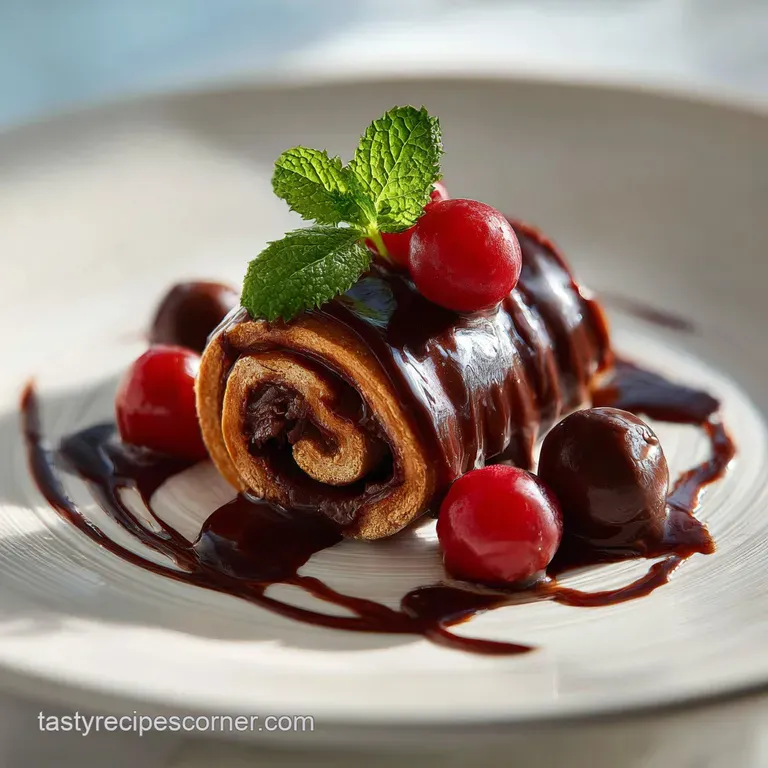
Slice the "Tales" into 1cm medallions. Arrange three medallions in a slight arc on a white plate. Garnish with a tiny pinch of flakey sea salt (like Maldon) and a single micro mint leaf. The contrast of the white center against the dark caramel medallions is stunning.
| Level | Finish | Impact |
|---|---|---|
| Simple | Naked Pile | High "grab and-go" appeal |
| Polished | Parchment Twists | Perfect for gifting |
| Restaurant | Sliced Medallions | Sophisticated dessert course |
Making these at home is such a rewarding experience. It's science, it's art, and it's a huge crowd pleaser. Just remember to keep that thermometer handy and don't rush the cooling process. Happy rolling!

Recipe FAQs
Can I substitute brown sugar for coconut sugar in the caramel?
Yes, but expect a slight texture change. Brown sugar contains molasses, which adds moisture, resulting in a softer, chewier caramel that might need slightly less cooking time.
Why is my caramel hard and brittle instead of chewy?
You overheated the mixture past the soft ball stage. The critical temperature for chewiness is 115°C (240°F); exceeding this pushes the sugar structure toward hard crack, making it shatter instead of bend.
How do I prevent the milk powder cream center from dissolving the caramel wrapper?
Ensure the milk powder center is firm and contains minimal added water. The low moisture content of the dry milk powder is crucial; excess liquid migrates into the sugar shell, making it sticky and causing failure.
What is the purpose of adding honey when I am already using sugar?
The honey acts as an interfering agent to prevent crystallization. Honey is an invert sugar, which keeps the sucrose molecules from forming large, grainy crystals, thus guaranteeing a smooth, pliable caramel for rolling.
How do I stop the caramel from sticking to my silicone mat while I roll it out?
Lightly dust the mat with nonfat dry milk powder before pouring. Since the caramel cools quickly, you must work fast; using milk powder instead of flour keeps the flavor profile pure and avoids any powdery aftertaste.
Can I substitute the grass fed butter with oil for a different fat profile?
No, using liquid oil is highly discouraged for this specific recipe. Butter provides necessary milk solids that help emulsify the mixture and achieve the characteristic mouthfeel; liquid oils lead to separation and greasy results.
My candy seams keep splitting open after I slice them; what am I doing wrong?
Your caramel needs to be slightly warmer when you roll the center inside. When the caramel cools too much, it loses its tackiness and won't bond to itself when you pinch the seam closed after encasing the cream filling.
Homemade Cow Tales Candy
Ingredients:
Instructions:
Nutrition Facts:
| Calories | 228 kcal |
|---|---|
| Protein | 2.3 g |
| Fat | 16.1 g |
| Carbs | 20.9 g |
| Fiber | 0.1 g |
| Sugar | 19.8 g |
| Sodium | 78 mg |
