Homemade Cherry Liqueur: Silky & Tart
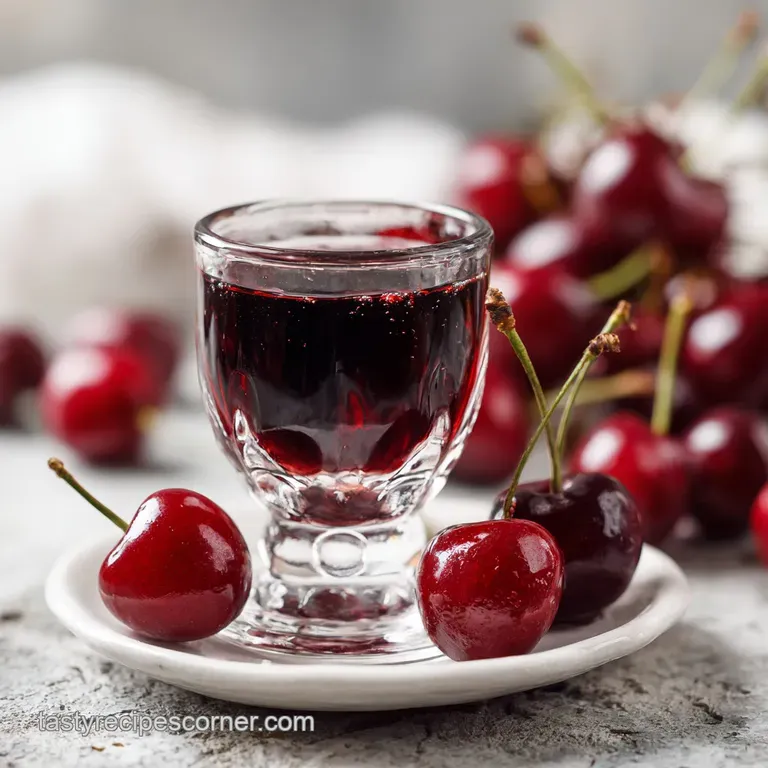
- Time: Active 30 minutes, Passive 42 days, Total 42 days 30 mins
- Flavor/Texture Hook: Silky, tart sweet, and deep ruby red
- Perfect for: Holiday gifting, elegant cocktail hours, or sophisticated dessert pairings
- Mastering the Art of Velvety Homemade Cherry Liqueur
- Balancing Time and Temperature for the Ultimate Infusion
- Choosing the Right Spirits and Fruit for Depth
- Essential Tools for a Crystal Clear Final Pour
- The Patient Journey from Fresh Fruit to Bottle
- Fixing Common Infusion Flaws for a Flawless Result
- Scaling for Large Batches or Personal Portions
- Debunking Common Infusion Myths
- Preservation Secrets and Zero Waste Tips
- Elegant Ways to Serve and Garnish Your Creation
- Cherry Liqueur FAQs
- 📝 Recipe Card
Mastering the Art of Velvety Homemade Cherry Liqueur
I'll never forget the first time I tried to make a fruit infusion. I was twenty two, overconfident, and I thought I could just toss some berries into a jar of cheap gin and call it a day. The result was a cloudy, harsh mess that tasted more like cough syrup than a refined drink.
It was a humbling lesson in patience and the importance of choosing the right "bridge" ingredients to connect the fruit to the alcohol.
When you finally crack open a jar of this homemade cherry liqueur after six weeks of waiting, the aroma that hits you is nothing short of intoxicating. It’s not just the scent of alcohol, but the concentrated essence of a summer orchard, deepened by the warmth of brandy and a hint of spice.
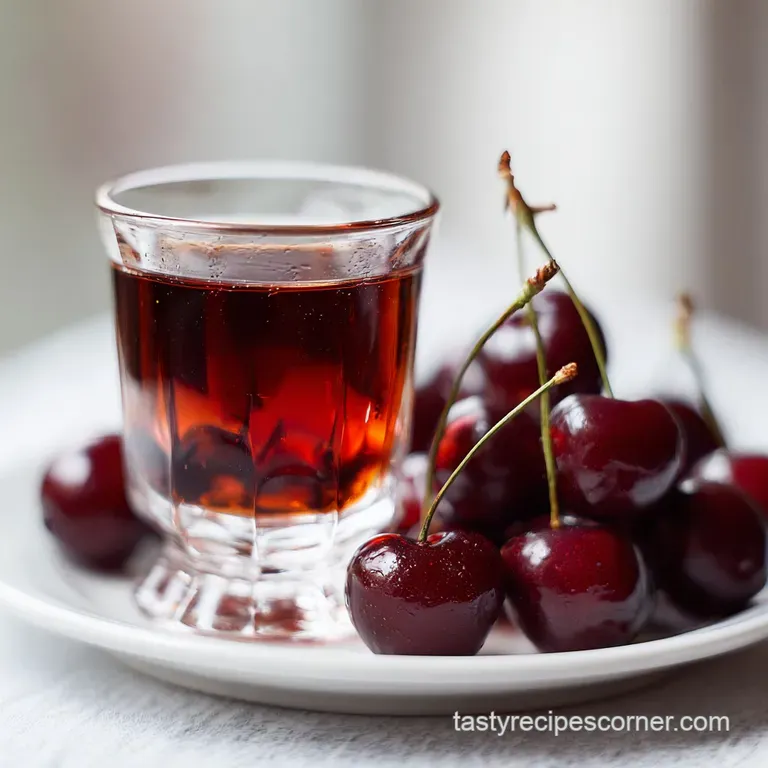
The color is a deep, glowing crimson that looks absolutely stunning in a crystal decanter. Trust me, once you see that ruby liquid catch the light, you’ll realize why we don't rush this process.
We are going for achievable elegance here. This isn't just about getting tipsy; it's about creating a component for your home bar that makes guests ask, "Wait, you actually made this?" It’s the kind of secret weapon that turns a simple glass of sparkling wine into a celebratory cocktail.
We're going to use a blend of spirits to ensure the flavor has layers, rather than just a one note sweetness.
Balancing Time and Temperature for the Ultimate Infusion
Ethanol Extraction: High proof alcohol acts as a solvent, breaking down the cell walls of the fruit to pull out pigments and flavor compounds. Osmotic Pressure: Adding sugar later in the process draws the remaining alcohol soaked juice out of the fruit and into the main liquid.
| Method | Time | Flavor Profile | Best For |
|---|---|---|---|
| Fast Infusion | 48 hours | Bright, raw, sharp | Last minute cocktails |
| Classic Maceration | 6 weeks | Rounded, velvety, complex | Sipping and gifting |
| Aged Reserve | 6 months+ | Port like, mellow, dark | True connoisseurs |
Choosing between a fast soak and a long maceration depends entirely on your patience, but the classic 42 day window is the sweet spot for a homemade cherry liqueur recipe. The extended time allows the harsh edges of the vodka to soften as it marries with the natural acids in the sour cherries.
If you rush it, you lose that "melt in-the mouth" feel that defines a premium liqueur.
1. The Power of Maceration
Maceration is simply the process of letting the fruit sit in the spirit. During these six weeks, the alcohol isn't just sitting there; it's actively working. It dissolves the esters that give cherries their floral notes and the tannins in the skins that provide structure.
This is why we don't pit all the cherries - the pits themselves contribute a faint, almond like bitterness that adds incredible depth to the finished product.
2. Dual Spirit Extraction
We use a combination of vodka and cognac for a reason. Vodka provides a clean, neutral canvas that lets the fruit shine, while the cognac adds a backbone of oak, vanilla, and dried fruit notes. It’s the difference between a flat drawing and a 3D masterpiece.
This technique is often seen in a traditional Polish cherry liqueur recipe, where complexity is prized over simple sweetness.
Choosing the Right Spirits and Fruit for Depth
| Ingredient | Science Role | Pro Secret |
|---|---|---|
| Sour Cherries | Acid & Pectin source | Use Morello for the deepest color and best acid balance |
| Vodka (80-100 proof) | Neutral Solvent | Higher proof extracts flavor faster but needs longer aging |
| Cognac/Brandy | Flavor Multiplier | Adds "rancio" or aged notes that vodka lacks |
| Granulated Sugar | Preservation & Body | Creates the "syrup" feel that coats the tongue |
For the best results, you'll need 2 lbs fresh sour cherries (Morello or Montmorency), 3 cups vodka, 1 cup cognac or brandy, 1.5 cups granulated sugar, 1 cinnamon stick, and 0.5 cup water. If you can't find sour cherries, you can use sweet ones, but you'll want to add a squeeze of lemon juice to mimic that necessary tartness. For another fruit forward project, you might enjoy the flavor profile of a Soft Cherry Chocolate recipe which shares that same dark fruit DNA.
| Original Ingredient | Substitute | Why It Works |
|---|---|---|
| Sour Cherries | Sweet Cherries + Lemon | Provides the necessary acid punch. Note: Color may be lighter |
| Cognac | Dark Rum | Adds a molasses sweetness instead of oak. Note: Very different vibe |
| Granulated Sugar | Honey | Adds floral notes but makes the liqueur cloudier |
If you are looking for a non alcoholic way to bring that same "wow" factor to the table, my Virgin Pina Colada Recipe is a great alternative for family gatherings. But for today, we are sticking with the "hard" stuff. Always ensure your spirits are of decent quality - if you wouldn't drink it on its own, don't put it in your liqueur.
Essential Tools for a Crystal Clear Final Pour
You don't need a lab, but a few specific items will make your life much easier. First, a large 2 liter glass jar with a tight sealing lid is non negotiable. Avoid plastic, as the high alcohol content can leach unwanted flavors over six weeks.
You'll also need a fine mesh strainer and some cheesecloth (or better yet, a nut milk bag) for the final clarification.
A small saucepan is required to make the simple syrup, and a funnel will prevent you from wasting a single drop of that precious liquid when you're bottling it up. I also recommend a "pitting tool" if you decide to pit half the cherries, though doing it by hand with a straw works in a pinch.
Finally, find some elegant 250ml or 500ml glass bottles for the final storage. These make the presentation feel truly "masterclass" level.
The Patient Journey from Fresh Fruit to Bottle
- Clean the fruit. Wash 2 lbs fresh sour cherries thoroughly and remove stems. Note: Stems can add a woody, unpleasant bitterness if left in.
- Prep the cherries. Pit about half of the cherries, leaving the other half whole. Note: The pits in the whole cherries provide a subtle almond flavor.
- Combine spirits. Place all cherries into your large glass jar and pour in 3 cups vodka and 1 cup cognac. Ensure the fruit is fully submerged.
- Initial infusion. Seal the jar and store it in a cool, dark place for 4 weeks. Shake the jar gently every few days until the liquid turns deep ruby.
- Prepare syrup. After 4 weeks, combine 1.5 cups sugar and 0.5 cup water in a saucepan. Heat until the sugar is completely dissolved, then let it cool.
- Add sweetener. Pour the cooled syrup and 1 cinnamon stick into the jar with the cherries and alcohol.
- Secondary aging. Reseal and let it sit for another 2 weeks. This allows the sugar to pull the alcohol soaked juices out of the fruit.
- Strain and filter. Pour the mixture through a fine mesh strainer lined with cheesecloth. Do not squeeze the fruit if you want a clear liqueur.
- Final bottle. Use a funnel to transfer the liquid into clean glass bottles.
- Rest period. Let the bottled liqueur sit for one more week before serving to allow the flavors to fully settle.
The visual cue you're looking for throughout this process is the "shatter" of light through the liquid. Initially, it will be murky, but as the particles settle and the alcohol does its work, it should become a clear, jewel toned nectar. If you find yourself with extra cherries after the straining process, don't throw them away! Those "boozy cherries" are incredible over vanilla ice cream or tucked into a Chocolate Cobbler Recipe.
Fixing Common Infusion Flaws for a Flawless Result
1. The Liqueur is Too Cloudy
This usually happens if you squeezed the fruit too hard during the straining phase or used a sugar substitute like honey. Pectin in the fruit can also cause a haze if the cherries were very overripe. It doesn't affect the taste, but for that "achievable elegance" we want, it can be annoying.
2. The Alcohol "Burn" is Too Strong
If your first sip feels like it's singeing your throat, it usually means the liqueur hasn't aged long enough. Time is the only cure for a harsh spirit. The "burn" is the ethanol being too forward; aging allows it to bond with the sugar and fruit acids, creating a smoother mouthfeel.
| Problem | Root Cause | Solution |
|---|---|---|
| Bitter Aftertaste | Left the stems in or aged too long with pits | Add a touch more simple syrup to balance the tannins |
| Sediment at bottom | Improper filtration | Re filter through a coffee filter for a polished look |
| Weak Flavor | Fruit wasn't ripe enough | Add a teaspoon of high-quality cherry extract as a "cheat" |
Common Mistakes Checklist
- ✓ Never use frozen cherries if you can help it; the ice crystals break the fruit down too much, leading to a cloudy mess.
- ✓ Don't store the jar in direct sunlight; UV rays will bleach the beautiful red color into a sad brown.
- ✓ Avoid "plastic" tasting cheap vodka; if you can smell the rubbing alcohol, it will ruin the delicate cherry notes.
- ✓ Resist the urge to open the jar every day; frequent oxygen exposure can dull the bright fruit flavors.
- ✓ Make sure the cinnamon stick is fresh; an old, dusty stick won't provide that warm aromatic bridge.
Scaling for Large Batches or Personal Portions
If you're making this for a big event, you can easily double or triple the recipe. When scaling up, keep your spices (like the cinnamon stick) to 1.5x the original amount rather than doubling it, as spice can easily overwhelm large volumes.
For the liquids, you can reduce the water in the syrup by about 10% to ensure the liqueur stays "thick" and luxurious.
For a smaller "tester" batch (halving the recipe), you might find that you need to reduce the infusion time by about 3-4 days since the alcohol to fruit ratio stays the same but the volume is easier to penetrate. Use smaller jars so there isn't too much headspace, which prevents oxidation. If you're looking for more small batch treats to gift alongside this, my Peanut Butter Balls recipe is a crowd favorite that balances the tartness of the cherry beautifully.
Debunking Common Infusion Myths
One big misconception is that you need "Everclear" or 190 proof grain alcohol to make a good liqueur. While it extracts flavor quickly, it often results in a harsh product that tastes more like a solvent than a drink. 80 to 100 proof is the "goldilocks" zone for home infusions.
Another myth is that you must pit all the cherries to avoid "cyanide poisoning" from the pits. In reality, the trace amounts of amygdalin in cherry pits are only released in significant quantities if you crush or chew them in massive amounts.
Leaving them whole during a 6 week soak is a time honored tradition that provides that signature maraschino aroma without any danger.
Preservation Secrets and Zero Waste Tips
Storage: This liqueur will keep indefinitely due to the high alcohol and sugar content. However, for the best flavor, try to consume it within 2 years. Keep it in a cool, dark cupboard; there's no need to refrigerate it, though serving it chilled is lovely.
Zero Waste: Those leftover boozy cherries are liquid gold. You can dip them in dark chocolate for a decadent adult treat, or chop them up and fold them into a brownie batter.
The leftover syrup from the straining process can also be used as a "soak" for sponge cakes, adding moisture and a kick of flavor. If you find the sediment at the bottom of the bottle too thick, don't toss it stir it into a sauce for roast duck or pork to add a sophisticated fruit element.
Elegant Ways to Serve and Garnish Your Creation
To really show off the color balance of this drink, I focus on three specific color accents. First, the Deep Ruby of the liqueur itself is the star. I serve it in a chilled, clear glass to let that color pop.
Second, I add a Bright Green mint sprig or a leaf of basil right before serving. The contrast between the red and green is classically elegant. Finally, a twist of Burnt Orange zest added at the last second provides a citrus aroma that cuts through the sugar.
1. The "Better Than a Bar" Manhattan
Use your homemade cherry liqueur instead of sweet vermouth in a classic Manhattan. The tartness of the sour cherries brings a much more sophisticated edge to the rye whiskey. Garnish with one of your "boozy" cherries for a professional finish.
2. The Sophisticated Dessert Pour
Simply pour 2 ounces of the liqueur over a scoop of high-quality vanilla bean gelato. The cold ice cream slightly thickens the liqueur, turning it into a velvety sauce. It's an effortless way to wow guests without spending hours in the kitchen. For a full dessert spread, serve this alongside some Traditional Christmas Gumdrop recipe treats to really lean into that nostalgic, fruity theme.
Cherry Liqueur FAQs
What liqueur is made from cherries?
Cherry Liqueur itself is the primary answer. This broad category includes various spirits infused with cherries, ranging from sweet, syrupy digestifs to drier, spirit forward infusions like Kirsch.
What is the difference between cherry liqueur and kirsch?
Cherry liqueur is sweet and often colored; Kirsch is a clear, unaged brandy. Cherry liqueur is made by macerating cherries in alcohol and adding sugar, resulting in a sweet, usually ruby colored product used as a digestif or mixer.
How to make Croatian cherry liqueur?
Combine whole sour cherries, high proof neutral spirit (like rakija or vodka), and sugar in a jar, ensuring fruit is submerged.
Seal tightly and allow the mixture to macerate in a cool, dark place for at least six weeks, shaking weekly, before straining off the liquid.
What is a substitute for Kirsch cherry liqueur?
Substitute with a dry, high-quality clear brandy or unaged grappa, adding a few drops of almond extract. Since Kirsch lacks sweetness, you need a neutral spirit base that offers some complexity, similar to how we balance flavors in our Death by Chocolate recipe.
Is it true that homemade cherry liqueur requires a minimum aging time of six weeks?
No, this is a common misconception; six weeks is ideal, but not strictly mandatory. While longer maceration softens the alcohol and deepens the fruit notes, a minimum of four weeks is necessary for the initial flavor extraction before sweetening.
Can I use frozen cherries to make my cherry liqueur?
No, it is best to use fresh or dried cherries for infusion. Frozen berries release too much internal water during thawing, which dilutes the alcohol, potentially leading to an unclear or "thin" final product.
How do I ensure my homemade liqueur is perfectly clear and not cloudy?
Filter the liquid gently through several layers of cheesecloth or a nut milk bag without squeezing the fruit solids. Squeezing releases pectin and fine fruit particles which create a permanent haze; careful gravity filtration preserves clarity.
Homemade Cherry Liqueur Recipe
Ingredients:
Instructions:
Nutrition Facts:
| Calories | 112 kcal |
|---|---|
| Protein | 0.1 g |
| Fat | 0.1 g |
| Carbs | 12.1 g |
| Fiber | 0.1 g |
| Sugar | 11.2 g |
| Sodium | 1 mg |
