Homemade Beef Sausage: Master the Snap
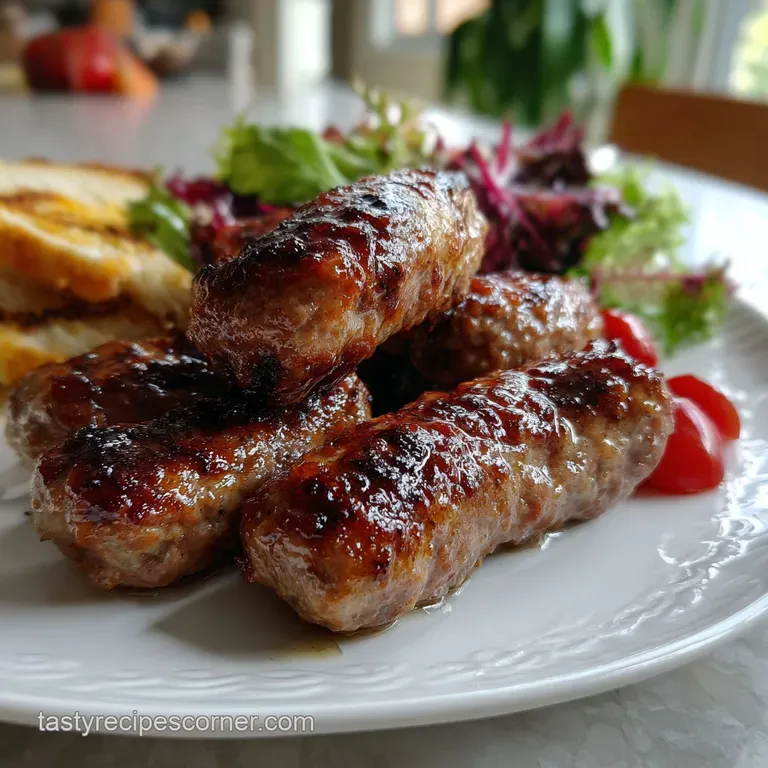
- Effort/Time: 1 hour total (Active prep focus)
- Flavor Hook: Smoked paprika and nutmeg create a deep, savory profile.
- Perfect for: High-protein meal prep and backyard grilling.
Masterclass: How to Make Homemade Beef Sausage
The Ultimate Guide to Homemade Beef Sausage
Stop settling for store-bought links filled with "mystery trimmings" and excessive sodium. Most home cooks struggle with homemade beef sausage that ends up either dry as sawdust or leaking a pool of grease the moment it hits the Lodge Cast Iron Skillet.
I’ve spent years ruined batches to realize that great sausage isn't just about meat it's about fluid dynamics and protein chemistry.
We’ve all been there: you buy the best beef, grind it up, and the texture is just... wrong. It’s grainy and the casing shrivels. But once you understand the "primary bind," everything changes.
You’ll hear that distinct snap when you bite into a link, followed by a rush of juicy, seasoned beef that holds together perfectly.
Today, we’re solving the "crumbly meat" problem once and for all. By using ice-cold liquids and specific salt ratios, we’ll transform standard beef chuck into a masterclass level homemade beef sausage. Let’s get the equipment out and dive into the mechanics of the perfect link.
Why This Works: The Science of Flavor and Texture
- Myosin Extraction: Salt dissolves the protein myosin, creating a sticky "glue" that binds meat fibers and fat into a stable emulsion.
- Thermal Stability: Keeping the homemade beef sausage mixture below 35°F prevents fat from melting (smearing), which ensures a juicy rather than greasy mouthfeel.
- Capillary Action: The addition of ice-cold bone broth provides moisture that is trapped within the protein matrix during the mixing phase.
- Maillard Synergy: Smoked paprika and garlic powder contain sugars and compounds that react with beef proteins under high heat to create a complex, savory crust.
The Science Behind 3 lbs Beef Chuck Roast
- What It Does
- Provides the structural foundation and essential 80/20 lean-to-fat ratio.
- The Chemistry
- Meat proteins undergo protein denaturation when salted, allowing them to uncoil and trap water.
- Why This Matters
- Using chuck ensures enough connective tissue (collagen) to create a "chewy" but tender texture after cooking.
The Science Behind 0.5 cup Ice-Cold Beef Bone Broth
- What It Does
- Acts as a carrier for spices and facilitates the emulsification process.
- The Chemistry
- The cold temperature prevents the beef fat from reaching its melting point during the high friction mixing stage.
- Why This Matters
- It results in a plump, hydrated homemade beef sausage that releases juice only when bitten, not while cooking.
The Science Behind 2 tbsp Diamond Crystal Kosher Salt
- What It Does
- Seasoning agent and primary functional ingredient for texture.
- The Chemistry
- Salt facilitates proteolysis and shifts the isoelectric point of meat proteins, increasing their water holding capacity.
- Why This Matters
- Without the correct salt ratio, the sausage will be a loose pile of ground meat rather than a cohesive link.
Ingredients & Substitutions
| Original Ingredient | Substitute | Why It Works |
|---|---|---|
| 3 lbs Beef Chuck | Beef Brisket | Similar fat content (20 25%). Note: Brisket adds a deeper, smoky flavor profile. |
| 0.5 lb Beef Suet | Chilled Butter | High fat content. Note: Adds a rich, creamy dairy note; less "beefy" than suet. |
| 0.5 cup Bone Broth | Cold Red Wine | Acidic profile. Note: Tenderizes meat further and adds a sophisticated tannic depth. |
| Natural Hog Casings | Collagen Casings | Shelf stable. Note: Easier to handle but provides a slightly less "crisp" snap. |
| Dried Marjoram | Dried Oregano | Similar herbaceous profile. Note: Oregano is more pungent; use 25% less. |
Selecting the Best Beef Cuts for Grinding
For a successful homemade beef sausage, fat is your best friend. I recommend a mix of 3 lbs Beef Chuck Roast and 0.5 lb Beef Fat (Suet). Look for chuck with heavy marbling. If you’re looking for a leaner morning option, you might want to see my Beef Breakfast Sausage: The Best Homemade Recipe for a different spice blend. The key for dinner sausages is keeping that fat content near 25% to ensure the meat remains velvety after the Maillard reaction occurs.
Essential Spices for Savory Beef Sausage
We use 1 tbsp Coarsely ground black pepper and 2 tsp Smoked paprika to build a robust baseline. The 0.5 tsp Ground nutmeg is the "secret" ingredient it doesn't make it taste like dessert; it adds a subtle warmth that mimics high end deli meats. If you want a quick shortcut for the flavor without the stuffing hassle, check out How To Make Ground Beef Taste Like Breakfast Sausage.
step-by-step Instructions
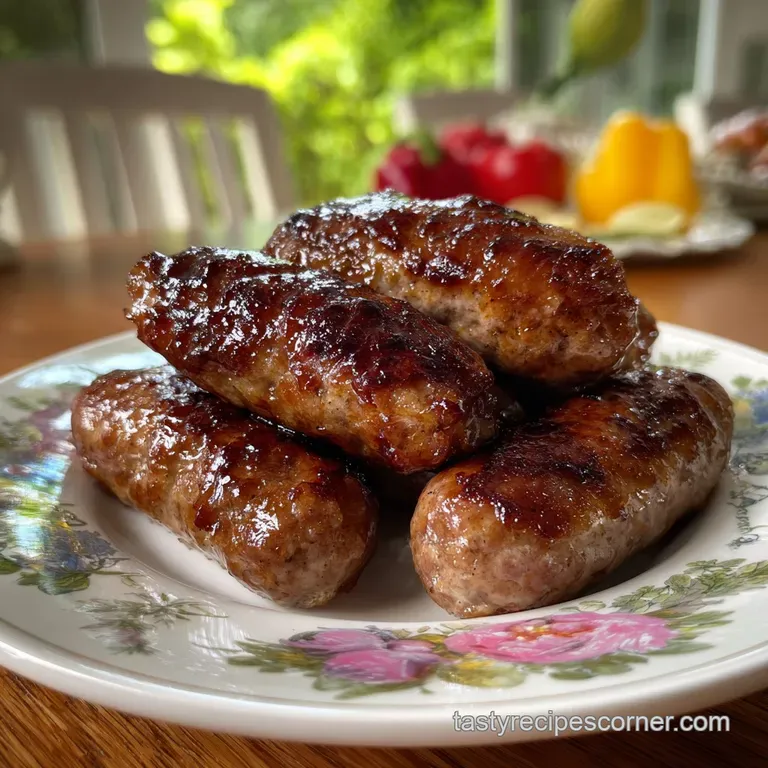
- Chill all equipment in the freezer for 30 minutes. Note: This prevents fat smearing during the grinding process, maintaining the integrity of the fat-to-lean ratio.
- Dice 3 lbs Beef Chuck and 0.5 lb Suet into 1 inch cubes. Note: Uniform sizes ensure an even grind through the KitchenAid Metal Food Grinder Attachment.
- Grind meat and fat using a coarse (6mm) plate into a chilled bowl. Note: Coarse grinding preserves the muscle fiber structure for a better "bite."
- Combine spices (salt, pepper, garlic powder, paprika, marjoram, red pepper flakes, nutmeg). Note: Mixing dry spices first ensures even distribution throughout the homemade beef sausage.
- Add 0.5 cup bone broth and 1 tbsp Lea & Perrins Worcestershire sauce to the meat. Note: Liquids are essential for the "primary bind," where proteins become tacky.
- Mix vigorously by hand or with a paddle attachment for 2 minutes. Note: Look for a "fuzzy" appearance on the meat, indicating successful myosin extraction.
- Flush natural hog casings with warm water. Note: This removes salt and makes the casings pliable for the LEM Sausage Stuffer.
- Stuff the mixture into casings, avoiding air bubbles. Note: Air pockets cause the homemade beef sausage to burst during the cooking process.
- Twist into 6 inch links by rotating alternate directions. Note: Alternating the twist direction prevents the links from unravelling instantly.
- Prick any visible air bubbles with a sterilized pin. Note: This allows steam to escape, preventing the casing from shattering.
- Dry the links in the fridge, uncovered, for 2 hours. Note: This forms a pellicle (sticky surface) which helps the casing crisp up.
- Sear in a Lodge Cast Iron Skillet over medium heat for 15 minutes. Note: Slow rendering of fat prevents the casing from toughening before the interior is cooked.
Expert Tips & Common Mistakes
| Problem | Why It Happens | The Fix | Pro Protocol |
|---|---|---|---|
| Dry, Crumbly Meat | Meat was too warm during mixing | Freeze meat for 15 mins before grinding | Use an Instant Read Thermometer; keep meat below 35°F. |
| Casings Bursting | Stuffed too tightly | Leave 10% slack in the casing | Use the "pinch test" to ensure flexibility before twisting. |
| Greasy Texture | Fat smeared during grind | Dull grinder blades or warm equipment | Chill the metal grinder head in the freezer until frosty. |
Mastering Temperature Control for a Better Snap
Temperature is the single most important factor when making homemade beef sausage. If the fat reaches 60°F, it begins to soften and will "leak" out of the protein matrix.
This is called "breaking the emulsion." If you find your meat getting sticky or soft, stop immediately and put the bowl back in the freezer for 15 minutes. A cold mix ensures that when the sausage hits the heat, the fat renders inside the meat, creating juiciness rather than a greasy pan.
Developing a Deep Umami Spice Profile
The 1 tbsp Worcestershire sauce is your umami bomb. It contains fermented anchovies and tamarind which bridge the gap between the beef and the spices. For those who enjoy a sharper flavor, you can find similar techniques in my guide on How To Cook Turkey Sausage On The Skillet: Juicy Crispy, though beef requires more aggressive seasoning to stand up to its higher fat content.
Common Myths
Myth: You should add as much fat as possible for flavor. Truth: Exceeding 30% fat often leads to a "broken" sausage where the meat swims in a pool of rendered grease. 20 25% is the scientific sweet spot for homemade beef sausage.
Myth: Pricking the sausage drains all the juice. Truth: Pricking only releases trapped air and steam. It prevents the casing from "shattering" due to pressure build-up, actually preserving the structural integrity of the link.
Storage & Freezing Guidelines
Safe Refrigeration and Thawing Practices
Store fresh homemade beef sausage in an airtight container for up to 3 days. Because we haven't added chemical nitrates (like Prague Powder), the meat will naturally oxidize and turn slightly grey this is normal and doesn't mean it’s spoiled.
Always thaw frozen links in the fridge for 12 hours rather than on the counter to maintain the fat emulsion.
Vacuum Sealing for Long Term Freshness
For the best results, vacuum seal your homemade beef sausage before freezing. It will stay "fresh tasting" for up to 4 months. If using standard freezer bags, wrap each link in plastic wrap first to minimize air contact and prevent freezer burn.
Serving Suggestions
The Poach and Sear Method for Even Cooking
To ensure your homemade beef sausage is cooked through without burning the outside, simmer the links in a shallow pan with 1/2 inch of water for 5 minutes. Once the water evaporates, add a touch of oil and sear until the casing is golden brown and "shatters" when bitten.
Creative Breakfast Pairings and Sides
While these make an incredible dinner, they also work as a hearty breakfast side. Pair them with poached eggs and sourdough. If you’re looking for more inspiration on how to serve these, How to Make Beef Sausage: Master the Perfect Snap offers several pairing ideas for links vs. patties.
This homemade beef sausage recipe is a foundational skill. Once you master the chill grind-mix workflow, you can experiment with different fats or liquids. Just remember: keep it cold, mix it well, and don't fear the fat. Happy stuffing!

Recipe FAQs
What is the most critical step for achieving a tight protein bind?
Mixing the meat until it becomes sticky and tacky. Overmixing develops myosin proteins which trap fat and moisture, preventing crumbling. Under mixing results in a loose structure that separates during cooking.
- Use meat fat content around 20-25%
- Ensure all grind components are near 32°F (0°C)
- Mix by hand or low-speed paddle attachment
Must I use natural casings for this recipe?
No. Casings are optional for patties or bulk sausage. Casings provide the traditional snap and shape required for links, but are unnecessary if forming patties.
Can I use leaner beef, like 93/7, in this recipe?
No. Leaner beef results in dry, chalky sausage. Fat content dictates moisture retention and flavor; insufficient fat compromises texture severely, resulting in poor mouthfeel.
What is the ideal curing time before linking the sausage?
At least 4 hours, preferably overnight, refrigerated. This resting period allows the salt and spices to fully hydrate the meat proteins and firm the mixture for stuffing.
Should I use fresh or dried herbs for the seasoning mix?
Use dried herbs for standardized flavor profiles. Dried herbs are concentrated; fresh herbs introduce significant moisture variance, which affects the overall bind quality.
Is this beef sausage formulation safe to smoke immediately after stuffing?
Myth: Smoking immediately ensures maximum flavor penetration. Cold smoking for several hours before applying heat helps the casing set properly and prevents bursting.
How does homemade beef sausage compare to store-bought turkey sausage?
Beef offers deeper umami; turkey is inherently milder. Beef provides robust, slow cooked savory notes, whereas turkey requires heavier seasoning to achieve similar depth, as demonstrated in Cooking Turkey Sausage: Juicy, Sage Forward Breakfast Perfection.
Homemade Beef Sausage Mastery
Ingredients:
Instructions:
Nutrition Facts:
| Calories | 534 kcal |
|---|---|
| Protein | 23.5 g |
| Fat | 48.2 g |
| Carbs | 1.2 g |
| Fiber | 0.4 g |
| Sugar | 0.3 g |
| Sodium | 1395 mg |
