Authentic Greek Salad Recipe
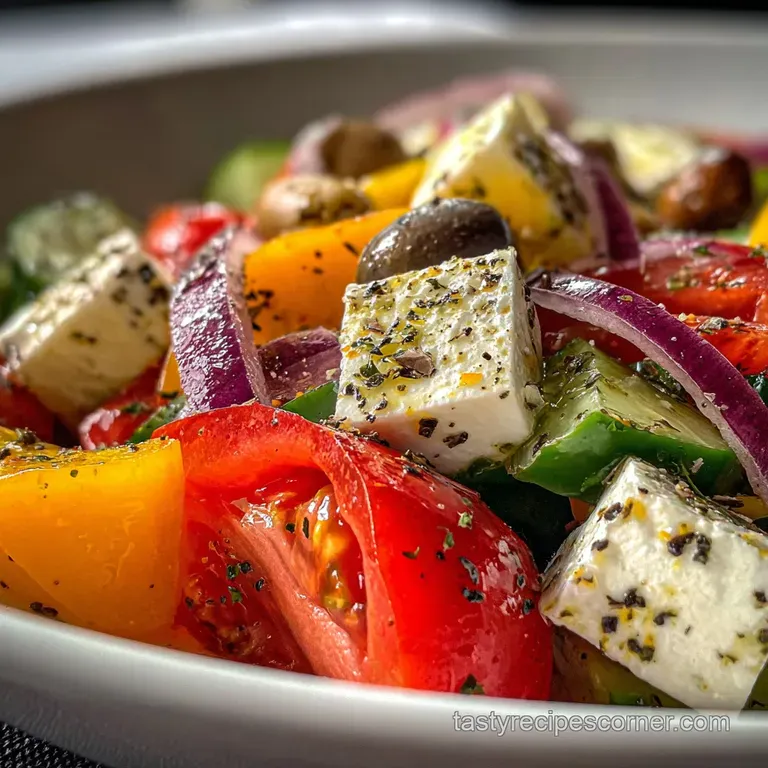
- Time: Active 10 minutes, Passive 0 minutes, Total 10 minutes
- Flavor/Texture Hook: Crunchy English cucumbers paired with creamy, salty feta and tangy red wine vinegar.
- Perfect for: High protein lunch prep, a quick corporate wellness meal, or a vibrant summer side dish.
- Master the Authentic Greek Salad Recipe for Quick Refreshment
- Key Techniques for Balancing Briny and Fresh Flavors
- Essential Component Science for a Textural Masterpiece
- Sourcing the Right Elements for Maximum Nutritional Impact
- Tools Needed for a Fast and Efficient Kitchen Flow
- Assembling the Salad with Precision and Speed
- Fixing Texture and Flavor Balance in Your Salad
- Creative Ways to Personalize Your Vegetable Bowl
- Keeping Your Produce Fresh and Minimizing Kitchen Waste
- Finding the Right Pairing for a Complete Healthy Meal
- High in Sodium
- Recipe FAQs
- 📝 Recipe Card
Master the Authentic Greek Salad Recipe for Quick Refreshment
I still remember the first time I sat at a small, sun bleached table in a Cretan taverna. The air smelled like salt and dried herbs, and before I even ordered, a bowl appeared. There was no lettuce in sight just heavy wedges of tomato, thick slices of cucumber, and a massive slab of feta resting on top like a crown.
The juice at the bottom of the bowl was a golden mix of olive oil and tomato water that begged to be mopped up with crusty bread.
That meal changed how I look at "fast food." This isn't just a side dish; it’s a masterclass in efficiency and nutrition. For anyone balancing a packed schedule, this greek salad recipe is the ultimate win because there’s zero actual cooking involved.
You’re just assembling high impact flavors that satisfy that craving for something crisp and savory without leaving you feeling sluggish during a 2:00 PM meeting.
We’re skipping the watery iceberg and the bottled dressings today. Instead, we’re focusing on the "Horiatiki" style the traditional village salad. It’s about the snap of a fresh pepper and the pungent bite of thinly sliced red onion.
Trust me, once you stop thinking of salad as a bowl of leaves and start seeing it as a collection of vibrant, chunky vegetables, you’ll never go back to the sad desk salads of the past.
Key Techniques for Balancing Briny and Fresh Flavors
Osmotic Seasoning: Salting the tomatoes five minutes before adding other ingredients draws out their natural juices, creating a flavorful base for the dressing.
Aromatic Infusion: Rubbing the dried oregano between your palms releases the volatile oils, making the herb much more fragrant than if it were just sprinkled on top.
Structural Integrity: Keeping the vegetables in large, irregular chunks prevents them from bruising and keeps the salad from becoming a soggy mess if it sits for twenty minutes.
Fat Acid Equilibrium: The 4:1 ratio of extra virgin olive oil to red wine vinegar ensures the feta's creaminess is cut by enough sharpness to keep the palate refreshed.
Vegetable Sourcing Comparison
| Feature | Garden Fresh Produce | Grocery Shortcut |
|---|---|---|
| Tomato Texture | Firm but yielding | Often mealy or soft |
| Cucumber Snap | High water content, very crisp | Can be rubbery if old |
| Aroma | Earthy and vine like | Neutral or faint |
This comparison highlights why I always reach for vine ripened tomatoes. If you're short on time, even a high-quality supermarket "hot house" tomato beats a pale, out of-season plum tomato any day.
Essential Component Science for a Textural Masterpiece
The beauty of this dish lies in the chemistry of its simple parts. When we talk about a greek salad recipe, we’re really talking about a balance of pH and lipid solubility.
| Component | Science Role | Pro Secret |
|---|---|---|
| Vine Ripened Tomatoes | Provides glutamates for umami flavor | Use irregular wedges to increase surface area for salt |
| Extra Virgin Olive Oil | Acts as a carrier for fat soluble vitamins | Look for "early harvest" for a peppery finish |
| Feta Cheese | Adds creamy lipids and lactic acid | Always buy the block in brine, never pre crumbled |
| English Cucumber | Adds structural crunch and hydration | Leave some skin on for fiber and a bitter contrast |
A quick note on the onion: the sulfur compounds in red onions can be aggressive. If you find them too sharp, soak the slices in ice water for five minutes. This tames the bite while keeping the crunch. It’s a technique I use constantly in my Mediterranean Salad recipe to keep things office friendly.
Sourcing the Right Elements for Maximum Nutritional Impact
To get that authentic taste, you need the right list. Don't skimp on the oil it's the backbone of the whole experience.
- 450g (1 lb) ripe vine tomatoes: Cut these into chunky, irregular wedges. Why this? Irregular shapes catch the dressing better than uniform slices.
- 300g (1 large) English cucumber: Partially peel it to create stripes, then slice into half moons. Why this? English cucumbers have thinner skin and fewer seeds than standard varieties.
- 60g (1/2 medium) red onion: Slice these into paper thin half rings. Why this? Thin slices distribute the flavor without overpowering the other vegetables.
- 1 medium green bell pepper: Deseed and slice into rings or bite sized pieces. Why this? Green pepper adds a specific grassy note traditional to this salad.
- 100g (1/2 cup) whole Kalamata olives: Keep the pits in if you want the most flavor. Why this? Kalamatas offer a fruity, wine like brine that black olives lack.
- 200g (7 oz) block feta cheese: One solid slab or large cubes. Why this? Pre crumbled feta is coated in anti caking agents that ruin the creamy mouthfeel.
- 60ml (4 tbsp) extra virgin olive oil: Use the best stuff you have. Why this? This provides the healthy fats that make the salad a filling meal.
- 15ml (1 tbsp) red wine vinegar: This adds the necessary sharp punch. Why this? It’s more traditional and less sweet than balsamic vinegar.
- 1 tsp dried Greek oregano: Essential for that earthy aroma.
- 0.5 tsp sea salt: To draw out the tomato juices.
- 0.25 tsp black pepper: For a subtle background heat.
Smart Substitution Guide
| Original Ingredient | Substitute | Why It Works |
|---|---|---|
| Red Wine Vinegar | Lemon Juice | Provides a bright, citrusy acidity instead of fermented tang. |
| Kalamata Olives | Castelvetrano Olives | Offers a milder, buttery flavor for those who dislike salty brines. |
| Green Bell Pepper | Red Bell Pepper | Adds sweetness and extra Vitamin C. Note: Changes the traditional profile slightly. |
Adding a lean protein like the salmon used in this Zepboundrelated recipe can turn this into a high octane dinner for those nights when you’ve been at the desk too long.
Tools Needed for a Fast and Efficient Kitchen Flow
You don't need a lot of gear for this, which makes cleanup a breeze. Efficiency is key when you're squeezing a healthy meal into a busy day.
- Large wooden bowl: Wood absorbs a bit of the oil over time, seasoning the bowl itself.
- Sharp chef's knife: Essential for clean cuts through tomato skin without crushing the fruit.
- Small glass jar: For emulsifying the oil and vinegar quickly.
- Mandoline slicer (optional): If you want those red onions to be translucent and perfectly uniform.
Assembling the Salad with Precision and Speed
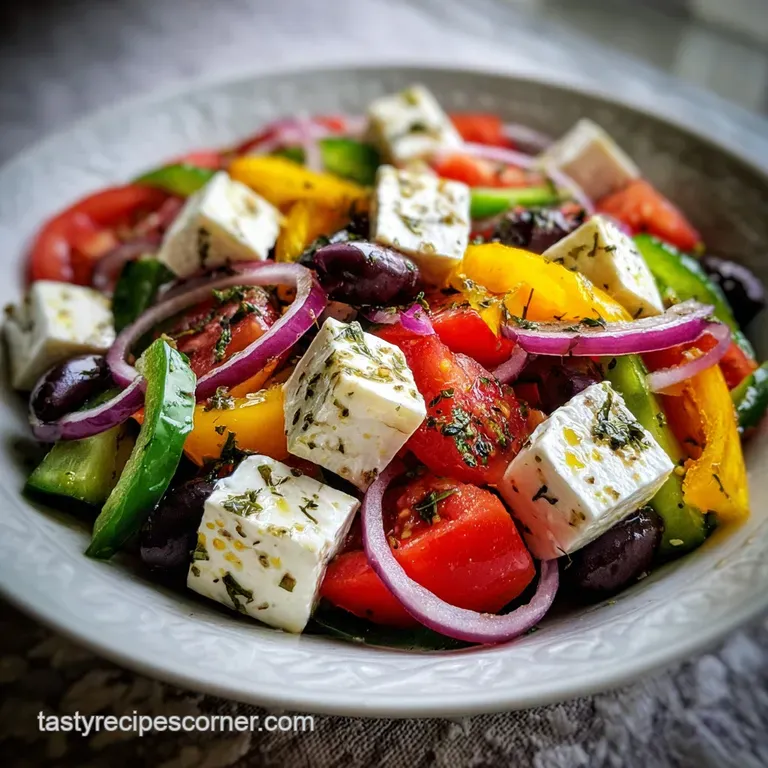
This is the "prep flow" that ensures your vegetables don't get soggy while you're getting the rest of your meal ready.
- Prep the tomatoes. Cut the 450g of tomatoes into large wedges and place them in your bowl.
- Season early. Sprinkle the 0.5 tsp of sea salt over the tomatoes. Note: This starts the osmosis process that creates the "sauce" at the bottom.
- Slice the cucumbers. Cut the 300g cucumber into half moons and add to the bowl. Checkpoint: Cucumber slices should be roughly 1/2 inch thick.
- Add aromatics. Layer the thinly sliced red onion and green pepper rings over the top.
- Incorporate olives. Scatter the 100g of Kalamata olives into the mix.
- Whisk the dressing. In a small jar, shake together the 60ml olive oil, 15ml red wine vinegar, and black pepper.
- Drizzle and toss. Pour the dressing over the vegetables and toss gently until everything glitters with oil.
- The Feta Crown. Place the 200g block of feta directly on top. Do not crumble it into the vegetables.
- The Final Scent. Rub the 1 tsp of dried oregano between your palms over the cheese and vegetables until the aroma fills the room.
- Serve immediately. Let it sit for just 2 minutes so the flavors meld, then dive in.
Fixing Texture and Flavor Balance in Your Salad
Even the simplest dishes can go wrong if the ingredients aren't behaving. Here is how to handle a greek salad recipe that isn't quite hitting the mark.
Common Texture Issues
The Salad Is Too Watery
If your bowl is swimming in liquid, it’s usually because the tomatoes were over salted or sat too long. While the juice is great for bread, too much dilutes the dressing. Root Cause: Letting the salad sit for over 30 minutes before serving.
Solution: Serve immediately after tossing, or store the dressing separately until the very last second.
The Red Onions Are Overwhelming
Sometimes a red onion is just particularly angry. If the bite is making your eyes water, it will ruin the delicate cucumber flavor. Root Cause: High sulfur content in the specific onion used.
Solution: Soak the slices in a mix of cold water and a splash of vinegar for 10 minutes before adding to the salad.
The Feta Feels Dry or Chalky
If the cheese isn't creamy, it won't emulsify with the oil to create that silky mouthfeel we want. Root Cause: Using pre crumbled or "low-fat" feta cheese. Solution: Always buy full fat feta stored in brine and let it sit at room temperature for 10 minutes before serving.
| Problem | Root Cause | Solution |
|---|---|---|
| Lack of flavor | Dull tomatoes | Add a pinch of sugar to the tomatoes with the salt. |
| Bitter aftertaste | Poor quality oil | Switch to a mild, buttery olive oil instead of a pungent one. |
| Soggy vegetables | Over mixing | Use a "lift and drop" motion with spoons rather than stirring. |
Preventive Success Checklist
- ✓ Pat the cucumbers dry after slicing to ensure the oil clings to the surface.
- ✓ Use room temperature tomatoes for the best flavor release (never refrigerate them!).
- ✓ Only use dried oregano, not fresh; the dried version has the concentrated, earthy punch needed here.
- ✓ Ensure the vinegar is red wine vinegar; balsamic is too heavy and sweet for this profile.
- ✓ Keep the feta in one or two large pieces to control the salt distribution.
Creative Ways to Personalize Your Vegetable Bowl
While I’m a stickler for the traditional version, I know that sometimes you need to work with what’s in the fridge.
- Adding Protein: If you need more than the 9.2g of protein provided, grilled chicken or chickpeas are excellent additions.
- The Lettuce Debate: If you absolutely must have greens, use crisp Romaine hearts. It’s not traditional, but it adds volume if you're feeding a large crowd.
- Herb Variations: If you don't have oregano, a mix of dried thyme and marjoram can mimic that Mediterranean scent.
Quick Decision Guide
- If you want a creamier texture, stir in a tablespoon of Greek yogurt into the dressing jar.
- If you want a spicier kick, add a pinch of dried red chili flakes to the dressing.
- If you want a sweeter finish, use halved cherry tomatoes instead of vine tomatoes.
Keeping Your Produce Fresh and Minimizing Kitchen Waste
Because this salad relies on fresh produce, storage is a bit of a balancing act.
Storage: This salad is best eaten fresh. However, you can store leftovers in an airtight container in the fridge for up to 24 hours. The tomatoes will soften, but the flavors will actually deepen.
Do not freeze this salad the cell walls of the cucumbers and tomatoes will shatter, leaving you with a mushy mess.
- The "Dope"
- That leftover juice at the bottom of the bowl is liquid gold. In Greece, it's called "ladopita." Save it to use as a marinade for chicken or to toss with warm pasta the next day.
- Onion Scraps
- Keep the ends of the red onion and the pepper cores in a bag in your freezer for making veggie stock later.
- Feta Brine
- If you finish the cheese, don't pour the brine down the drain! Use it to soak chicken breasts before grilling; it's a fantastic tenderizer.
Finding the Right Pairing for a Complete Healthy Meal
This greek salad recipe is incredible on its own, but it also functions as the perfect cooling side for heavier, charred proteins.
I love serving this alongside lemon oregano grilled lamb chops or a simple piece of roasted sea bass. The acidity of the vinegar cuts right through the richness of the meat. If you're looking for a vegetarian feast, serve it with warm pita bread and a side of hummus or baba ganoush.
For a lunch that keeps you full through a long afternoon of meetings, try pairing it with a small side of quinoa or farro. The grains soak up that incredible tomato oil dressing, turning the salad into a hearty grain bowl. It’s a great way to hit your fiber goals while keeping the flavor profile high end.
Honestly, once you start making this regularly, you'll realize that "healthy eating" doesn't have to mean boring steamed broccoli it can be a vibrant, briny celebration of fresh ingredients.
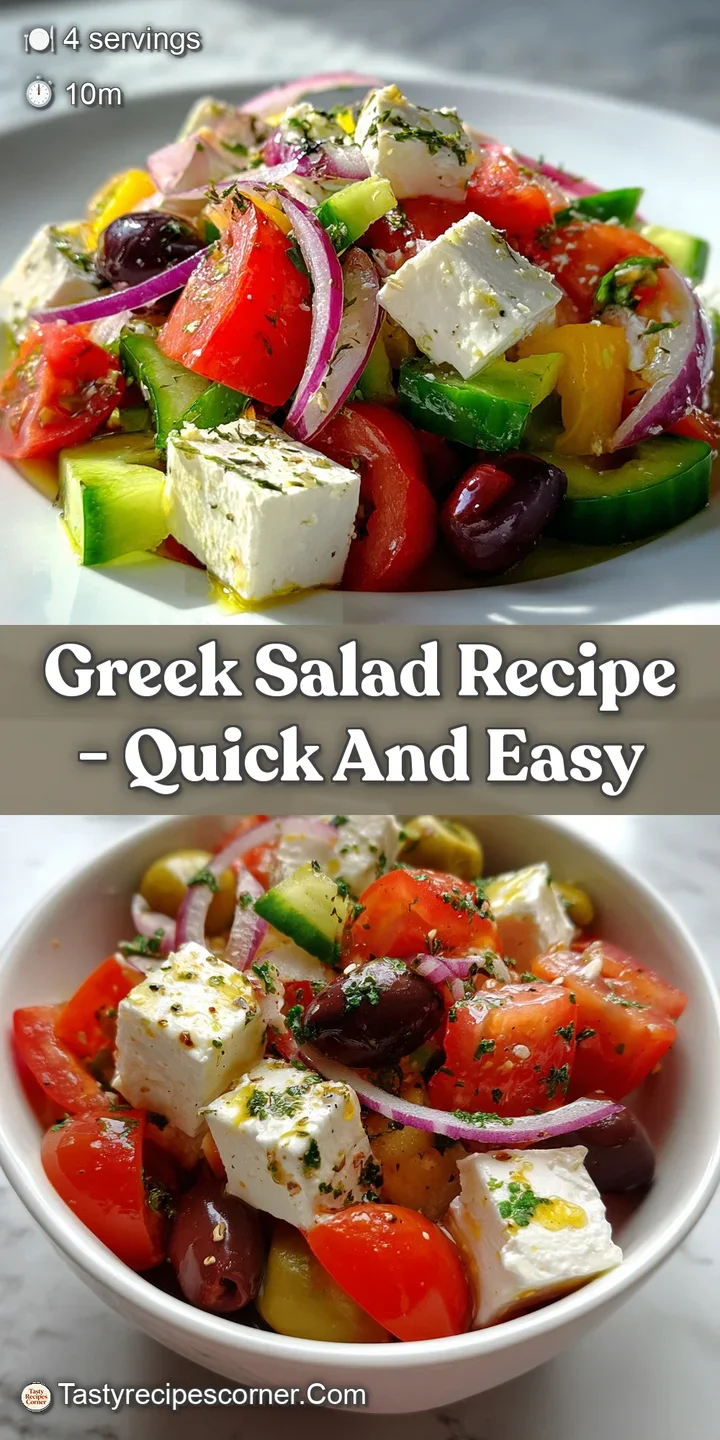
High in Sodium
948 mg mg of sodium per serving (41% % of daily value)
The American Heart Association recommends limiting sodium intake to about 2,300mg per day for adults.
Sodium Reduction Tips for Greek Salad
-
Low-Sodium Feta-15%
Swap regular feta with a low-sodium version. This simple switch can significantly reduce the sodium content, as feta is a major contributor. Look for feta with less than 300mg of sodium per serving.
-
Rinse the Olives-10%
Rinse the Kalamata olives thoroughly under cold water before adding them to the salad. This helps to wash away excess sodium from the brine. Alternatively, use low-sodium olives if available.
-
Reduce Added Salt-12%
Cut the amount of added sea salt in half, or eliminate it entirely. Taste the salad after assembling and add a pinch of salt only if needed, as the feta and olives already contribute sodium.
-
Add Lemon Juice-3%
Enhance the flavor profile with a squeeze of fresh lemon juice. The acidity will brighten the taste and reduce the need for salt.
-
Herbs & Spices
Experiment with other herbs and spices like fresh dill, basil, or a pinch of garlic powder to boost the flavor of your salad without adding sodium.
Recipe FAQs
What are the main ingredients in a classic Greek salad?
Tomatoes, cucumbers, red onion, green bell pepper, Kalamata olives, and feta cheese are essential. A simple dressing of extra virgin olive oil and red wine vinegar, seasoned with dried oregano, completes this vibrant dish.
Do you use lettuce in a traditional Greek salad?
No, traditional Greek salads do not typically include lettuce. The classic "Horiatiki" or village salad focuses on chunky, fresh vegetables like tomatoes and cucumbers, with a large piece of feta on top.
What is the difference between a Mediterranean salad and a Greek salad?
A Greek salad is a specific type of Mediterranean salad. While both feature fresh vegetables and olive oil, Greek salad is defined by its chunky preparation, specific ingredients like feta and Kalamata olives, and the absence of lettuce, unlike broader Mediterranean salads which can vary widely.
What is the dressing for a Greek salad?
The classic Greek salad dressing is a simple vinaigrette made with extra virgin olive oil and red wine vinegar. It's typically seasoned with dried Greek oregano, salt, and pepper; the proportions are often around 3-4 parts oil to 1 part vinegar to complement the briny feta and juicy tomatoes.
Can I use other types of olives in my Greek salad?
Yes, but Kalamata olives are highly recommended for authenticity. Their distinct fruity, wine like flavor and firm texture are integral to the classic taste. If you can't find them, a good quality black or green olive can work, but it will alter the traditional flavor profile.
How do I get the feta cheese to stay on top?
Place a solid block or large cubes of feta on top as the final step. Avoid crumbling it into the salad before serving, as pre-crumbled feta often contains anti caking agents and will disperse too easily, losing its signature presentation and creamy texture.
How do I make the dressing less oily?
Emulsify the dressing properly and use the correct ratio. Whisking the olive oil and vinegar vigorously in a jar or bowl until well combined helps create a stable emulsion. Aim for a 3:1 or 4:1 ratio of olive oil to red wine vinegar; too much oil without proper emulsification will make it feel greasy.
Greek Salad Recipe
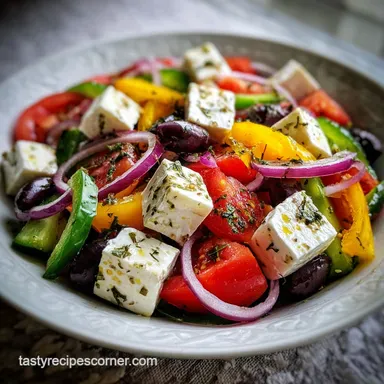
Ingredients:
Instructions:
Nutrition Facts:
| Calories | 358 kcal |
|---|---|
| Protein | 9.2g |
| Fat | 30.9g |
| Carbs | 13.4g |
| Fiber | 3.3g |
| Sugar | 8.1g |
| Sodium | 948mg |
