Salted Greek Honey Nut Pie Recipe
- Time: Active 25 minutes, Passive 45 minutes, Total 1 hour 10 mins
- Flavor/Texture Hook: Shattering phyllo layers meeting a silky, honey drenched walnut center
- Perfect for: Elegant dinner parties or a unique holiday dessert alternative
- Mastering the Salted Greek Honey Nut Pie
- The Science Behind the Golden Crunch
- Essential Specs for the Perfect Bake
- Choosing the Highest Quality Elements
- Tools for a Flawless Dessert
- Step-by-Step Guide to Honey Perfection
- Solving Common Baking Hurdles
- Creative Swaps and Smart Substitutions
- Preserving Freshness and Reheating Tips
- Pairing Suggestions for Elegant Serving
- The Myth of the "Impossible" Phyllo
- Recipe FAQs
- 📝 Recipe Card
Mastering the Salted Greek Honey Nut Pie
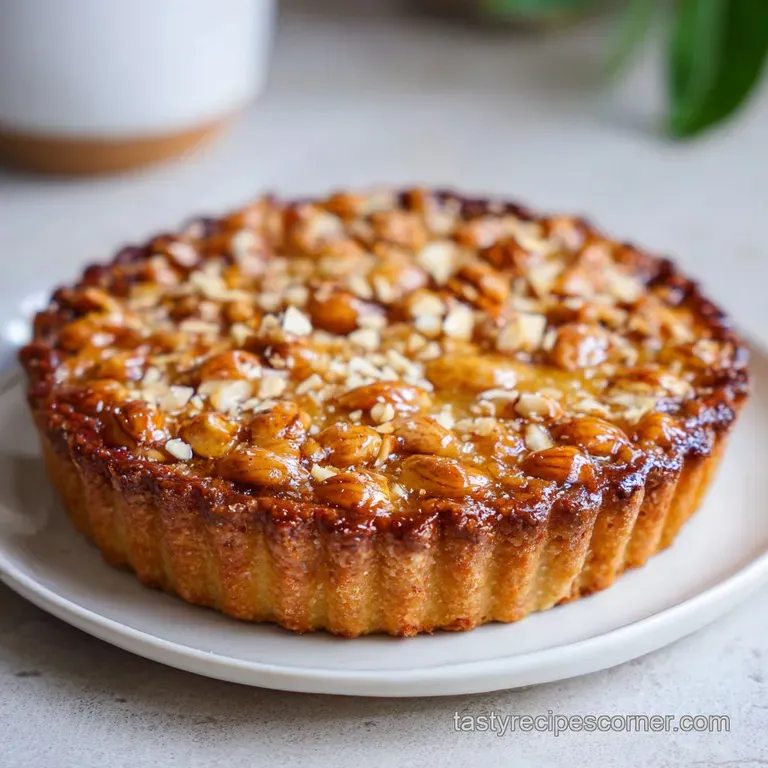
The first time I pulled a salted greek honey nut pie out of the oven, the aroma was so intense it actually stopped me in my tracks. It wasn't just sweet; it was that heady, musk like scent of toasted walnuts mingling with warm thyme honey and a hint of cinnamon.
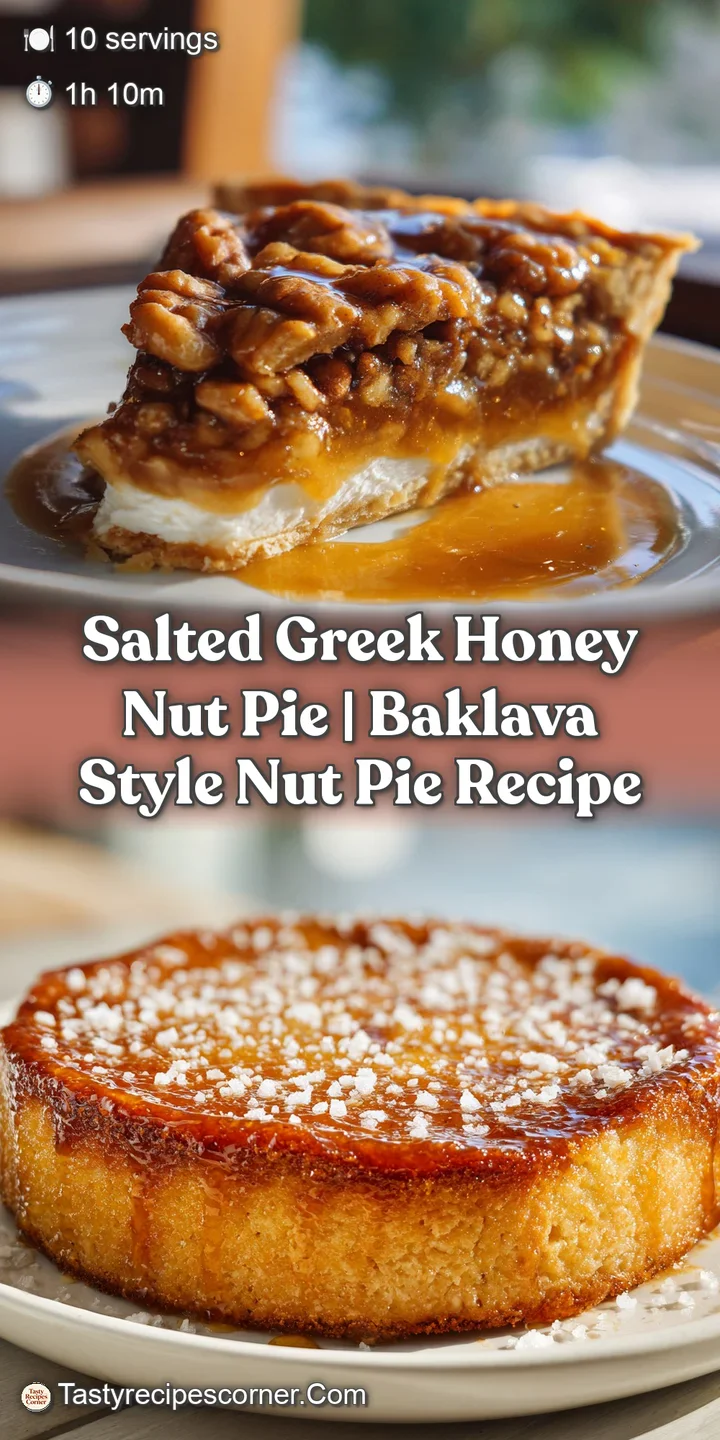
I remember the sound most of all that distinct, glass like crackle as the knife slid through the golden layers. It’s a sound that promises a specific kind of satisfaction that only a true Greek dessert can deliver.
We've all had those honey desserts that are so cloying they make your teeth ache, right? I spent months trying to fix that. The secret, I found, isn't just adding salt though that’s vital but using strained Greek yogurt to create a custard like bind for the nuts.
It transforms the dish from a sugary bomb into something elegant and structured. You’ll get the flaky, buttery joy of baklava but with a soft, sophisticated heart that keeps you coming back for a second slice.
Trust me on this: the contrast is everything. You have the brittle, paper thin phyllo against the dense, earthy crunch of the 300g raw walnuts. Then, just as the sweetness of the 150g Greek thyme honey hits your tongue, the 0.5 tsp flaky sea salt cuts right through it. It’s a bit of a kitchen revelation.
If you’re looking for something that feels like a professional pastry chef made it, but actually comes together in just over an hour, this is your new go to.
The Science Behind the Golden Crunch
The Physics of the Shatter: When the 60g unsalted butter hits the thin phyllo sheets in the 350°F (180°C) oven, the tiny amount of water in the butter evaporates instantly.
This steam forces the microscopic layers of dough apart, creating the airy, crisp gaps that give the pie its signature shattering texture.
Protein Stabilization: The 120g strained Greek yogurt acts as a structural buffer, using its acidity to slightly denature the egg proteins. This ensures the filling sets into a velvety custard rather than a rubbery mass, holding the 300g raw walnuts in a suspended, moist environment.
Hygroscopic Balance: Honey is naturally hygroscopic, meaning it attracts moisture from the air. The 50g coconut sugar acts as a stabilizing partner, providing a crystalline structure that prevents the honey from making the phyllo layers go soft too quickly after baking.
| Baking Method | Active Time | Resulting Texture | Best For |
|---|---|---|---|
| Traditional Layering | 25 minutes | Ultra flaky, distinct sheets | Impressing guests at dinner |
| Ruffled (Shortcut) | 15 minutes | Chewier, denser pastry | Quick family weeknight treats |
| Individual Tartlets | 40 minutes | Maximum crunch to filling ratio | Cocktail parties and buffets |
While the traditional layering method is my favorite for that classic look, don't be afraid to try the ruffled method if you're in a hurry. Just like when I'm prepping a big holiday spread and need something reliable like my Grandma's Secret Eggnog recipe, knowing which method fits your schedule is half the battle.
Essential Specs for the Perfect Bake
Before you start, make sure your phyllo is fully thawed but still cold. Working with warm phyllo is a recipe for a sticky disaster. I usually move mine from the freezer to the fridge the night before.
Also, don't skimp on the quality of your honey; since it’s the star of the show, a cheap clover honey just won't give you that complex floral depth we're after here.
| Component | Science Role | Pro Secret |
|---|---|---|
| Greek Thyme Honey | Flavor & Humectant | Warm it slightly before mixing to ensure it coats every walnut |
| Strained Yogurt (2%) | Emulsifier & Fat | Use room temp yogurt to prevent the melted butter from seizing |
| Flaky Sea Salt | Flavor Contrast | Only use flaky salt (like Maldon) for that specific "pop" of flavor |
| Large Eggs | Structural Binder | Whisk until frothy to incorporate air for a lighter filling |
The 1 tsp vanilla bean paste is another little luxury that makes a huge difference. Unlike standard extract, the paste adds those beautiful little black specks and a more concentrated "real" vanilla flavor that stands up to the strong walnuts. It's similar to the way a good cheese topping finishes a Shepherds Pie recipe, providing that final layer of flavor complexity.
Choosing the Highest Quality Elements
- 10 sheets phyllo dough, thawed: The foundation of the crunch. Why this? Provides the characteristic light, crisp layers traditional to Greek pastry.
- 60g unsalted butter, melted: The laminating agent. Why this? Pure fat ensures the dough browns evenly without burning.
- 300g raw walnuts, coarsely chopped: The heart of the pie. Why this? Walnuts provide an earthy bitterness that balances the sweet honey.
- 150g Greek thyme honey: The primary sweetener. Why this? Thyme honey has herbal notes that prevent the pie from being one dimensional.
- 120g strained Greek yogurt (2% fat): The moisture source. Why this? Creates a creamy filling without the heaviness of double cream.
- 50g coconut sugar: The caramel notes. Why this? Adds a hint of toasted caramel flavor and helps the filling set.
- 3 large eggs, room temperature: The thickener.
- 1 tsp vanilla bean paste: The aromatic lift.
- 1 tsp ground cinnamon: The warm spice.
- 0.5 tsp flaky sea salt: The essential balance.
| Fresh Ingredient | Substitute | Why It Works |
|---|---|---|
| Thyme Honey | Maple Syrup (Grade A) | Similar viscosity. Note: Will result in a much woodier, less floral flavor profile. |
| Walnuts | Raw Pistachios | Same fat content. Note: Gives a more vibrant green color and a sweeter, buttery nut taste. |
| Coconut Sugar | Light Brown Sugar | Similar moisture content. Note: Brown sugar is slightly sweeter; reduce honey by 10g. |
Tools for a Flawless Dessert
You don't need a kitchen full of gadgets, but a few specific items make this much easier. A pastry brush is non negotiable for the phyllo. I prefer a natural bristle brush over silicone because it’s gentler on the delicate sheets and distributes the 60g unsalted butter more evenly.
You'll also want a sharp chef's knife not serrated to score the top of the pie before it goes into the oven.
A 9 inch tart tin with a removable bottom is the gold standard here. It allows you to lift the entire salted greek honey nut pie out without disturbing the fragile crust. If you only have a ceramic pie dish, that works too, but you'll have to serve it directly from the dish.
Finally,, a heavy bottomed saucepan is helpful for gently warming the honey if it has crystallized.
step-by-step Guide to Honey Perfection
1. Preparing the Nut Base
Toast the 300g raw walnuts in a dry pan over medium heat for 5 minutes until they smell toasted and look oily. Let them cool completely before coarsely chopping them; you want chunks, not dust.
2. Crafting the Custard
Whisk the 3 large eggs with the 50g coconut sugar and 1 tsp vanilla bean paste until the mixture is pale and frothy. This aeration is key for a light texture. Note: Room temperature eggs emulsify much better than cold ones.
3. Folding the Filling
Gently stir in the 120g strained Greek yogurt and the 150g Greek thyme honey. Fold in the chopped walnuts and 1 tsp ground cinnamon until everything is evenly coated in the golden liquid.
4. Layering the Foundation
Brush a sheet of phyllo with the 60g melted butter. Lay it into the tart tin, letting the edges hang over. Repeat with 6 more sheets, rotating each one slightly until the entire base is covered and reinforced.
5. Securing the Center
Pour the nut and honey mixture into the phyllo lined tin. Spread it out evenly with a spatula, ensuring the walnuts are distributed right to the edges. Note: Don't overfill; leave a tiny bit of room for the custard to expand.
6. Sealing the Top
Layer the remaining 3 sheets of phyllo on top, brushing each with butter. Fold the overhanging edges inward until you have a rustic, crumpled border that looks beautifully textured.
7. The Precision Score
Use a very sharp knife to score the top layers of phyllo into diamonds or squares. Stop before you hit the filling. Note: This prevents the top from shattering uncontrollably when you try to slice it later.
8. Achieving the Mahogany Glaze
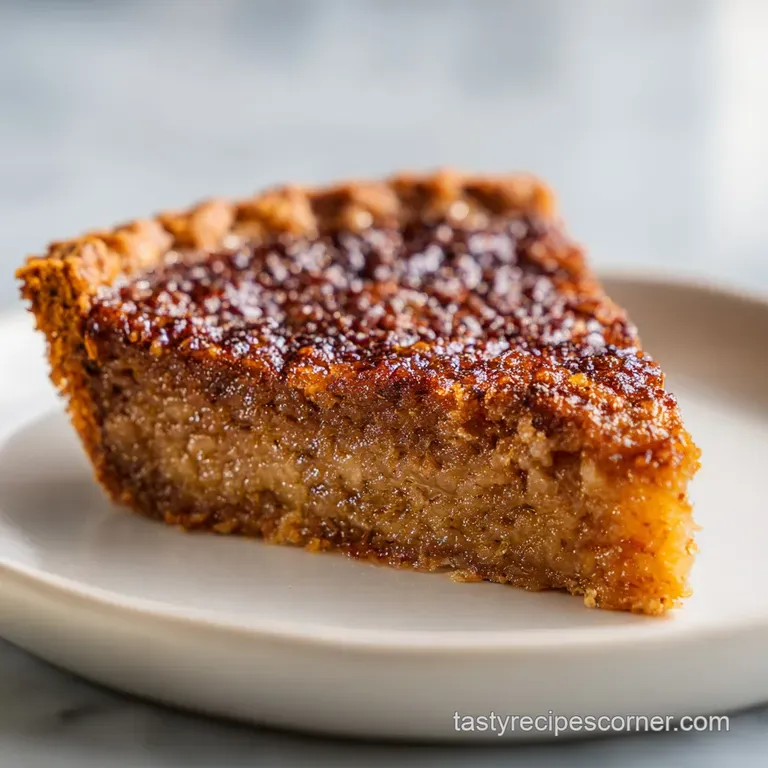
Bake at 350°F (180°C) for 45 minutes until the pastry is a deep, mahogany brown and the filling is set. If the edges brown too fast, cover them loosely with foil.
9. The Salted Finish
Immediately after removing from the oven, sprinkle the 0.5 tsp flaky sea salt over the top. The residual heat helps the salt crystals adhere to the buttery crust.
10. The Cooling Period
Let the pie rest for at least 30 minutes. Wait until it reaches room temperature before slicing. This allows the honey and yogurt custard to firm up, ensuring clean, elegant slices.
Solving Common Baking Hurdles
Why Your Phyllo is Soggy
The biggest culprit is usually the filling being too wet or the oven temperature being too low. If the 120g strained Greek yogurt has excess liquid, you must drain it first. Also, ensuring the 60g unsalted butter is fully melted and brushed into every corner of the dough creates the waterproof barrier needed to keep things crisp.
Dealing with Cracked Top Sheets
Phyllo dries out in seconds. If your top sheets are cracking while you work, they are likely too dry. Keep a damp (not soaking) kitchen towel over the stack of dough you aren't currently using. If they do crack, don't panic! The rustic look is part of the charm of a honey nut pie.
| Problem | Root Cause | Solution |
|---|---|---|
| Burnt Top | Oven rack too high | Move to center rack and tent with foil after 30 mins |
| Leaking Filling | Phyllo base too thin | Always use at least 6-7 sheets for the bottom foundation |
| Bitter Aftertaste | Over toasted walnuts | Only toast until fragrant; they continue cooking in the oven |
Common Mistakes Checklist
- ✓ Never use margarine instead of butter; the water content will ruin the pastry's crispness.
- ✓ Don't skip the scoring step; it’s impossible to cut a baked phyllo pie cleanly without it.
- ✓ Ensure the 300g walnuts are coarsely chopped; fine crumbs will make the filling muddy.
- ✓ Avoid low-fat yogurt; the fat in the 2% or 5% Greek yogurt is essential for the custard's stability.
- ✓ Resist the urge to slice it hot; the honey needs time to "set" or it will just run out.
Creative Swaps and Smart Substitutions
If you want to change the flavor profile, you can easily swap the nut variety. While walnuts are traditional, a mix of 150g walnuts and 150g pecans adds a lovely sweetness. If you're looking for a budget friendly version, peanuts can work, but the flavor will be significantly different more like a sophisticated peanut brittle.
For those who need to scale the recipe, follow these rules. If you're cutting it in half for a small 6 inch tin, reduce the baking time by about 10 minutes but keep the temperature the same.
If you're doubling it for a large crowd, don't just double the salt; use 1.5x the salt (0.75 tsp) to avoid over seasoning.
| Fresh Phyllo | Frozen Phyllo | Result Comparison |
|---|---|---|
| High elasticity | More brittle | Fresh is easier to fold but harder to find |
| Requires immediate use | Can be stored for months | Frozen is more convenient for home cooks |
| Subtle wheaty flavor | Neutral flavor | Very little difference once buttered |
If you want a more floral pie, use orange blossom honey and add a teaspoon of orange zest to the filling. If you want a deeper, darker flavor, use buckwheat honey and increase the cinnamon to 1.5 tsp.
If you want maximum crunch, increase the walnut count by 50g and reduce the yogurt by 20g.
Preserving Freshness and Reheating Tips
This salted greek honey nut pie is best eaten within 24 hours to enjoy the maximum crunch of the phyllo. However, it will keep in an airtight container at room temperature for up to 3 days.
Do not refrigerate it if you can avoid it, as the moisture in the fridge will turn that beautiful, shattering crust into a soft, leathery mess.
If you have leftovers that have lost their crunch, the best way to revive them is in a 300°F (150°C) oven for about 8-10 minutes. Avoid the microwave at all costs! It will turn the honey into lava and the pastry into a soggy wrap.
For zero waste, if you have broken phyllo scraps, toss them in the remaining melted butter and cinnamon sugar, bake them on a tray for 5 minutes, and use them as a crunchy topping for your morning yogurt.
Pairing Suggestions for Elegant Serving
To truly wow guests, focus on the color balance of your garnish. I recommend three specific accents to make the mahogany crust pop. First, a tiny sprinkle of bright green raw pistachios (crushed) added right after the salt. Second, a few ruby red pomegranate arils scattered across the plate for a juicy, tart contrast.
Finally, a thin, golden thread of extra honey drizzled in a zig zag pattern just before serving.
This pie is quite rich, so it pairs beautifully with something clean and acidic. A dollop of extra Greek yogurt on the side, or even a tart lemon sorbet, works wonders. If you're serving this as part of a larger spread, it follows a hearty meal like a Traditional Dutch Oven recipe perfectly, providing a light yet satisfying end to a comfort food dinner.
The Myth of the "Impossible" Phyllo
One of the biggest myths in home baking is that phyllo dough is "too difficult" for the average cook. People think it's going to dry out and shatter before it even hits the pan. The truth is, phyllo is incredibly forgiving as long as you have enough butter.
If a sheet tears, you just patch it with another piece and move on; once it’s baked and ruffled, nobody can see the "mistakes."
Another misconception is that the 0.5 tsp flaky sea salt will make the dessert taste savory. In reality, salt is a flavor enhancer. In this salted greek honey nut pie, it suppresses the bitter notes of the walnuts and amplifies the floral aromatics of the honey.
It doesn't make it "salty" it makes it taste more like itself. Don't be afraid to be generous with those flakes!
Recipe FAQs
What is honey pie in Greek?
The general term is Melopita (μελόπιτα).Melopita translates directly to "honey pie" and refers to several regional Greek desserts often using cheese or nuts bound by honey syrup, similar to this recipe but typically denser.
What exactly is baklawa?
Baklava is a rich, sweet dessert pastry made of layers of phyllo. It is filled with chopped nuts and sweetened and held together with syrup or honey after baking, utilizing a similar layering technique to this pie.
Is Greek honey different from regular honey?
Yes, Greek thyme honey is significantly more potent and aromatic. It comes from bees feeding on wild thyme, giving it a distinctive herbal, musky flavor that stands up well against the walnuts and salt.
What is the name of a Greek or Turkish pastry filled with nuts and honey?
The most famous is Baklava, but a similar Greek version is Karydopita (walnut pie). This salted variation takes the classic nut and honey concept and introduces modern flavor balancing techniques.
How do I ensure the phyllo stays crisp and doesn't get soggy?
Brush every layer generously with melted butter and let the pie rest completely before slicing. The butter creates a necessary moisture barrier against the filling, and resting allows the custard to firm up.
Should I use flaky sea salt or fine table salt for the topping?
You absolutely must use flaky sea salt for the final sprinkle. Flaky salt dissolves slower and provides a textural 'pop' of salinity that cuts through the sweetness, unlike fine salt which disappears into the surface.
How do I prevent the nut filling from becoming too dense or dry?
Incorporate strained Greek yogurt into the binding agent, as it adds moisture without thinning the mixture. If you enjoyed mastering the stable emulsion in this filling, apply that same whisking precision when making our Galentines Girls Night recipe for perfectly set dips.
Greek Honey Nut Pie
Ingredients:
Instructions:
Nutrition Facts:
| Calories | 394 kcal |
|---|---|
| Protein | 9.1 g |
| Fat | 27.3 g |
| Carbs | 32.6 g |
| Fiber | 2.2 g |
| Sugar | 18.4 g |
| Sodium | 148 mg |
